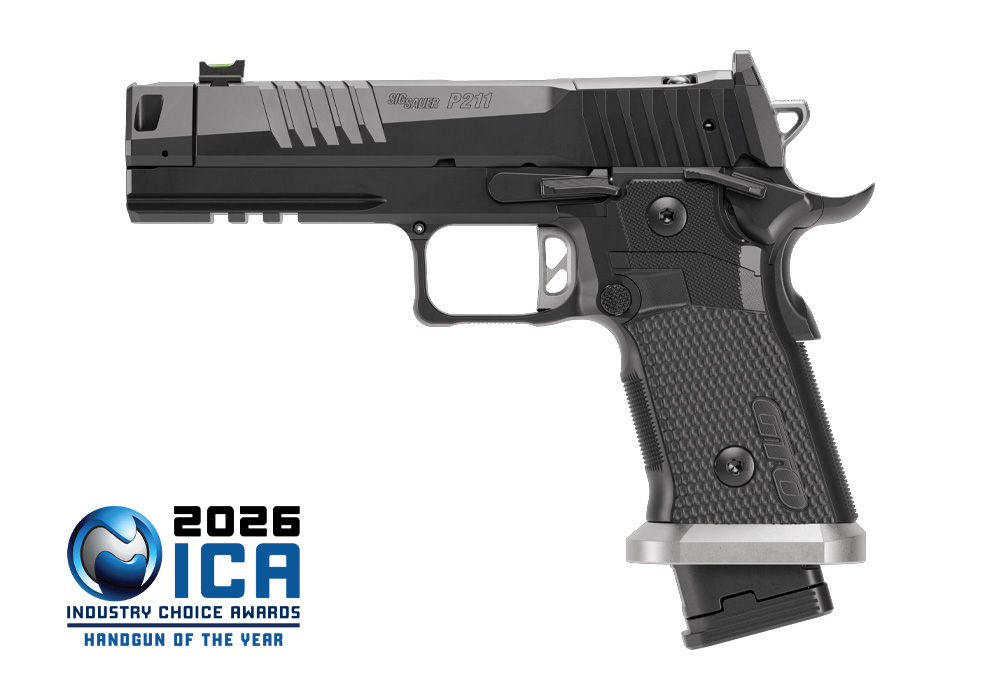
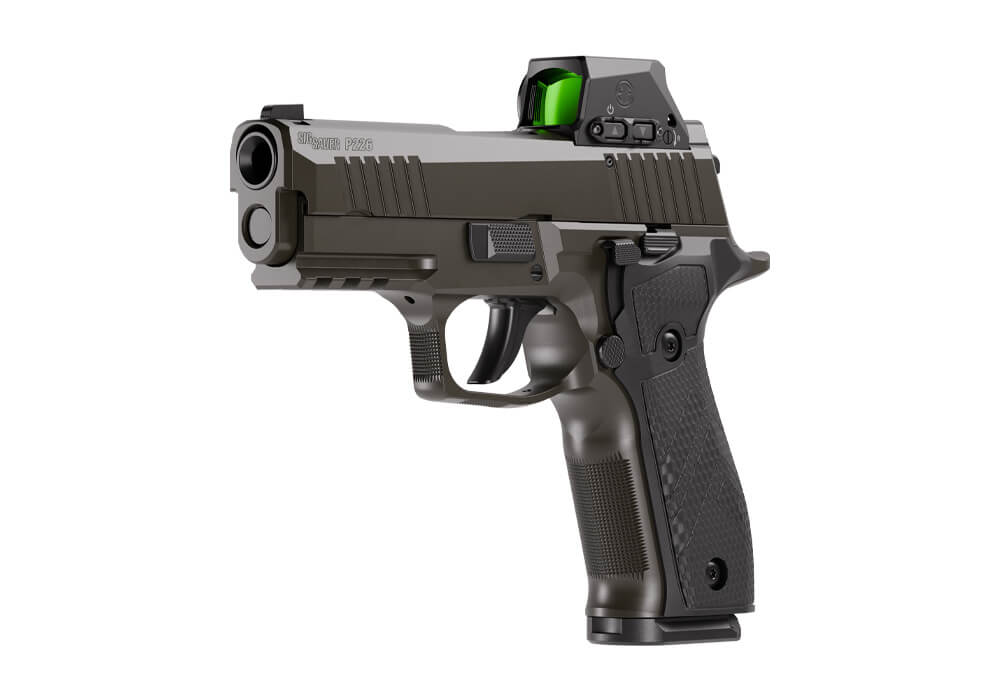
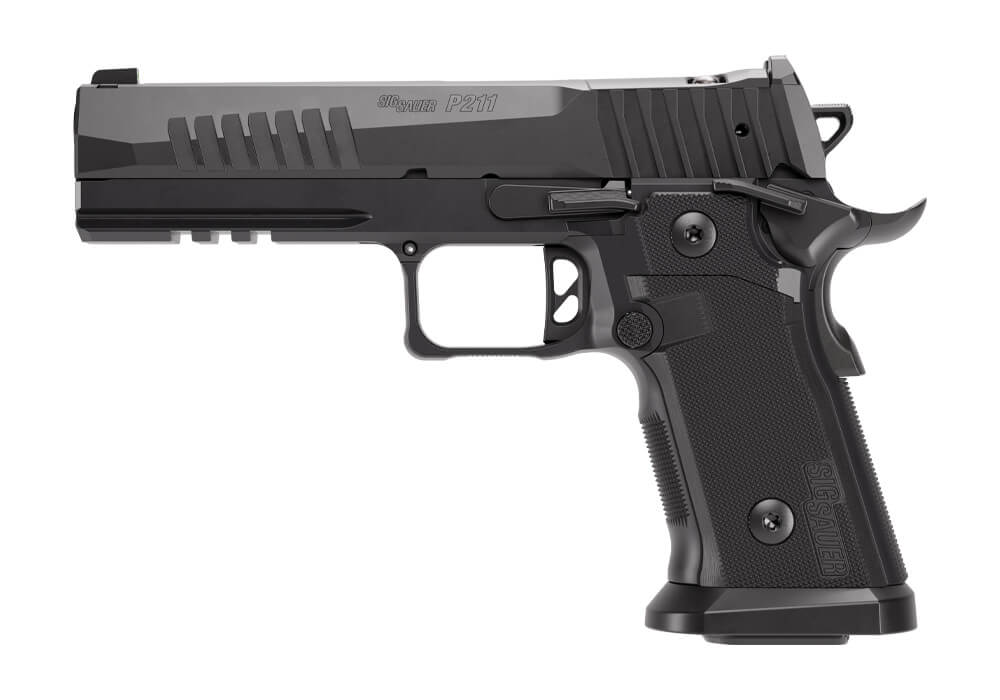
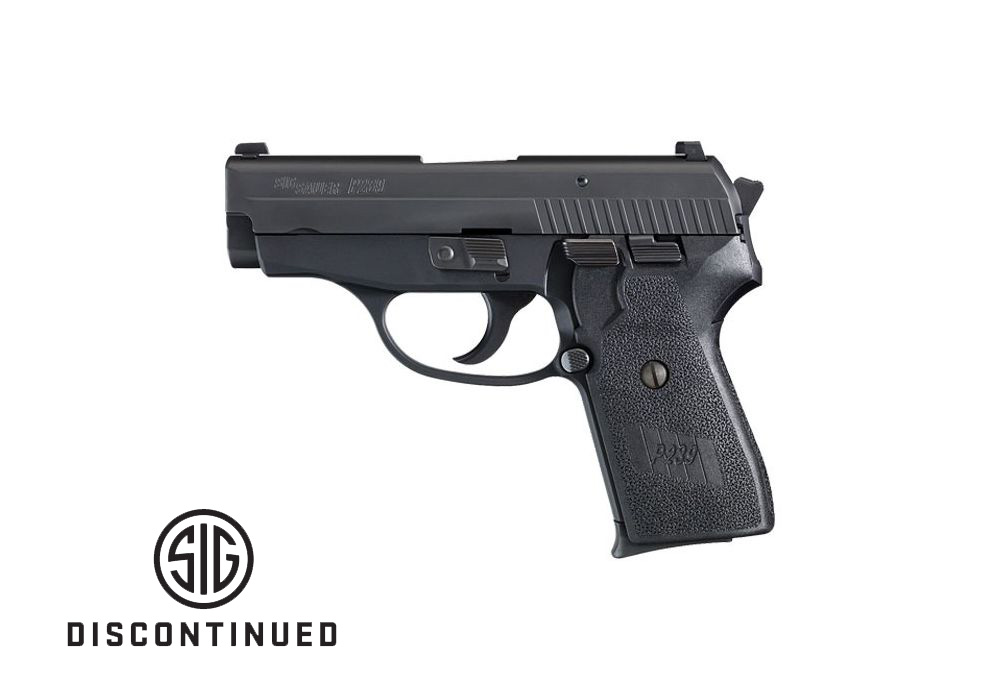
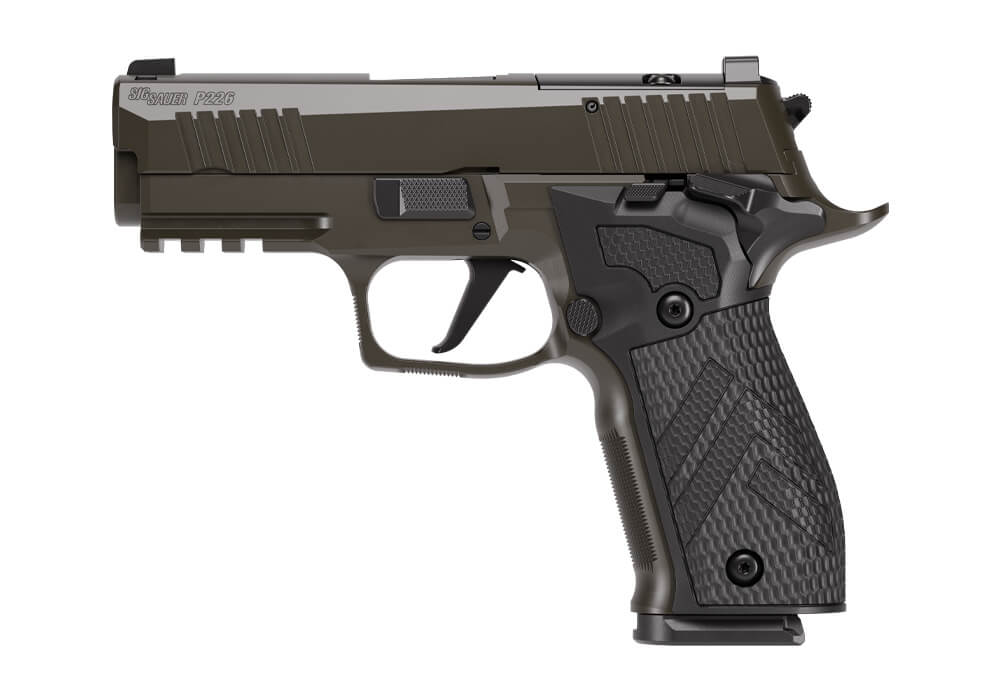
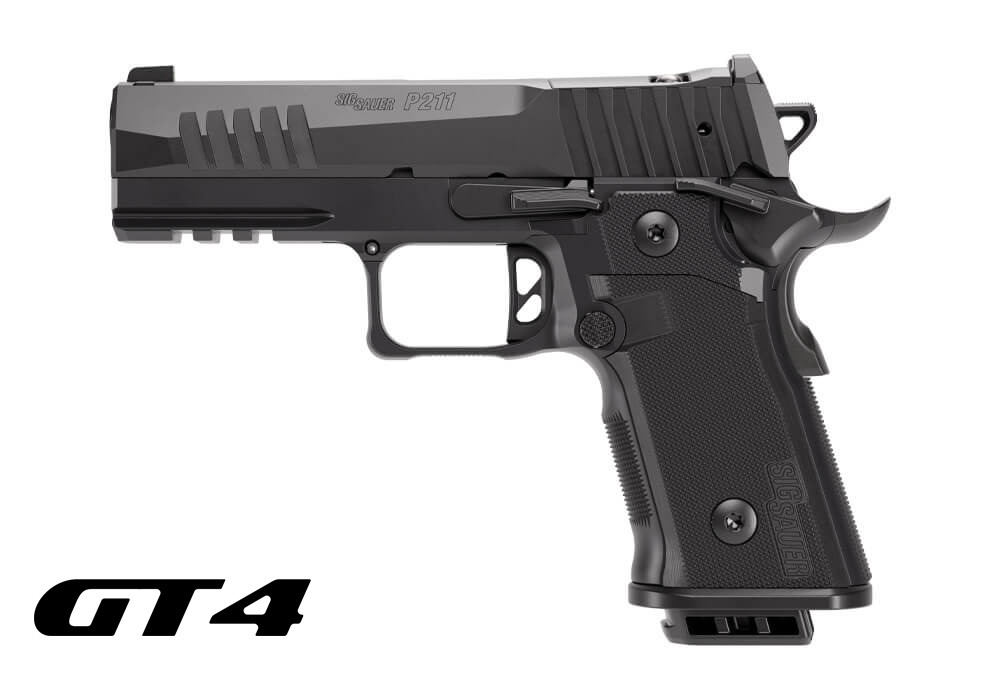
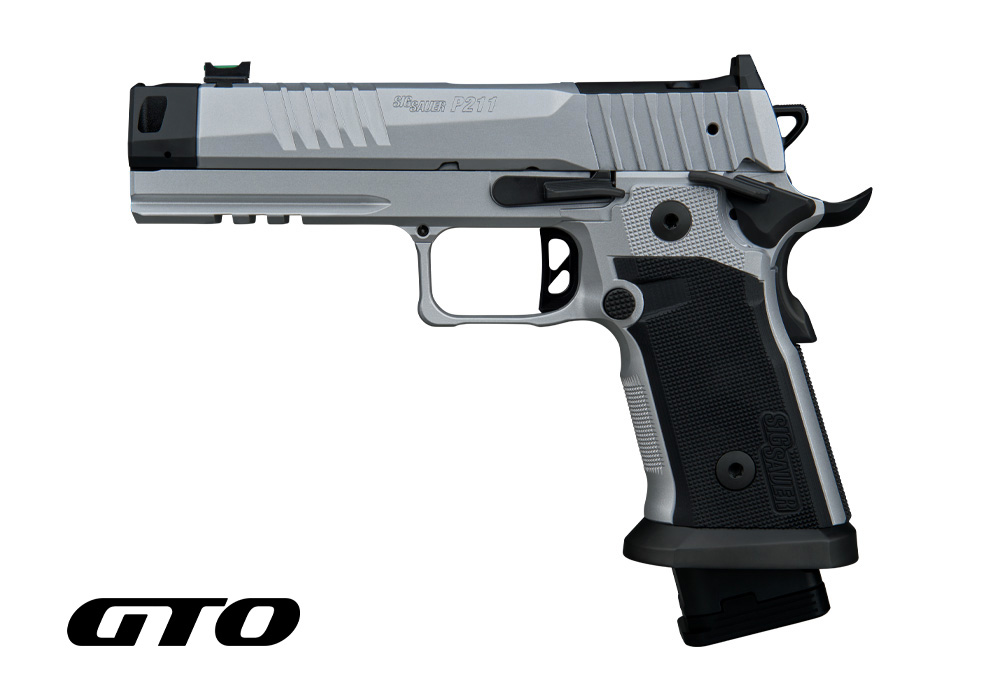
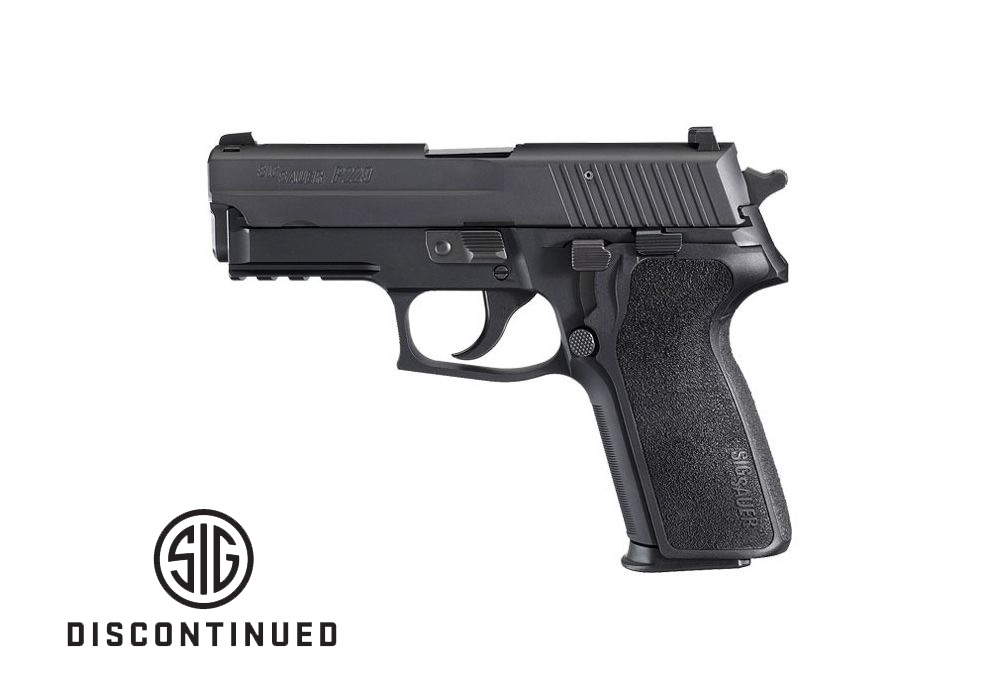
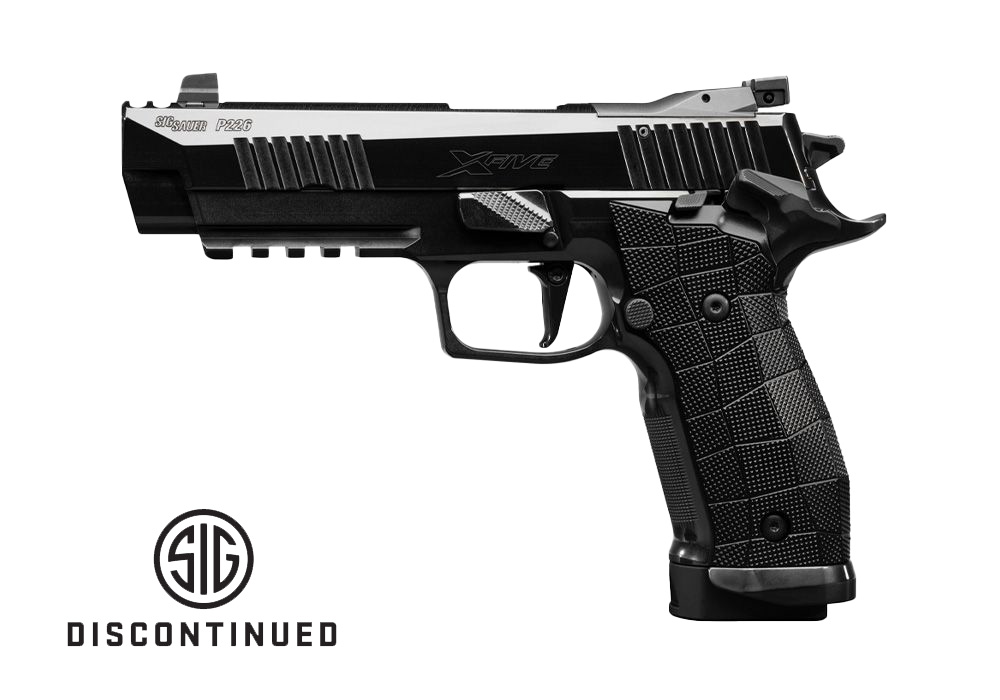
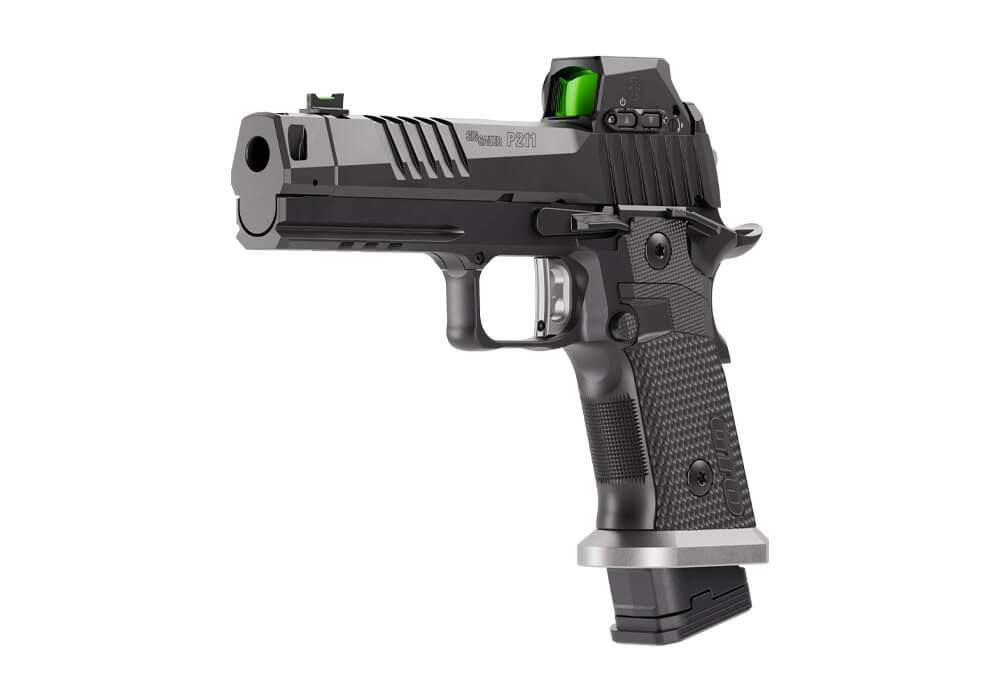
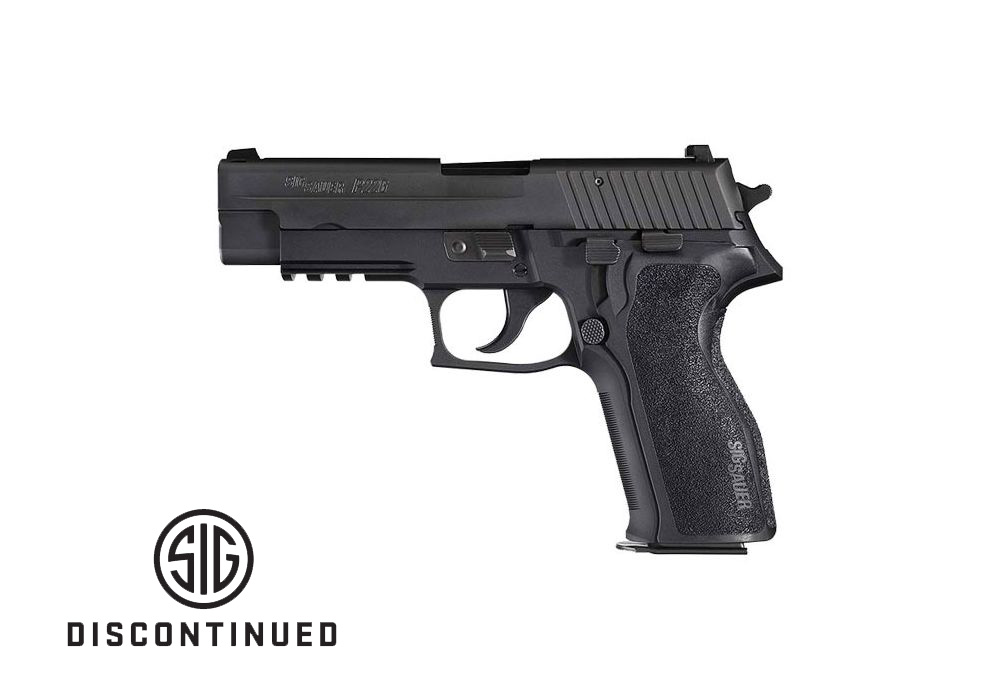
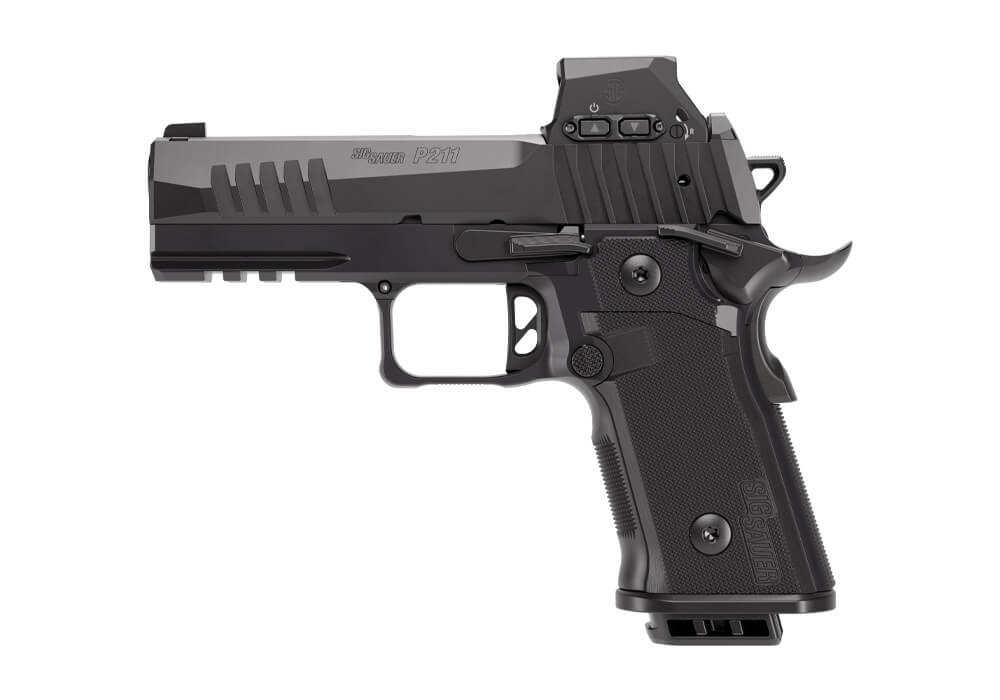
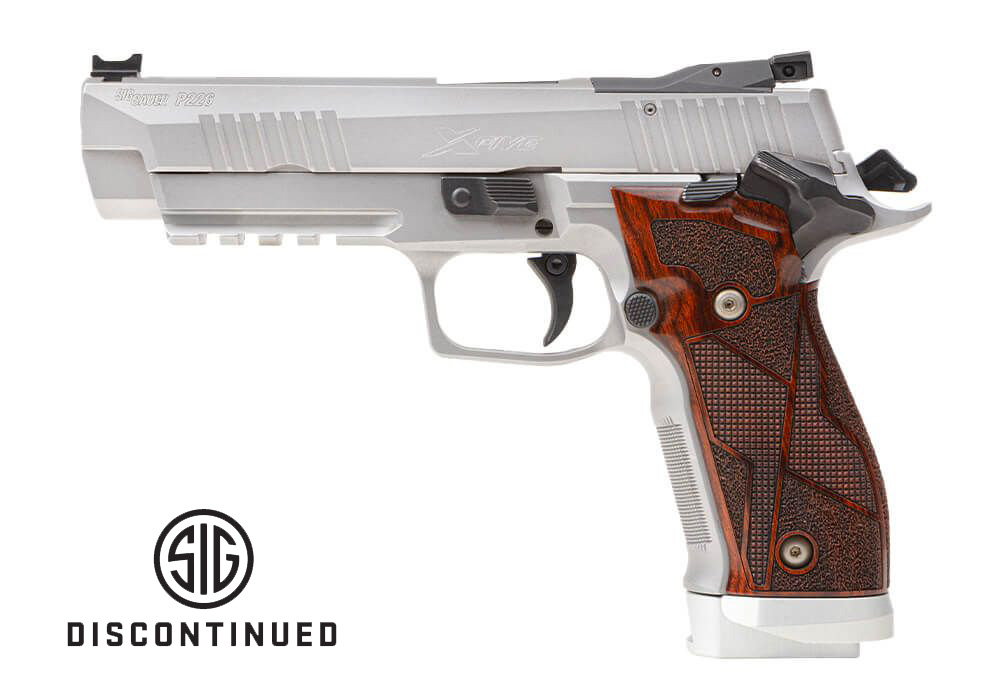
Hammer-fired 9mm pistols are semiautomatic handguns that use a hammer to strike a firing pin, initiating ignition of a chambered cartridge. Depending on the design, the hammer may be exposed or enclosed, and the trigger system may be double-action/single-action, single-action-only, or double-action-only. These distinctions shape the feel of the pistol more than the presence of a visible hammer alone. In a double-action/single-action system, the double-action trigger stroke both cocks and releases the hammer, while the single-action stroke releases a hammer that is already cocked. The slide typically cocks the hammer as the pistol cycles, producing a different trigger feel between the initial double-action stroke and subsequent single-action strokes. A single-action-only design releases an already cocked hammer through the trigger, while a double-action-only design uses a double-action trigger stroke for each shot. Exact operation varies by model, so the manufacturer’s documentation remains essential. Some designs include a manual safety, a decocking control, or a combination of controls; these features are not interchangeable, and their presence should never be assumed from appearance. An exposed hammer can provide visual or tactile information about hammer position, but that position does not establish whether the chamber is loaded or the firearm is safe to handle. For many recreational shooters, the appeal of this category lies in its mechanical character, distinct trigger feedback, and range of grip shapes and frame sizes. The 9mm chambering is common for recreational shooting, organized competition, and lawful personal protection, although recoil and handling still depend on the individual pistol, ammunition, and shooter. In this category, 9mm generally refers to 9mm Luger, but the firearm’s chamber markings and documentation determine the correct ammunition. Shoppers comparing ignition systems can also explore 9mm Striker Fired Pistols, which use a spring-loaded striker rather than a separate hammer. Neither mechanism alone determines accuracy, reliability, or suitability; the complete design and its fit to the individual matter more than the category label.
Materials, dimensions, and grip geometry give hammer-fired 9mm pistols noticeably different personalities. Steel frames often bring additional weight and a substantial feel, while aluminum-alloy frames can reduce weight without moving away from a metal-frame construction. Polymer-frame designs offer another approach to weight and grip shape. No single frame material guarantees greater durability or better handling, because engineering, component quality, maintenance, and use all influence long-term performance. Protective finishes help shield metal surfaces from wear and corrosion, but contact points, exterior edges, and areas exposed to perspiration still deserve regular attention. A full-size pistol generally provides more grip surface and a longer sight radius with iron sights, along with additional weight that can influence perceived recoil. A compact configuration can be easier to accommodate in a suitable carry setup, though its shorter grip may feel crowded in larger hands. Those tradeoffs become clear when the same person handles different frame sizes under qualified supervision: a grip that looks comfortable in a photograph may place the trigger too far forward or leave a control awkward to reach. Grip circumference, backstrap contour, trigger reach, and the space beneath the trigger guard all contribute to fit. Texture matters as well. A sharply textured grip can feel secure during an extended range session yet less comfortable against the body during lawful concealed carry. Controls should be evaluated for the intended user, including whether the layout accommodates left-handed handling or requires a different approach. Sights deserve similar attention, with visibility, contrast, and compatibility with the shooter’s vision often proving more useful than appearance alone. Where an optic-ready configuration is offered, mounting requirements and sight compatibility are design-specific. Holster fit is equally particular: frame size, slide profile, accessory rails, and mounted equipment can affect compatibility. A suitable holster must securely retain the firearm and fully cover the trigger guard, rather than merely resemble the correct shape. Comfortable handling comes from the relationship among these details, not from one isolated specification.
Intended use helps put those physical differences into perspective. A recreational shooter spending an afternoon on a supervised range may appreciate a full grip, clearly defined sights, and enough weight to keep the pistol comfortable through a longer practice session. Someone participating in organized competition may need a configuration that meets the applicable equipment rules, while a person considering lawful personal protection must account for secure storage, suitable equipment, training, and local requirements. Hammer-fired designs can appeal to experienced owners who already understand a particular trigger system, as well as newer shooters willing to learn its controls through qualified instruction. Familiarity should not be mistaken for automatic proficiency, especially when moving between trigger systems or between pistols with different safety and decocking arrangements. Consistent handling habits and a clear understanding of the individual firearm remain essential. Ownership also involves routine care beyond an occasional exterior wipe. Residue, lint, perspiration, and ordinary handling can affect surfaces and working areas, so cleaning and lubrication should follow the manufacturer’s schedule and procedures. More lubricant is not necessarily better, and cleaning products must be compatible with the firearm’s finishes, grip materials, and other components. Routine inspection can reveal unusual wear, corrosion, damaged magazines, or components that require professional evaluation. Any concern about function belongs with a qualified armorer or gunsmith rather than an improvised repair. Durable construction supports years of use, but no mechanical system is exempt from inspection or service. Secure storage is part of that long-term care: firearms should be unloaded and locked against unauthorized access, with ammunition secured separately and all applicable laws observed. For households with children, visitors, or shared living spaces, storage arrangements deserve particular attention before a firearm enters the home. The lasting value of a hammer-fired 9mm pistol comes from how well its dimensions, controls, construction, and maintenance requirements suit its owner. A thoughtful match supports comfortable practice, responsible ownership, and a clear understanding of the firearm’s operation over time.