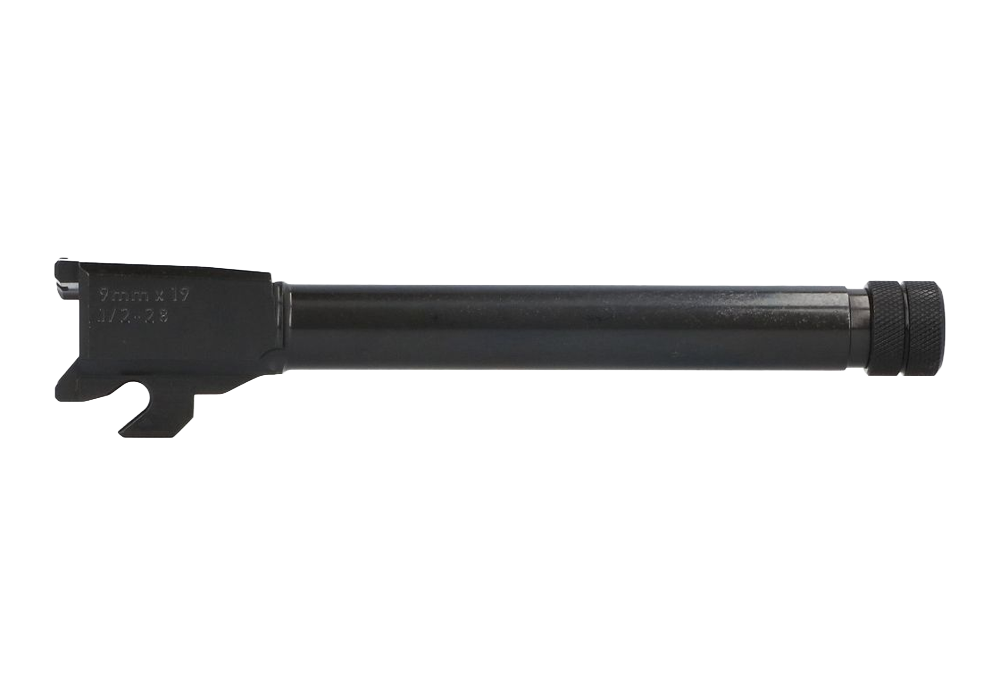
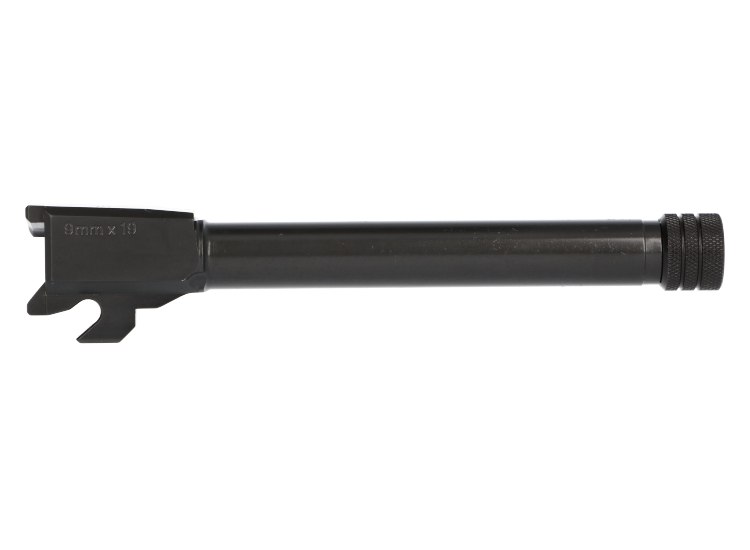
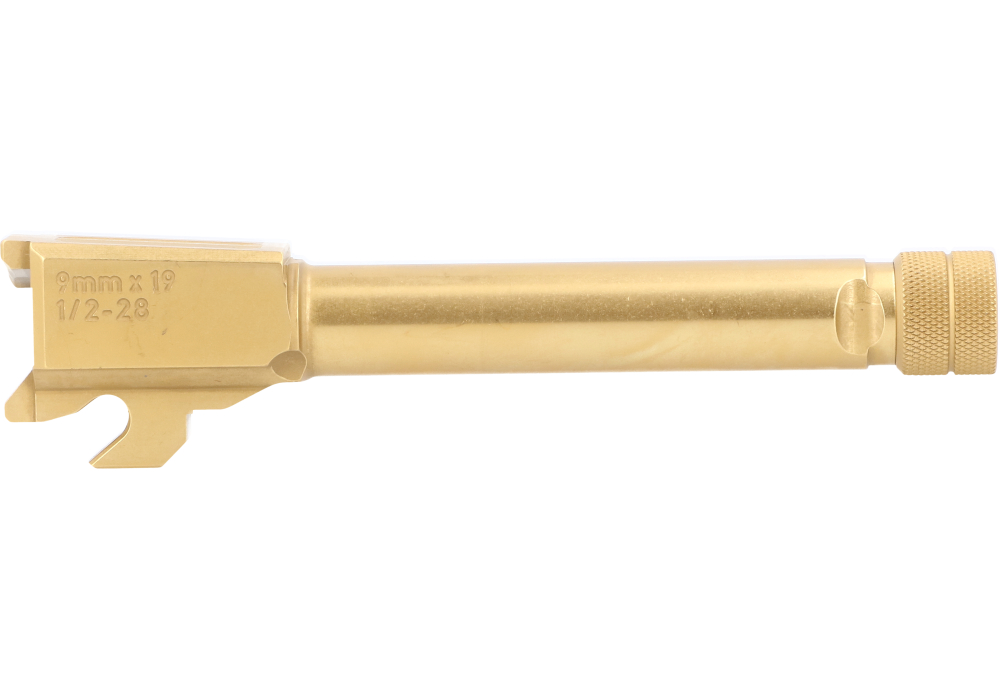
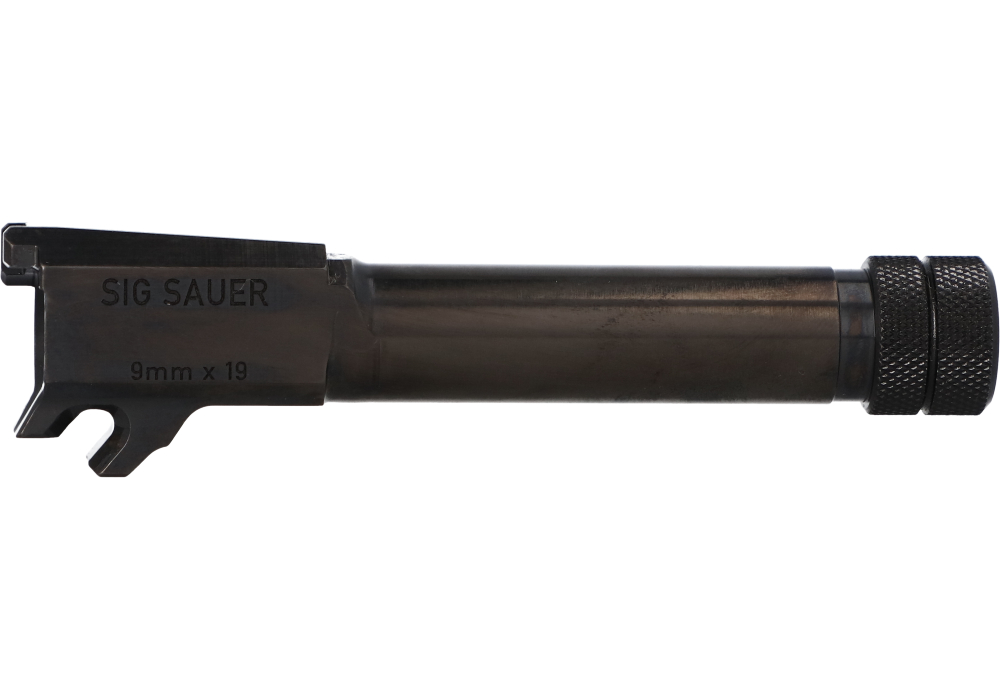
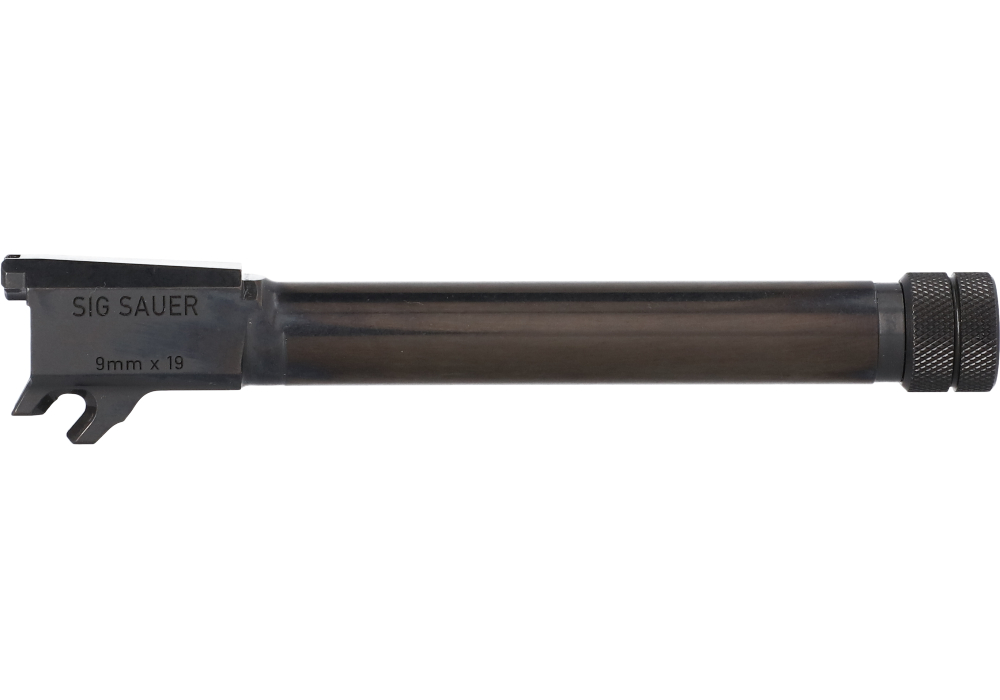
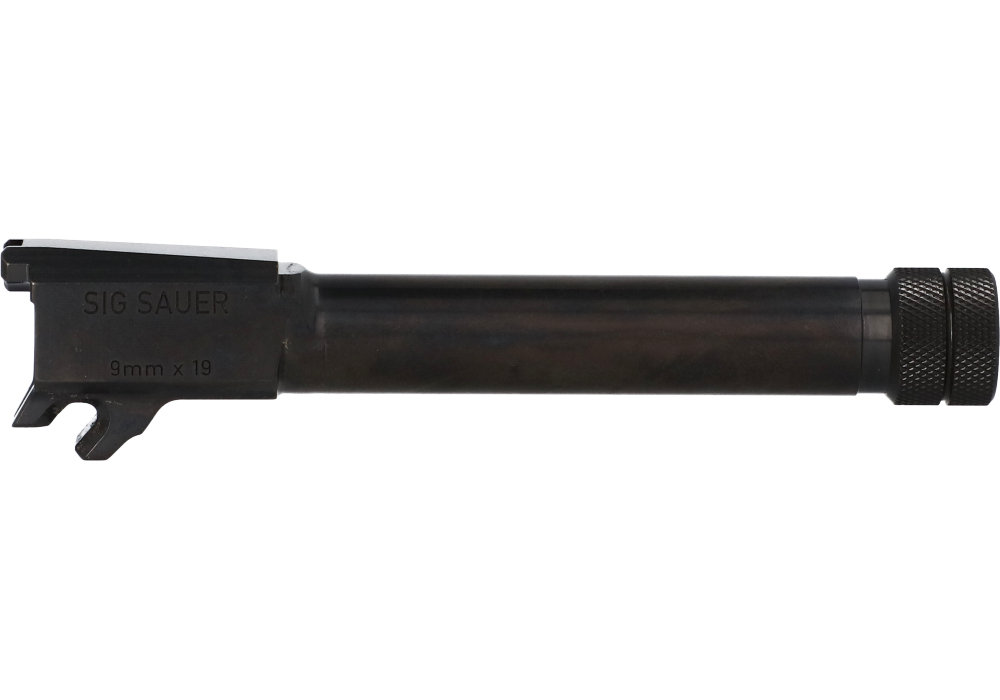
Threaded 9mm barrels bring an additional compatibility consideration to the familiar choices of firearm fit, barrel length, and construction. External threads at the muzzle provide an attachment point for a compatible suppressor or other muzzle accessory, but the barrel, firearm, and accessory must all meet their manufacturers’ requirements. For fall shooting, that distinction matters whether the plan involves an afternoon at an outdoor range, organized target practice, or regular visits to an indoor shooting facility. A crisp morning, a damp shooting bench, and a range bag packed for several hours of practice place practical demands on equipment without changing the fundamentals of correct fit. The most useful starting point is the exact firearm model and generation, not simply the 9mm chambering. Barrels that look similar can differ in chamber dimensions, exterior profile, locking surfaces, and overall length. Handgun barrels and pistol-caliber carbine barrels also belong to different platform families and should never be treated as interchangeable. The commonly encountered 1/2x28 thread specification describes one muzzle-thread configuration, not a universal compatibility standard. Matching that designation alone does not confirm that a particular accessory is suitable for a firearm. Thread length, mounting requirements, and the firearm’s operating system can also matter, so the relevant manufacturer documentation deserves more attention than a familiar-looking specification. Some threaded barrels are intended as direct replacements for designated models, while others require professional fitting; the product description should clearly establish which applies. For recreational shooters, experienced firearm owners, and participants in organized range activities, a well-matched barrel is a component selected for a defined purpose rather than a cosmetic change. Suppressor use also carries separate legal and equipment requirements, and a threaded barrel by itself does not establish that a firearm is ready for that use. Clear compatibility information helps keep the focus on dependable function and an appropriate setup for the intended range activity.
Materials and surface treatments help distinguish threaded 9mm barrels, particularly when outdoor practice includes moisture, dust, and repeated handling. Stainless steel and other barrel steels can provide durable construction, but the steel designation is only part of the picture. Manufacturing quality, dimensional consistency, surface treatment, and proper care all influence how a barrel holds up over time. Stainless steel can resist corrosion without being immune to it, while a dark surface treatment may offer protective benefits that depend on the underlying material and the treatment itself. A nitride-treated surface, for example, should be evaluated according to the manufacturer’s description rather than appearance alone. Attractive machining and a uniform finish can be useful signs of attention to detail, yet they do not replace documented fit or sound quality control. The bore, chamber, muzzle, and threads each have a role in the barrel’s intended function, making construction details more meaningful than decorative styling. Exterior finishes also change how visibly fingerprints, residue, and handling marks appear after a range session. For someone who regularly shoots from a covered bench beside a gravel firing line, easy inspection and straightforward upkeep may matter more than a distinctive color. Dimensions deserve the same practical attention. A threaded muzzle typically extends beyond the slide on a handgun, which can affect clearance in certain holsters, cases, and storage arrangements. Overall barrel length should therefore be considered alongside the firearm’s intended use and existing equipment. Shoppers comparing larger handgun configurations can also explore Full Size 9mm Barrels for Fall Upgrades while keeping exact model compatibility central to the decision. A full-size designation describes a general firearm category; it does not guarantee that two barrels share the same dimensions. Likewise, a longer barrel does not automatically promise better accuracy, and threading alone says nothing about ammunition suitability. Clear specifications and realistic expectations are more valuable than broad performance labels when choosing a component for regular practice.
Care and storage round out the picture for threaded 9mm barrels used through fall and winter. Moisture can arrive as light rain at an uncovered range, condensation after travel, or damp fabric inside a range bag. Leaves and fine grit on a bench can also find their way onto exposed equipment. Those ordinary conditions make routine inspection and manufacturer-recommended cleaning worthwhile, especially before equipment returns to long-term storage. With the firearm unloaded and handled according to established safety practices, maintenance should follow the instructions for the firearm, barrel, finish, and any compatible accessories. Cleaning products suitable for one surface are not necessarily appropriate for every coating or component, and aggressive treatment is not a substitute for the correct care method. Exposed muzzle threads deserve protection from dirt and physical damage; an appropriate thread protector can help when no accessory is attached. Its compatibility matters just as much as the barrel’s, and it should be used according to the manufacturer’s directions. Visible damage, unusual wear, or uncertainty about fit calls for evaluation by a qualified gunsmith rather than an improvised adjustment. A barrel also remains part of a larger system: ammunition selection, maintenance history, and firearm condition all influence the shooting experience. No barrel should be expected to resolve unrelated reliability problems, and no suppressor eliminates the need for appropriate hearing protection. For a regular range visitor, these considerations translate into a sensible ownership routine: suitable equipment, protected transport, consistent care, and attention to changes in condition. As a gift for an experienced adult firearm owner, a threaded barrel requires more advance knowledge than a general-purpose range accessory. The recipient’s exact firearm configuration, intended use, and applicable legal requirements should be established before a selection is considered. Whether the goal is organized target practice or a quieter-paced afternoon working through familiar range exercises, threaded 9mm barrels are best understood through their fit, construction, and upkeep. Those lasting qualities remain relevant beyond any single fall outing and support informed choices throughout the shooting season.