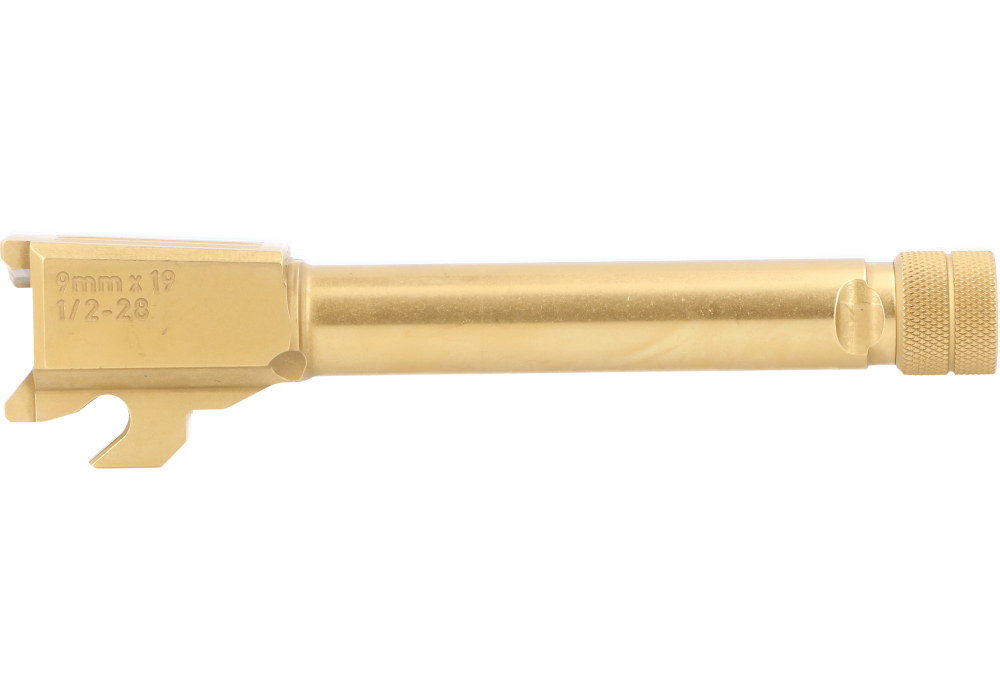
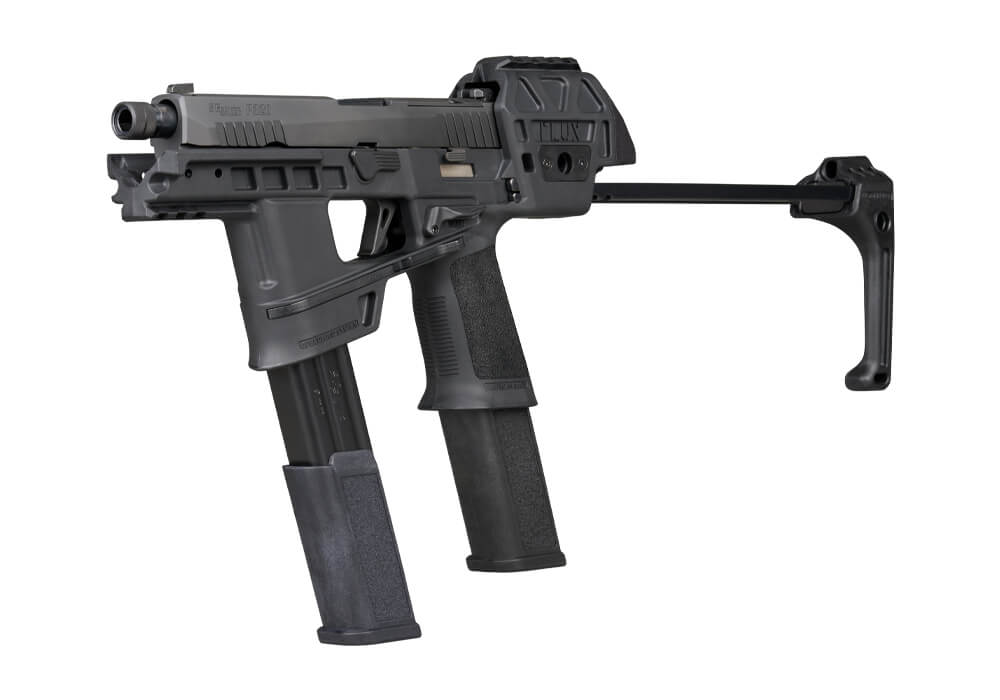
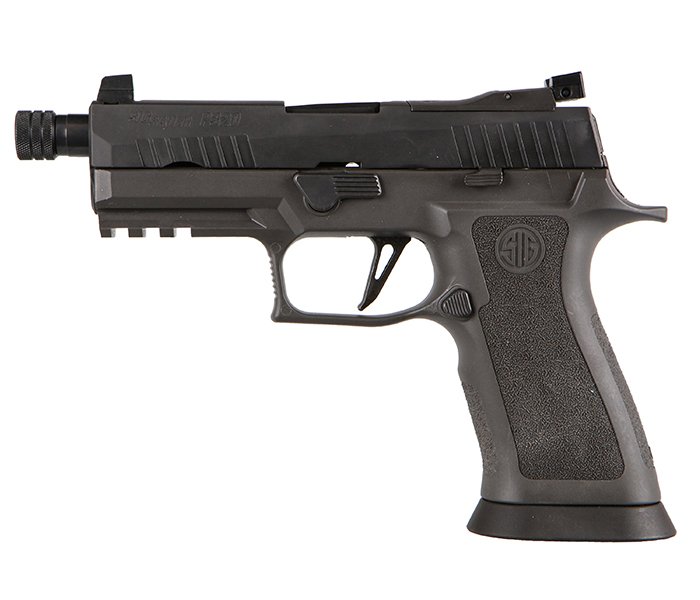
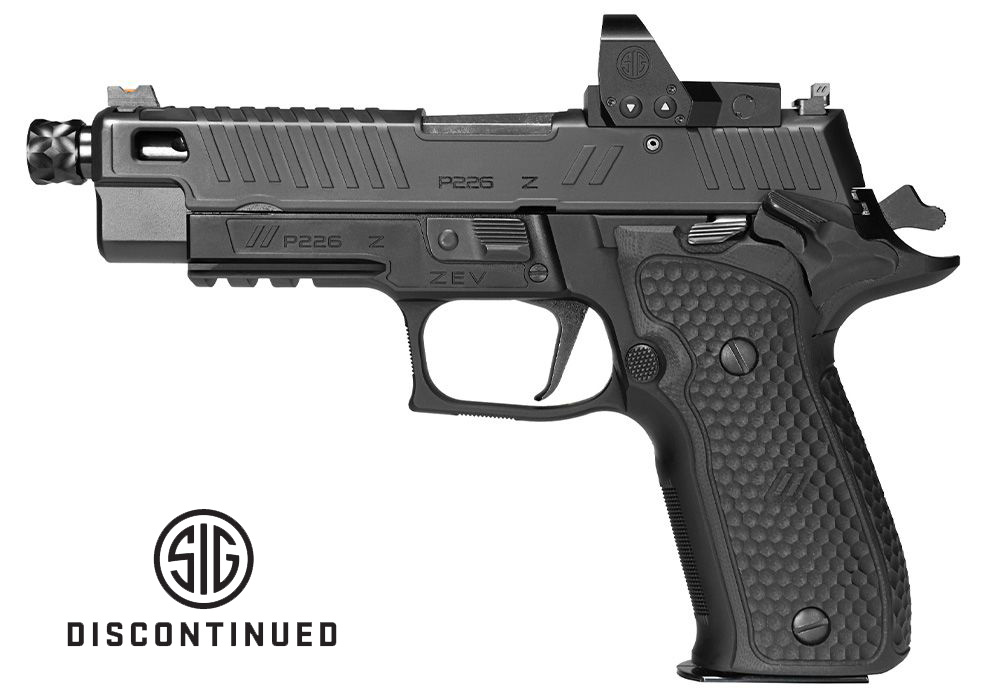
Threaded barrels for 9mm handguns are a practical upgrade for range sessions, training days, and responsible recreational shooting around July 4th events. A threaded barrel adds external muzzle threads to a compatible 9mm pistol, allowing the user to install certain muzzle devices such as a suppressor, compensator, or flash hider. For many shooters, the appeal is flexibility: one barrel can support a familiar handgun setup while making it possible to explore additional configurations when local law, equipment compatibility, and range rules allow. A compatible suppressor may help reduce the report and muzzle flash of a firearm, although it does not make a firearm silent and hearing protection remains important. A compensator may help manage muzzle movement by redirecting expanding gases, which can be useful during structured practice or competition-oriented training. A flash hider can reduce visible flash in some conditions. Each device serves a different purpose, so the right choice depends on how the handgun will be used, the shooter’s experience, and the requirements of the range. When browsing threaded 9mm barrels for July 4th events, begin with the exact handgun model, generation, slide configuration, and barrel length. A threaded barrel is not universally compatible with every 9mm pistol, even when the caliber is the same. Details such as locking geometry, fit, finish, overall length, and thread protection can affect installation and reliable operation. Many 9mm pistol barrels use a 1/2x28 thread pitch, but that specification should never be assumed without confirming the manufacturer’s information for the specific barrel and muzzle device. Some setups also require a thread protector or a piston and booster assembly when used with a suppressor. Careful matching matters more than appearance; the muzzle device must align properly with the bore, and the barrel must seat and function correctly in the intended handgun.
A threaded 9mm barrel can be useful for an experienced handgun owner preparing for an outdoor range day, a holiday gathering that includes lawful recreational shooting, or a cooler-season training session when the pace is deliberate and equipment checks are easier to manage. It may also be a thoughtful gift for a knowledgeable shooter, but compatibility should be confirmed before purchase. An accessory that looks suitable in a catalog may not fit a recipient’s handgun, and details such as an optic-ready slide, compact frame, suppressor-height sights, or an aftermarket recoil system can affect the appropriate selection. If the barrel is intended as a gift, a model-specific gift card or a conversation about the recipient’s exact handgun can prevent an expensive mismatch. For personal purchases, compare the barrel’s listed specifications with the owner’s manual and the markings or documentation for the firearm. Review whether the barrel is intended as a direct replacement, whether any fitting is recommended, and whether the user’s chosen muzzle device requires additional components. Installation on many compatible pistols involves field-stripping the handgun and replacing the factory barrel, but that does not mean every installation is identical or that every barrel is automatically drop-in ready. The firearm should be unloaded, the magazine removed, and the chamber checked before any work begins. After installation, function checks should follow the manufacturer’s instructions, and live-fire testing should begin at a controlled range with appropriate eye and ear protection. A qualified gunsmith can be especially helpful when fit is uncertain, the pistol has been modified, or the barrel does not move smoothly into the correct position. These precautions are useful whether the barrel is being prepared for a bright summer celebration, an organized match, or quiet practice during the cooler months.
Before ordering, confirm the laws that apply to the buyer’s location, as threaded barrels and related muzzle devices may be restricted or prohibited in some jurisdictions, particularly when installed on certain semiautomatic handguns. Regulations can differ by state, county, city, firearm configuration, and intended use, and they may address possession, sale, installation, or transport separately. Rules can also change, so checking current official state and local sources is an essential part of the purchase process. A retailer’s availability does not replace the buyer’s responsibility to verify legality. It is also wise to review range policies before bringing a threaded setup to a July 4th event or any other public shooting activity; some facilities limit suppressors, require advance notice, or prohibit particular muzzle devices. Shooters should transport and store the handgun and barrel in accordance with applicable law, use a secure case, and keep ammunition separate when required. For additional seasonal selection and related considerations, browse Threaded 9mm Barrels for Fall Shooting. Whether the goal is to prepare a trusted 9mm pistol for a permitted suppressor setup, manage muzzle rise with a compatible compensator, or simply keep a replacement barrel available for a well-maintained range handgun, the best purchase is the one that matches the firearm precisely and supports safe, lawful use. Taking a few extra minutes to verify thread pitch, barrel fit, muzzle-device requirements, and local regulations helps turn a seasonal purchase into dependable equipment for training and recreation well beyond the holiday.