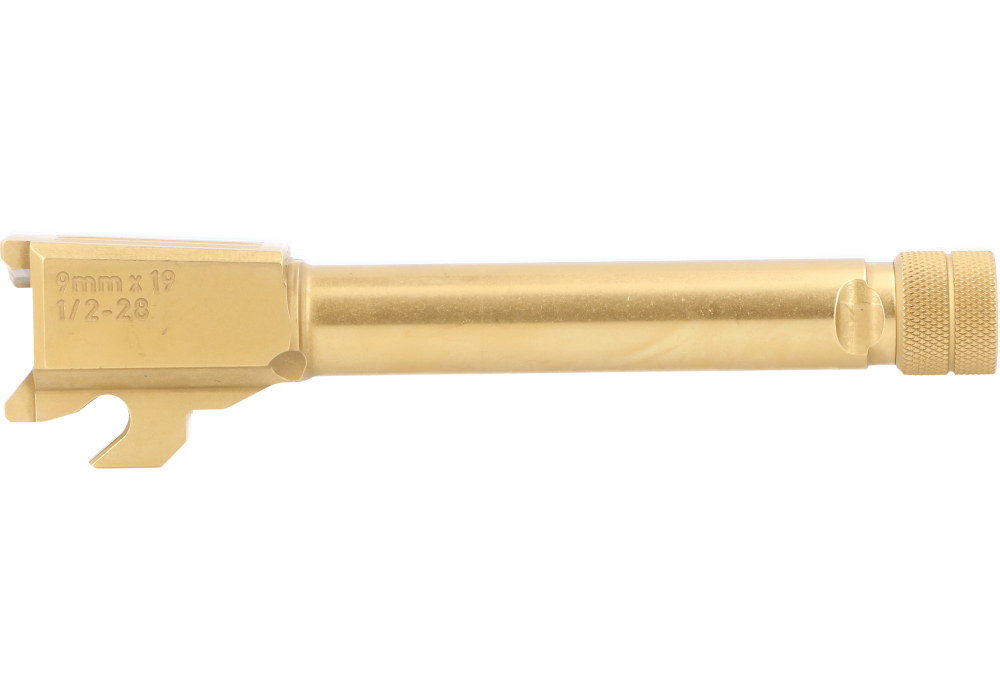
Threaded barrels are a practical upgrade for shooters preparing for a 4th of July range day, especially when a handgun is used with a compatible muzzle device. Unlike a standard barrel, a threaded barrel extends beyond the slide and provides external threads for attaching accessories such as suppressors or compensators. A suppressor can reduce the report of a shot when legally owned and properly installed, while a compensator can help redirect propellant gases to reduce muzzle rise and keep the sights closer to the target during rapid strings of fire. The barrel itself does not make a firearm quieter, and any change in sound or recoil depends on the attached device, ammunition, firearm configuration, and shooting environment. For a holiday range session, that flexibility can make a meaningful difference. The sharp crack of pistol fire carries across an open range, while a well-matched suppressor may make communication and concentrated practice more comfortable for everyone nearby. A compensator can be useful during drills that involve repeated presentations or controlled pairs, where a flatter-feeling pistol helps the shooter return to the sights with less interruption. These barrels are also a natural choice for owners who want one handgun to support different range setups throughout the year. During warmer outdoor sessions, a compensator may suit fast-paced practice; during cooler months at a private range, a suppressor-ready configuration may be preferred for a more measured pace. Shooters browsing this category may also want to explore 9mm Pistol Barrels for July 4th Sales when comparing barrel options for compatible 9mm platforms.
Compatibility should be the first consideration before selecting a threaded handgun barrel. A barrel must be made for the exact firearm model, size, and operating configuration, since compact, carry, full-size, and competition-oriented pistols can use different barrel dimensions and locking systems. The thread pitch is equally important. Common specifications include 1/2x28, but that measurement should never be assumed simply because two barrels share the same caliber. The muzzle device must use the matching thread pattern, and the shoulder of the barrel must provide proper support for the accessory. Buyers should also confirm whether the barrel uses standard or extended capacity magazines only as relevant to the firearm setup, while remembering that the barrel itself does not change magazine capacity. Before ordering, compare the manufacturer’s listed model compatibility, caliber, overall length, thread pitch, and finish with the specifications of the intended pistol and muzzle device. It is wise to inspect the barrel and accessory for clean, undamaged threads and to use the appropriate mounting method recommended by the accessory manufacturer. A suppressor or compensator should be secured without forcing mismatched threads, and alignment should be checked carefully before firing. If the fit is uncertain, a qualified gunsmith can verify the installation and inspect for alignment concerns. Many modern pistols allow a barrel to be changed during normal field-stripping, but “easy installation” does not mean that every configuration is automatically safe or suitable. Work only with an unloaded firearm, follow the owner’s manual, and perform a careful function check before going to the range. A first range session is best kept deliberate: fire a few rounds, inspect the mounting interface, confirm that the sights and point of impact remain suitable, and stop immediately if anything appears loose or unusual.
Threaded barrels can be a thoughtful gift for an experienced shooter who already owns a compatible handgun and has a clear use for a suppressor or compensator. They are less suitable as an impulse purchase for someone whose firearm model or local rules have not been verified. A useful gift choice begins with the recipient’s exact pistol model, caliber, and preferred range setup, followed by confirmation that the barrel can accept the intended muzzle device. Packaging a barrel with a quality case, thread protector, or maintenance supplies may make the present more practical, but the recipient should select any suppressor or other regulated accessory according to applicable requirements. Laws can vary significantly by state and locality, and some jurisdictions restrict threaded barrels or firearms equipped with certain features. Regulations may also differ between possession, installation, transport, and use, with additional requirements applying to suppressors. Review current federal, state, and local rules before purchasing or traveling, and use official sources or qualified legal professionals when the rules are unclear. Transporting a threaded-barrel pistol to a private range may involve different requirements than carrying it in public, so secure storage, unloaded transport, and compliance with range policies are essential. A July 4th range day often brings longer trips, more guests, and busier facilities, making preparation especially valuable. Keep the firearm unloaded until it is on the firing line, use appropriate eye and hearing protection, maintain safe muzzle direction, and follow every range command. With the correct barrel, a properly matched accessory, careful installation, and attention to the law, this setup can support comfortable, controlled practice from the bright outdoor days surrounding Independence Day through the cooler range sessions that follow.