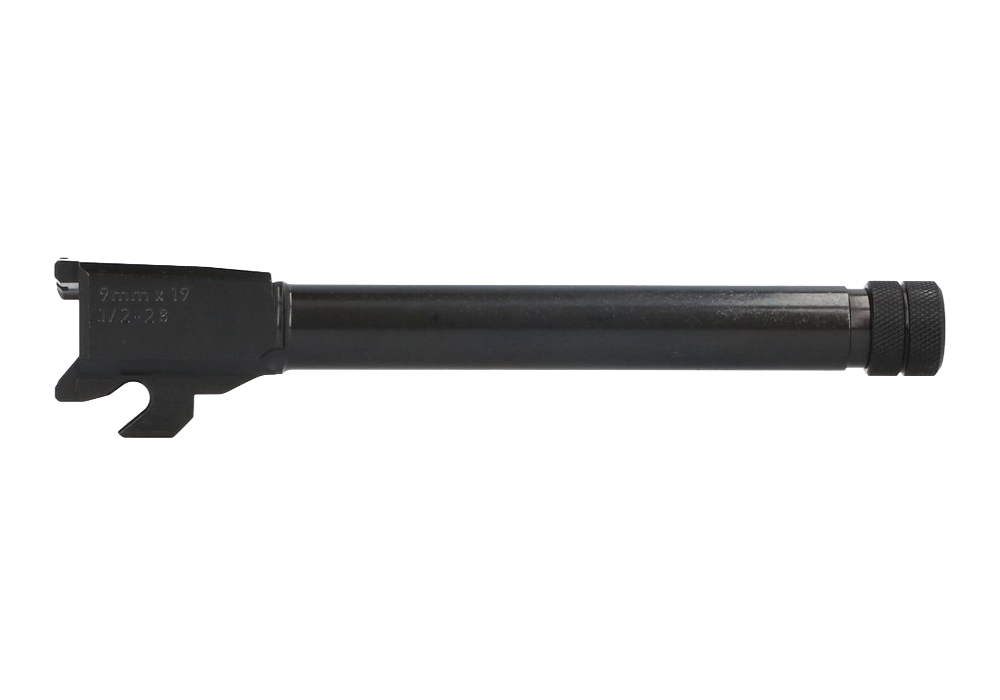
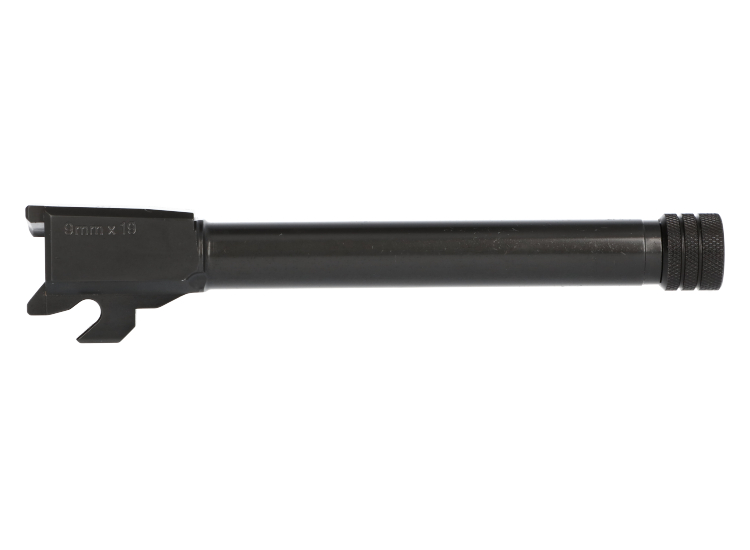
A 9mm pistol barrel can be a practical addition for handgun owners who want to maintain, replace, or configure a compatible pistol for a particular range setup. During Independence Day sales, barrel selections often receive added attention from shooters preparing for summer range days, refreshing a well-used handgun, or completing a parts project that has been planned for the cooler months ahead. The right barrel depends first on the exact pistol model and generation, since dimensions, locking surfaces, feed-ramp geometry, lug profiles, and fit can vary even among handguns chambered for the same 9mm cartridge. A barrel intended for one platform should not be assumed to fit another, and even closely related variations may require different specifications. Before purchasing, confirm the manufacturer’s compatibility information, the model designation, generation, slide configuration, and whether the barrel is intended for a standard or compact frame. It is also helpful to verify the intended barrel length and the type of use planned, whether that means routine practice, training, maintenance, or a competition-oriented setup. A properly matched barrel should seat correctly, lock up consistently, and function with the other components of the pistol as designed. Buyers who are replacing a worn barrel may also want to inspect the recoil spring, locking block, slide, and other contact surfaces, particularly if the handgun has seen frequent practice sessions or extended storage. For a new owner, a replacement barrel may be part of a broader maintenance plan; for an experienced shooter, it can be a sensible way to keep a trusted 9mm pistol ready for regular range use without changing the familiar controls, grip, or sight picture.
The most important distinction for many shoppers is between a standard barrel and a threaded barrel. A standard barrel is commonly selected as a direct replacement for a factory configuration and may be the simplest choice for a pistol used primarily with conventional ammunition and a standard slide. A threaded barrel extends beyond the slide and includes external threads for compatible accessories, but it must be selected with care because thread pattern, thread protection, barrel length, and accessory alignment all matter. Threaded configurations are often considered by owners who use approved muzzle devices or other compatible equipment, but any accessory must be matched to the barrel and installed according to the manufacturer’s instructions. A barrel’s finish and construction can also influence the buying decision. Corrosion-resistant finishes may be useful for pistols that are handled often, transported between the range and home, or stored during humid summer conditions, while a carefully machined barrel can support dependable cycling when paired with a properly maintained handgun. These components are not universal gifts in the way that range bags, hearing protection, or eye protection may be; fitment is highly specific, so a barrel is best purchased for a responsible adult who has already identified the exact pistol and configuration. If the purchase is intended as a present, confirming the model discreetly or selecting a gift card may prevent an otherwise thoughtful gift from becoming an incompatible part. Shoppers may also compare sale pricing, availability, return policies, and included components, checking whether thread protectors, fitting instructions, or other accessories are included. Promotional pricing around the 4th of July can make it a convenient time to compare standard and threaded options, but price should remain only one part of the decision. Correct fit, reputable specifications, and suitability for the intended firearm are more important than a dramatic discount.
Installation and inspection deserve the same attention as selection. A barrel is a critical operating component, and fitting should be performed by a qualified gunsmith when the part is not clearly designated as a direct, drop-in replacement or when the buyer is uncertain about compatibility. Before handling any pistol, remove the magazine, open the action, and visually and physically verify that the chamber is empty; ammunition should be kept separate from the work area. After installation, a qualified professional can check lockup, alignment, clearance, and function before the firearm is used for live fire. At the range, begin with appropriate eye and hearing protection, use quality factory-loaded 9mm ammunition that matches the firearm’s specifications, and follow all range rules and local requirements. Pay attention to unusual resistance, failures to feed or eject, changes in accuracy, or any sound or movement that seems abnormal; stop using the pistol and seek professional inspection if anything appears out of the ordinary. Owners should also follow the barrel and handgun manufacturer’s cleaning, lubrication, and storage guidance, since carbon, fouling, and neglect can affect reliability over time. A sound maintenance routine may be as simple as inspecting the bore, cleaning residue from the feed ramp and locking surfaces, applying only the recommended amount of lubricant, and storing the unloaded firearm securely away from unauthorized users. Those preparing a complete carry or range setup can also browse 9mm Pistols For July 4th Carry while comparing compatible equipment. As warmer days give way to cooler months, a correctly selected and professionally installed 9mm barrel can help keep a familiar pistol ready for responsible practice, maintenance, and lawful use throughout the seasons.