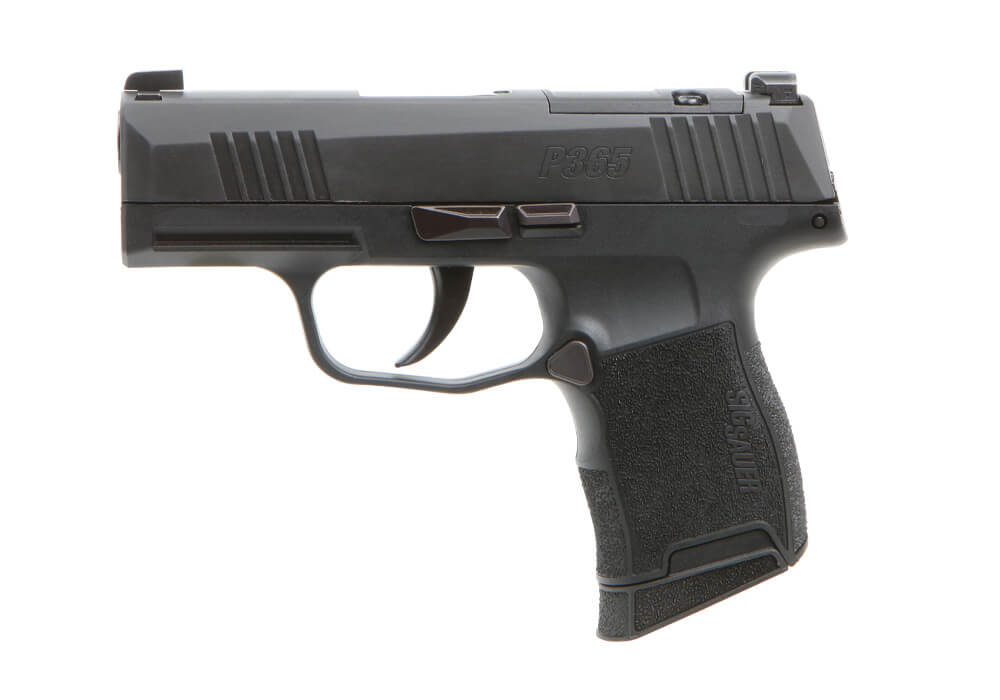
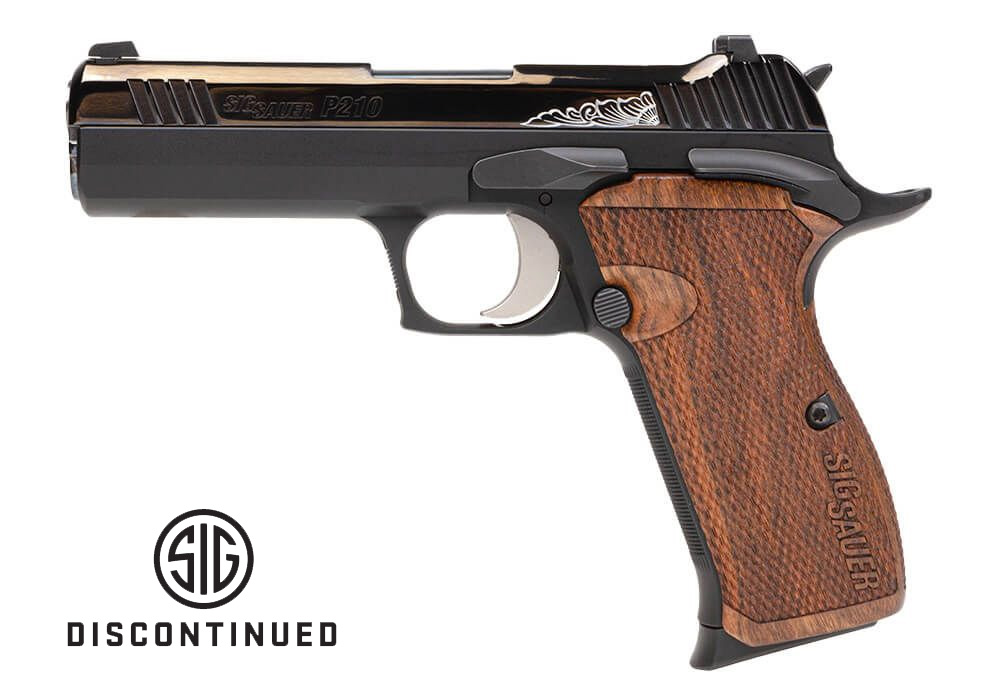
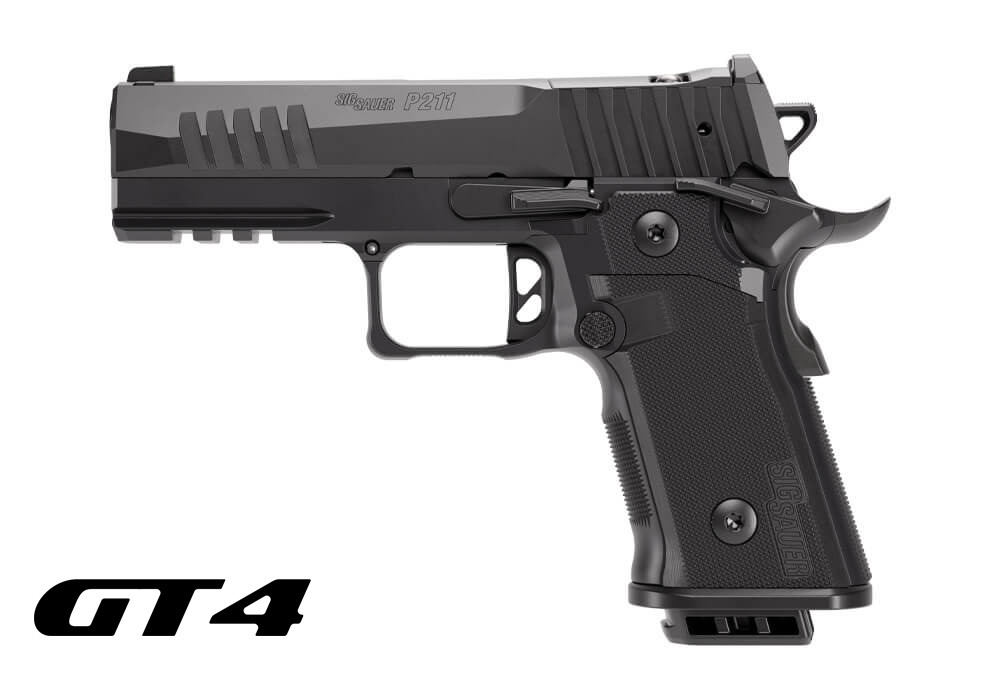
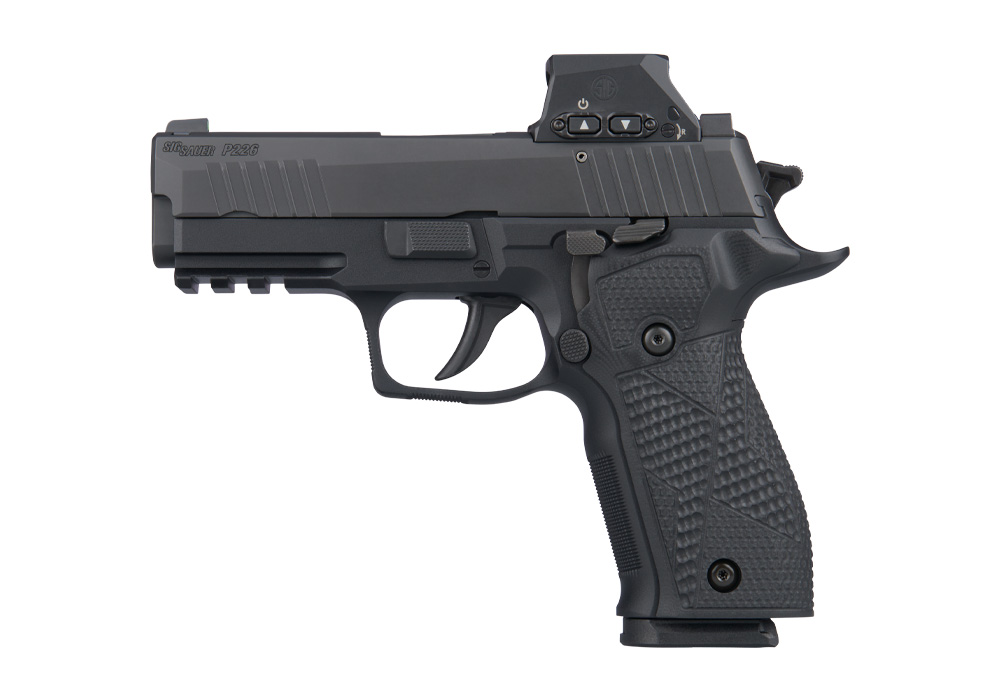
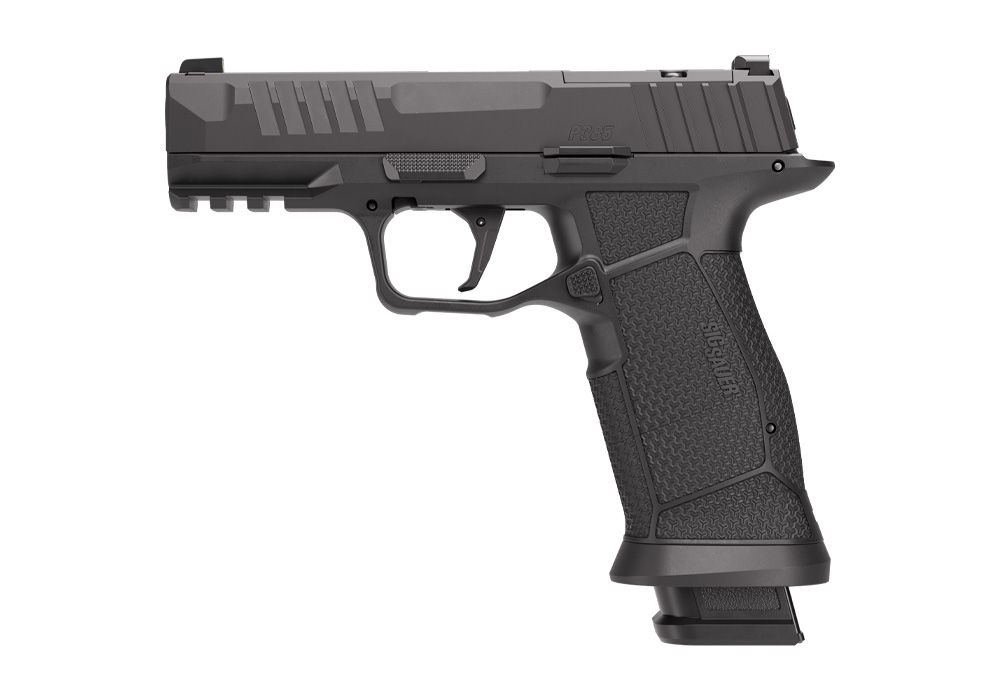
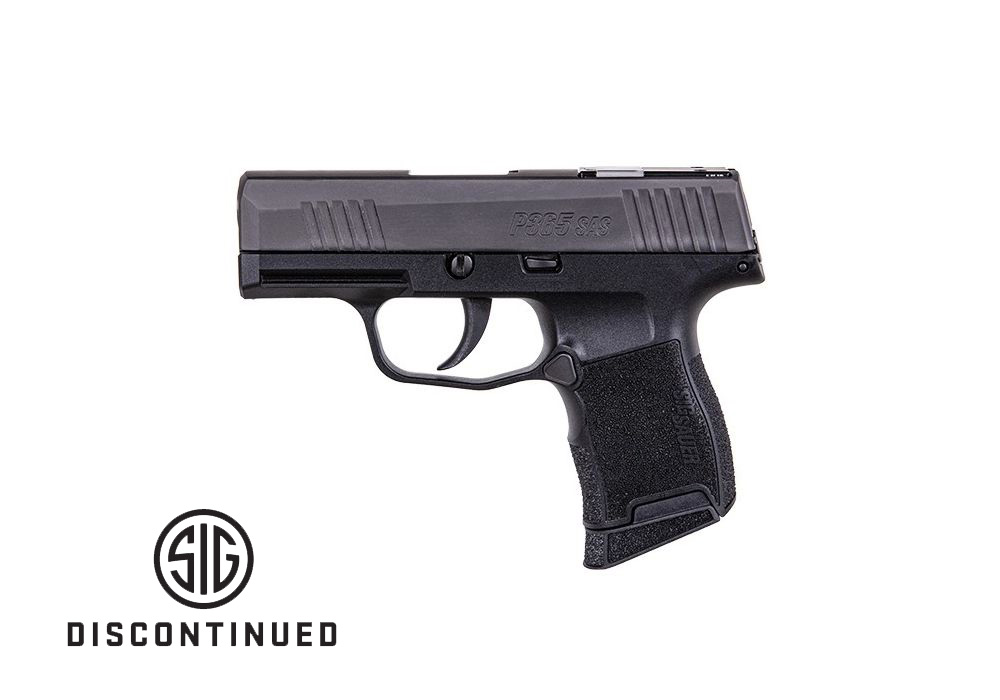
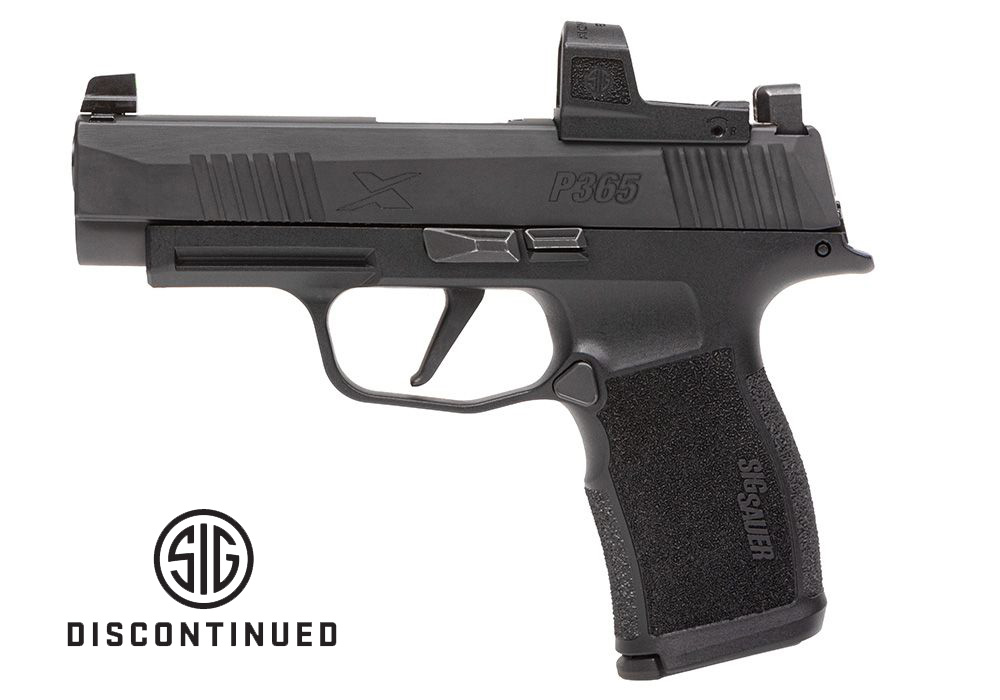
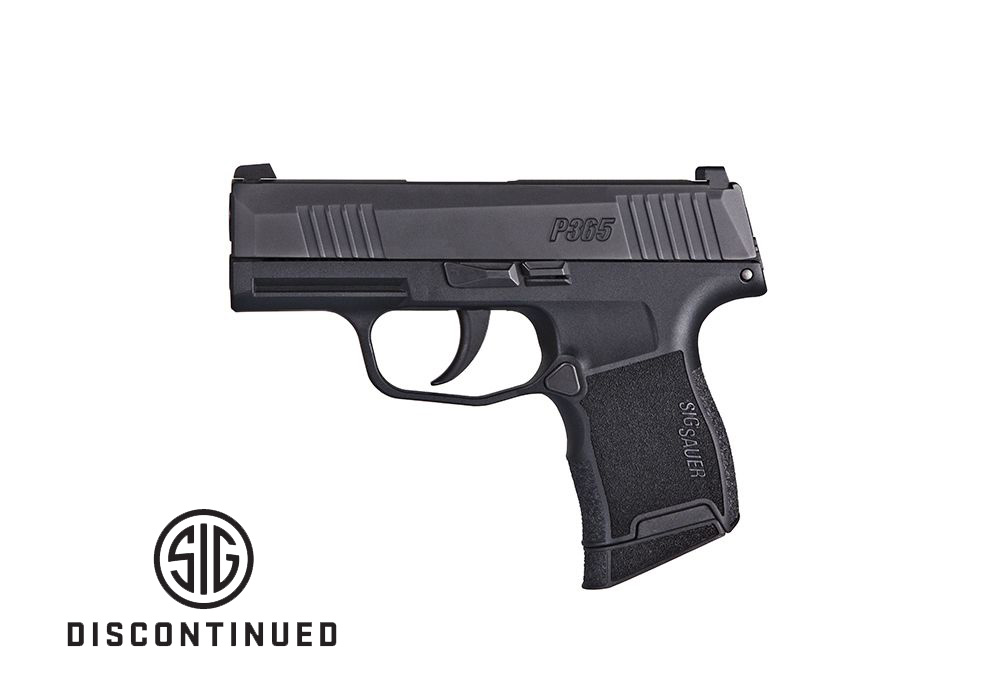
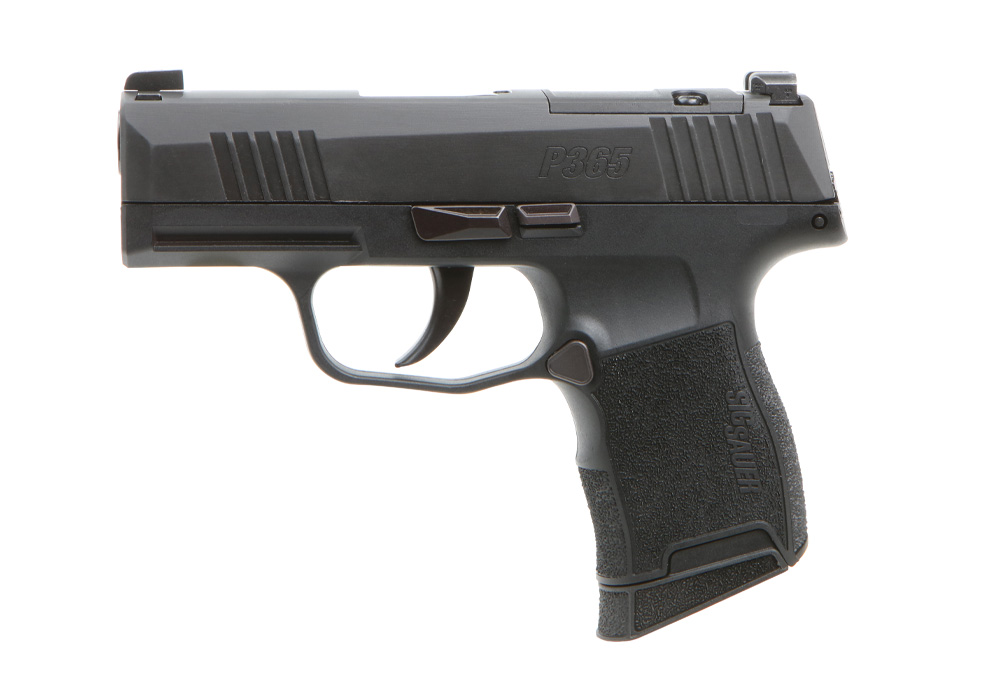
Compact and micro-compact 9mm pistols are common choices for lawful Fourth of July carry because their smaller dimensions can suit everyday clothing while retaining the familiar controls and handling of a semiautomatic handgun. Within this category, meaningful differences include overall size, unloaded weight, grip length, frame material, sight configuration, and holster compatibility. Those details matter more than a compact label alone. A shorter grip can fit differently beneath a lightweight shirt, while a longer grip may provide more room for the hand. A slim frame may feel comfortable at the waist, but a slightly broader profile can offer a more natural fit for some shooters. For adults who lawfully carry, the right balance depends on body shape, clothing, experience, and the places a holiday schedule might include. A long drive, time spent seated at a family gathering, and a walk through an outdoor shopping district place different demands on comfort and secure retention. Independence Day plans can also involve venues where firearms are restricted, so lawful carry requires attention to state and local requirements, posted rules, and private-property policies. No pistol size or accessory changes those obligations. The practical appeal of a 9mm carry pistol extends beyond the holiday: the same handgun may serve for routine lawful personal protection and regular range practice. That ongoing role makes manageable dimensions, accessible controls, and a comfortable grip especially relevant. A pistol that feels compact in a display setting can feel quite different once paired with a belt, holster, and ordinary clothing. Looking at the complete combination gives a clearer picture of everyday suitability than comparing handgun dimensions in isolation. For this category, compactness is one part of the decision rather than the entire purpose, and a familiar, well-fitting setup has more lasting value than a feature chosen only for its appearance.
Materials and construction influence how a carry pistol feels against the body, how it responds to routine use, and what care it requires. Polymer frames are often lighter than comparable metal frames, while metal construction can provide a different sense of balance and weight. Neither material determines suitability on its own; overall dimensions, grip shape, surface texture, and the finished handgun’s weight all contribute. A textured grip should provide a secure hold without feeling unnecessarily abrasive against clothing or skin. Grip contours also deserve attention, particularly for people whose hands feel crowded on a very short frame or stretched around a wider one. Where adjustable grip components are part of a design, they can offer another way to accommodate different hand shapes. Fit includes access to the trigger and controls without an awkward change in hand position, along with sufficient clearance for the shooter’s fingers. These are individual considerations rather than qualities that can be ranked by size alone. Sight configurations bring another distinction to the category. Traditional sights present a straightforward arrangement, while optics-ready designs provide a mounting provision for a compatible sighting device. Compatibility remains specific to the handgun, mounting system, and accessory; an optics-ready description does not mean every combination will fit. Added components can also change holster requirements and the space needed around the slide. Finish quality matters wherever metal encounters perspiration, humidity, or repeated contact with a holster. Corrosion-resistant treatments help protect surfaces, but they do not eliminate maintenance. A durable carry pistol benefits from consistent inspection and care, especially after extended wear outdoors. For an experienced owner replacing a familiar handgun, small differences in control placement or grip geometry can be noticeable. For a newer owner, qualified instruction and an opportunity to evaluate fit in a supervised setting can help put specifications into context without treating the smallest or lightest option as an automatic choice.
A dependable carry arrangement includes more than the handgun. A holster designed for the exact firearm configuration should fully cover the trigger guard, retain the pistol securely, and remain stable during ordinary movement. Fit must account for any installed accessories rather than relying on a broadly similar shape. A supportive belt and compatible clothing can contribute to comfort, but they cannot correct an unsuitable holster. Time spent sitting in a vehicle, bending to pick up a bag, or moving between indoor and outdoor settings can reveal pressure points that are not obvious while standing still. Any fit checks or adjustments should follow the firearm and holster manufacturers’ safety instructions, with ammunition kept separate during unloaded handling. Routine ownership also includes cleaning, lubrication, and inspection according to the manufacturer’s manual. Lint, perspiration, and surface moisture are ordinary concerns for a handgun worn close to the body, and exterior finishes still need attention even when the pistol has not been fired. Magazines, sights, fasteners, and holster attachment points should be inspected as directed, with worn or damaged components addressed by a qualified professional when appropriate. Ammunition must match the firearm’s specified chambering, and range practice belongs at a suitable facility under its safety rules. Secure storage is equally important when a handgun is not being carried, particularly in homes with children, visitors, or anyone prohibited from accessing firearms. Holiday travel adds another reason to plan ahead for transportation and storage requirements rather than improvising at a destination. The related 9mm Pistols For Memorial Day collection provides another holiday-focused view of this handgun category. Across either occasion, the lasting considerations remain fit, reliable function, responsible handling, and suitability for lawful intended use. A thoughtfully chosen 9mm pistol should fit an owner’s established routines, with regular training and care supporting its role well beyond a single celebration.