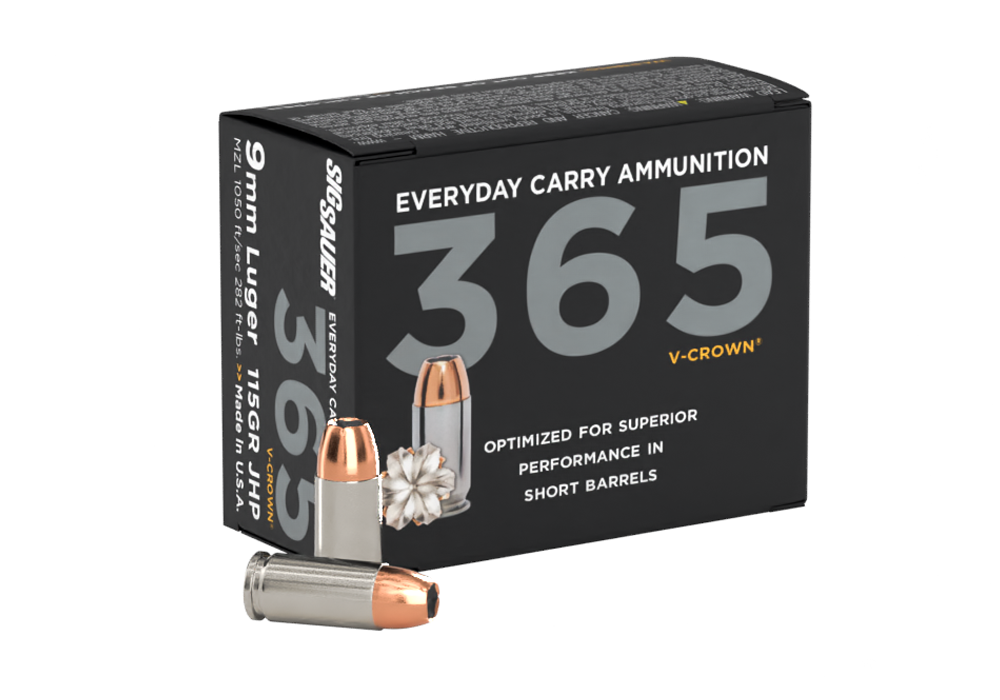
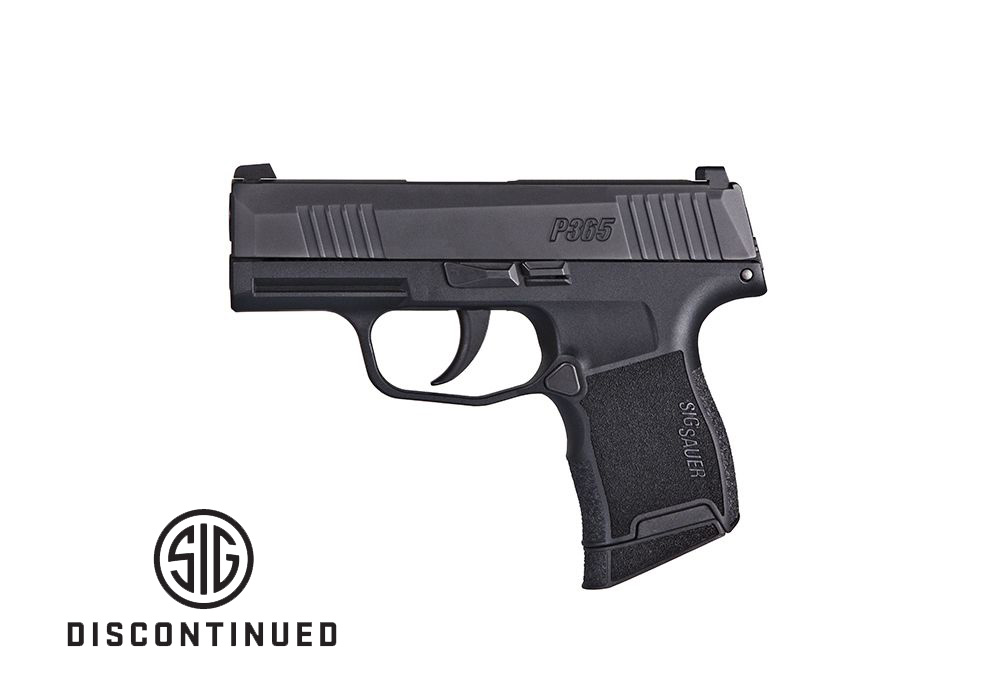
9mm ammunition remains a practical choice for many responsibly armed adults, range participants, and firearm owners preparing for lawful training around Independence Day. A well-planned ammunition purchase begins with confirming that the cartridge marking matches the firearm exactly; a 9mm pistol should be used only with the type of 9mm ammunition specified by its manufacturer, and owners should consult the owner’s manual whenever there is uncertainty. From there, consider the intended use. Target and practice ammunition is commonly selected for routine range sessions, familiarization drills, and maintaining consistent fundamentals, while other loads may be chosen for specific lawful defensive purposes when they are compatible with the firearm and permitted under local regulations. Quantity should reflect realistic training needs, available storage space, and range rules rather than impulse buying. Some shooters keep a modest supply for regular practice, while others purchase an extended capacity of ammunition before a period of increased range activity. During the warmer part of the year, holiday gatherings can bring more people, vehicles, and activity into neighborhoods, making firearm responsibility especially important. Ammunition should never be used to celebrate, signal, or fire into the air. A round fired upward can travel beyond the shooter’s sight and return with enough force to pierce a roof, damage a vehicle, cause serious injury, or kill someone several streets or miles away. Discharging a firearm into the air is also prohibited in many jurisdictions and may result in severe criminal or civil penalties, particularly if property is damaged or a person is hurt. A safe celebration keeps firearms unloaded when they are not needed, ammunition secured separately when appropriate, and every firearm under the direct control of a responsible, sober adult.
For lawful range use before or after a holiday weekend, safe ammunition selection works together with safe handling habits. Inspect cartridges for visible damage before loading, keep them dry and protected from excessive heat or moisture, and follow the range’s requirements for approved ammunition, targets, and firing positions. Transport firearms and ammunition according to applicable federal, state, and local laws, using a secure case or other method required by the jurisdiction. At the range, identify the target and the complete area behind it before the first shot; a safe backstop must be capable of stopping the projectile, and an earthen berm or other approved structure should be present when required by the facility. Never shoot toward roads, homes, occupied buildings, water, hard surfaces, or areas where people, animals, or property may be present. Eye and hearing protection should be worn by everyone on or near the firing line, and a firearm should remain pointed in a safe direction with the action open until the shooter is ready and the range is clear. Alcohol, cannabis, and other impairing substances have no place around firearms or ammunition, including at backyard parties, cookouts, or family events. Anyone carrying a handgun for personal protection during a gathering should keep it secured in a proper holster, maintain direct control, and avoid handling it casually or showing it to guests. Children and visitors should not have access to firearms or ammunition; locked storage, a locked container, and controlled key or combination access help prevent unauthorized handling. These precautions remain useful as the weather changes and range schedules move indoors or become less frequent during cooler months. A reliable supply of compatible 9mm ammunition can support deliberate practice, but it never replaces training, awareness, and compliance with the law.
Ammunition can be a thoughtful practical gift for an experienced shooter, range partner, or new firearm owner who has already confirmed the correct caliber and preferred load, although local purchase, transfer, age, and shipping requirements should always be reviewed before placing an order. When giving ammunition, verify that the recipient’s firearm is chambered for the exact cartridge and that the recipient has a lawful, secure place to store it. It is best to provide ammunition as part of a broader safety-minded approach that may include professional instruction, eye and hearing protection, a quality storage solution, and a plan for supervised range time. New owners should receive instruction from a qualified professional and practice loading, unloading, grip, stance, sight alignment, and malfunction procedures with the firearm pointed in a safe direction. Experienced owners may use 9mm ammunition to confirm equipment function, maintain proficiency, or prepare for a structured training session, but they should follow the firearm manufacturer’s guidance and avoid mixing unmarked or questionable cartridges into their supply. Some shooters also review related equipment before a range visit, including maintenance components and replacement parts such as 9mm Pistol Barrels for July 4th Sales, while confirming compatibility before installation or use. For July 4th safety, the central rule is simple and absolute: never fire a firearm into the air, never handle firearms while impaired, and never shoot without a verified target and a safe backstop. Whether ammunition is purchased for holiday-season preparation, regular practice, or a responsible gift, careful selection, secure storage, lawful transport, and disciplined handling help keep range time focused, controlled, and separate from celebration.