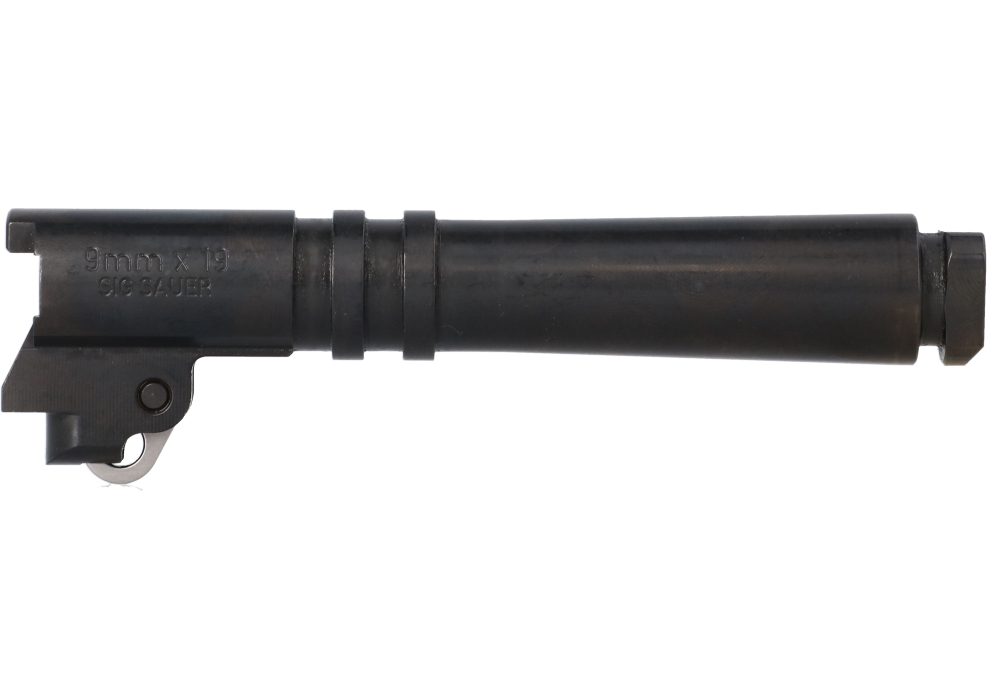
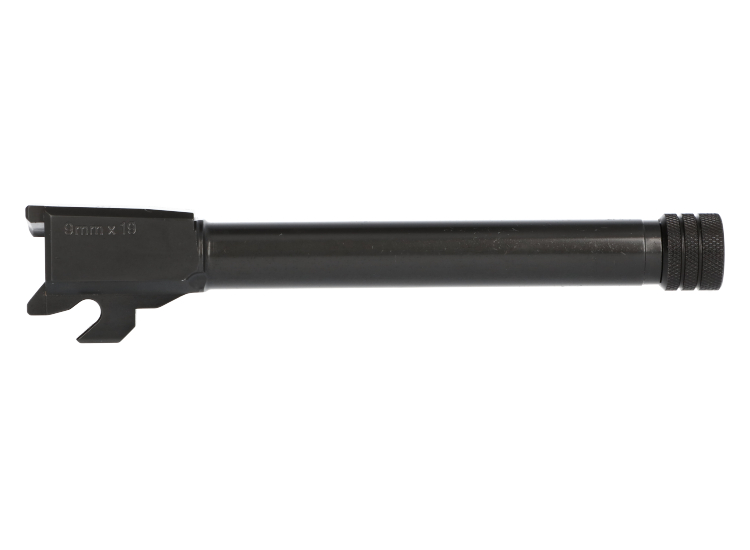
A full-size 9mm barrel can be a practical choice for a fall upgrade, whether the goal is a more consistent range setup, a replacement for a worn component, or a refined foundation for regular training. Full-size pistols generally provide a longer slide and barrel than compact or subcompact configurations, giving shooters a familiar balance of sight radius, handling, and velocity potential. A replacement barrel may also restore confidence in a well-used pistol that has seen countless training sessions, range trips, or duty cycles. Standard barrels are often the straightforward option for everyday use, while match-oriented barrels may feature tighter tolerances, carefully controlled dimensions, conventional or enhanced rifling, and a finish selected for long-term durability. Some designs use fluting to reduce weight and support heat management without sacrificing the solid feel many shooters prefer from a full-size platform. During the warmer end of the season, extended practice sessions can make heat dissipation an important consideration, and as cooler weather arrives, a dependable barrel can help keep a training routine consistent when outdoor conditions become less predictable. Before selecting a barrel, confirm the exact pistol model, generation, caliber marking, and intended use. Even barrels described as drop-in components should be checked for proper fit, lockup, and function by a qualified professional when needed. Small differences in dimensions, breech-face geometry, feed-ramp design, or lug placement can affect compatibility, and a barrel intended for one platform should never be assumed to fit another simply because both use 9mm ammunition. When replacing a factory component, retain the original barrel until the new part has been inspected and tested according to the manufacturer’s instructions.
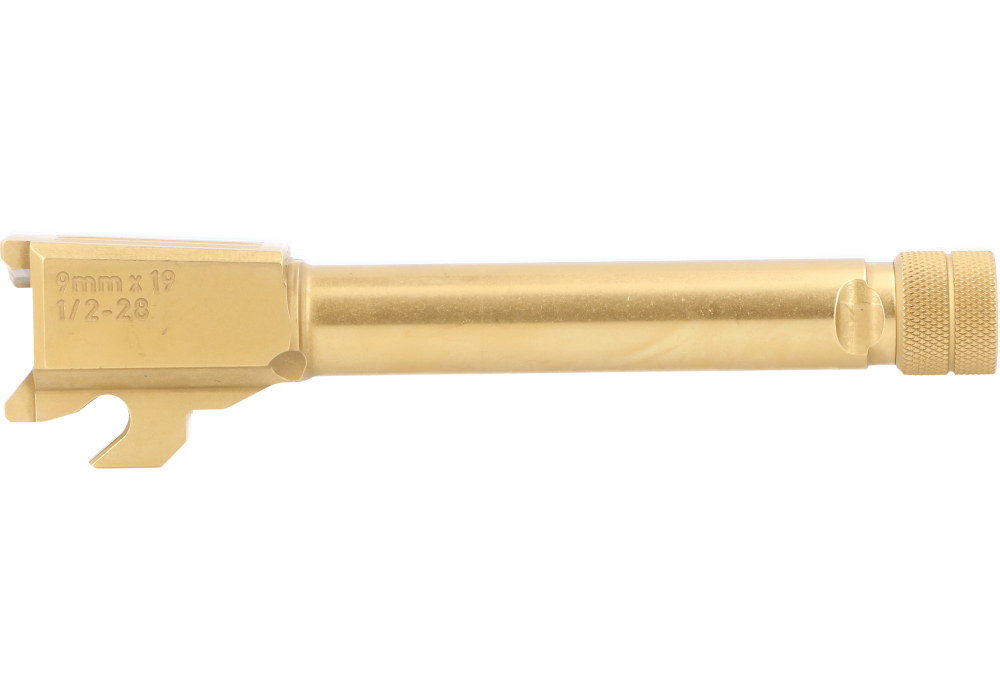
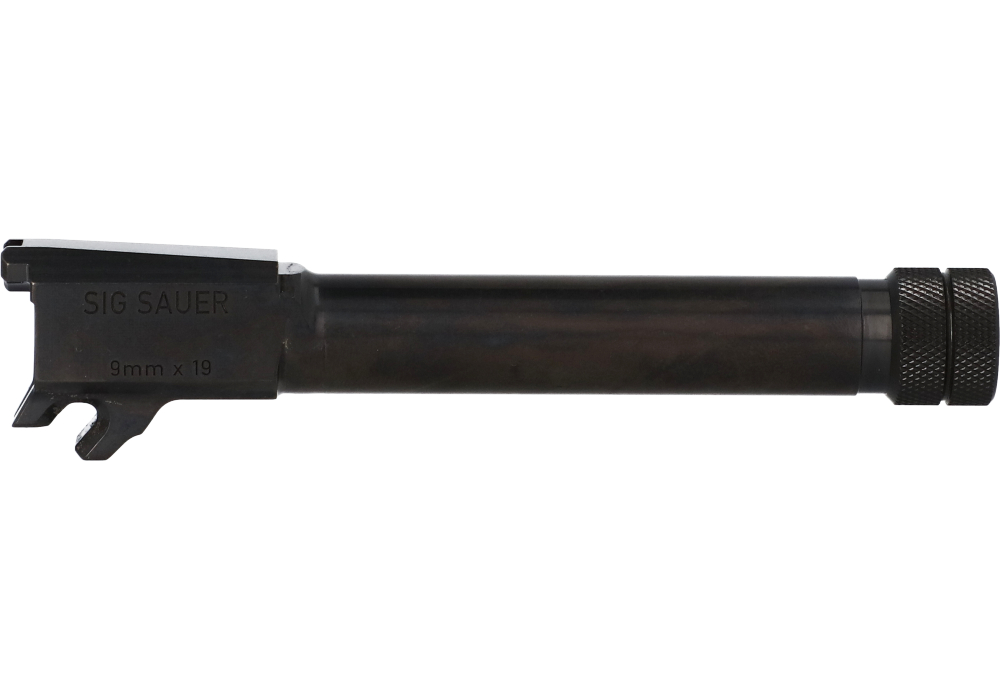
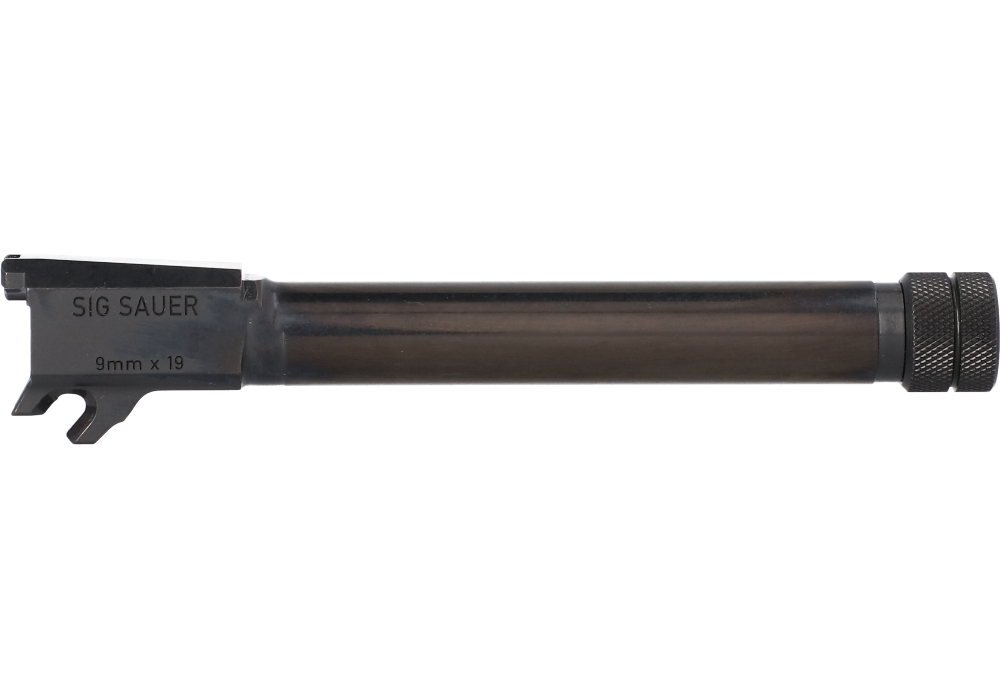
The most important choice for many shoppers is whether to select a standard or threaded configuration. A standard barrel maintains the original profile of the pistol and is typically the simplest option for conventional range use, carry setups, and holsters designed around the factory slide and barrel dimensions. A threaded barrel adds an external thread pattern that can support compatible muzzle accessories, including a suppressor where lawful and appropriate, but it may also extend beyond the slide and require a thread protector when an accessory is not installed. That added length can affect holster fit, storage, transport, and the balance of the pistol in the hand. Anyone considering a threaded option should verify thread specifications, accessory compatibility, barrel length, and the need for a piston or other mounting component before making a purchase. For shoppers planning a suppressor-ready setup for quieter practice during the cooler months, the selection process should include the entire system rather than the barrel alone. A standard or threaded barrel should also be chosen with the intended ammunition in mind. Factory-loaded full-metal-jacket ammunition is commonly used for practice, while defensive or specialty loads may have different bullet profiles that should feed reliably in the selected pistol. Chamber support, rifling style, and manufacturer guidance matter, especially for shooters who use lead bullets or reloads. Corrosion-resistant finishes such as nitride, PVD, or other protective treatments can be helpful around morning dew, damp range bags, and changing autumn weather, but no finish replaces routine cleaning, inspection, and proper storage. A quick wipe-down after an outdoor session, followed by a careful check for fouling, moisture, or unusual wear, can make a noticeable difference over time. For a convenient comparison of compatible threaded configurations, explore 9mm Luger Threaded Barrels for Upgrades.
Full-size 9mm barrels appeal to a broad range of responsible firearm owners. A recreational shooter may use one to build a dedicated practice pistol for steady sessions at the range, while a competitive shooter may prioritize consistent lockup, carefully controlled tolerances, a match-style chamber, or a profile that supports repeatable accuracy. Instructors and serious students often appreciate having a reliable replacement available before a busy block of training, and a longtime owner may choose an upgraded barrel as part of a broader refresh that includes new recoil components, sights, or magazines. These barrels can also make thoughtful gifts for an experienced shooter when the recipient’s exact pistol model, generation, and caliber are known; when those details are uncertain, a gift card or conversation about the intended platform is safer than guessing. The best barrel is not necessarily the most specialized option. It is the one that matches the pistol, the ammunition, the accessories, and the way the firearm will actually be used. A shooter who spends quiet mornings on an outdoor range may value corrosion resistance and a standard profile, while someone building a suppressor-compatible setup may prefer threading and a compatible extended configuration. Before installation, inspect the barrel for visible damage, confirm that it is unloaded and compatible, and follow all manufacturer instructions. After installation, function checks and live-fire verification should be performed in a safe, lawful setting with appropriate eye and ear protection. Keep records of the barrel’s specifications, maintain the original component when practical, and have a qualified gunsmith address any concern involving fit, lockup, feeding, extraction, or unusual marks. With those considerations in place, a full-size 9mm barrel can serve as a durable, useful upgrade that supports confident practice from the last warm range days through the cooler stretch of the season.