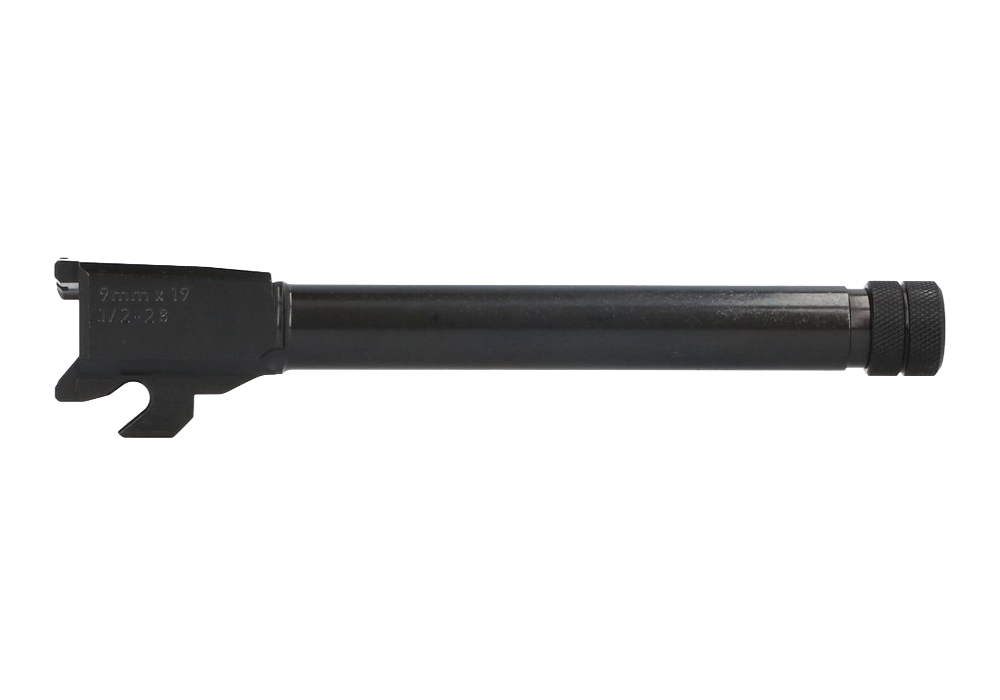
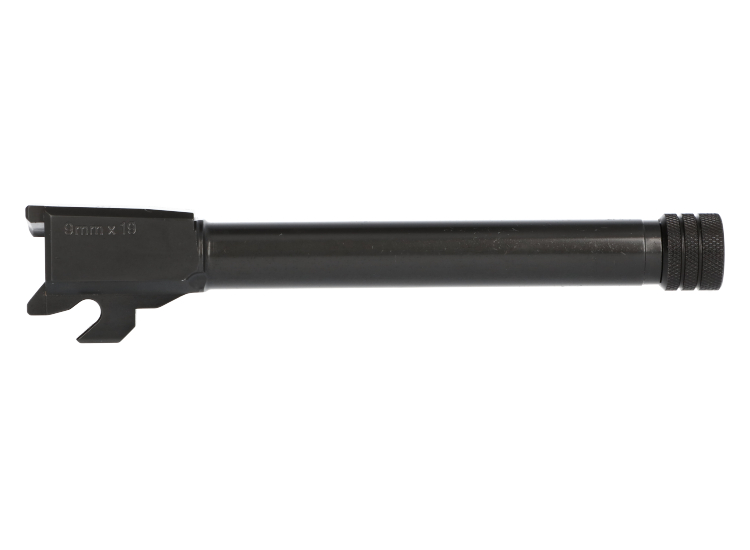
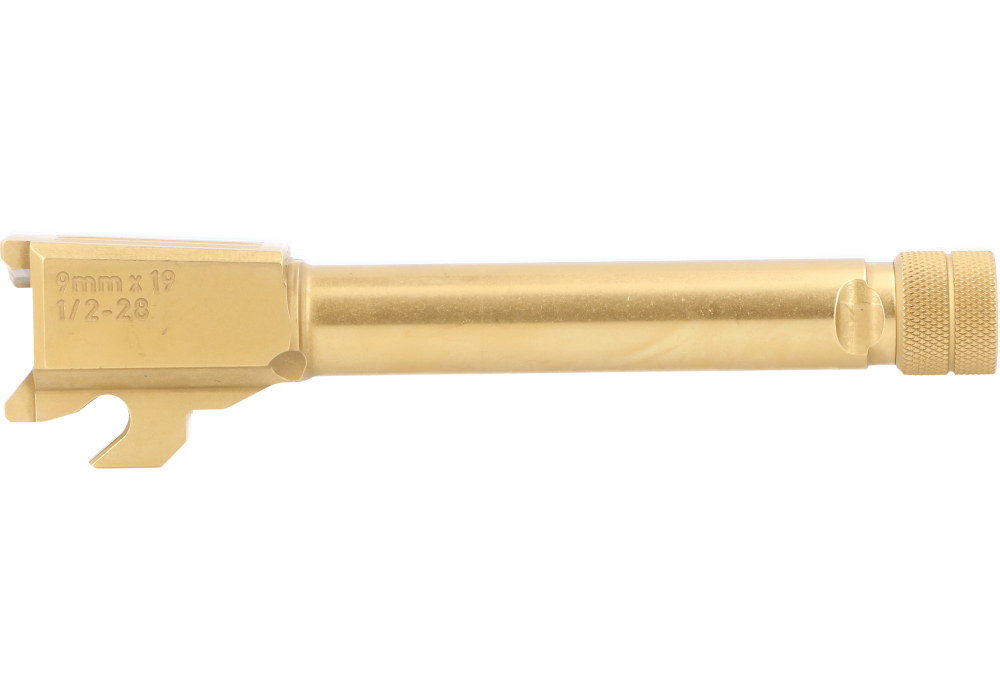
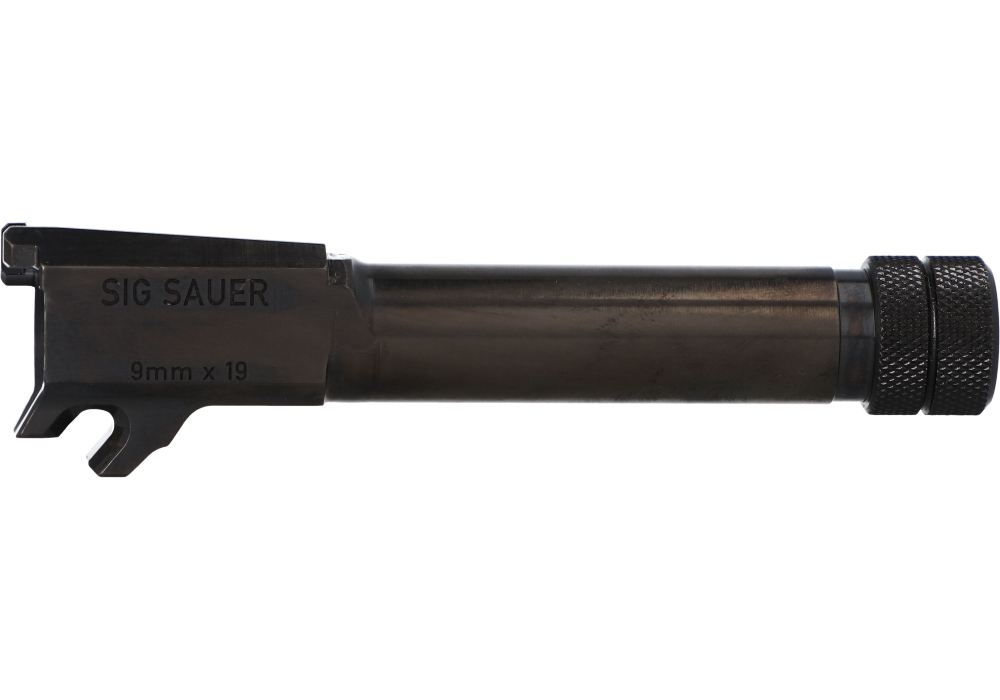
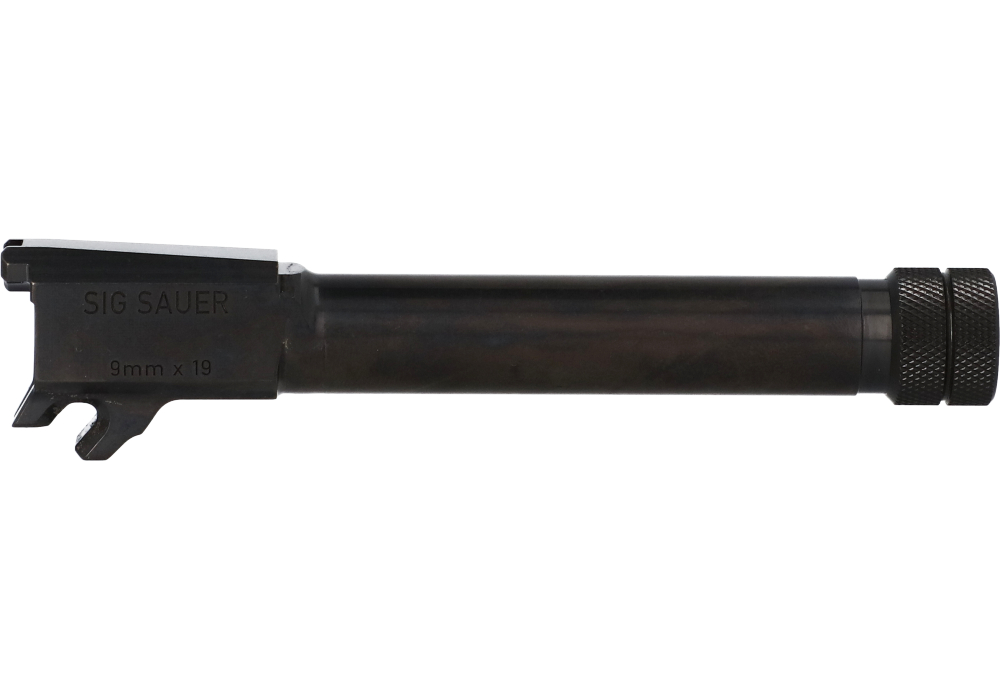
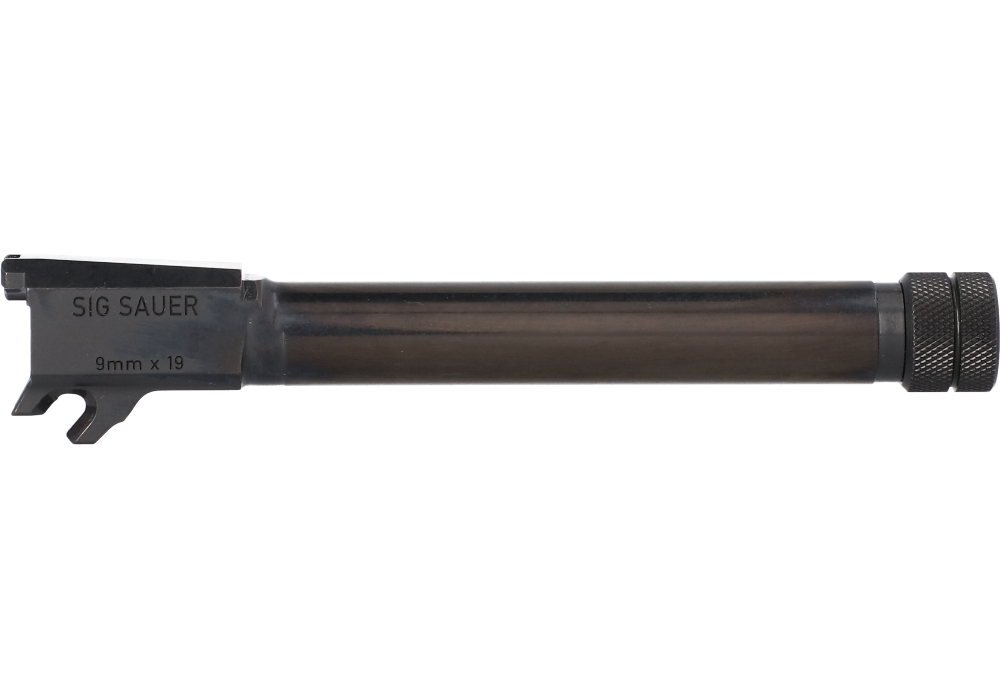
A 9mm Luger threaded barrel is a practical upgrade for shooters who want to expand the capabilities of a compatible pistol without changing its familiar controls, grip, or overall handling. The external threads provide a mounting point for accessories such as sound suppressors and compensators, while the barrel itself may also offer a modest increase in length compared with a standard factory barrel. That additional length can produce a small velocity change depending on the ammunition, barrel profile, and pistol, although real-world results vary and should never be assumed without testing. A suppressor can reduce the report of a shot when paired with appropriate ammunition and installed in accordance with all applicable laws, while a compensator can redirect propellant gases to help reduce muzzle rise and keep the sights tracking more naturally during rapid fire. These upgrades can be useful for recreational range sessions, training, competition, or a carefully configured home-defense setup, but each accessory changes the balance, sound, and operating characteristics of the firearm. The right choice begins with confirming that the barrel is made for the exact handgun model and generation, not simply selecting an option because it is labeled 9mm. Pistols that share a caliber may use different barrel lengths, locking surfaces, feed-ramp dimensions, lug geometry, and slide relationships. A properly fitted barrel should lock into battery smoothly, allow the slide to cycle without interference, and maintain reliable feeding with the ammunition you intend to use. For shoppers comparing finishes and profiles, options such as a black barrel can provide a subdued appearance and complement a wide range of pistol configurations; browse Black 9mm Luger Pistol Barrels for additional barrel styles that may suit a non-threaded or alternate upgrade path.
Thread specification is one of the most important details when selecting a 9mm Luger threaded barrel. Common thread patterns can differ by model and market, and a suppressor, compensator, or other muzzle device must match the barrel’s thread pitch exactly. A device that appears close but uses a different pitch should never be forced onto the muzzle. In addition to matching the threads, check the device’s bore clearance and confirm that the barrel and accessory are properly aligned before firing. Suppressor use on a tilting-barrel semiautomatic pistol generally requires the correct booster assembly or recoil enhancer so the added weight does not prevent the slide from cycling; a fixed-barrel spacer intended for another type of firearm is not an equivalent substitute. Compensators may require a specific mounting method, such as a threaded interface with a properly fitted shim or crush washer, and some designs may need a particular slide or recoil-spring setup for dependable operation. Thread protectors are worth keeping installed whenever a muzzle accessory is not attached, since they help shield the threads from knocks, grit, and damage during transport or practice. Before installation, inspect the muzzle and threads, follow the barrel and accessory manufacturer’s torque instructions, and verify that the barrel remains secure after a short test string. It is also wise to function-test the pistol with the exact magazines and ammunition used for normal practice. Watch for failures to feed, failures to return to battery, unusual contact marks, changes in point of impact, or a compensator that loosens under recoil. A qualified gunsmith can confirm fit, thread alignment, and safe operation when there is any uncertainty, particularly when combining parts from different manufacturers or altering a pistol that was previously running reliably.
These barrels appeal to several kinds of owners. A regular range shooter may appreciate the ability to move between an unmodified training setup and a compensated configuration for drills that emphasize controlled pairs, transitions, and keeping the front sight or optic settled. A suppressor host can benefit from a threaded muzzle when quiet practice is permitted, provided the owner observes federal, state, and local requirements and uses hearing protection even with a suppressor. Competitive shooters may be interested in the flatter sight picture and faster recovery offered by a well-matched compensator, while enthusiasts building a dedicated range pistol may value the visual contrast of a finished barrel and the flexibility of a modular setup. A threaded barrel can also make a thoughtful gift for an experienced 9mm owner, especially when the recipient already has a compatible accessory and a clear understanding of local regulations. For a gift, compatibility matters more than appearance: confirm the exact pistol model, barrel length, generation, thread pitch, and intended accessory before purchasing, or choose a retailer gift option when those details are not known. These upgrades are not universal and should not be treated as interchangeable parts. An owner who carries a pistol for personal protection should also consider whether the added length, muzzle device, holster fit, and altered balance are appropriate for that role; a barrel and compensator combination may require a different holster, and a suppressor-equipped pistol is generally better suited to controlled range use than everyday carry. During the cooler months, when range time often moves indoors or into more structured training sessions, a correctly fitted threaded barrel can offer useful flexibility without turning a familiar handgun into an entirely different platform. Compare specifications carefully, keep installation and maintenance methodical, and select the configuration that supports dependable handling, safe storage, and the type of shooting you actually plan to do.