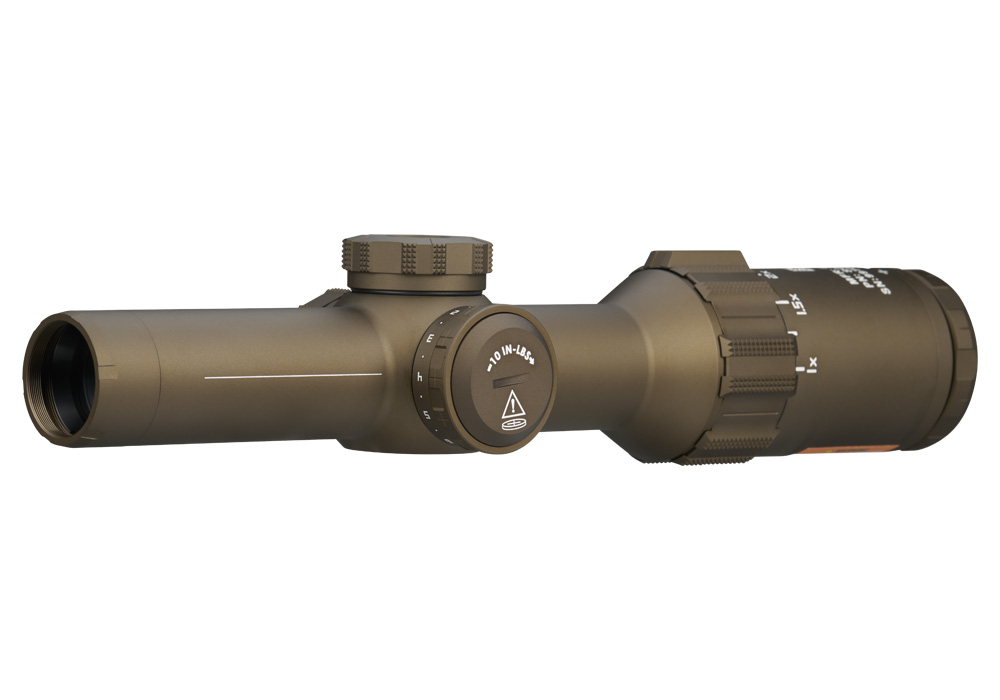
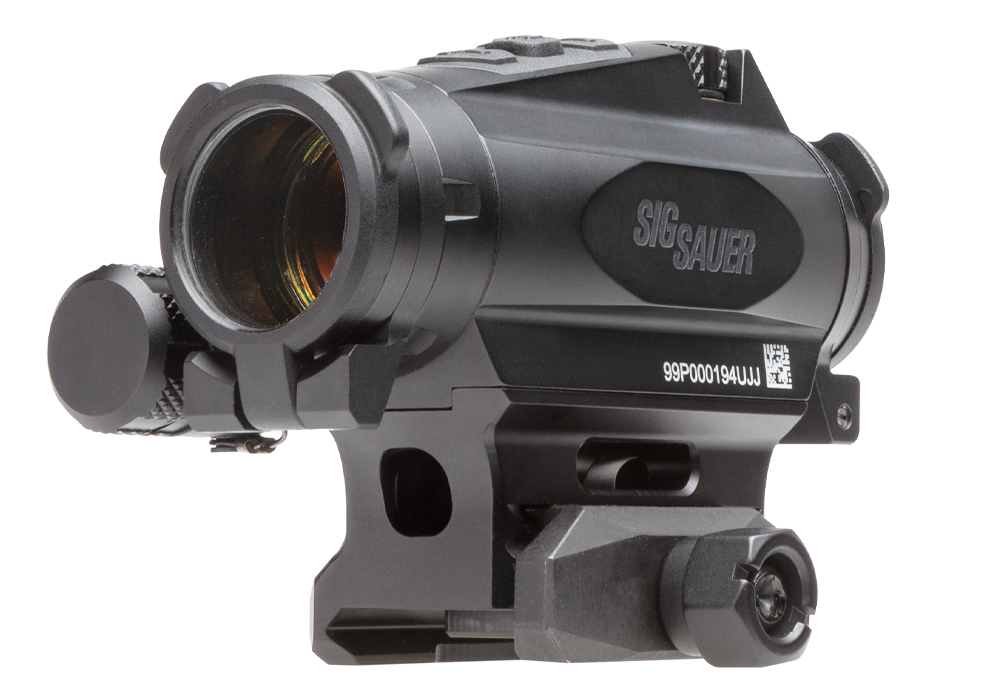
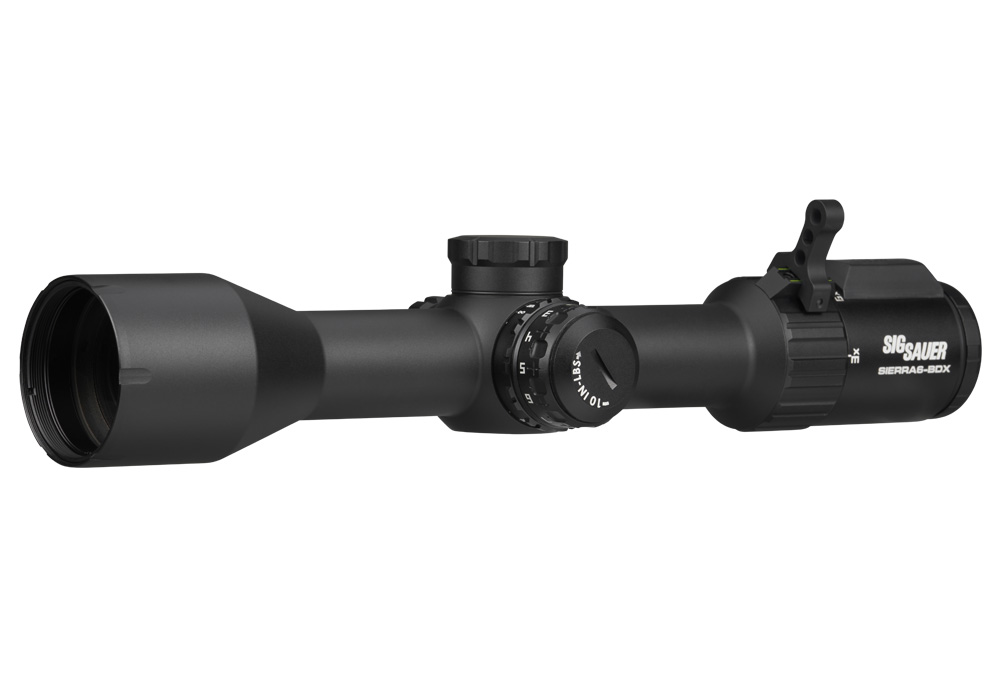
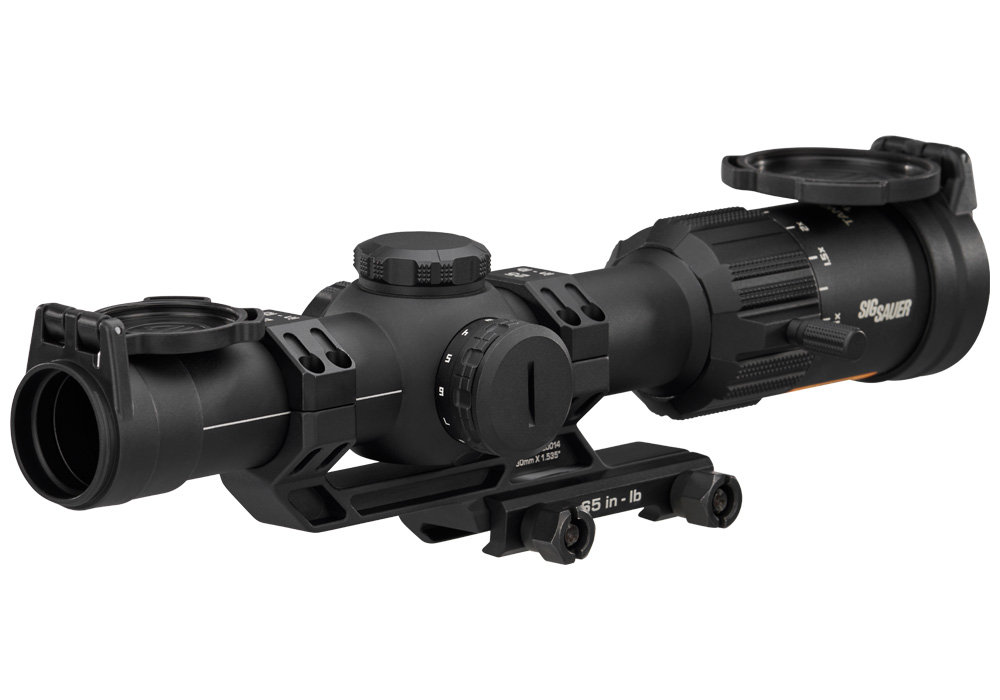
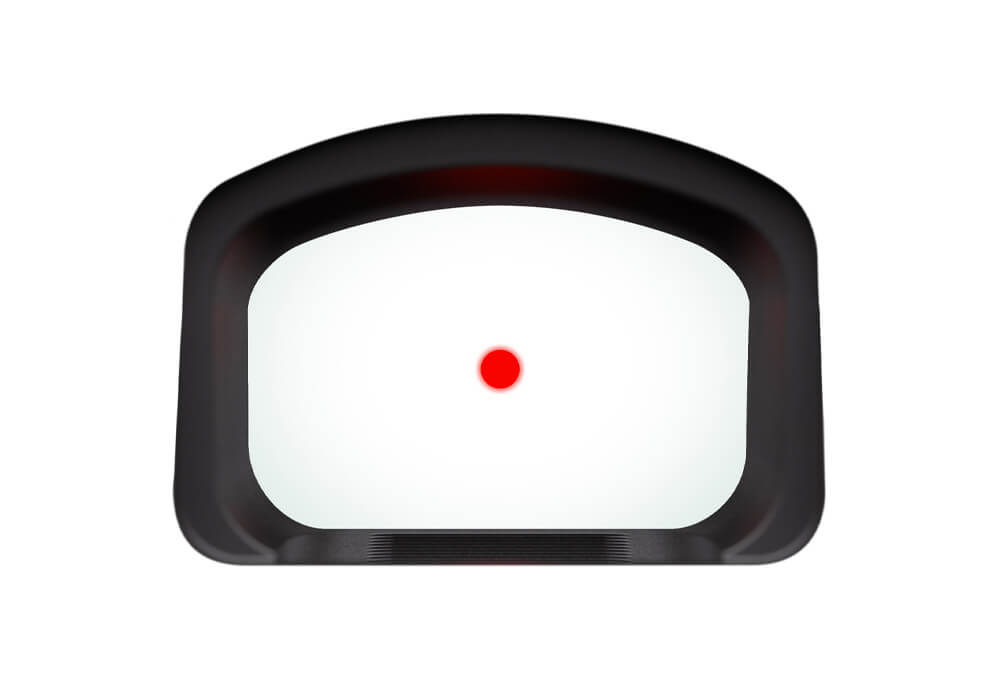
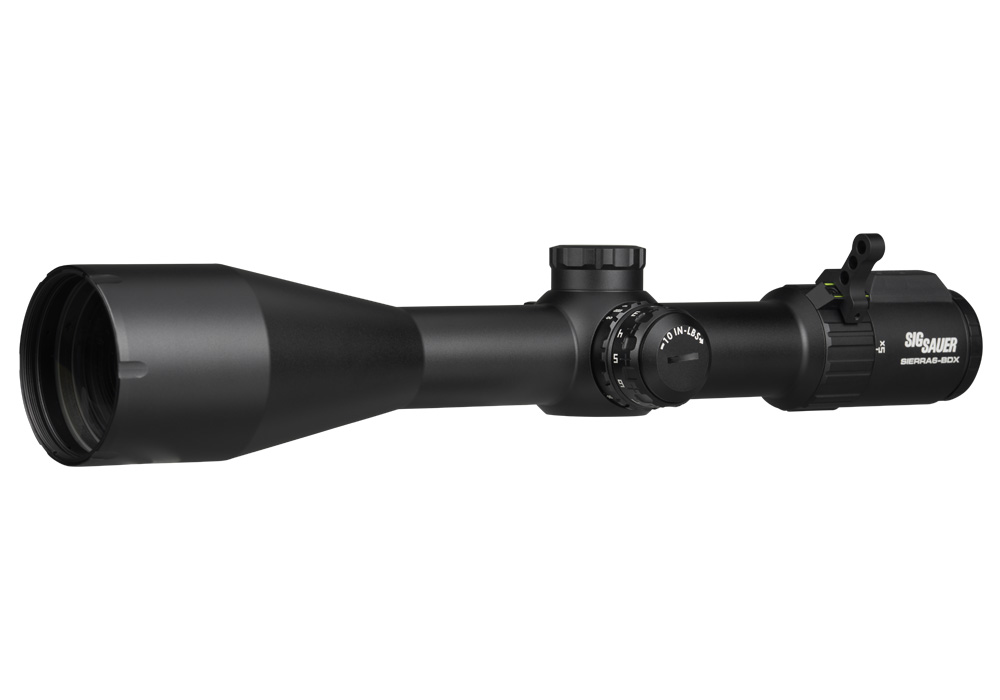
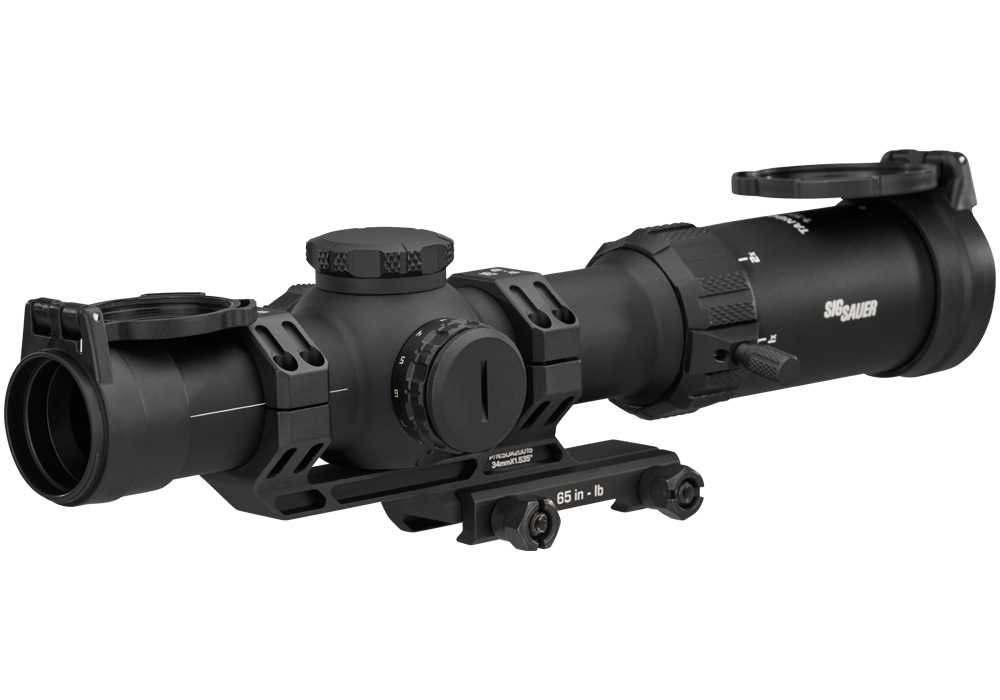
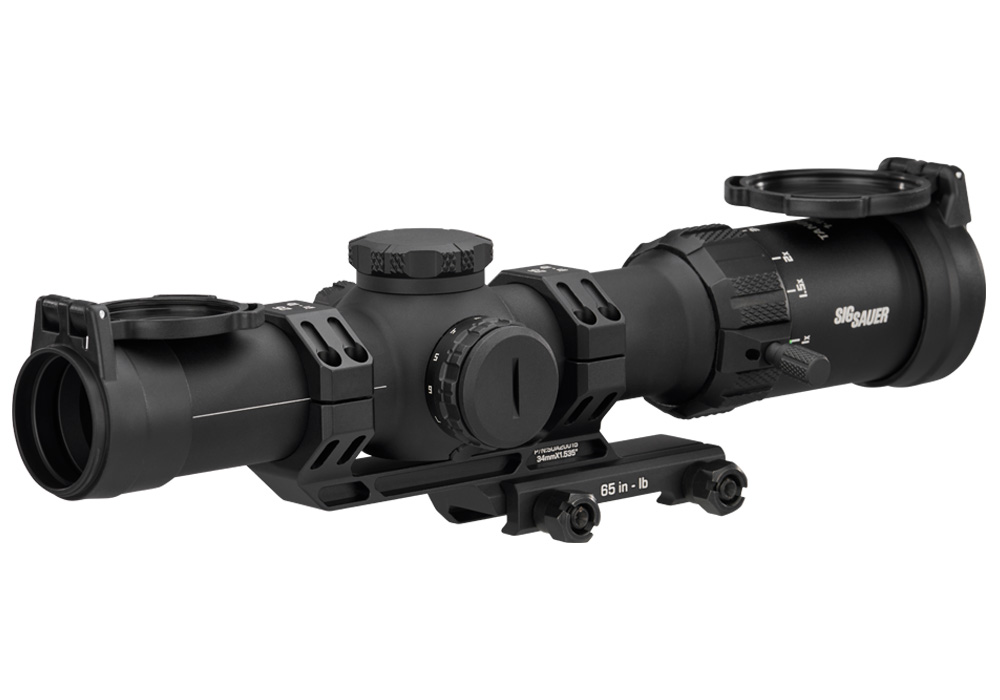
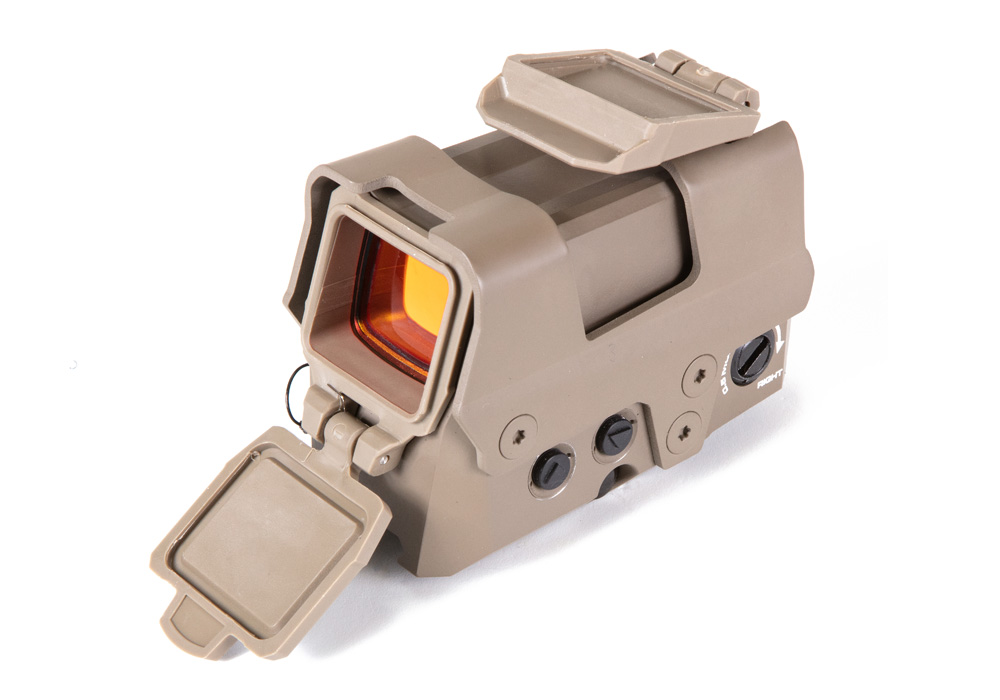
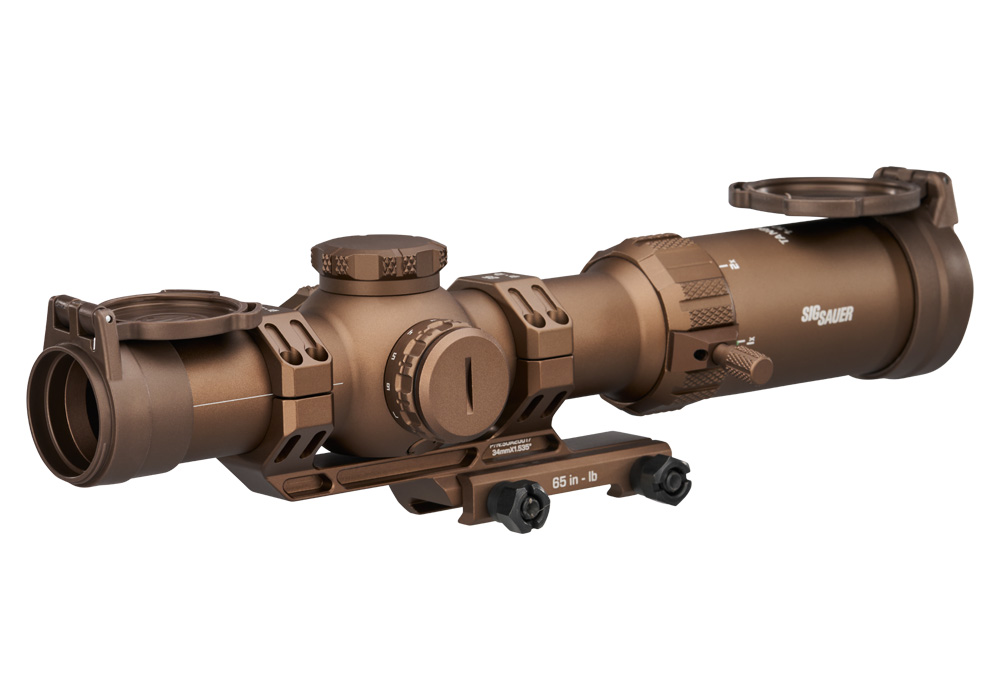
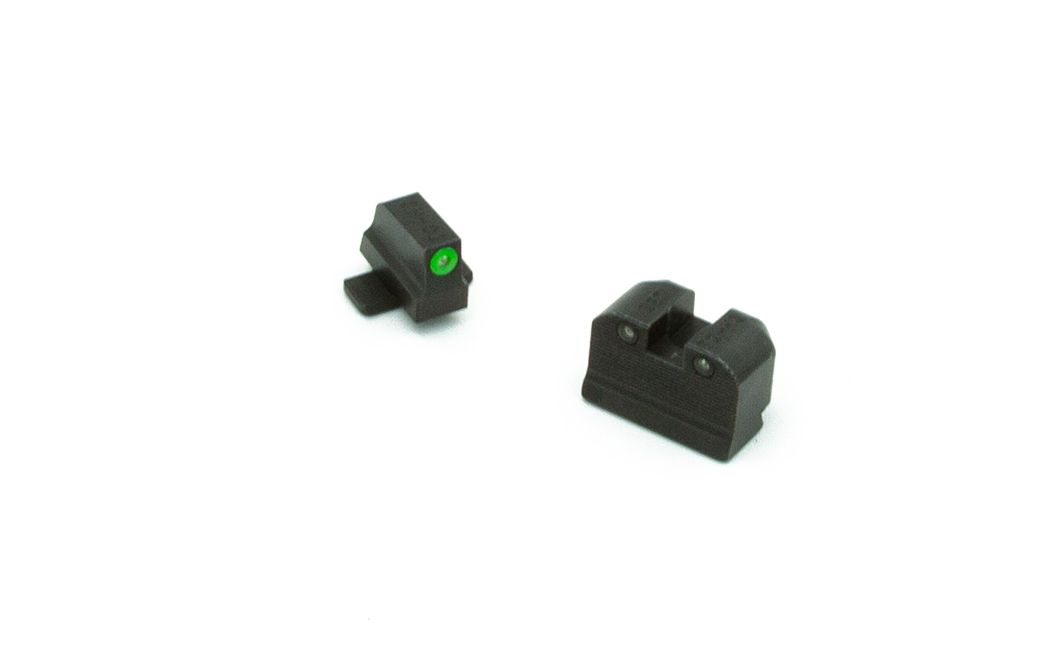
Gun reticles provide the aiming reference inside a riflescope, red dot sight, prism optic, or electronic sighting system. Depending on the design, that reference may appear as simple crosshairs, a central dot, a circle-and-dot pattern, illuminated hash marks, or a more detailed grid intended for distance and wind corrections. The right reticle helps the eye locate the intended point of aim quickly while providing useful information about distance, trajectory, and movement. A traditional duplex reticle remains a practical choice for hunters and range users who value a clean sight picture: fine lines draw attention toward the center, while thicker outer posts remain easy to see against dark timber, open fields, or changing light. A red or green illuminated dot can support fast target acquisition, particularly when shooting with both eyes open at closer distances. Some shooters prefer a plain, non-illuminated reticle for its uncluttered appearance and dependable visibility in bright conditions, while others appreciate adjustable brightness for shaded woods, indoor practice areas, or the low light that often arrives during the cooler months. When selecting among gun reticles, begin with the firearm and optic that will be used together. A reticle intended for a rifle may not suit a pistol optic or shotgun sight, and the optic’s mounting system, tube size, focal plane, eye relief, and adjustment range all affect the final setup. Confirm that the reticle is compatible with the sight before purchase, then consider the distances, target sizes, and lighting conditions that are most common for the intended use.
Reticle styles are closely tied to the way a firearm is used. A hunter moving through thick cover may favor a bold center aiming point that remains visible when a target appears briefly between branches. Someone practicing precision shooting at a measured range may prefer a fine grid with MOA or MIL hash marks, allowing corrections for wind, distance, and changes in elevation. MOA and MIL reticles use carefully spaced reference marks based on standard angular measurements, giving experienced shooters a consistent way to estimate range or refine their point of aim without relying only on the center crosshair. BDC-style designs add reference marks below the primary aiming point to help compensate for the natural arc of a projectile across different distances, provided the reticle, ammunition, barrel, and sight height are properly matched. These marks are starting references rather than universal guarantees, so confirming them at the range is an important part of setup. A reticle with a busy pattern can offer more information, yet a simpler design may be faster to read under pressure. Illumination can improve contrast, but it should not overpower the target or create glare. Adjustable brightness, daylight visibility, night-compatible settings, a usable battery compartment, and clear controls are practical details worth reviewing. For home-defense applications, many people look for a compact sight with a distinct aiming point and a wide field of view, while target shooters may place greater emphasis on fine center markings, repeatable adjustments, and a reticle that remains clear at higher magnification. For hunting, the best choice often balances speed, contrast, and the ability to remain useful as the background changes from bright sky to shadowed brush. Shooters exploring purpose-focused configurations can also review Tactical Reticles for additional options organized around practical firearm use.
A quality reticle is also a thoughtful gift for a hunter, competitive shooter, range enthusiast, or responsible firearm owner who is refining an existing setup. Since preferences vary, a gift selection is easiest when the recipient’s optic model, mounting footprint, preferred measurement system, and usual shooting distance are known in advance. A gift card or a conversation about intended use can be more helpful than guessing at compatibility, especially when the recipient has a specific rifle, pistol, or shotgun in mind. New shooters often benefit from a reticle that is easy to interpret, with a clear center and limited visual clutter. More experienced users may enjoy the precision of an illuminated MOA or MIL design, a first- or second-focal-plane arrangement, or a reticle with additional reference points for longer-range practice. Regardless of experience, careful zeroing and familiarization are essential. Set up the optic securely, follow the sight manufacturer’s instructions, verify the reticle’s position at a safe range, and record the ammunition and distance used during confirmation. Lighting can change dramatically from a bright afternoon to a shaded evening, so check visibility under more than one condition and learn how illumination settings affect the sight picture. Keep lenses clean with suitable optics-care materials, protect the sight during transport, and inspect mounts and controls regularly. Safe handling remains central every time a firearm is present: keep the muzzle pointed in a safe direction, keep the finger outside the trigger guard until ready to fire, treat every firearm as loaded, and identify the target and what lies beyond it before taking aim. With the right combination of reticle style, optic compatibility, illumination, measurement system, and practice, the aiming reference becomes a natural part of the shooting process rather than a distraction.