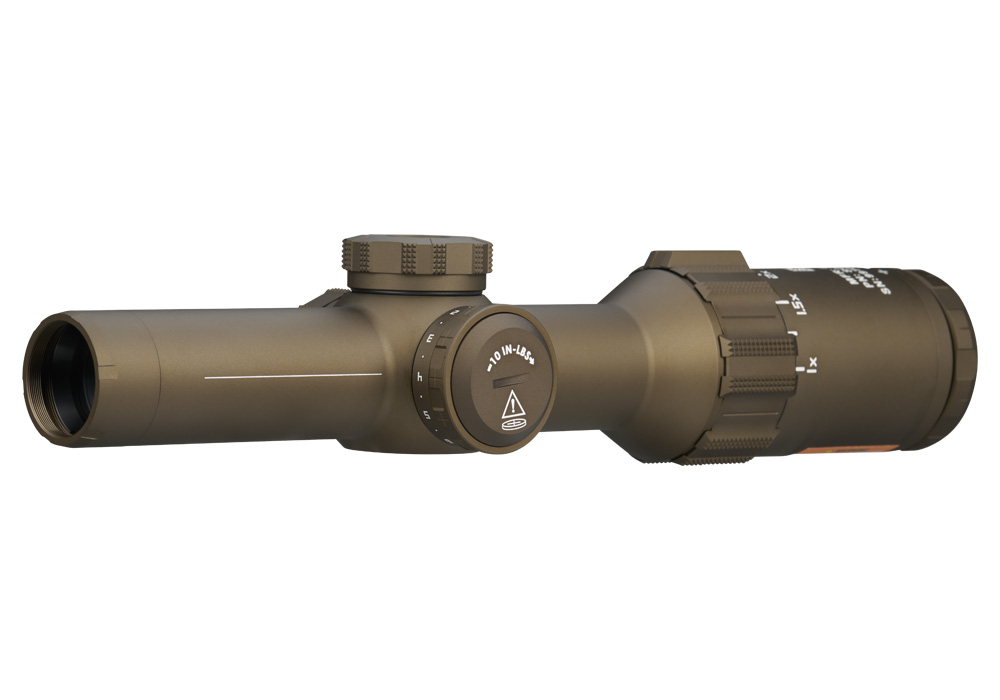
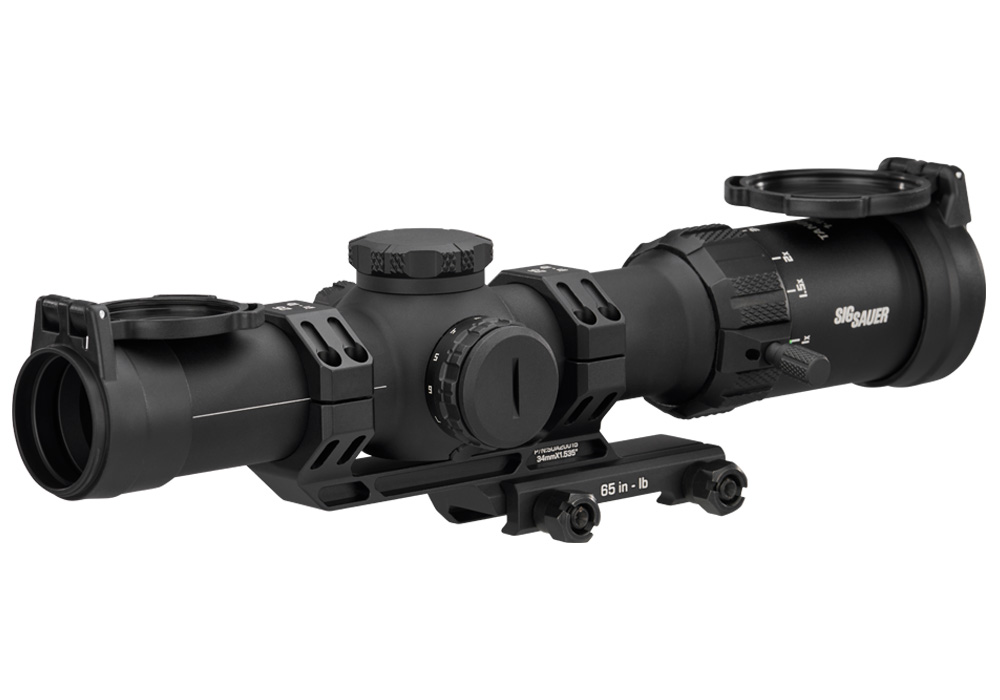
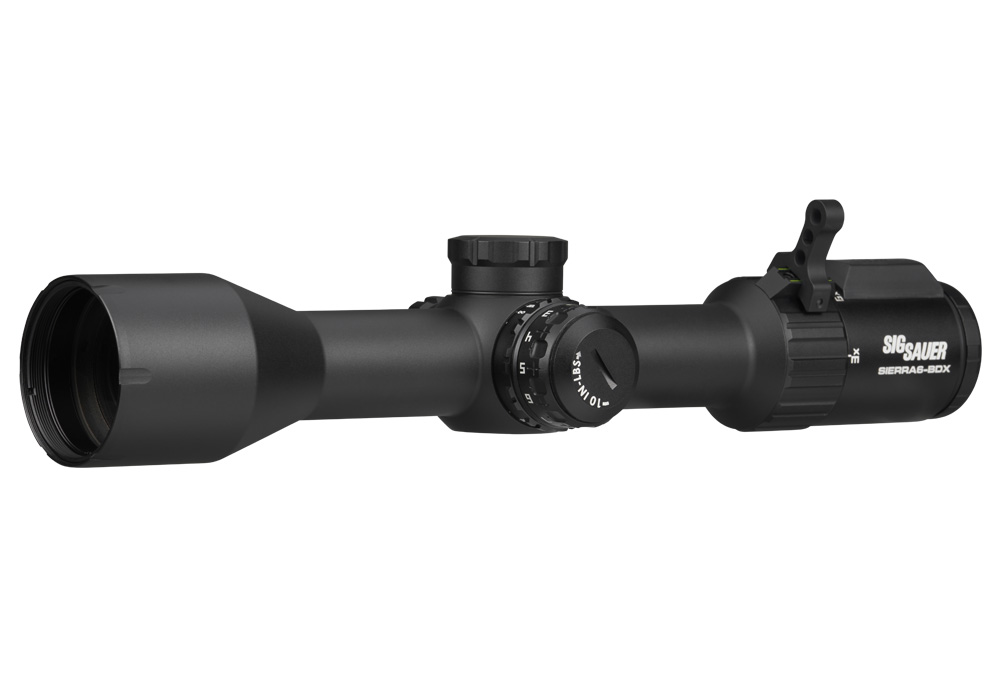
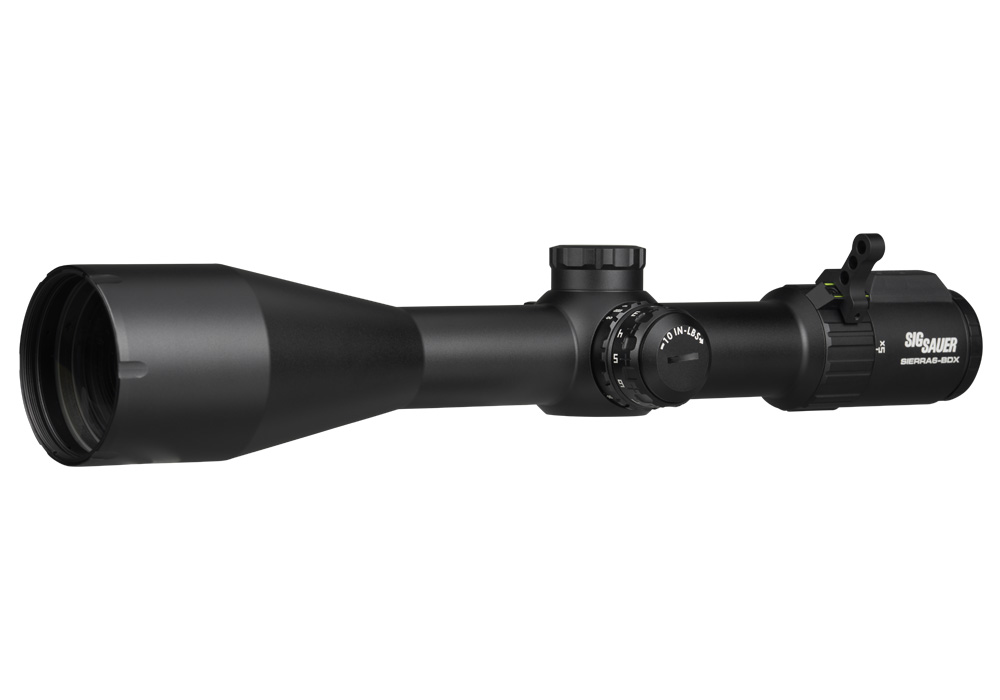
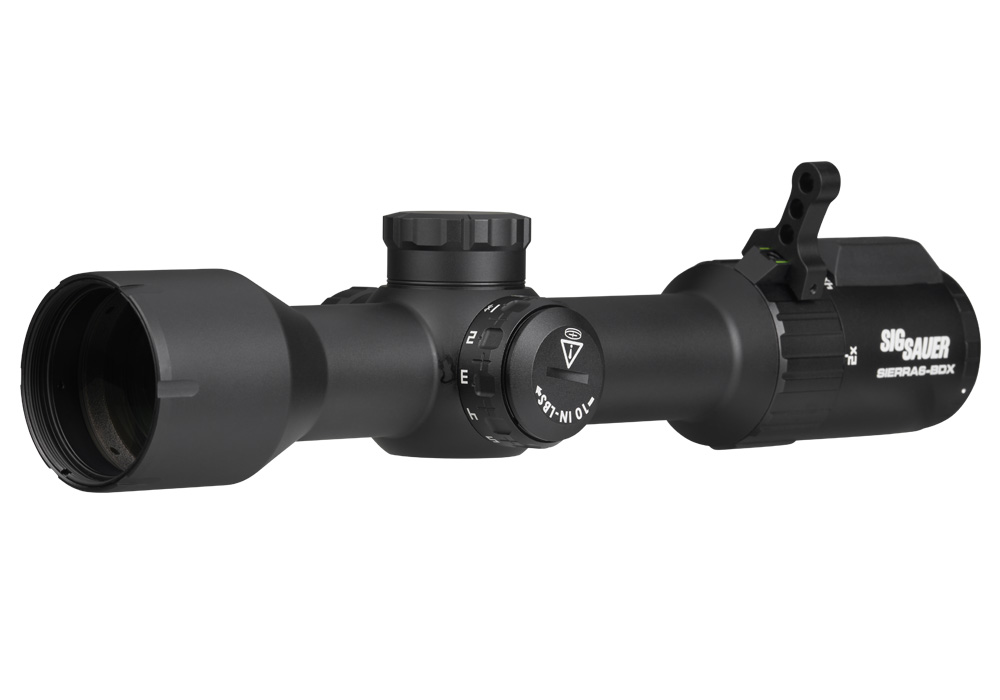
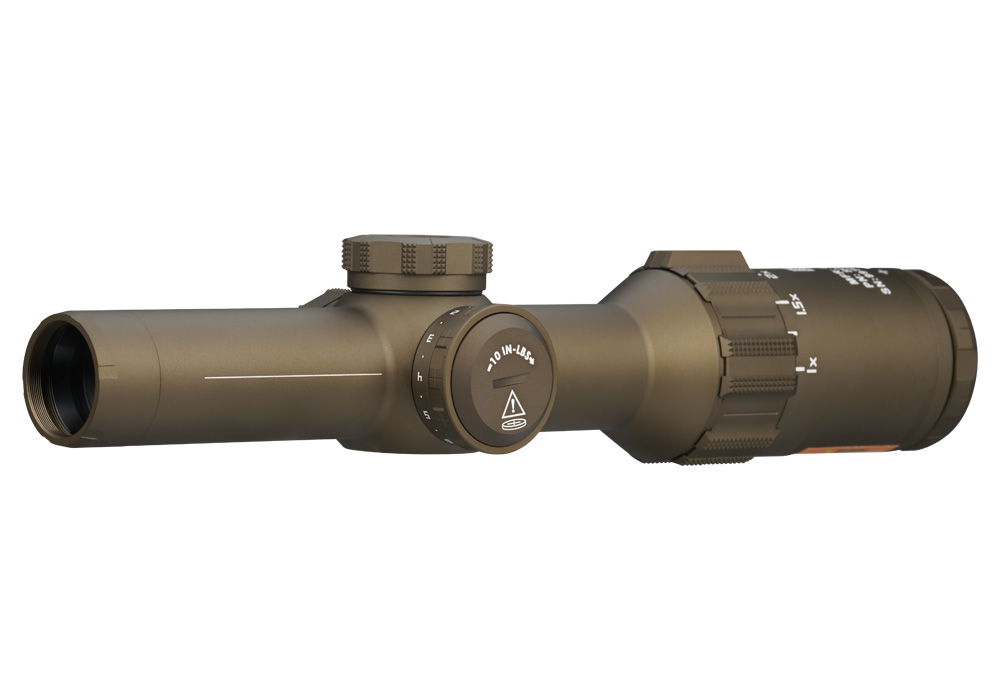
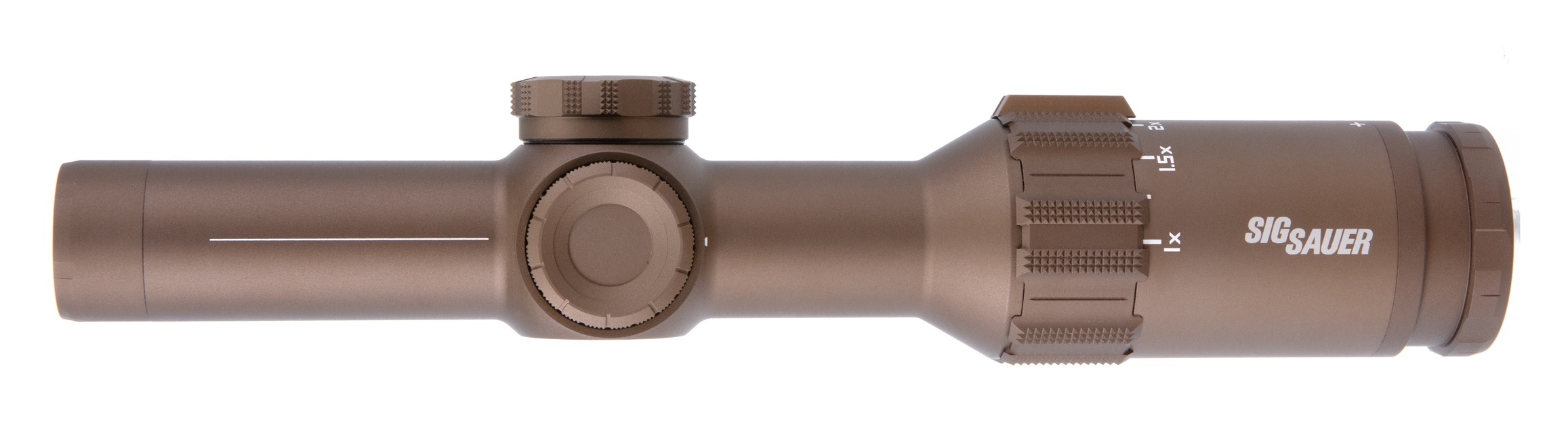
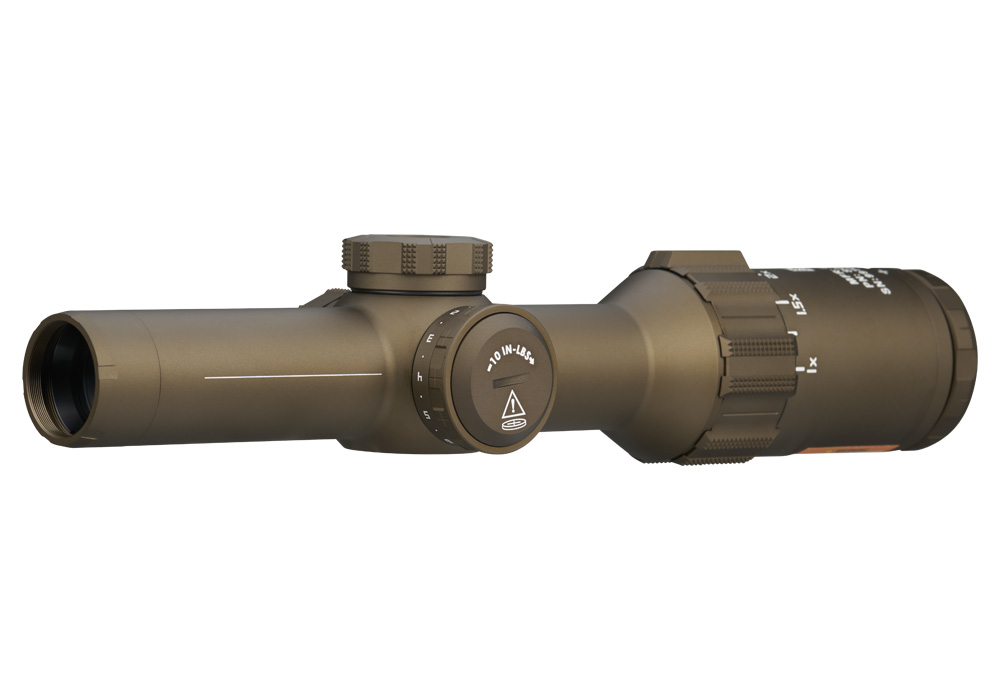
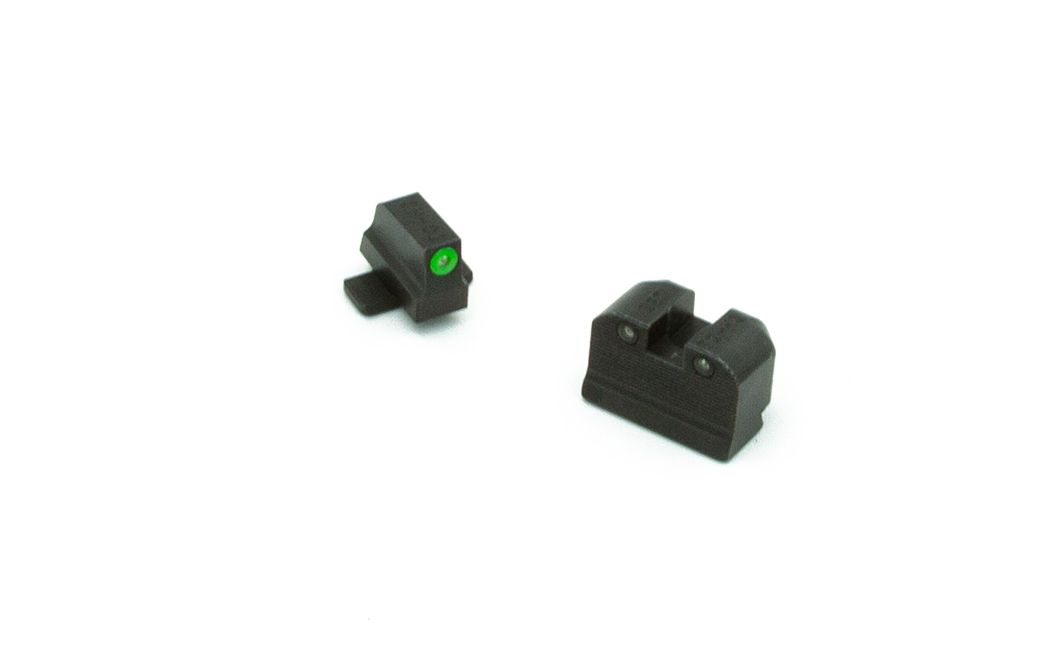
Tactical reticles give a riflescope a visual system for aiming, estimating distance, and applying precise corrections without relying on a single center point. Depending on the design, the aiming pattern may include a fine center dot, illuminated chevron, evenly spaced hash marks, mil dots, MOA references, or a grid that extends below the primary aiming point. These details help a shooter keep the rifle steady while accounting for range, wind, elevation, and the changing angle of a target. A reticle with clear, purposeful markings can be especially useful when the lighting is flat, the background is busy, or a shot must be evaluated quickly. For many shooters, the best tactical reticle is the one that feels easy to read under pressure rather than the one with the greatest number of lines. A simple center aiming point can support fast engagement at closer distances, while additional reference marks can assist with longer shots and changing conditions. Reticle scopes are available in configurations suited to hunting, training, competition, field observation, and practical rifle work, giving each user an opportunity to choose an aiming system that matches familiar distances and shooting habits. Browse Reticle Scopes to compare optic styles and find a configuration that fits the rifle, ammunition, and intended range.
One of the first choices to consider is whether the reticle uses MIL or MOA measurements. Both are angular systems, and either can support accurate range estimation and aiming corrections when the shooter understands the scale. One mil equals 3.6 inches at 100 yards, while one MOA equals approximately 1.047 inches at the same distance. The practical difference becomes more noticeable as range increases, so matching the reticle measurement to the optic’s adjustment turrets, ballistic data, and existing training can simplify the entire setup. A shooter who already records come-ups in mils will usually find a mil-based reticle more intuitive, while someone accustomed to MOA tables may prefer evenly spaced MOA hash marks. First focal plane reticles grow and shrink with magnification, allowing their subtensions to remain consistent throughout the optic’s zoom range. This can be helpful when the reticle’s markings are used for range estimation or hold references at varied magnifications. Second focal plane reticles remain the same apparent size as magnification changes, which can preserve a familiar sight picture and a bold center aiming point, though the marked references are generally calibrated for a particular magnification setting. Low-power variable optics often combine a bright center point for quick target acquisition with additional references for more deliberate aiming at higher magnification. A grid-style reticle can offer several hold points for elevation and wind, while a cleaner pattern may be preferable for users who value an unobstructed view. Reticle illumination is another consideration, particularly for dawn, dusk, shaded terrain, or dark target backgrounds. Brightness should be adjustable enough to keep the aiming point visible without overpowering the target image, and the reticle should remain useful when illumination is turned off.
The right choice also depends on the rifle’s role, the shooter’s experience, and the amount of practice available before field use. A new owner may appreciate bold, clearly separated references that are easy to locate during a slow, deliberate sight picture. An experienced competitor or precision shooter may favor a finer pattern with numerous subtensions for holding exact elevation and wind corrections. For a patrol, training, or general-purpose rifle, a partially illuminated center dot paired with a compact elevation grid can balance close-range speed and distance flexibility. For a hunting rifle used in open country, a fine reticle with uncluttered outer sections may preserve visibility against uneven terrain, while a more detailed pattern can help when range and wind vary across a broad landscape. These optics can also be thoughtful gifts for a shooter who has recently upgraded a rifle, joined a competition league, or begun practicing at longer distances. Before selecting one, confirm the optic’s tube or mounting requirements, magnification range, eye relief, adjustment units, illumination controls, and compatibility with the intended rings or mount. Check that the reticle remains visible at the lowest power and that the higher-power view provides enough detail for the distances being considered. Just as important, spend time confirming zero, learning the reticle’s subtensions, and practicing from realistic positions. Many shooters discover that a reticle becomes far more useful after a few quiet sessions on the range: the hash marks begin to feel familiar, the center point settles naturally, and wind calls become part of a repeatable process rather than a hurried guess. Secure storage, careful handling, and consistent sight checks help preserve confidence through cooler months and changing outdoor conditions, whether the optic is being prepared for training days, competition stages, field use, or a new shooter’s first serious rifle setup.