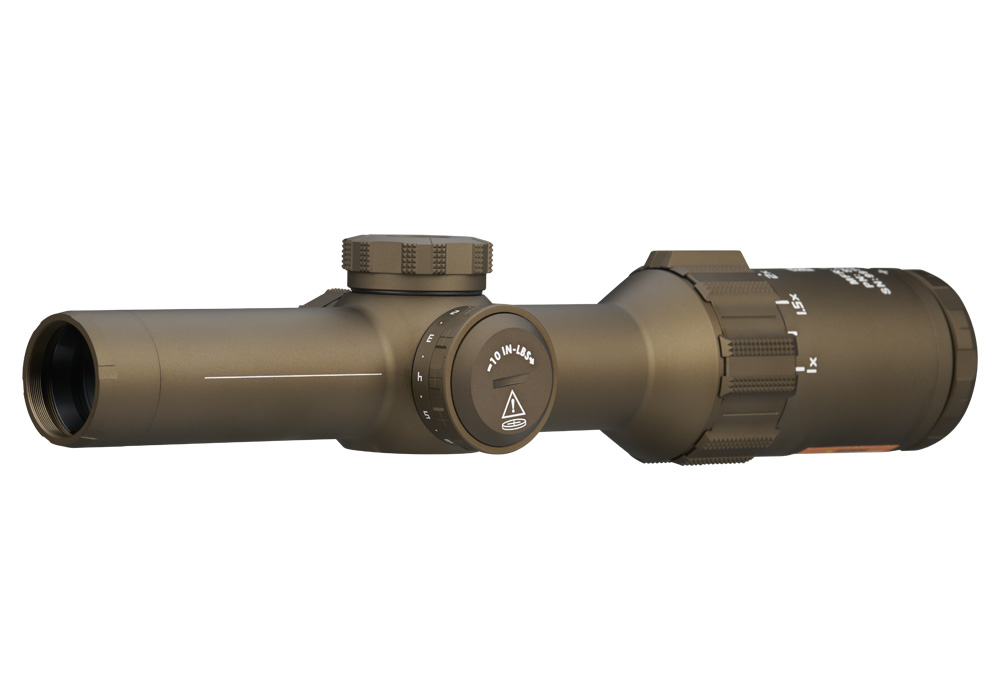
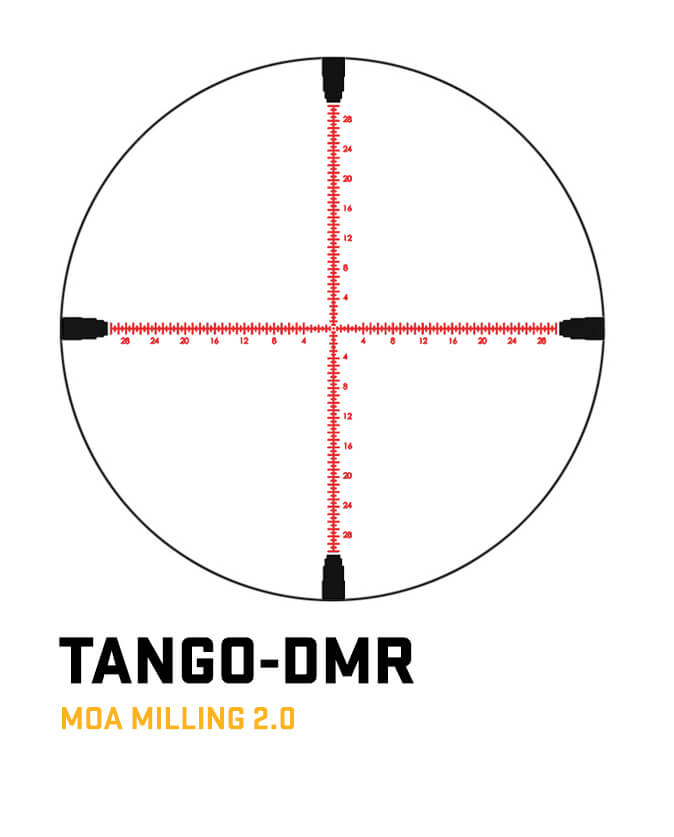
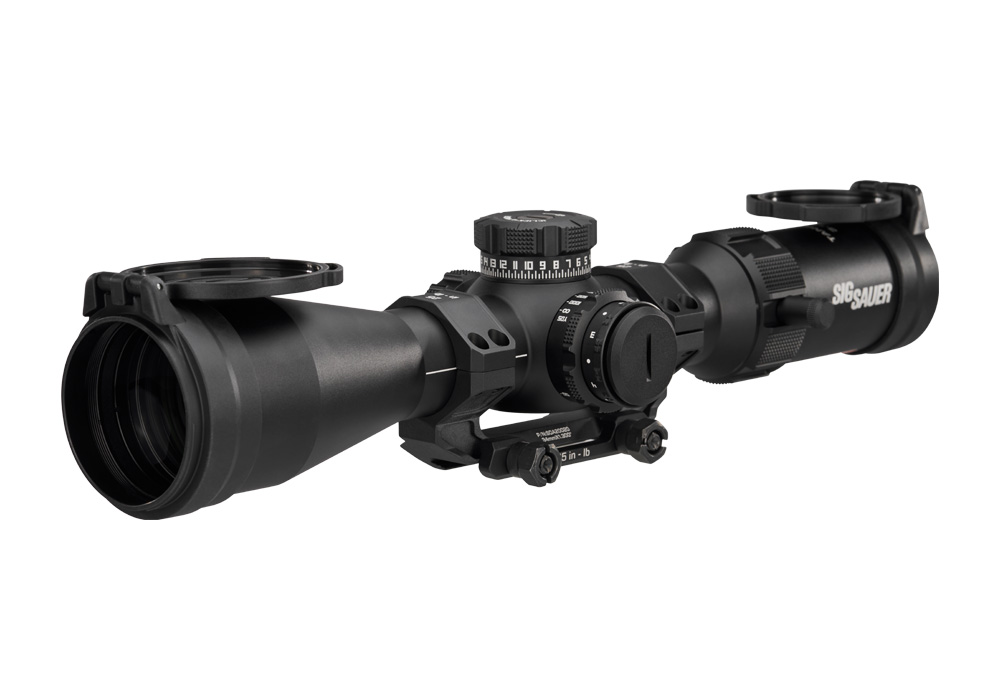
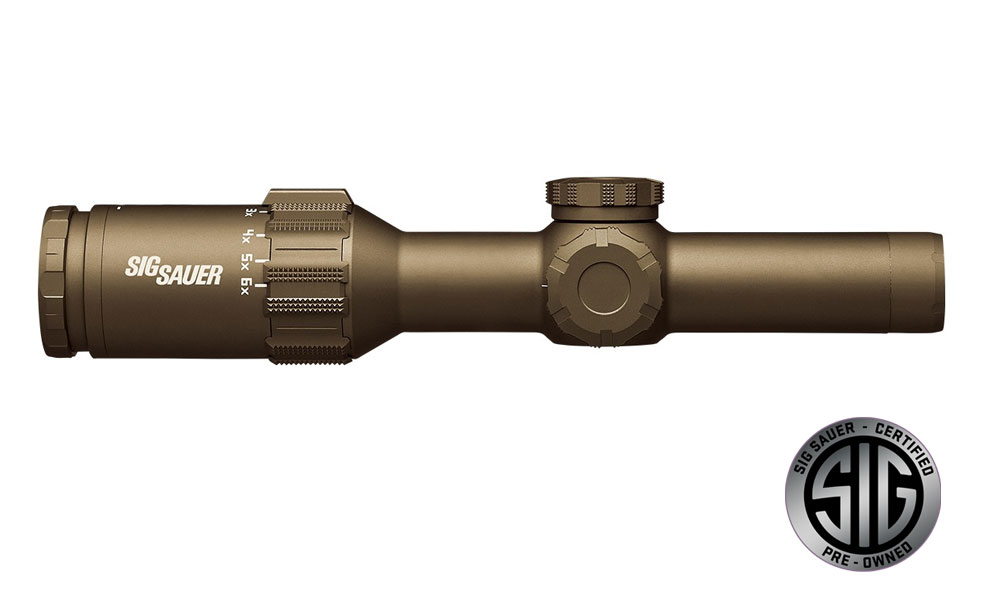
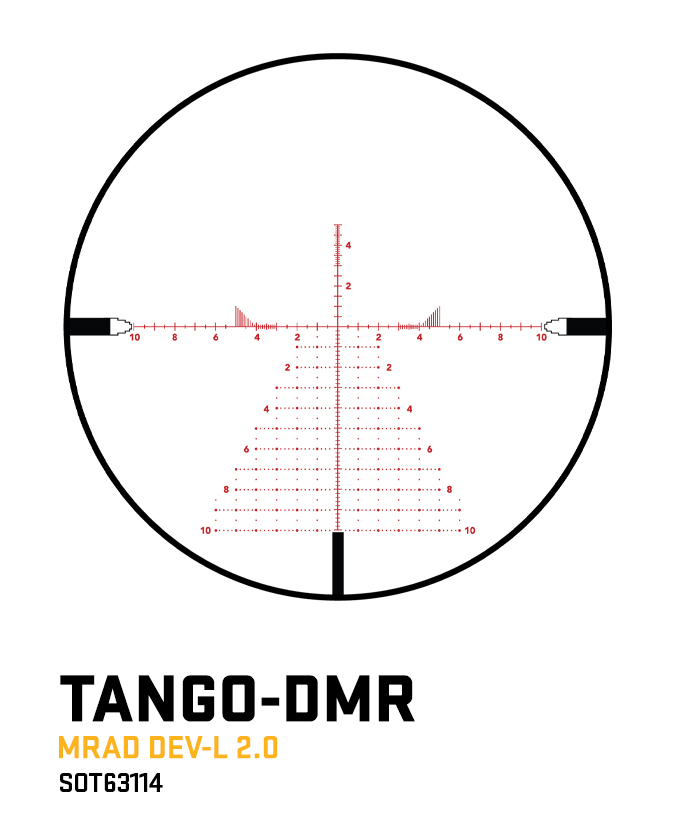
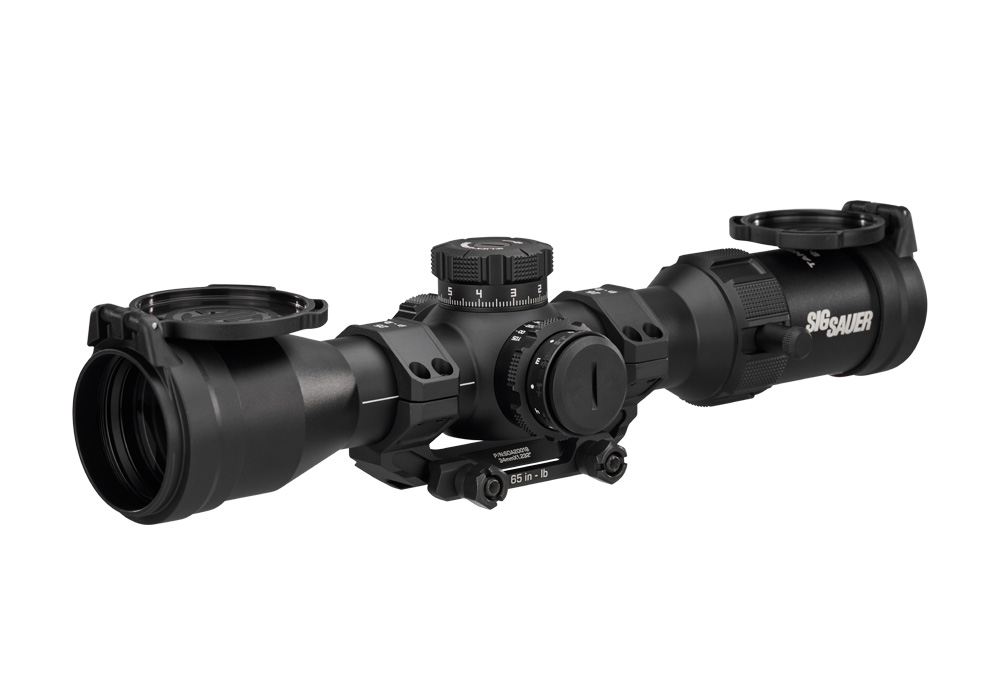
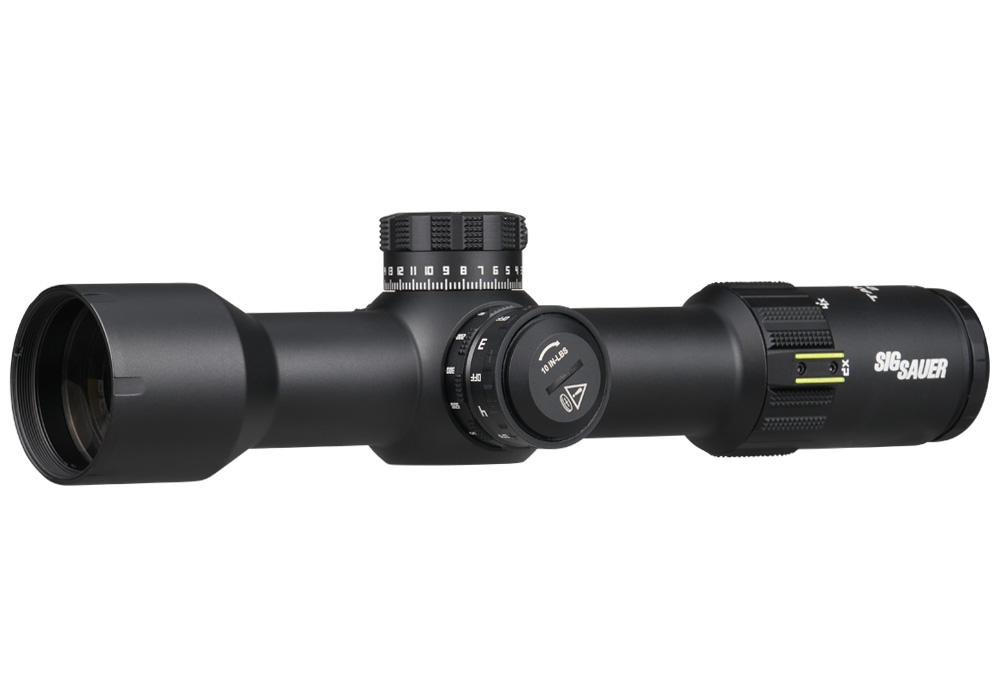
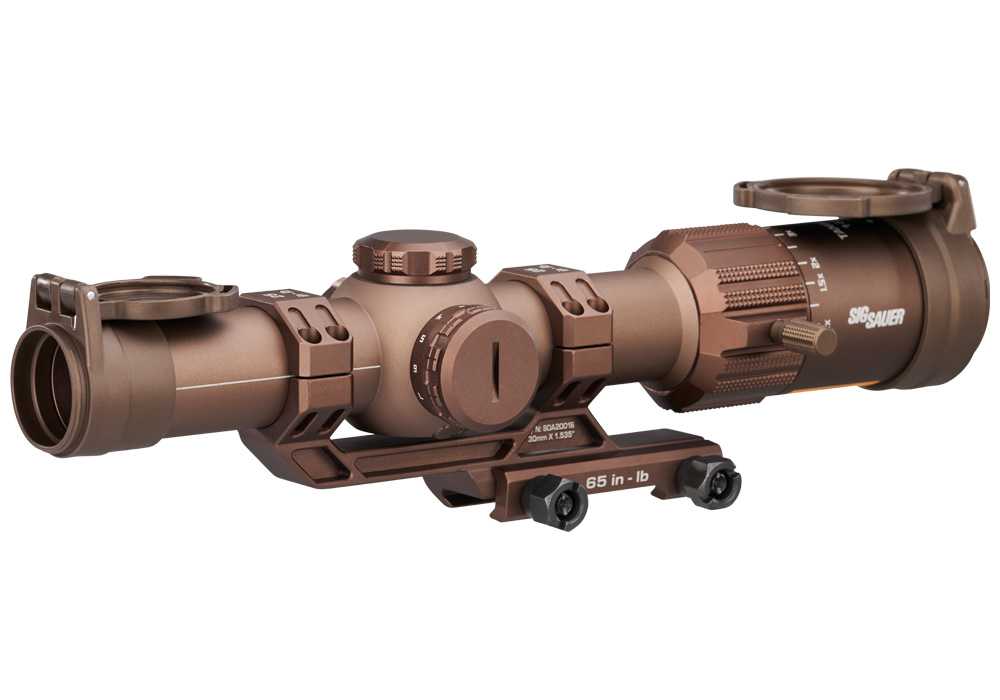
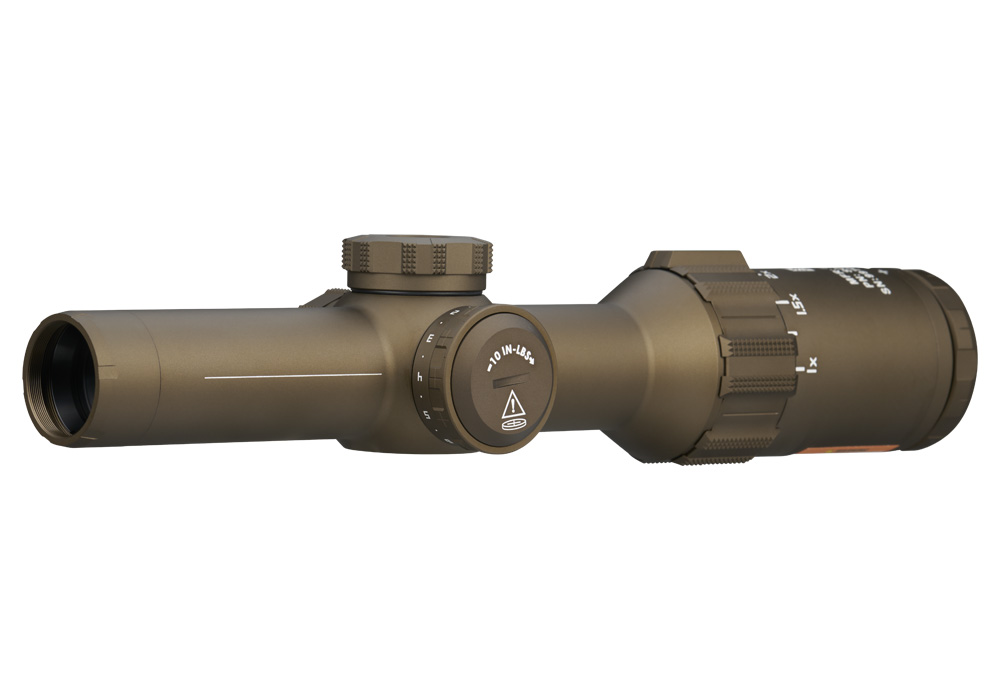
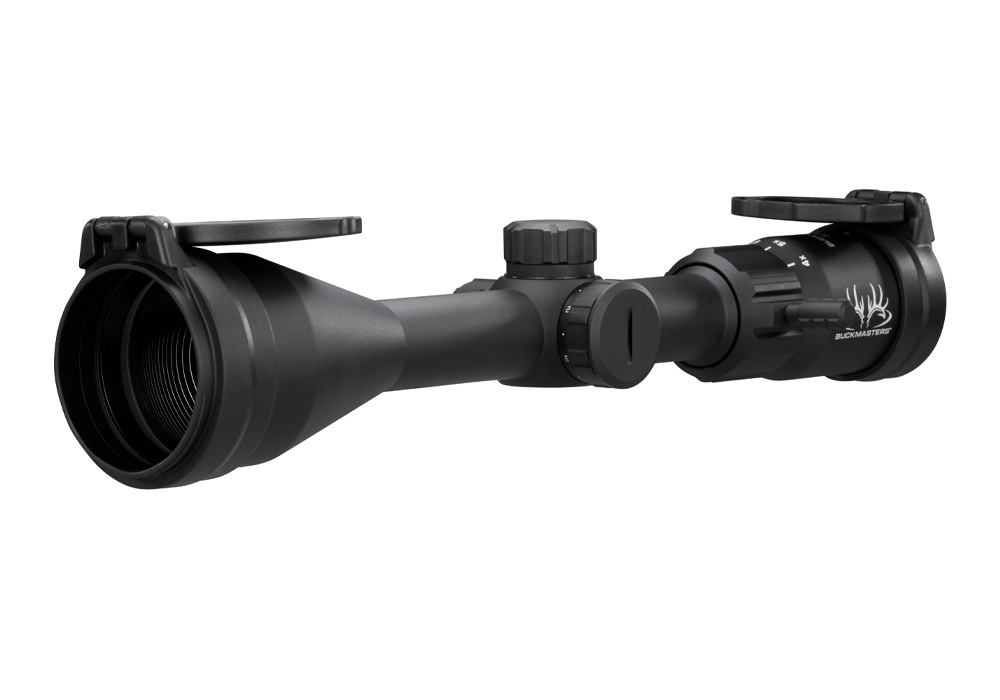
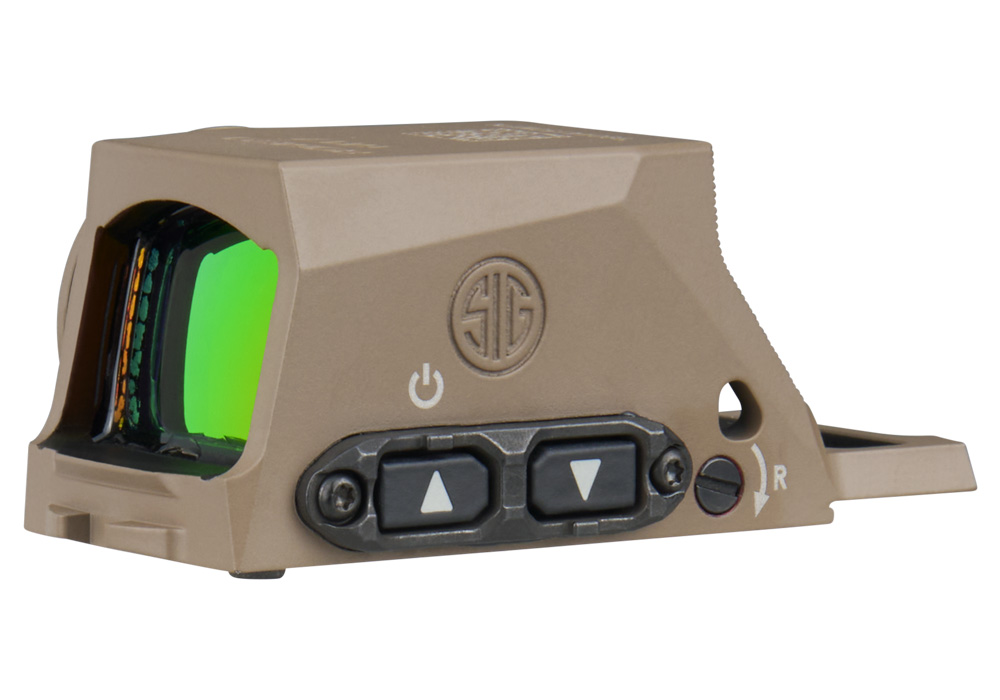
A scope reticle is the pattern of lines, crosshairs, dots, or other markings visible through an optical sight, providing a visual reference for aiming. Reticle scopes combine that reference with an optical system that helps the viewer see a target more clearly, often with adjustable magnification. The reticle’s layout influences how much of the view remains open, how readily the center stands out, and how much reference information appears around it. A simple crosshair presents a familiar, uncluttered picture, while a duplex reticle uses thicker outer lines that narrow toward the center. Fine center lines can help preserve the view of a small paper aiming point, while a prominent center dot or illuminated element can be easier to distinguish against a visually busy background. More detailed patterns add hash marks, numbered scales, or grid arrangements, giving the scope a different visual character and providing additional reference points. Those features are not interchangeable advantages; the right balance depends on the intended sporting activity and the shooter’s preferences. Someone spending an afternoon on a supervised target range may appreciate a fine central reference that leaves scoring rings visible. A hunter may favor a simpler pattern that is easy to recognize without searching through a dense field of markings. Competitive target shooters may prefer a layout consistent with the rules and demands of their discipline. Reticles can use wire elements or markings etched into glass, and some incorporate illumination to emphasize selected portions of the design. Neither the number of markings nor illumination alone determines optical quality. Lens clarity, contrast, magnification, and reticle visibility all contribute to the experience of looking through a scope. An effective match feels readable rather than crowded, with a central reference that suits the target and enough surrounding detail to support the intended use. Personal eyesight matters, too: a pattern that looks crisp to one viewer may feel overly fine or visually distracting to another.
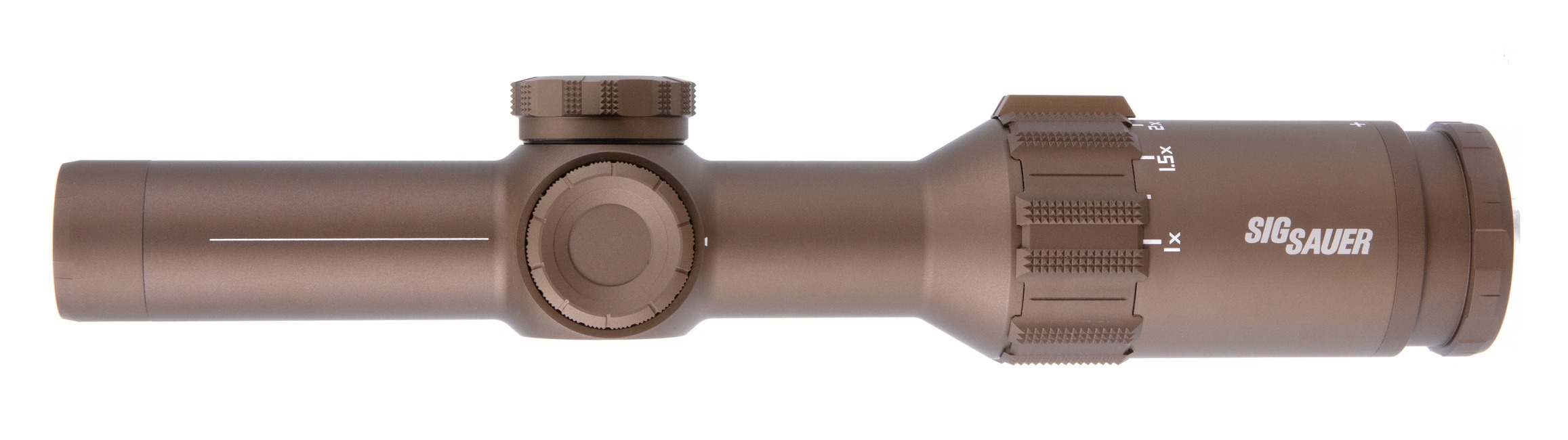
Magnification and focal-plane design are important distinctions among reticle scopes because they affect how the aiming pattern appears as the view changes. In a first focal plane scope, the reticle appears to grow or shrink with changes in magnification, maintaining its proportions relative to the target image. In a second focal plane scope, the reticle appears to stay the same size while the target image changes size. Each arrangement has practical appeal, and neither is automatically the better choice for every sporting application. A consistent apparent reticle size can offer a familiar sight picture, while a first focal plane design keeps the relationship between the markings and the viewed image consistent throughout the magnification range. Fine details may be more difficult to see at some settings, so legibility across the range deserves attention alongside the magnification numbers. Where a reticle includes measurement scales, descriptions may use minutes of angle, abbreviated MOA, or milliradians, commonly called MRAD. These are angular measurement systems, not indicators of lens quality, and matching the reticle system with the scope’s adjustment system can make the controls more straightforward to understand. Shoppers interested in more detailed reference patterns can explore Tactical Reticles for related configurations. Beyond the reticle itself, physical fit matters just as much as the view through the lenses. Tube diameter, mounting-ring compatibility, objective clearance, overall length, and weight all affect how a scope integrates with a firearm. Eye relief describes the distance between the eyepiece and the viewer’s eye at which the full image is visible; suitable spacing and a comfortable viewing position are important considerations. A scope that looks appealing on paper may feel cumbersome on a lightweight sporting rifle or awkward with an existing stock configuration. Manufacturer specifications and qualified installation support help confirm compatibility without relying on appearance alone. Accessible controls, readable markings, and an eyepiece adjustment that accommodates the viewer’s vision round out the everyday handling experience.
Construction and care help distinguish a scope that remains pleasant to use from one that becomes frustrating over time. Aluminum bodies are common because they balance structural strength with manageable weight, while protective surface finishes help resist routine wear from handling and transport. Lens coatings can improve light transmission, reduce reflections, or support easier cleaning, but coating descriptions should be considered alongside the overall optical design rather than treated as a complete measure of performance. Sealed construction and internal gas purging may help limit moisture intrusion and internal fogging, depending on the scope’s design and stated specifications. Durability also involves the controls: adjustment turrets, magnification rings, illumination buttons, and battery compartments should feel secure and function as intended. An illuminated reticle introduces additional considerations, including battery type, brightness settings, and whether the central pattern remains visible without electrical power. Brightness that overwhelms the target image can be distracting, so a broad, usable adjustment range may matter more than an especially intense maximum setting. For routine care, loose dust should be removed before wiping optical surfaces, using lens-safe tools and cleaning products recommended by the manufacturer. A shirt sleeve or ordinary household cleaner can leave residue or damage delicate coatings. Protective lens covers and a padded case help prevent unnecessary contact with the glass during storage and transport, while occasional checks for loose accessories or worn covers can catch small problems early. Installation, maintenance, and handling should follow the scope and firearm manufacturers’ instructions, with the firearm unloaded before maintenance or mounting work begins. As a gift for a responsible hunter or target shooter, a reticle scope is most useful when the recipient’s preferred reticle style, mounting requirements, and intended activity are already understood. The most satisfying choice is not necessarily the most complex one. It is the scope whose view stays clear, whose markings feel intuitive, and whose size, controls, and construction suit the way it will be used.