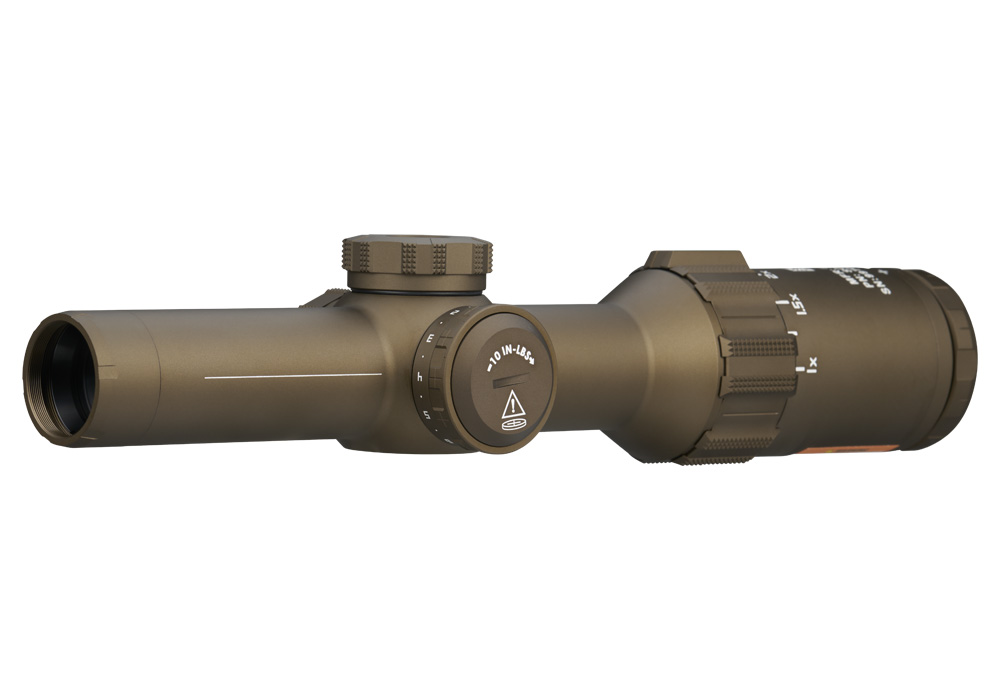
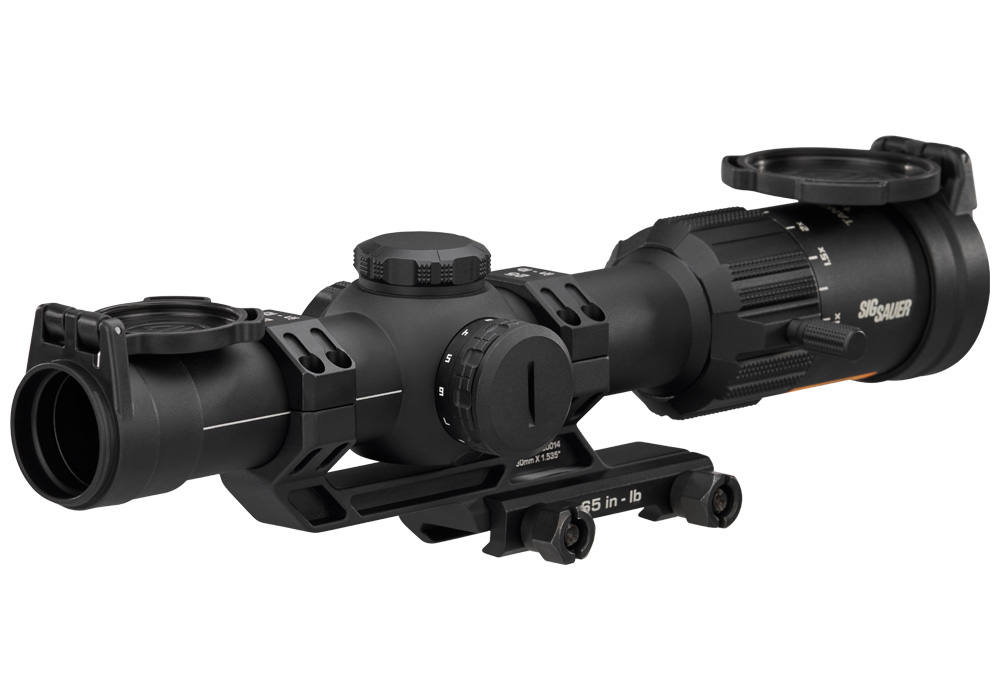
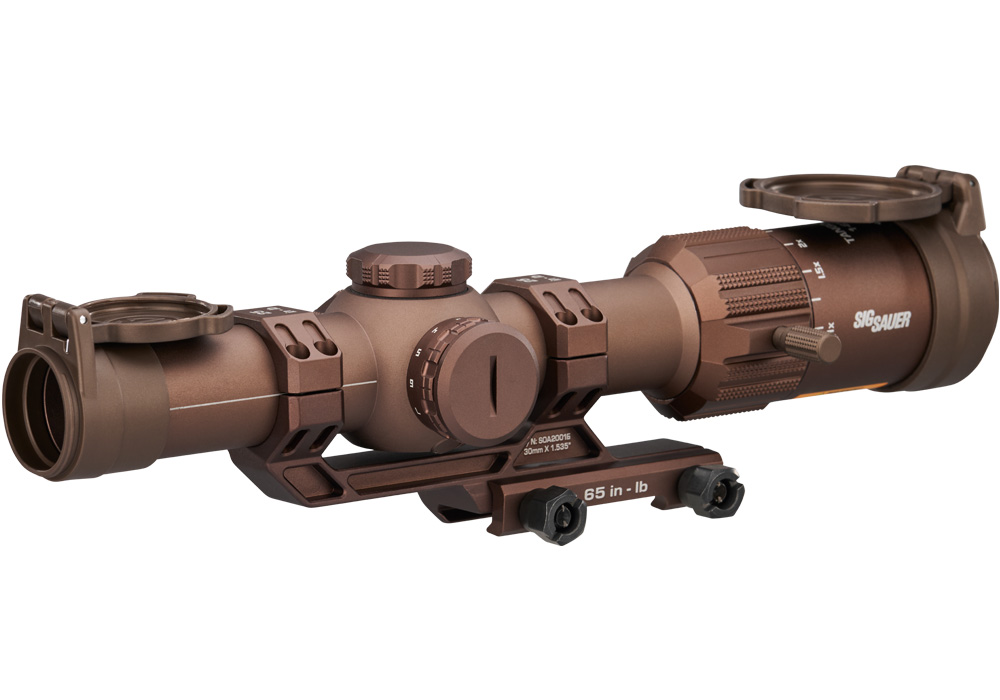
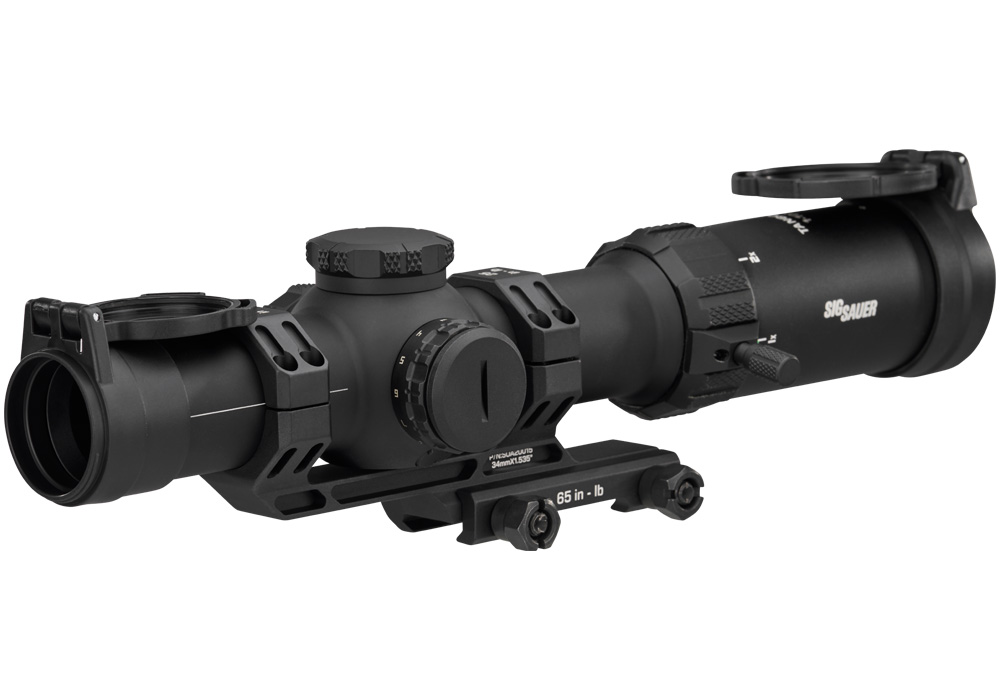
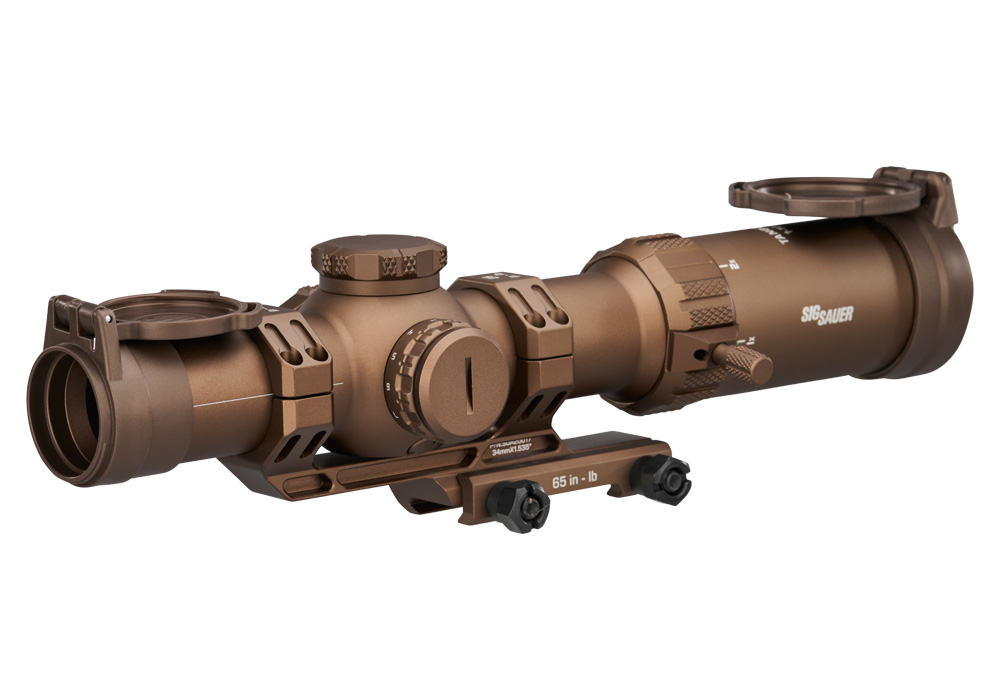
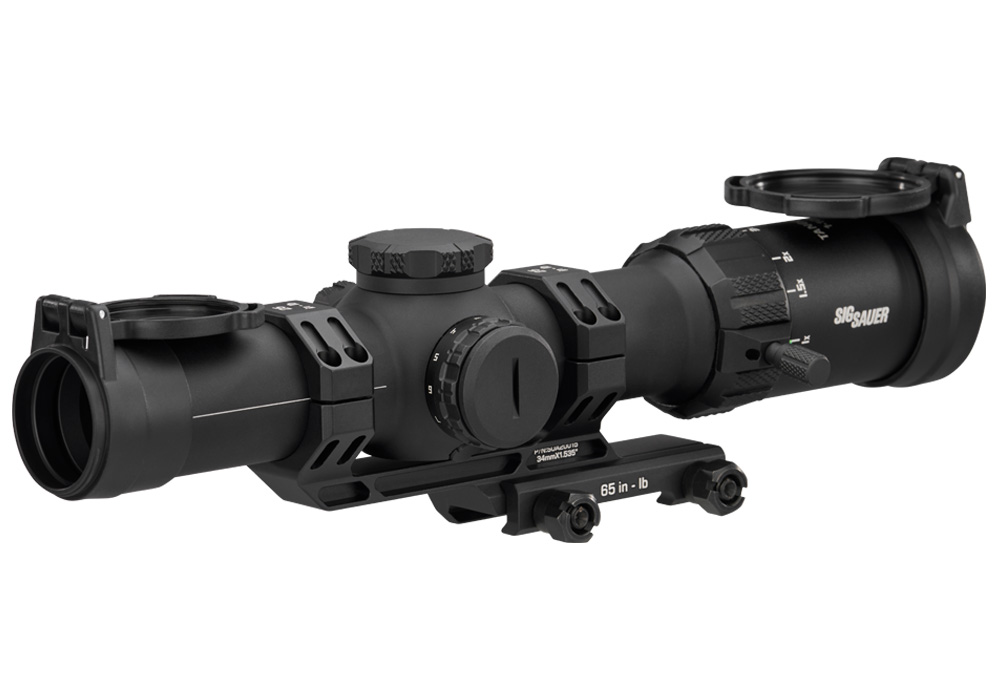
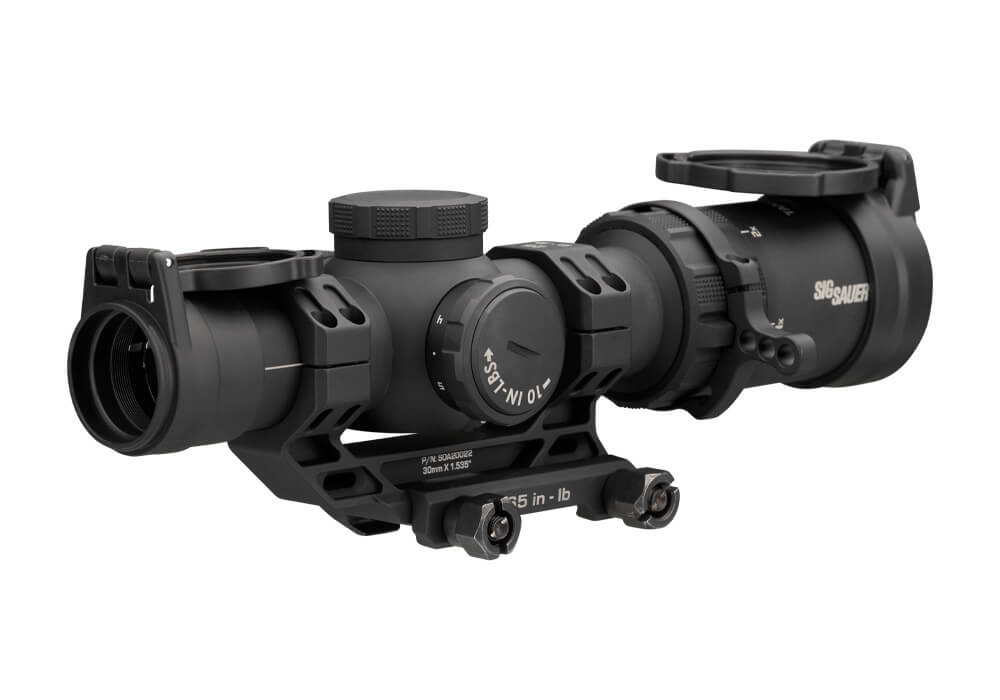
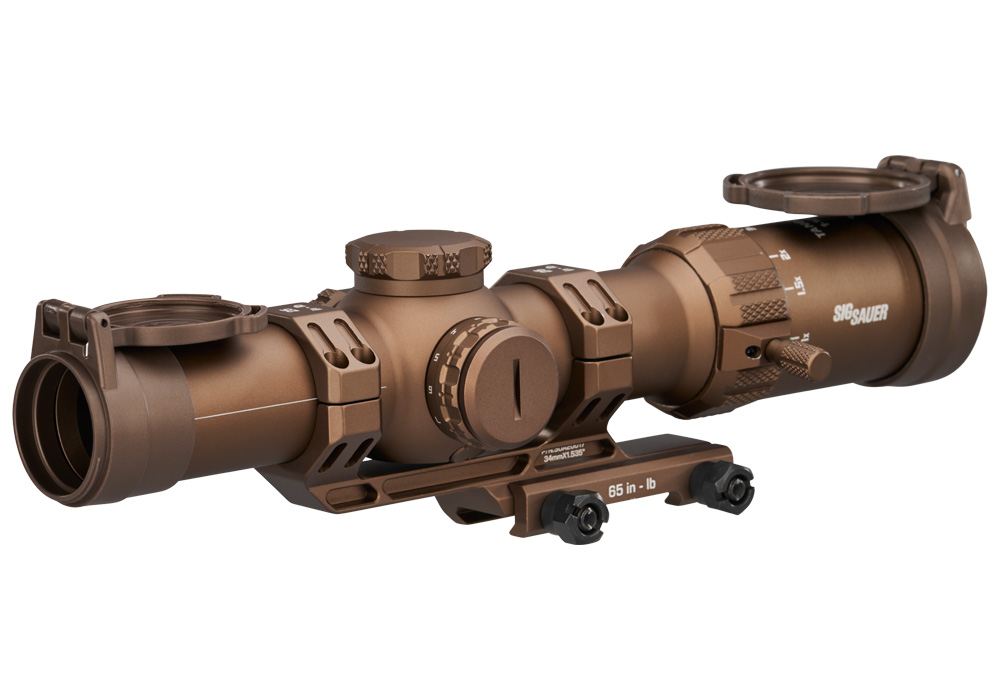
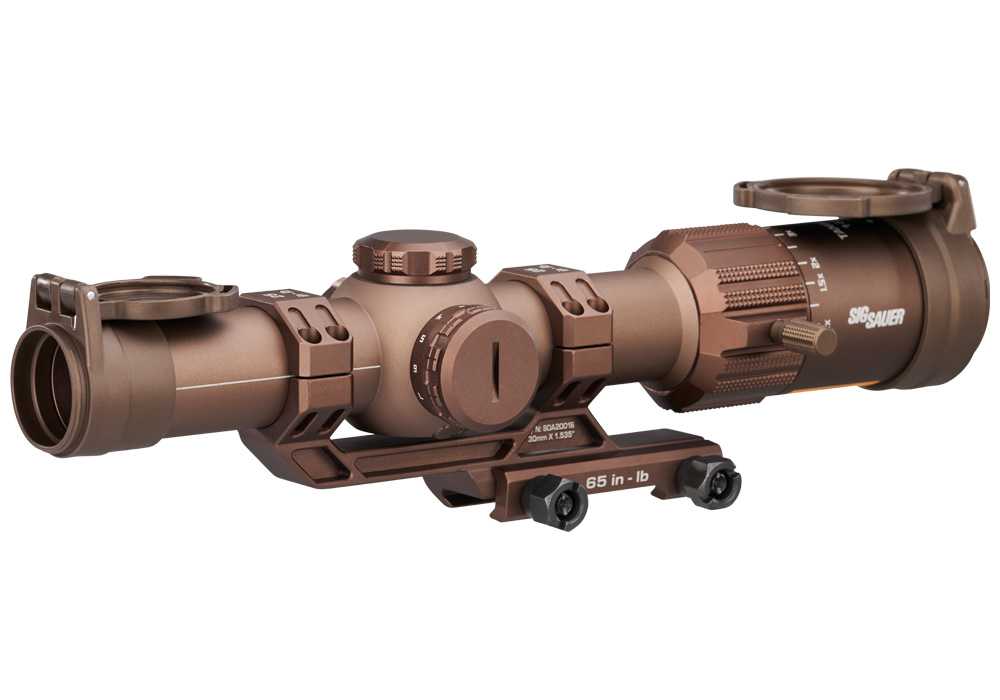
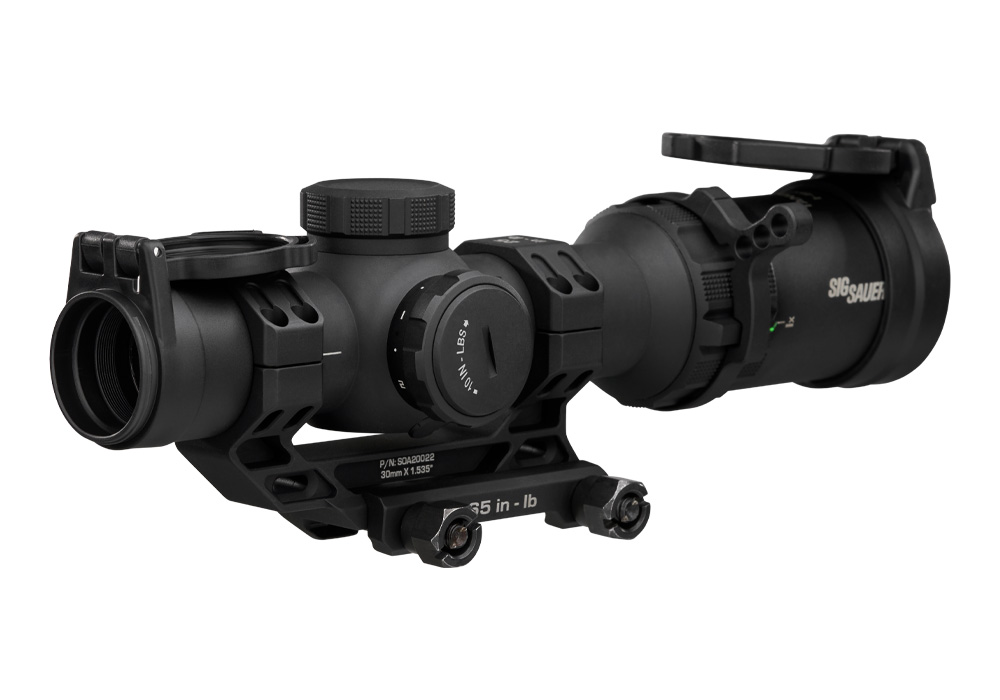
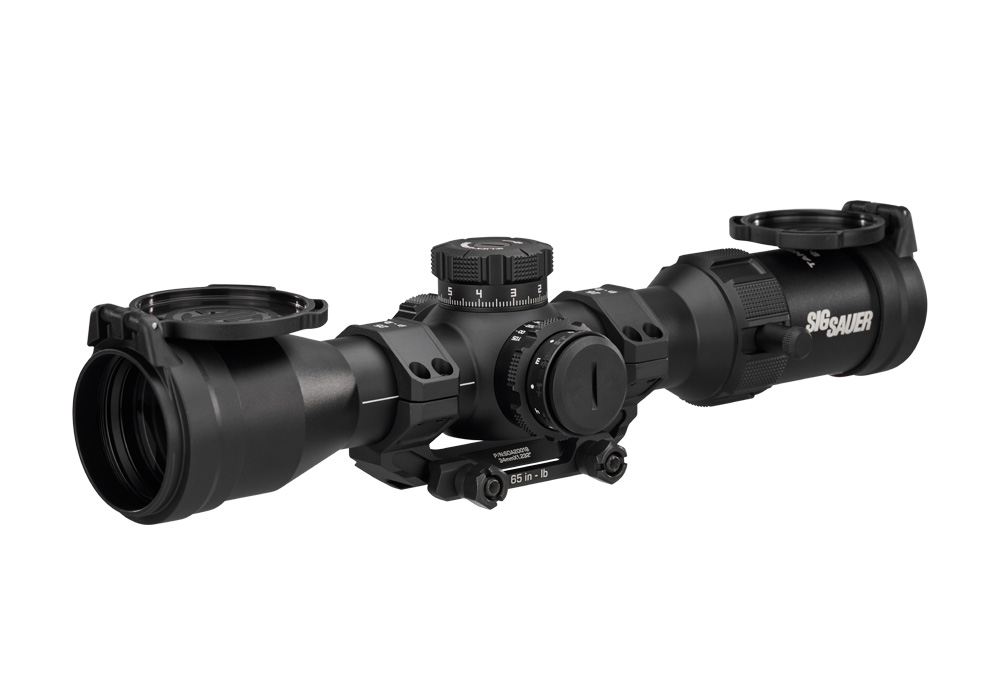
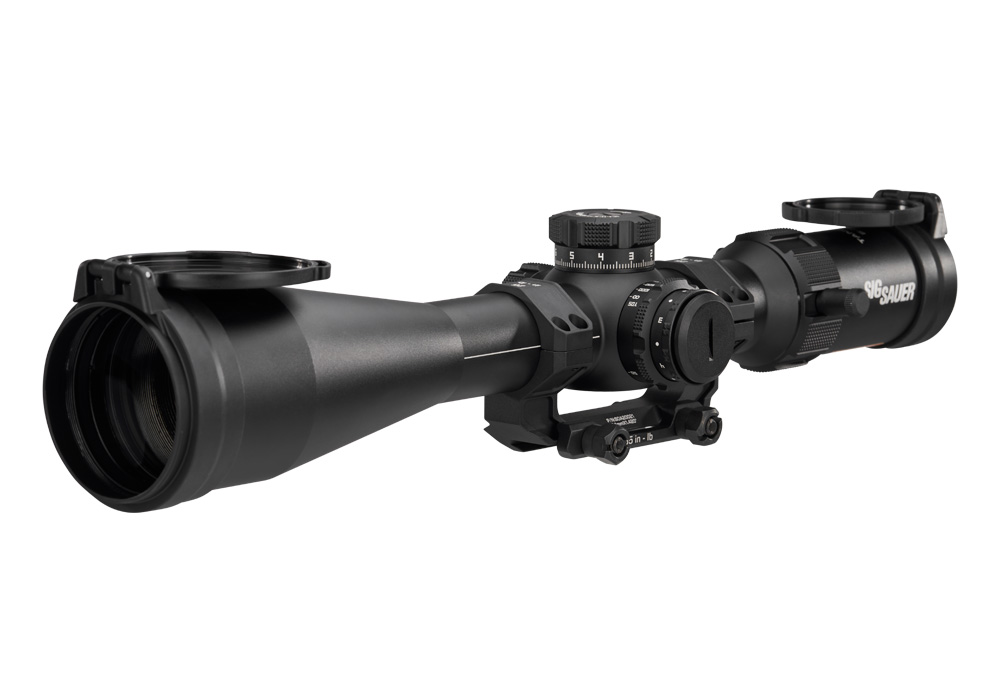
AR-15 scopes provide a magnified view of the target, a defined aiming reference, and a sight picture suited to everything from recreational range sessions to organized target competition and lawful hunting. The category covers several optical designs, each with a different balance of magnification, size, weight, and viewing comfort. Low-power variable optics, often called LPVOs, typically begin near 1x and extend to magnifications such as 6x, 8x, or 10x. Their appeal is versatility: lower settings offer a broader view, while higher settings reveal more detail on distant paper targets or small scoring areas. A 1x setting does not necessarily look identical to a nonmagnifying sight, however; optical distortion, eye placement, and the visibility of the scope housing can affect the experience. Fixed-power prism scopes take a different approach, pairing one magnification level with a compact optical layout and, in many designs, an etched reticle. Higher-magnification variable scopes can suit deliberate target work where fine aiming references matter more than a wide field of view. No single magnification range defines the best AR-15 scope for every rifle or shooter. A competitor moving between targets at different distances may appreciate an easily operated magnification ring, while a recreational shooter spending most of a session on a familiar range may prefer a simpler configuration with less weight. Magnification also cannot substitute for optical quality: a clear, well-resolved image at moderate power can be more useful than a larger image with soft edges or poor contrast. Scopes differ from red dot and holographic sights, which generally provide a nonmagnified aiming reference, although some configurations pair those sights with a separate magnifier. Comparing scopes with other AR15 Sights helps clarify those differences without treating every aiming system as interchangeable. For a rifle carried between shooting positions, the complete optic-and-mount combination matters as much as the scope’s magnification range.
Optical quality becomes especially noticeable when a target has fine lines, closely spaced scoring rings, or little contrast against its background. Lens design, coatings, and internal light control all influence how clearly those details appear. Consistent sharpness across the image, restrained glare, and usable contrast deserve attention alongside the headline magnification specification. Objective lens diameter is another part of the design rather than a standalone measure of quality; a larger objective can support a larger exit pupil at a given magnification, but it can also increase bulk and affect mounting clearance. Eye relief describes the distance between the eye and the scope at which the full image is visible, while the eye box describes the range of eye positions that preserve a useful sight picture. These characteristics influence comfort when a shooter moves from a bench to another supported position or uses protective eyewear. Reticle design adds another layer of choice. A simple crosshair keeps the view uncluttered, while graduated reticles offer additional reference marks for target shooting. Those markings may use angular measurements or ballistic references, and their usefulness depends on understanding the particular design. Ballistic references are not universal matches for every ammunition and rifle combination. First focal plane reticles change apparent size with magnification, preserving the relationship between their markings and the target throughout the zoom range. Second focal plane reticles remain a consistent apparent size, with graduated markings generally corresponding to their stated values at a specified magnification. Illuminated reticles can improve visibility against some backgrounds, but illumination quality involves more than maximum brightness; adjustment range and a clearly defined aiming point also matter. An etched reticle can remain visible without battery power, although visibility still depends on the scene and optical conditions. Shooters who find an illuminated dot irregular may prefer the appearance of an etched reticle, but individual vision varies, so an in-person comparison can be valuable.
Materials, construction, and mounting compatibility determine how comfortably an AR-15 scope becomes part of the rifle. Aluminum scope bodies are common because they balance structural strength with manageable weight, while protective finishes help resist ordinary surface wear. Sealing, internal gas purging, and recoil testing are features to evaluate through the manufacturer’s stated specifications rather than assume from appearance alone. A substantial housing does not automatically indicate better durability, just as a lightweight optic is not necessarily fragile. The scope tube diameter must match the rings or mount, and the mounting system must fit the rifle’s rail interface. Mount height, forward offset, objective clearance, and access to the rifle’s controls all influence the final fit. A scope that looks compact on its own may feel quite different once its mount and accessories are included. For a shooter who regularly transports a rifle in a fitted case, external dimensions and turret placement can also affect everyday convenience. Capped turrets protect adjustments from incidental contact, while exposed designs prioritize access; locking mechanisms and adjustment markings vary by model. Installation should follow the scope and mount manufacturers’ instructions, with qualified assistance when compatibility or fit is uncertain. Long-term care is usually straightforward but benefits from restraint. Loose grit should be removed before a lens is wiped, and cleaning materials should be appropriate for coated optical glass. Household cleaners, abrasive cloths, and unnecessary rubbing can damage surfaces that otherwise need little attention. Lens covers help protect glass during storage and transport, while periodic checks of mounting hardware and battery condition support dependable use. For an experienced recreational shooter or a family member who enjoys target sports, an optic can be a thoughtful gift when the intended rifle, preferred activities, and mounting requirements are already understood. The most satisfying choice is not necessarily the largest or most complex scope, but one whose image, controls, dimensions, and construction suit the way the rifle is actually used.