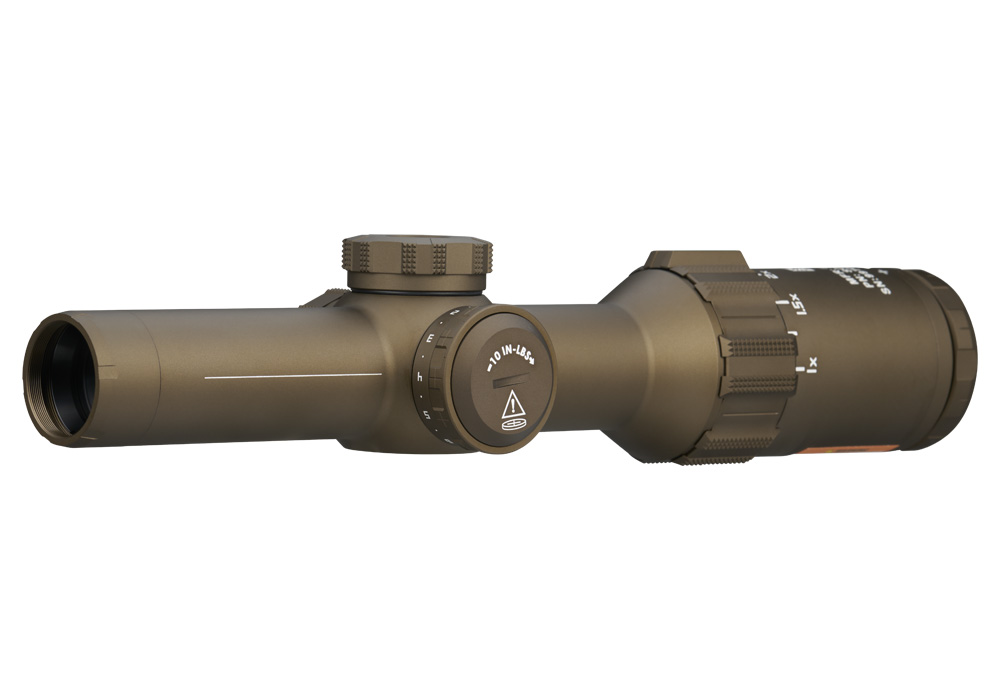
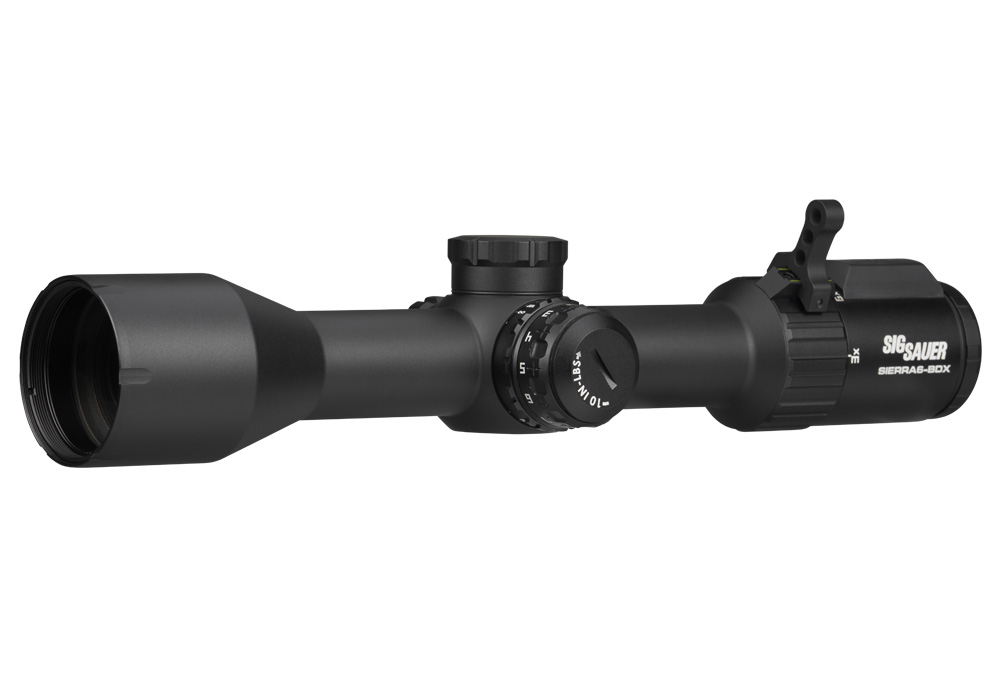
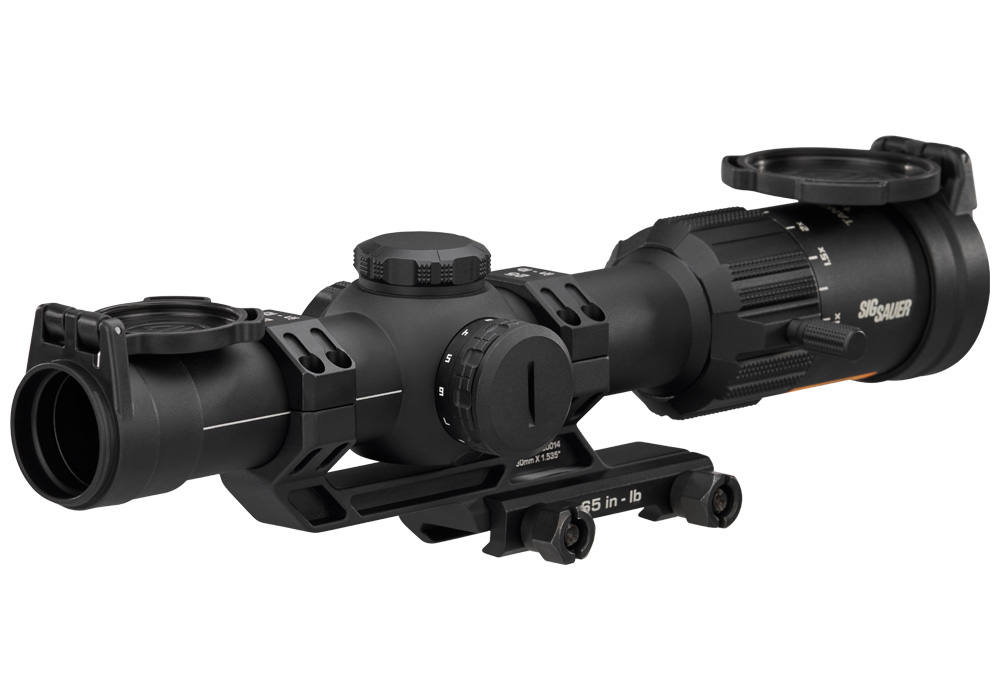
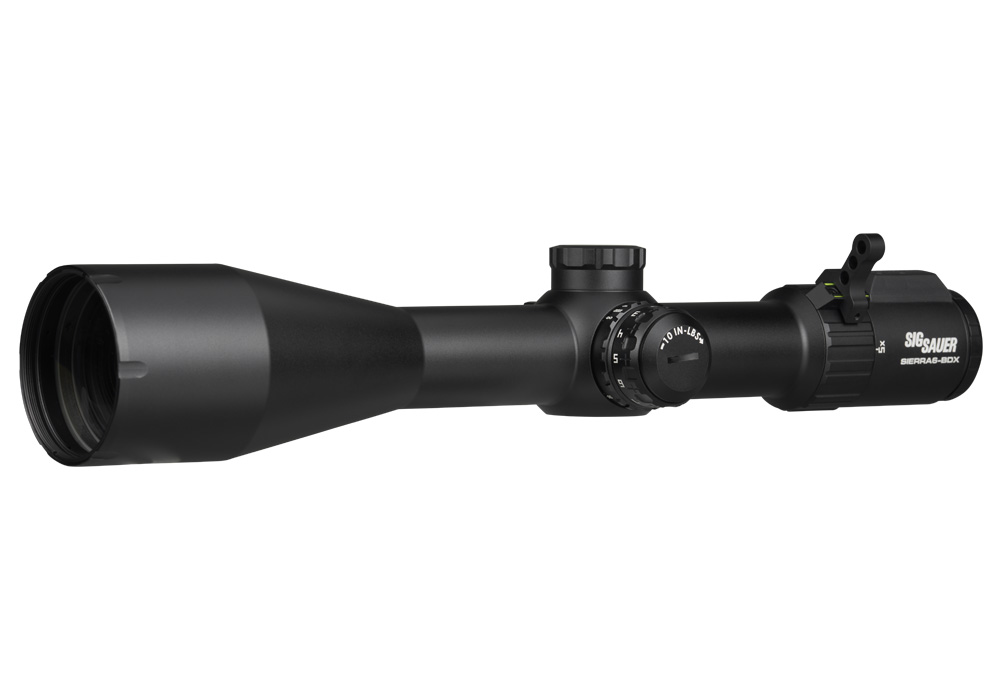
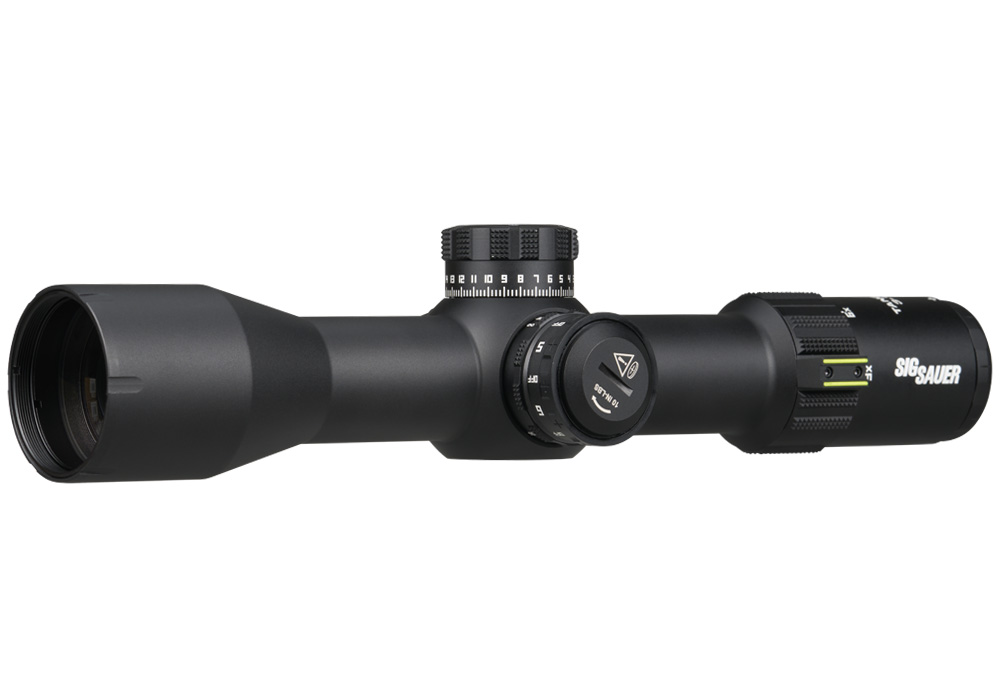
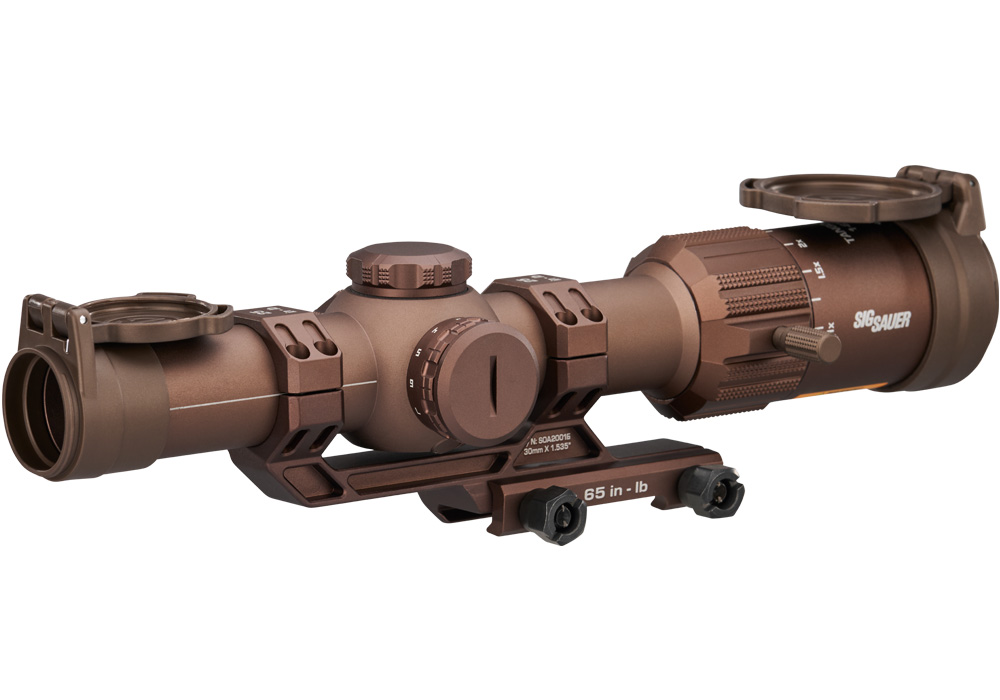
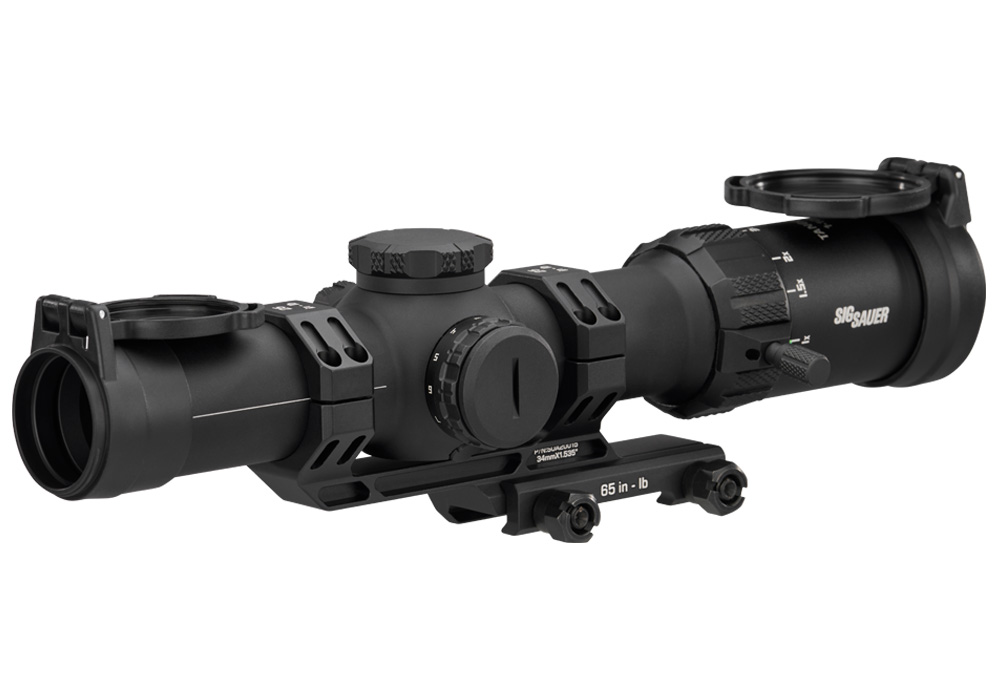
Black rifle scopes are magnified optical sights with a black exterior finish, designed to mount on a rifle and provide a clear aiming reference for hunting, recreational target shooting, and organized shooting sports. The term describes an appearance rather than a single optical design: a black riflescope may have fixed or variable magnification, a simple reticle or a graduated aiming pattern, and a compact or larger housing. A black finish alone does not establish compatibility with a particular rifle. Mounting dimensions, eye relief, overall length, and clearance matter more than color when matching an optic to a firearm. The appeal of a matte black exterior is straightforward: it coordinates easily with many rifle finishes and limits distracting reflections from the housing. Beneath that finish, aluminum bodies offer a practical balance of strength and weight, while anodized surfaces help resist everyday wear. Construction varies, so durability depends on the complete design, including the internal adjustment system, lens retention, and mounting interface, rather than the exterior treatment alone. For a recreational shooter spending an afternoon at a paper-target range, a useful scope presents a crisp aiming point without unnecessary visual clutter. For a hunter carrying a rifle over a long route, manageable weight and a comfortable viewing position can matter as much as magnification. A competition participant may place greater value on repeatable adjustments, a clearly marked reticle, and controls that are easy to distinguish by touch. These different priorities explain why black rifle scopes cover such a broad range of sizes and configurations. The black housing gives them a shared look, but their optical characteristics determine how they perform in use. Shoppers comparing Performance Riflescopes can evaluate those characteristics alongside the rifle’s mounting requirements and their preferred shooting activities. A well-matched scope should feel like part of the rifle rather than an oversized accessory, with controls that remain accessible and a sight picture that appears naturally when the rifle is shouldered.
Magnification is one of the clearest distinctions between riflescopes, but more power is not automatically more useful. Lower magnification generally provides a wider field of view, making it easier to locate a target and retain visual context around it. Higher magnification can reveal finer target detail, though it also magnifies visible movement and often demands more precise eye positioning. Variable-power scopes let the shooter change that balance, while fixed-power designs offer a consistent view with fewer controls to manage. In a specification such as 3–9x40, the first numbers describe the magnification range and the final number identifies the objective lens diameter in millimeters. A larger objective can support a larger exit pupil at a given magnification, but perceived brightness also depends on glass quality, coatings, optical design, and the viewer’s eye. Larger objectives may require taller mounting hardware and add bulk, so lens diameter deserves consideration alongside rifle balance and cheek support. Reticle design brings another set of practical differences. A straightforward crosshair keeps the view uncluttered, while graduated markings provide reference points for measurement and aiming corrections. In a first focal plane scope, the reticle changes apparent size as magnification changes, keeping its markings proportional to the target throughout the zoom range. In a second focal plane scope, the reticle maintains its apparent size, and the stated values of graduated markings are generally accurate at a designated magnification. Neither layout is universally better; the useful choice depends on how the shooter expects to use those references. Illumination can improve reticle visibility against visually busy backgrounds, but it does not improve the underlying resolution of the image. Adjustable brightness helps keep an illuminated aiming point from overpowering fine detail. Turret design also affects the experience: capped controls protect settings from unintended movement, while exposed controls offer easier access for deliberate adjustments. Where present, parallax adjustment helps bring the target image and reticle into the same optical plane, reducing apparent reticle movement as the eye shifts. Clear markings and a readable magnification scale contribute to an optic that is easier to understand and use consistently.
Fit and care have a lasting influence on how a black riflescope performs. The scope’s main tube diameter must match its rings or mount, and the mounting hardware must suit the rifle’s attachment system. Objective diameter, eyepiece size, and mounting height all affect clearance, including space around a bolt handle or other operating controls. Eye relief—the distance between the eyepiece and the eye at which the full image is visible—needs to support a comfortable position with appropriate clearance under recoil. The eye box describes the range of eye positions that preserve a usable view; a forgiving eye box can make an optic feel less demanding during repeated practice. A natural cheek position is important, too. If the shooter has to lift their head away from the stock to see through the scope, the mounting arrangement may deserve another look. Installation should follow the scope and mount manufacturers’ specifications, including the stated torque limits, with a qualified gunsmith handling uncertain fitment. Excessive tightening can damage components rather than improve security. For routine care, confirm that the firearm is unloaded and follow its safe-handling instructions before inspecting the optic or working around the mounting hardware. Remove loose grit with an appropriate lens brush or air blower before using lens-safe cleaning materials; wiping a dusty lens directly can scratch its coatings. Clean optical surfaces only as needed, protect them with suitable covers during transport, and keep harsh household cleaners away from lenses and seals. A padded case helps protect the scope from knocks, while periodic checks of the mounting hardware can reveal movement or wear before the next range visit. Protective seals and recoil-resistant construction are worthwhile features, but they do not replace careful handling. For someone choosing a scope as a gift for an experienced hunter or target shooter, confirming the recipient’s rifle setup and preferred reticle is more useful than selecting by appearance alone. Black rifle scopes offer a versatile, understated finish; the strongest match combines that appearance with suitable optics, dependable construction, and a fit that supports comfortable, repeatable use.