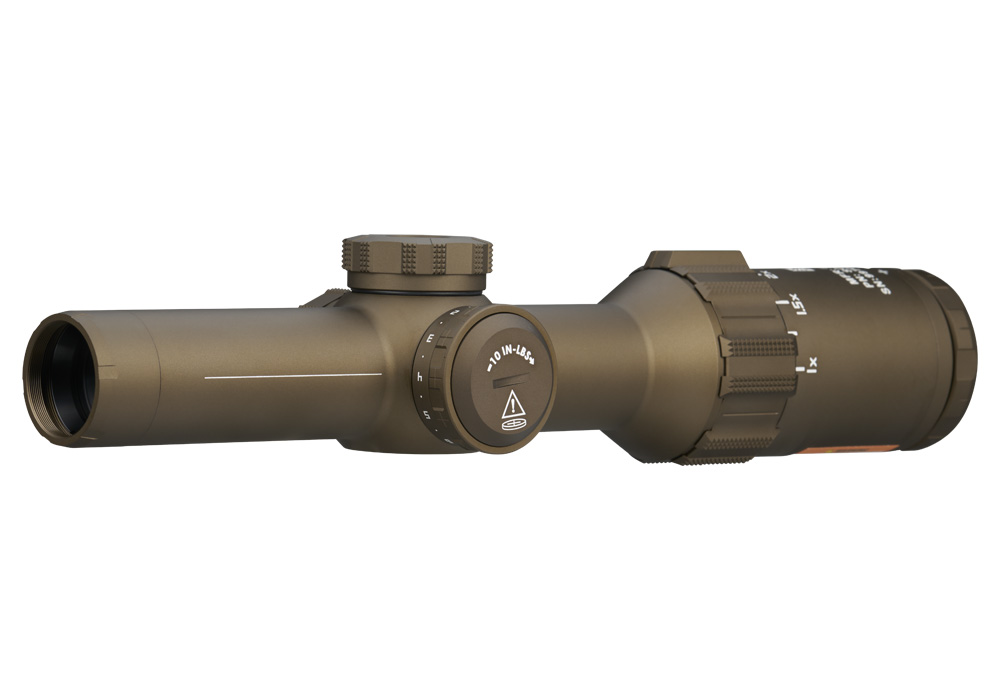
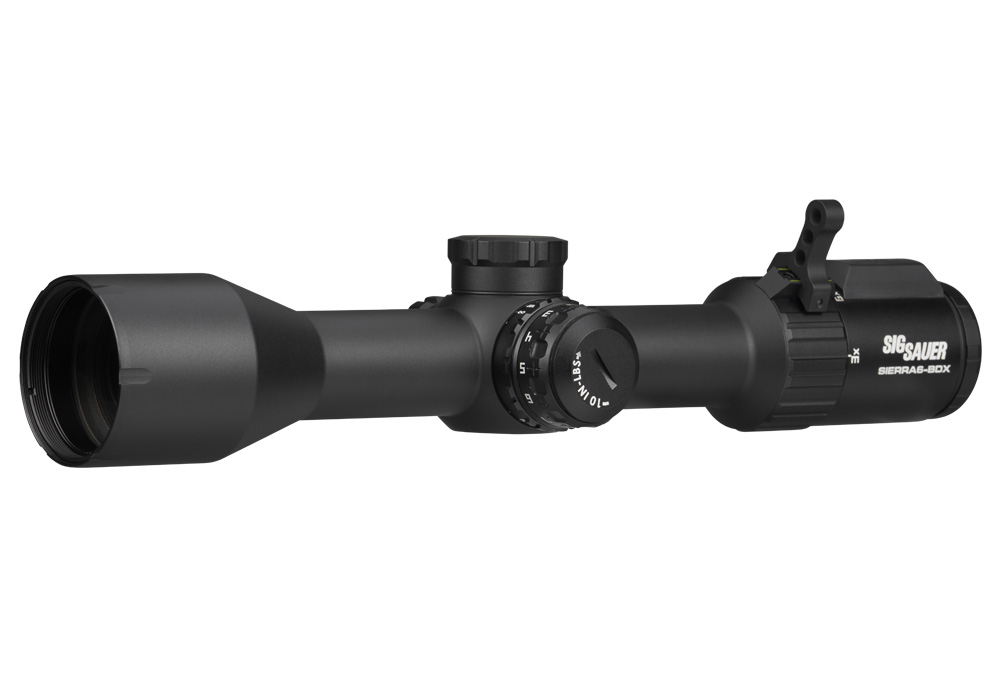
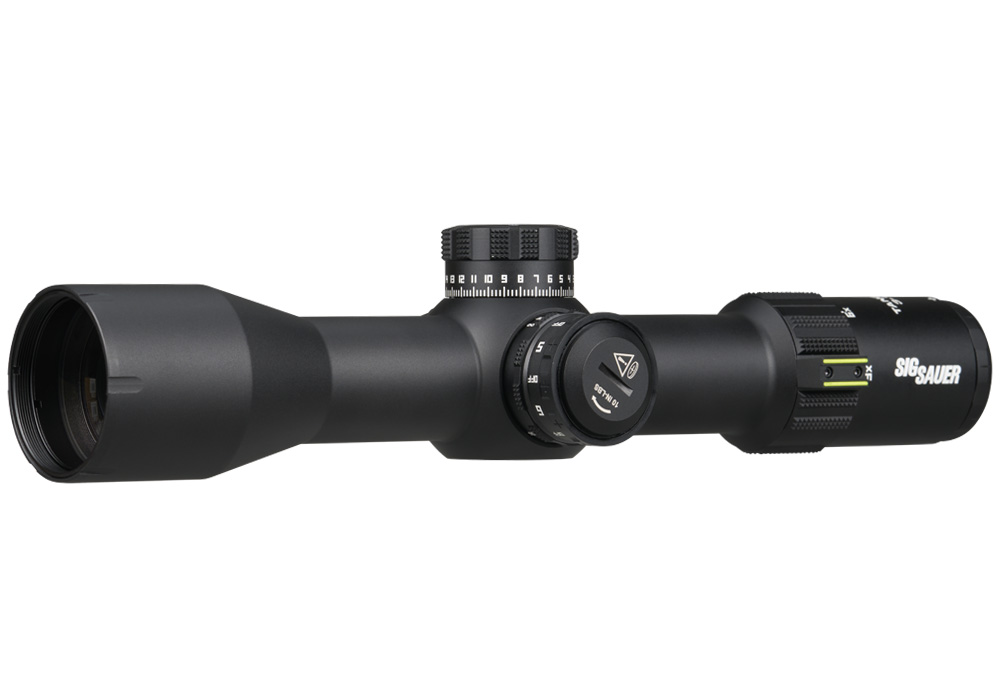
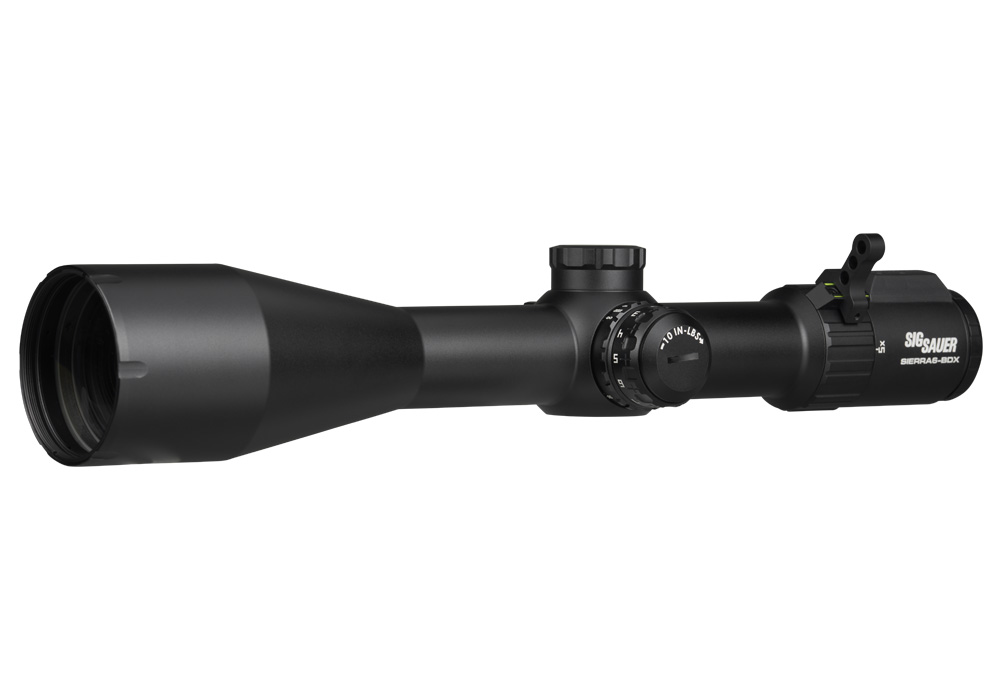
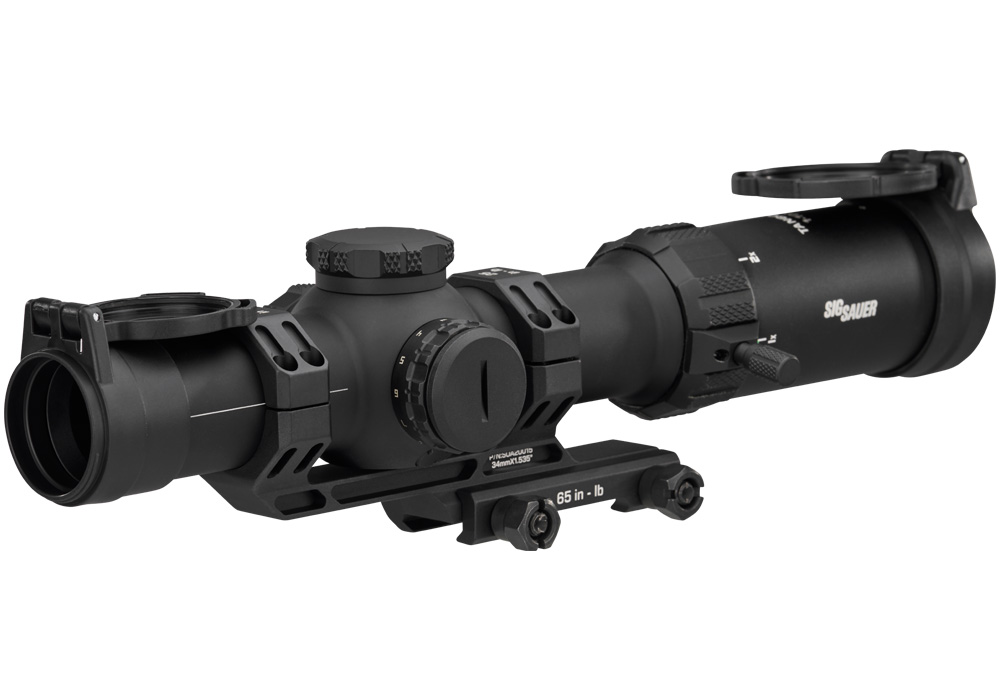
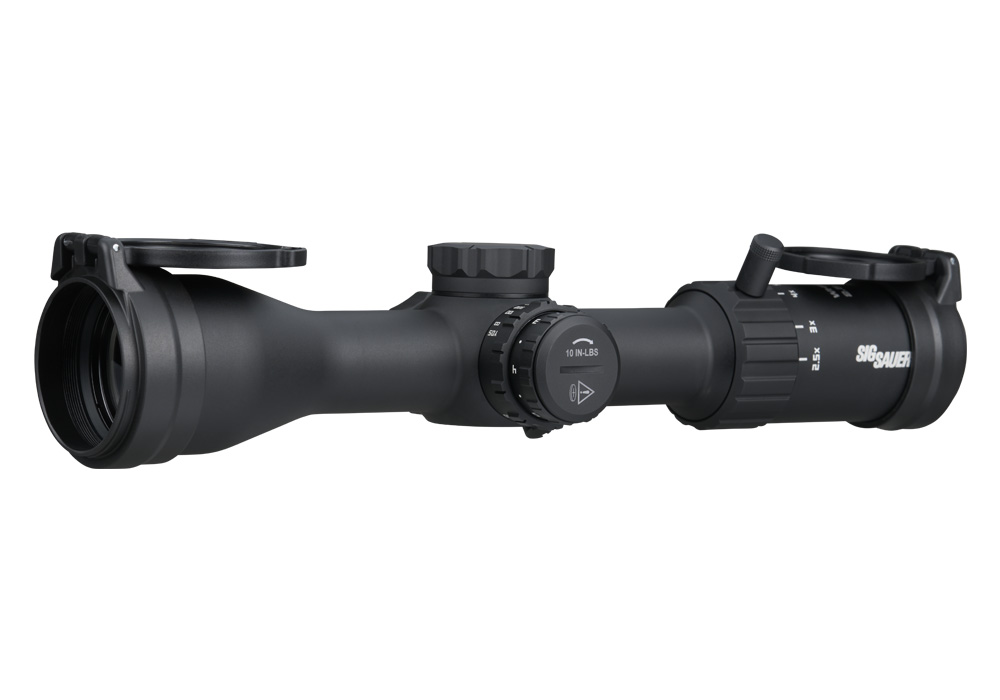
Performance riflescopes combine optical clarity, consistent adjustments, and mechanical durability for hunting, target shooting, and sporting competition. Their value lies in how well those qualities work together: a sharp image is more useful when the reticle remains easy to read, the controls respond predictably, and the scope fits the rifle and its intended role. A lightweight hunting rifle carried over uneven ground places different demands on an optic than a target rifle used from a supported position. Lower magnification offers a broader field of view for locating a target and maintaining visual context, while higher magnification helps reveal smaller details on distant targets. Variable-power designs accommodate a wider range of distances, although a larger zoom range alone does not establish overall optical quality. Resolution, contrast, distortion control, and the ease of finding a full sight picture all contribute to the experience behind the scope. Fine lines on a paper target, subtle edges against a shaded background, and closely spaced scoring rings can reveal differences that a simple magnification specification cannot. Objective lens diameter also deserves context. A larger objective can provide a larger exit pupil at an equivalent magnification, but it can also increase weight and require additional mounting clearance. Effective lens coatings help reduce reflections and support light transmission, while optical design and glass quality influence color accuracy and image definition. For shoppers comparing these characteristics, HD Riflescopes offer a related category to explore with attention to resolution, contrast, and control of color fringing. Comfortable viewing matters alongside sharpness. Adequate eye relief and a forgiving viewing position help a shooter maintain a natural cheek placement without stretching forward or shifting awkwardly behind the rifle. An optic that looks impressive on a specification sheet still needs to feel balanced and usable when viewed from the positions in which it will actually be used.
Reticle design and adjustment controls shape the everyday character of a performance riflescope. A simple aiming pattern can keep the sight picture uncluttered for hunting or general target use, while a graduated reticle provides reference marks for elevation and windage corrections in sporting applications. Readability matters as much as complexity: fine markings can preserve visibility of small targets, but an overly delicate pattern may be difficult to distinguish against a busy background. Illumination can improve reticle visibility in certain lighting conditions, though it illuminates the aiming reference rather than the target. Useful brightness settings keep that reference visible without overwhelming the image. Reticle placement also affects how the markings behave as magnification changes. In a first focal plane design, the reticle changes apparent size with the target image, keeping its subtensions consistent throughout the magnification range. In a second focal plane design, the reticle maintains its apparent size, and graduated references are generally accurate at a designated magnification. Neither arrangement is universally better; the practical difference depends on how the scope will be used and how clearly its markings can be read. Matching the reticle and turret measurement systems, whether milliradians or minutes of angle, keeps the adjustment language consistent. Capped turrets can protect settings from unintended movement during transport and field carry, while exposed turrets offer direct access for applications involving frequent adjustments. Clearly marked graduations, positive clicks, and reliable tracking are important when comparing adjustment systems. Where included, a zero-stop mechanism provides a defined reference for returning the elevation turret to its established zero. Parallax adjustment, often controlled by a side knob, helps bring the target image into the appropriate optical relationship with the reticle at different distances. Its distance markings are reference points rather than substitutes for a dedicated distance-measuring device. These features are most meaningful as a coordinated system: legible markings, accessible controls, and predictable operation support a more settled experience than an elaborate feature list that does not match the shooter’s needs.
Fit and construction determine whether those optical and mechanical features remain practical over years of use. Main-tube diameter must match the mounting rings, and objective size, eyepiece dimensions, and control placement all affect clearance. On a bolt-action rifle, the bolt handle needs room to travel without contacting the eyepiece; on other platforms, the mounting arrangement still needs to leave necessary controls accessible. Mount height influences cheek placement, so extra clearance is not automatically an advantage. The scope’s length and weight also change the balance of the complete rifle, particularly when it will be carried for extended periods. Aluminum main tubes are common because they combine manageable weight with structural strength, while protective finishes help resist surface wear and corrosion. One-piece tube construction, secure internal assemblies, and appropriately sealed housings are relevant durability considerations, although the manufacturer’s stated testing and use limits remain the best reference for any individual optic. Mounting hardware should suit the rifle’s interface, with installation and tightening performed according to the applicable manufacturer specifications. Care is equally practical. Lens covers help shield exposed glass from dust and handling, and lens-safe cleaning materials protect coatings better than a shirt sleeve or an abrasive cloth. Loose grit should be removed before wiping, while unnecessary disassembly can compromise seals or internal alignment. Accessible battery compartments and clear illumination controls simplify routine upkeep on illuminated designs. Storage that protects the optic from impacts, moisture, and pressure on its controls helps preserve its condition between outings. For a gift recipient, compatibility deserves particular attention: the rifle, existing mounts, preferred shooting discipline, and comfort with different reticle systems all influence suitability. An experienced target shooter may appreciate precise adjustment references, while a hunter who values a compact setup may prioritize weight and straightforward controls. Across these uses, a well-matched performance riflescope brings together a clear view, dependable mechanics, comfortable positioning, and construction suited to the way the rifle is carried and used.