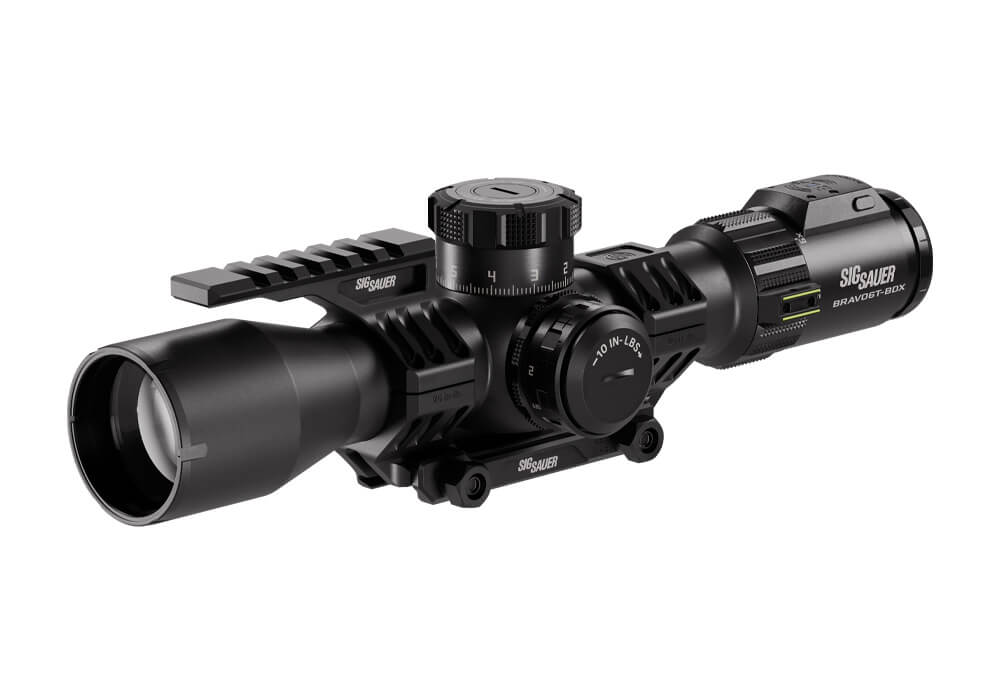
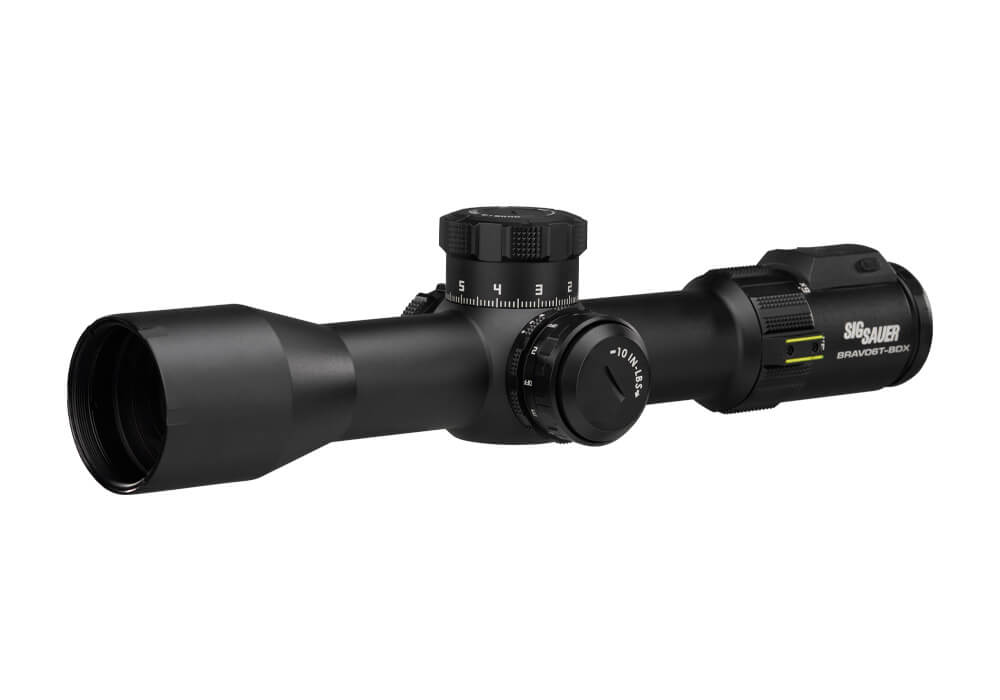
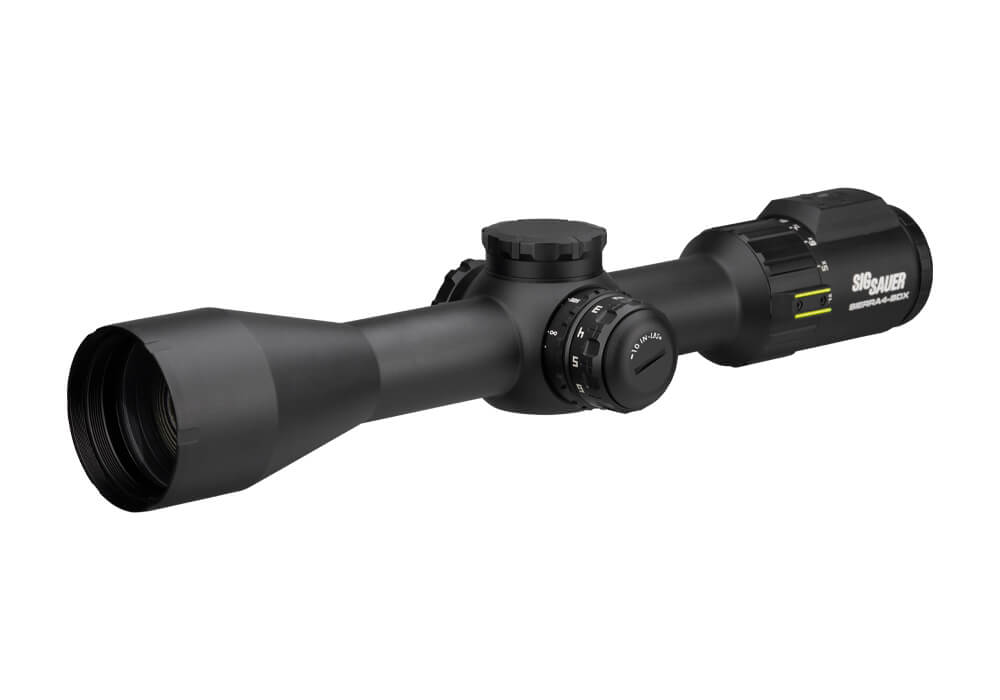
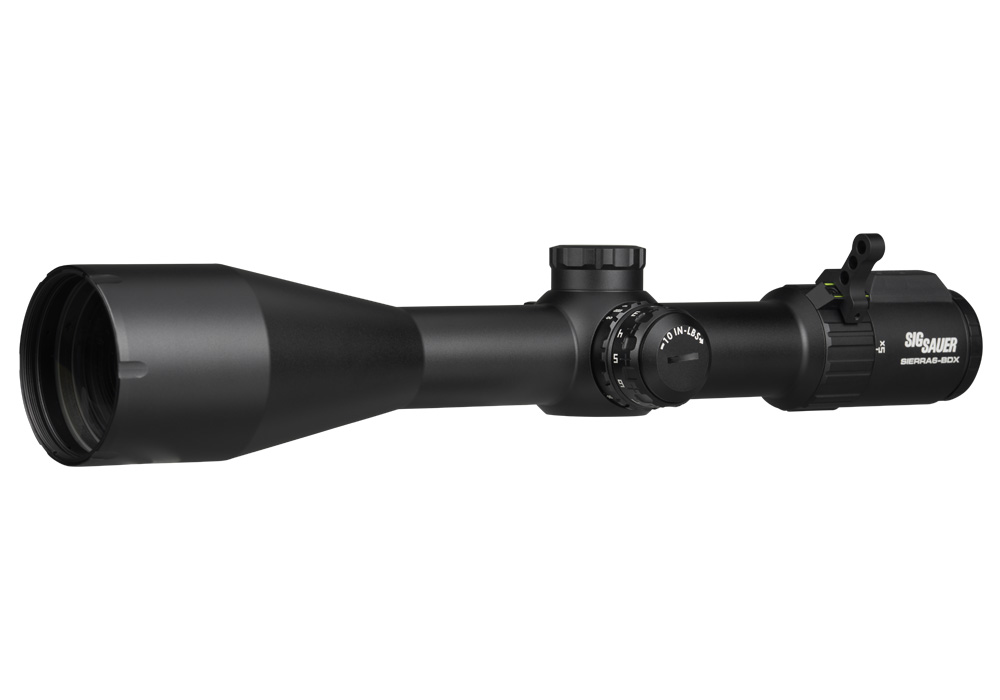
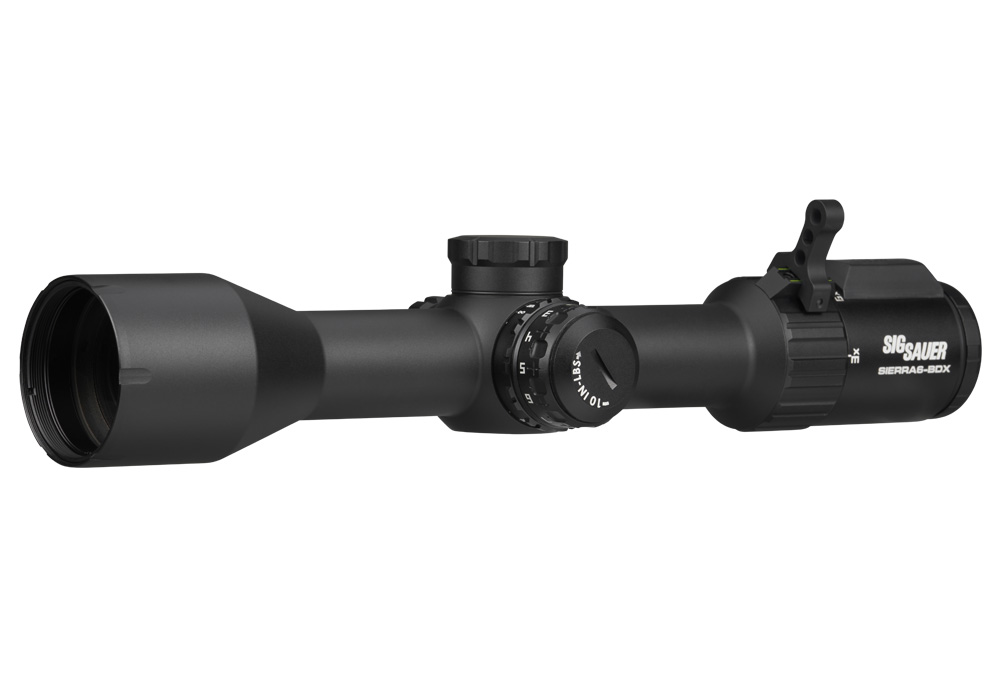
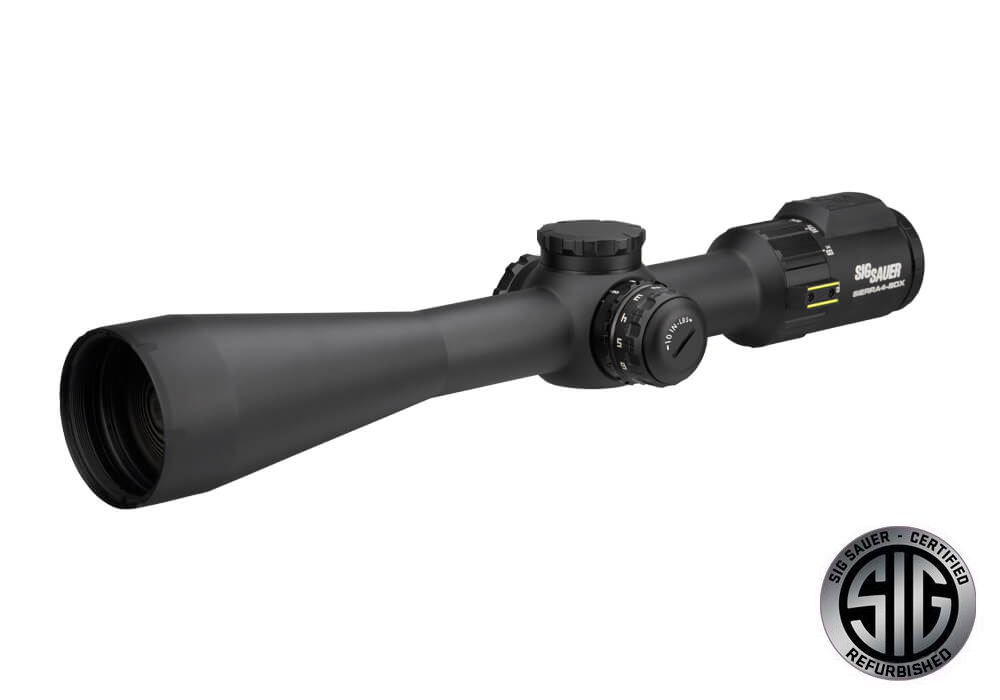
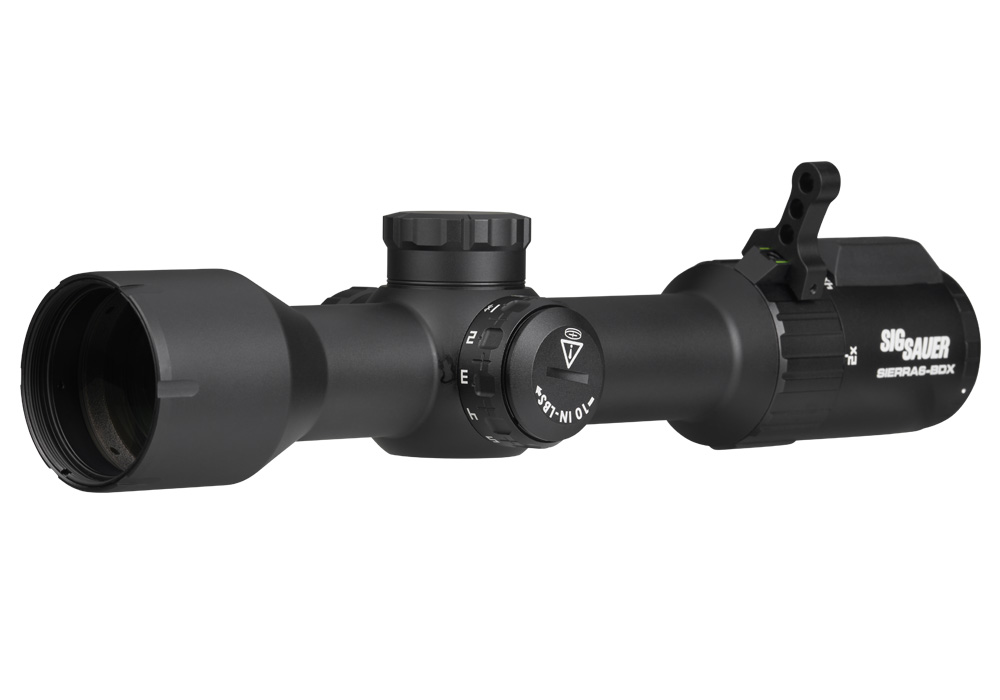
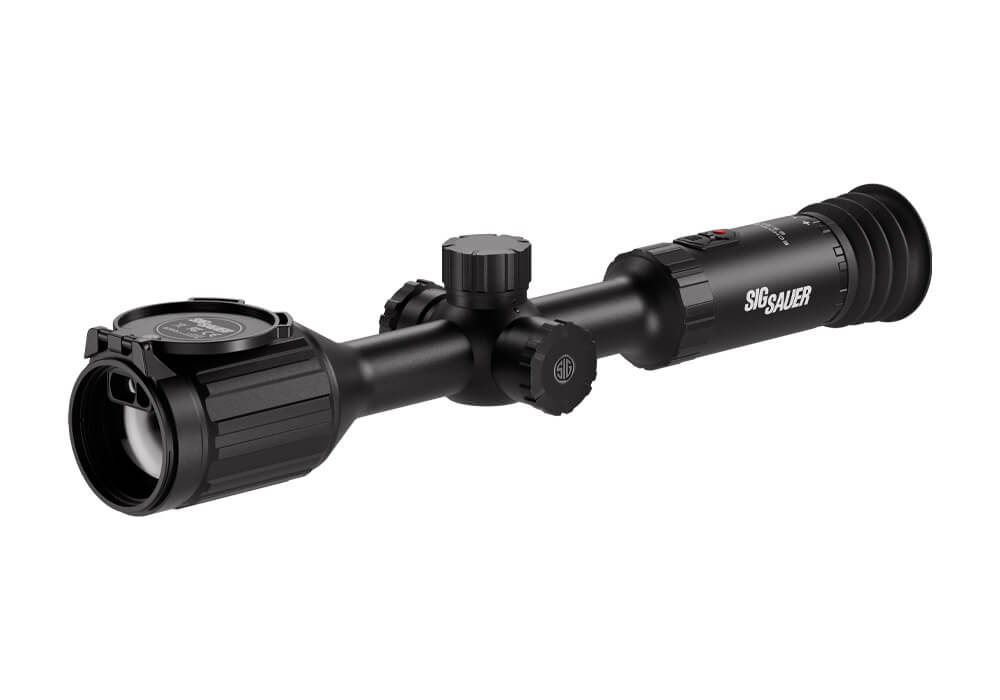
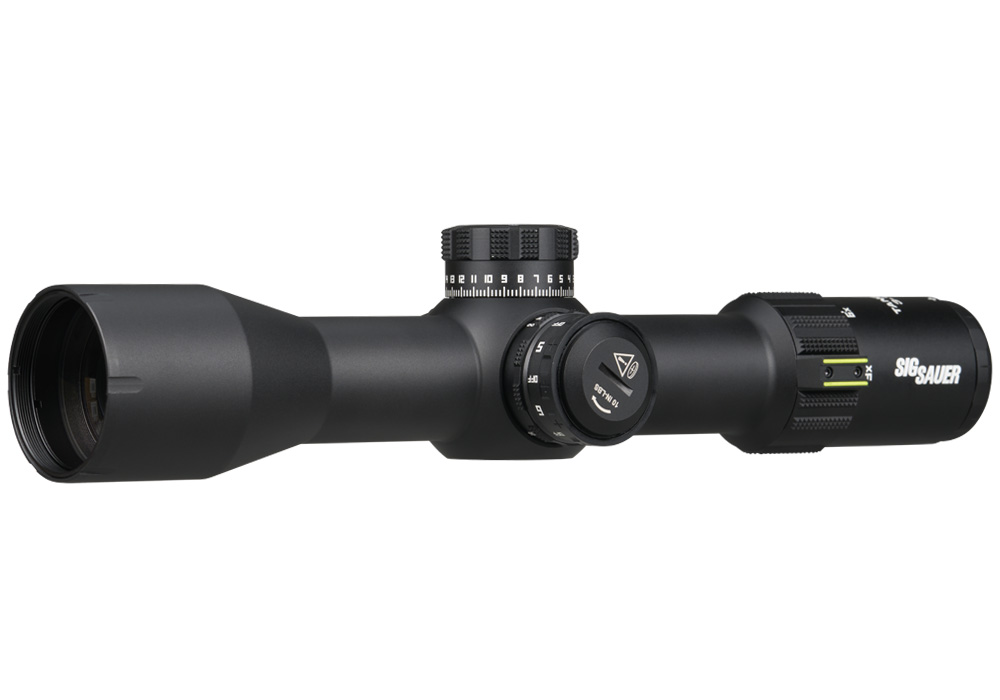
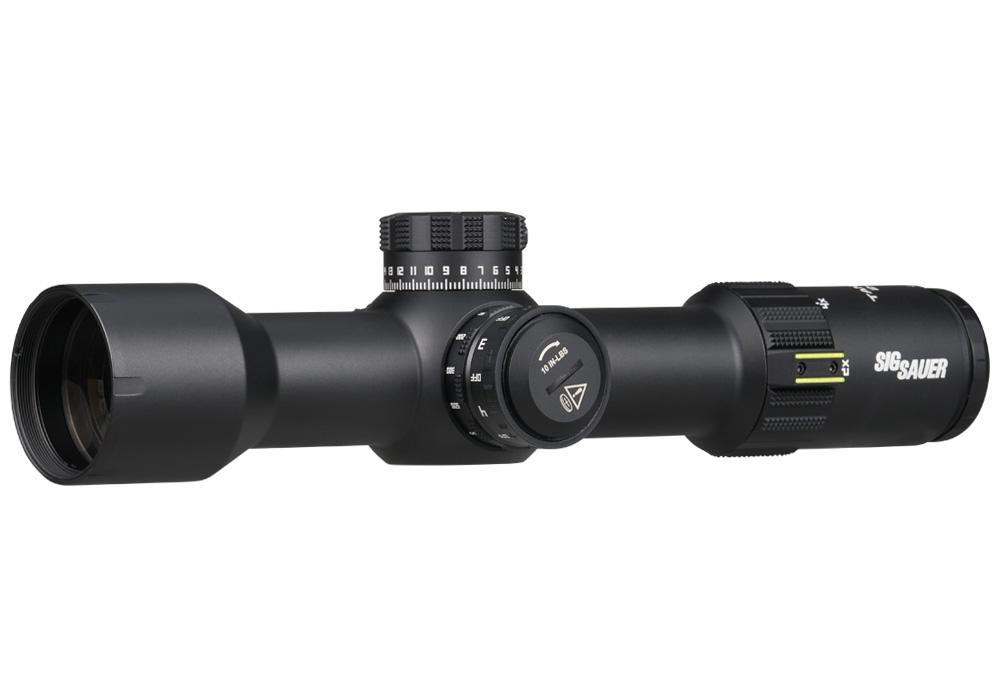
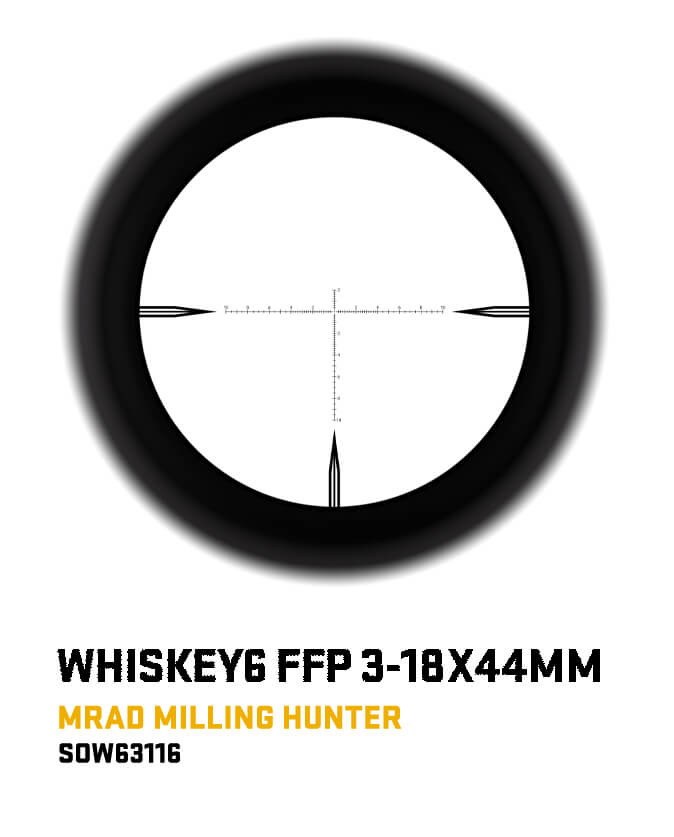
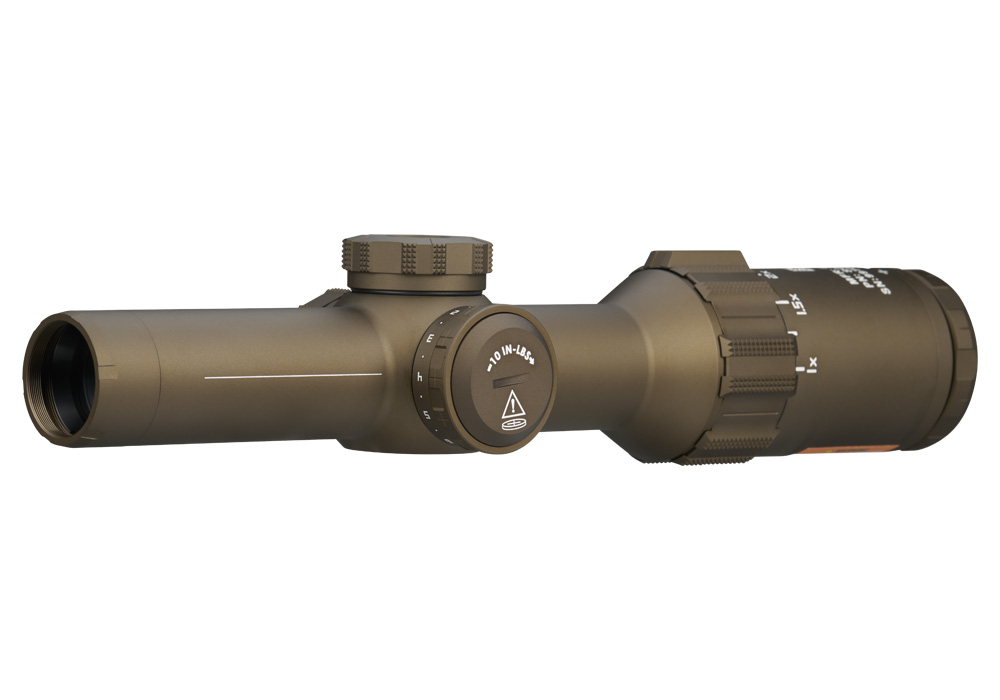
Advanced rifle scopes are designed for shooters who expect more from an optic than basic magnification and a simple crosshair. They combine refined optical systems, precise adjustment controls, durable construction, and specialized reticle features to support accurate shot placement across changing distances and conditions. When comparing advanced rifle scopes, begin with the intended use and the rifle’s capabilities. Magnification ranges suited to open-country hunting may differ from those preferred for precision rifle competition or range practice, while a compact optic can be a better match for a lightweight hunting rifle than a larger model with a wide objective lens. High-definition glass, extra-low-dispersion elements, and advanced lens coatings can improve contrast, color fidelity, and light transmission, helping the image remain sharp from edge to edge as daylight fades during the cooler months. A larger objective lens may gather more available light, but it can also add weight and require taller mounting components. Eye relief, field of view, adjustment range, tube diameter, and mounting height all deserve attention before purchase. Shooters who spend long days behind the rifle often notice the practical value of a forgiving eye box and smooth magnification control, especially when moving between a broad field of view for locating a target and a tighter view for careful evaluation. A first focal plane, or FFP, reticle changes size as magnification is adjusted, keeping its subtensions accurate throughout the optic’s power range. This makes holdover and windage references useful at low, medium, or maximum magnification without requiring the shooter to remember a single calibrated setting. Second focal plane reticles remain a dependable choice for those who prefer a consistent reticle appearance and typically use a known magnification for ballistic references. Reticle illumination can also help define aiming points against dark backgrounds or in subdued light, provided the brightness is set carefully enough to preserve the surrounding image.
Mechanical reliability is just as important as optical clarity. Turrets should offer distinct, tactile clicks and track consistently when elevation or windage adjustments are made. A zero-stop system can make it easier to return to the established zero after dialing for distance, reducing the chance of losing track of the original setting in the field. Shooters should look for a usable adjustment range, clearly marked turret scales, and controls that can be operated while wearing gloves. A scope’s adjustment values—such as minute-of-angle or milliradian increments—should match the shooter’s preferred method of measuring corrections. Reticle markings, turret units, and ballistic data are easiest to use when they follow the same system. Durability matters as well: a serious optic may encounter recoil, transport, rain, dust, temperature swings, and the occasional bump against a vehicle or pack. Waterproof, fog-resistant, and shock-resistant construction helps protect performance when the weather shifts from warm afternoons to cool mornings. Advanced digital features can add another layer of convenience. Some optics or compatible systems incorporate ballistic calculators, onboard profiles, environmental inputs, rangefinding capability, or electronic displays that help translate distance and conditions into a usable aiming reference. Thermal and night-vision-compatible systems serve a more specialized role by helping identify heat signatures or maintain visibility when ordinary glass is no longer sufficient, subject to applicable laws and responsible-use requirements. These features can be valuable for experienced hunters, precision competitors, land managers, and recreational shooters who have a clear need for them, but they also add complexity, power requirements, and setup considerations. Before selecting a digitally enhanced optic, confirm battery life, control layout, software compatibility, environmental limitations, and whether the system’s data can be verified through a conventional zeroing process.
Choosing an advanced optic is ultimately about creating a dependable connection between the rifle, ammunition, shooter, and conditions. A long-range setup benefits from repeatable elevation adjustments, a reticle that communicates useful hold points, and glass that preserves detail when mirage or low light makes observation more difficult. A hunting setup may place greater emphasis on manageable weight, generous eye relief, rapid target acquisition, and a magnification range that remains practical in dense timber as well as open terrain. A competition-oriented setup may prioritize fine reticle graduations, extensive adjustment travel, parallax control, and a forgiving image during extended stages. Parallax adjustment is particularly useful when precise aiming is required at varying distances, since it can reduce apparent reticle movement relative to the target when the shooter’s eye position changes. Side-focus controls are generally easier to reach than front objective adjustments, especially from a supported position. Shooters new to advanced optics should spend time confirming eye relief, mounting torque, reticle focus, and zero before relying on the scope outside the range; even an exceptional optic performs best when it is properly installed and paired with a verified ballistic profile. These scopes can be thoughtful gifts for an experienced hunter, precision rifle enthusiast, or range regular, particularly when the recipient’s rifle platform and mounting preferences are already known. For a gift purchased without those details, accessories such as quality mounting hardware or a protective optic cover may be easier to match than choosing magnification by appearance alone. Explore this selection alongside Performance Riflescopes to compare purpose-built options and find an optic that fits the rifle, the shooter, and the kind of time they plan to spend behind it.