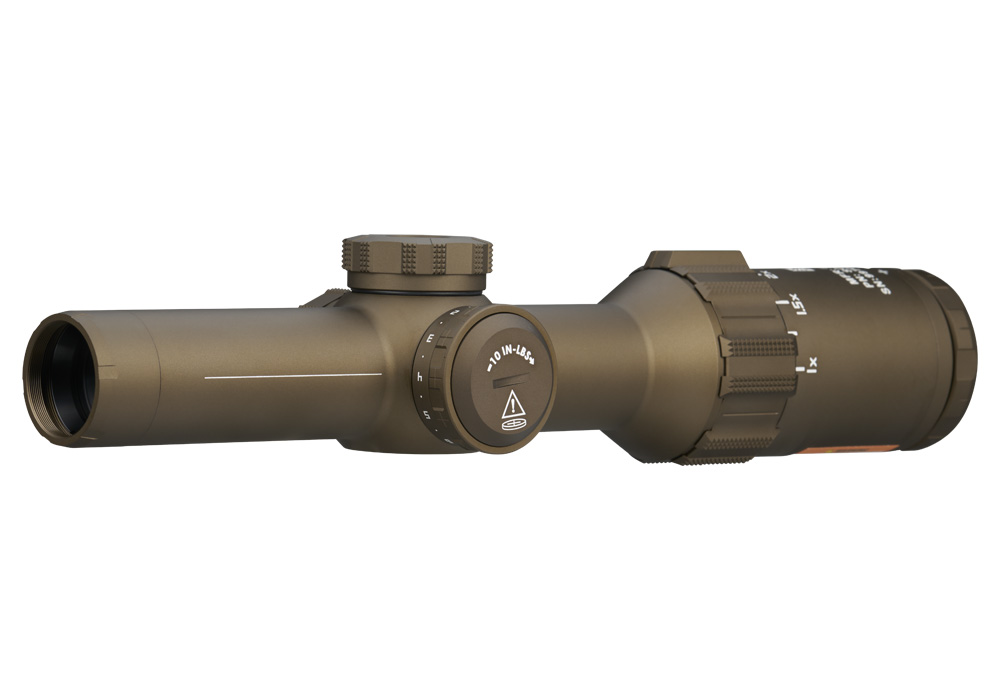
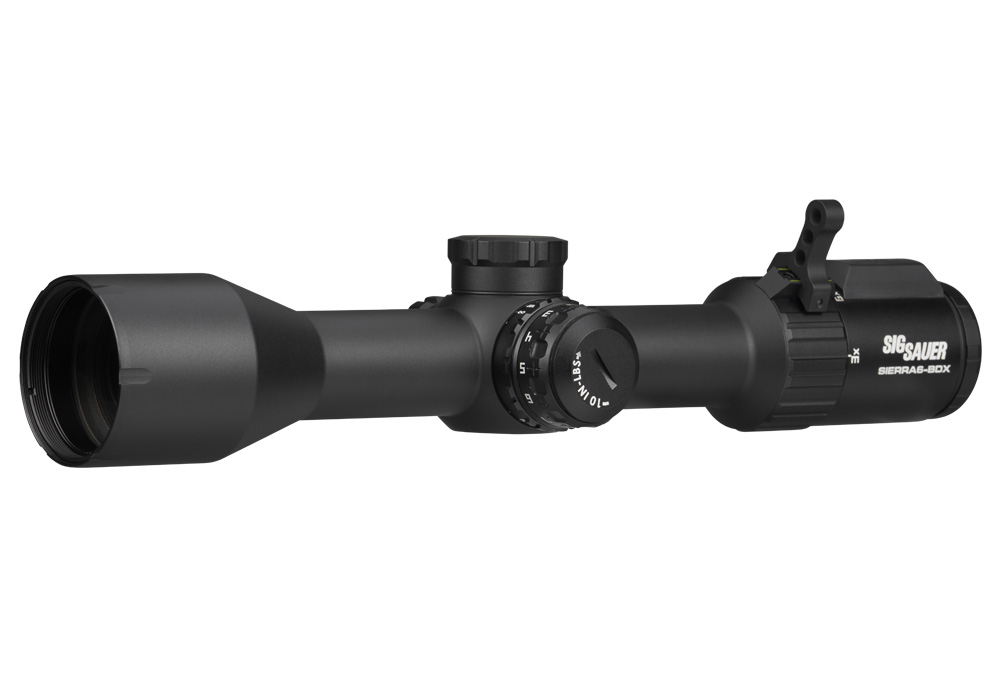
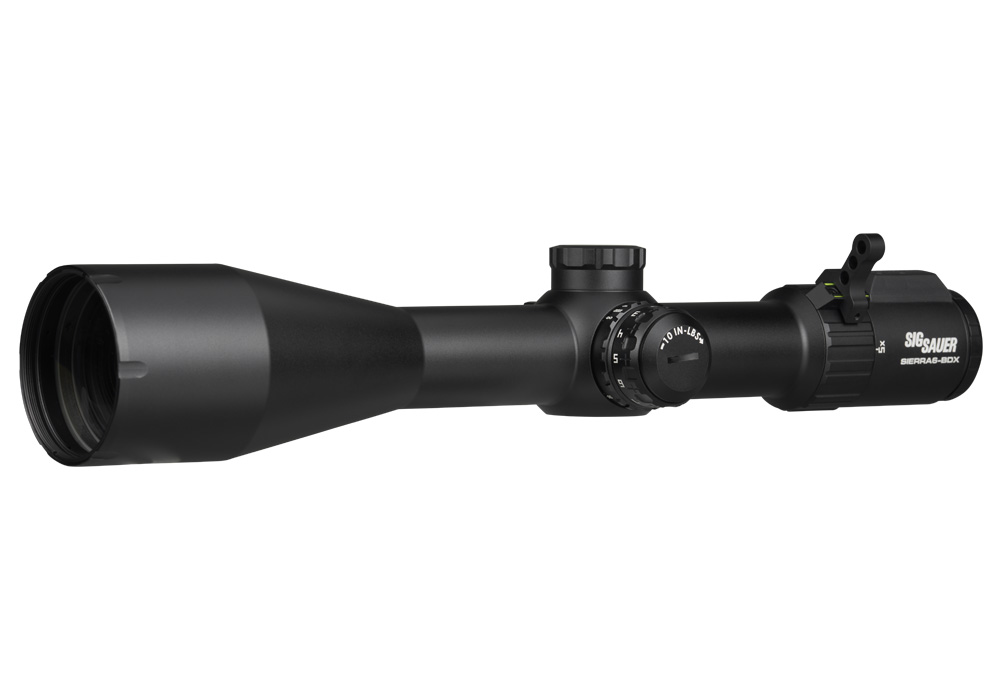
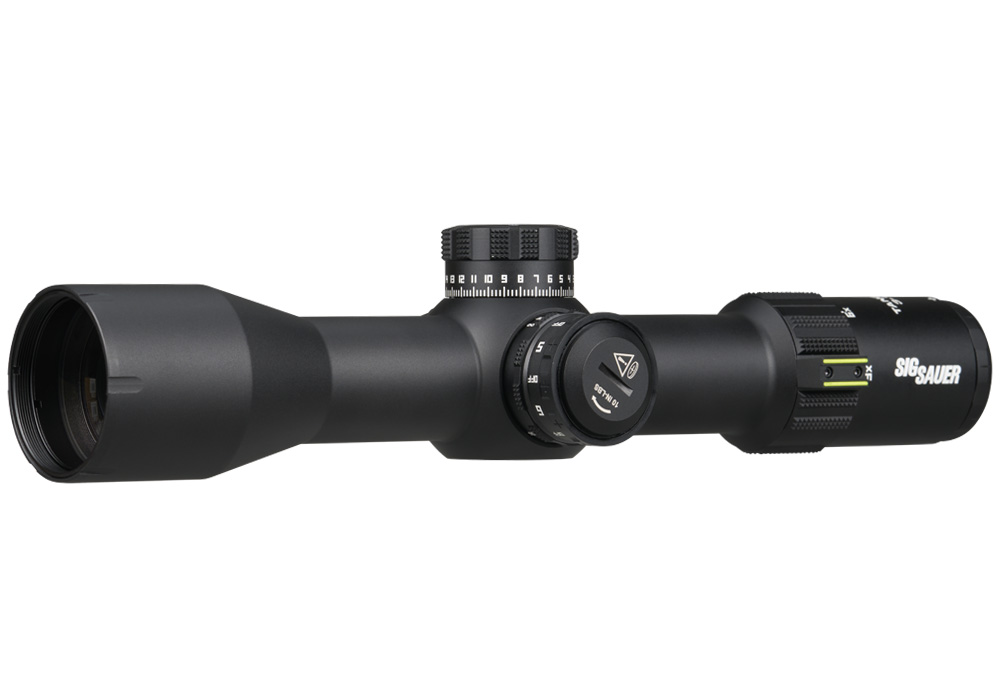
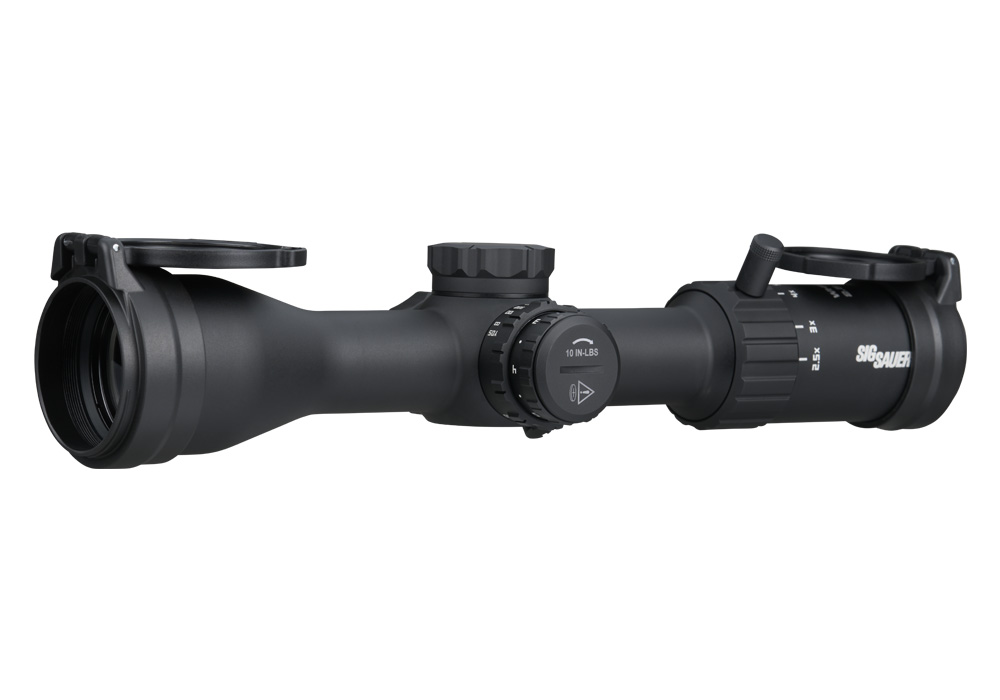
HD riflescopes are selected for the way their optical systems present a cleaner, more detailed view across changing light and distance. Optimized glass elements can help limit color fringing, preserve edge-to-edge sharpness, and improve contrast when a target blends into shaded timber, open grass, or a muted winter landscape. Fully multi-coated lenses support light transmission and reduce distracting reflections, while a well-designed scope body protects the internal system during transport and field use. These features matter to hunters who may settle into a blind before sunrise, target shooters who spend long sessions refining groups, and recreational shooters who value a clear sight picture during general range practice. When comparing HD riflescopes, begin with the rifle, cartridge, and distance you expect to use most often. A compact optic with a moderate magnification range can balance speed and precision for wooded terrain, while a broader zoom range may suit open country or longer target work. Magnification alone does not determine practical performance. Eye relief, field of view, adjustment travel, parallax control, reticle design, and overall weight all influence how naturally the optic handles once it is mounted. Generous eye relief can provide a comfortable viewing position and help maintain a consistent cheek weld, especially when wearing heavier clothing during cooler months. A wide field of view can make it easier to locate a moving or briefly visible target at lower power, while higher magnification can help with careful placement at extended distances when conditions allow. HD glass is especially useful during the soft light around dawn and dusk, though every optic still performs within the limits of available light and atmospheric conditions. Fog, haze, rain, snow, and heat shimmer can affect visibility regardless of lens quality, so realistic expectations and sound field habits remain essential. For shoppers comparing configurations in one place, HD Glass Riflescope Packages can offer a practical way to review compatible components and complete an optic setup.
Reticle position is another important consideration. A first-focal-plane reticle changes apparent size as magnification changes, allowing subtensions to remain consistent throughout the zoom range. This can be helpful for shooters who use the reticle for holdovers or range estimation at different power settings. A second-focal-plane reticle stays visually consistent to the eye, which many hunters appreciate for a clean aiming point and quick reference at a preferred magnification. Neither arrangement is universally better; the right choice depends on how often you adjust magnification, how familiar you are with reticle subtensions, and whether the scope will serve primarily in the field or on the range. An illuminated aiming point may help the reticle stand out against a dark background, but brightness should be set carefully so it supports visibility without overpowering the view. Turrets should turn with clear, repeatable clicks and provide adjustments that match the intended distance and ammunition. Before heading into the field, mount the optic with appropriate rings, confirm eye relief at the highest power, level the reticle, and verify that the rifle and scope work together comfortably. Spend time confirming zero from a stable position, then check the point of impact after transport and whenever the rifle, ammunition, or mounting hardware changes. A simple notebook recording distance, conditions, ammunition, and adjustments can become invaluable over time; a few lines written after a range session often save considerable guesswork later. These scopes can also be thoughtful gifts for a hunter preparing for a new season, a range enthusiast refining technique, or a first-time rifle owner assembling dependable equipment with guidance from an experienced mentor. The most satisfying setup is the one that feels balanced in the hands, presents a crisp sight picture without strain, and supports calm, consistent practice. During the transition from early fall into winter, changing light and heavier layers make fit, controls, and eye relief even more noticeable. Taking those details seriously helps ensure that an HD riflescope is not simply an impressive optic in a case, but a useful part of a carefully matched rifle system. Always follow applicable laws, observe safe handling procedures, use appropriate eye and ear protection, and confirm that any configuration suits the rifle, ammunition, and intended range before use.