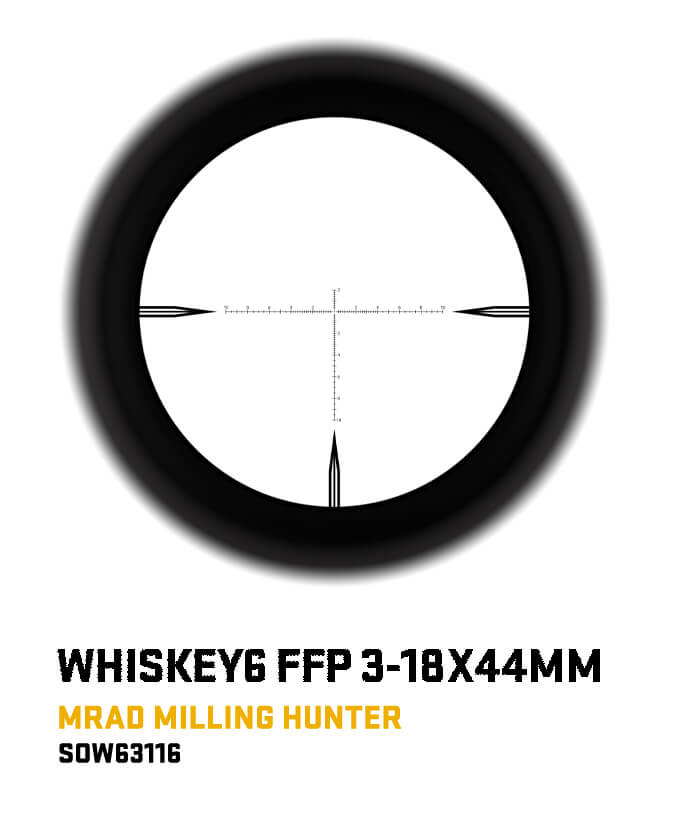
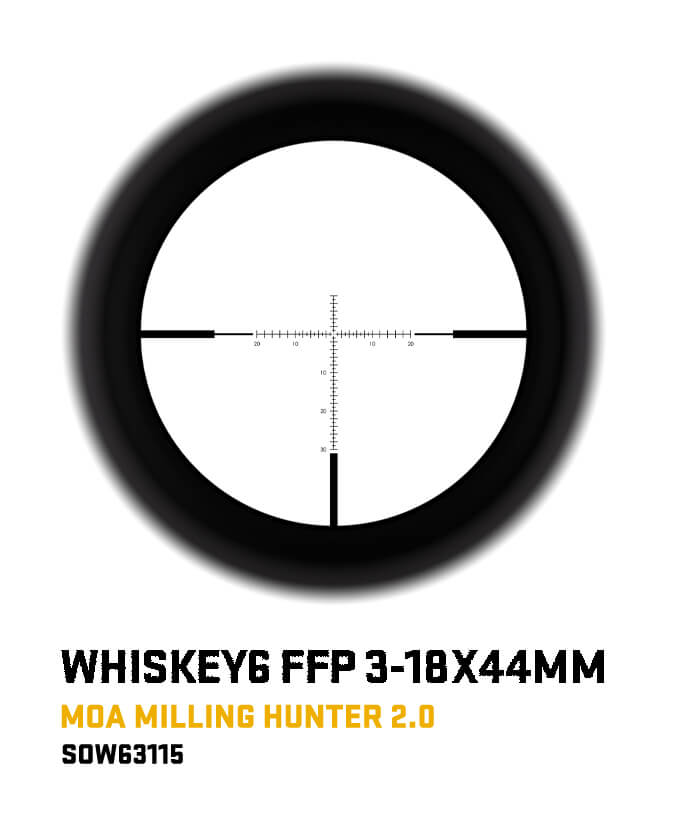
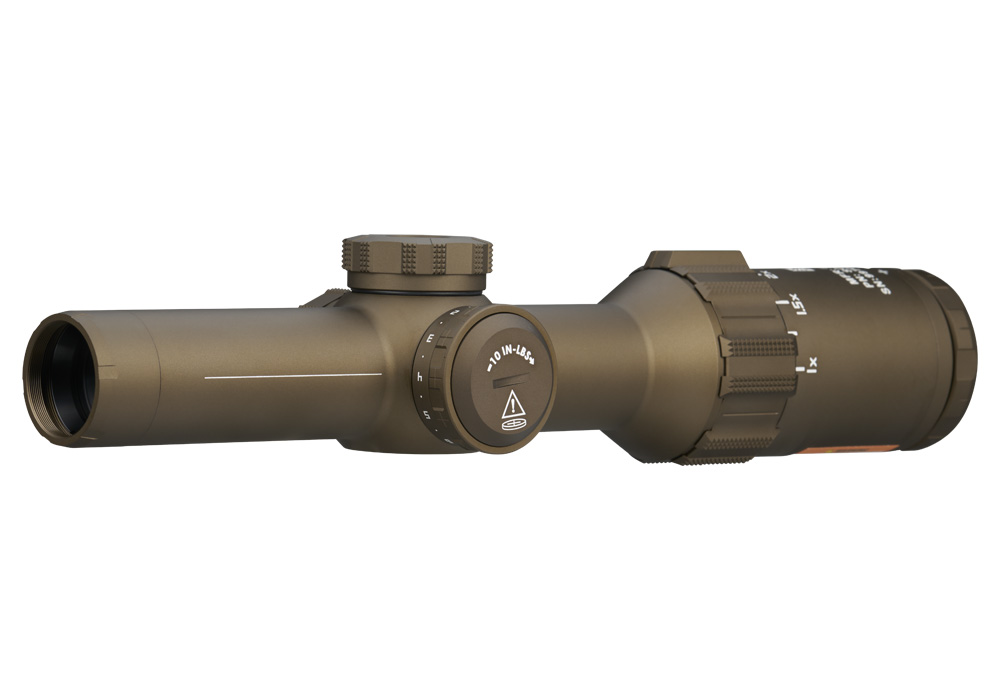
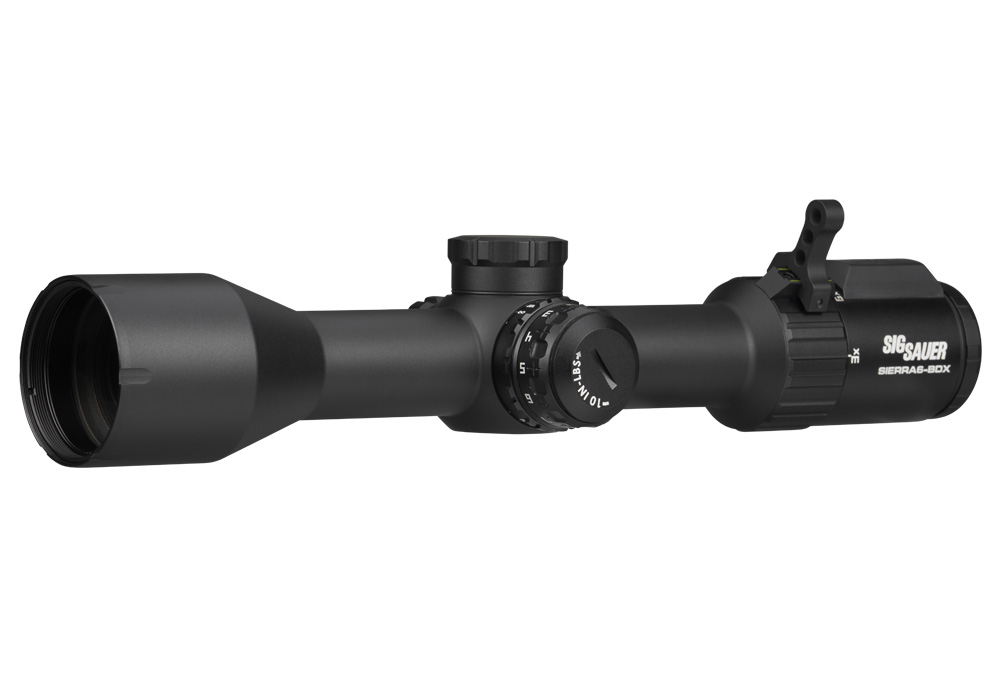
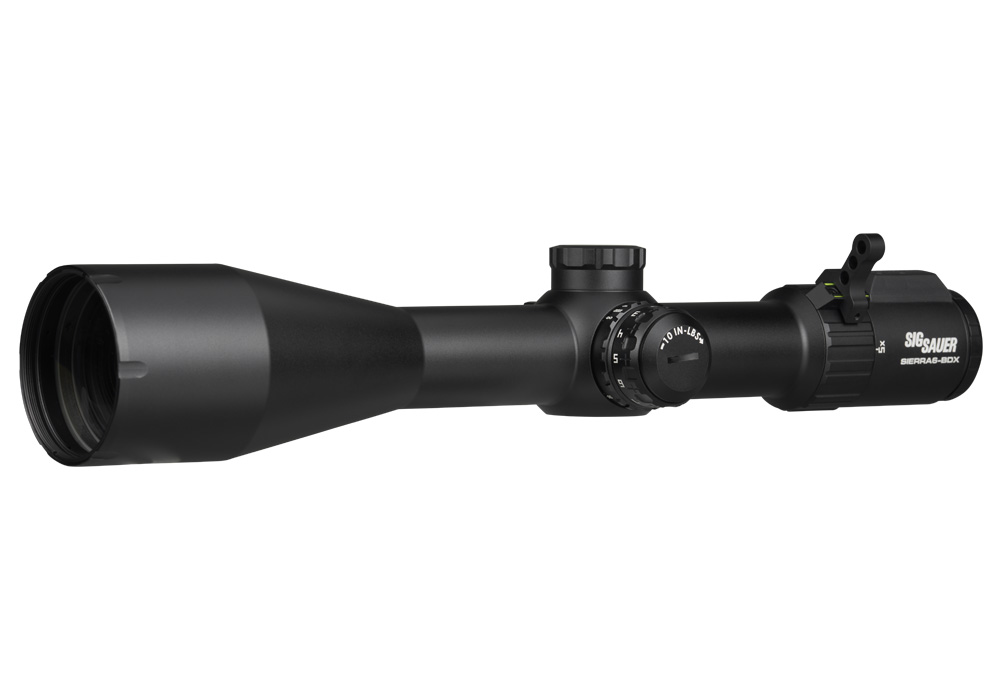
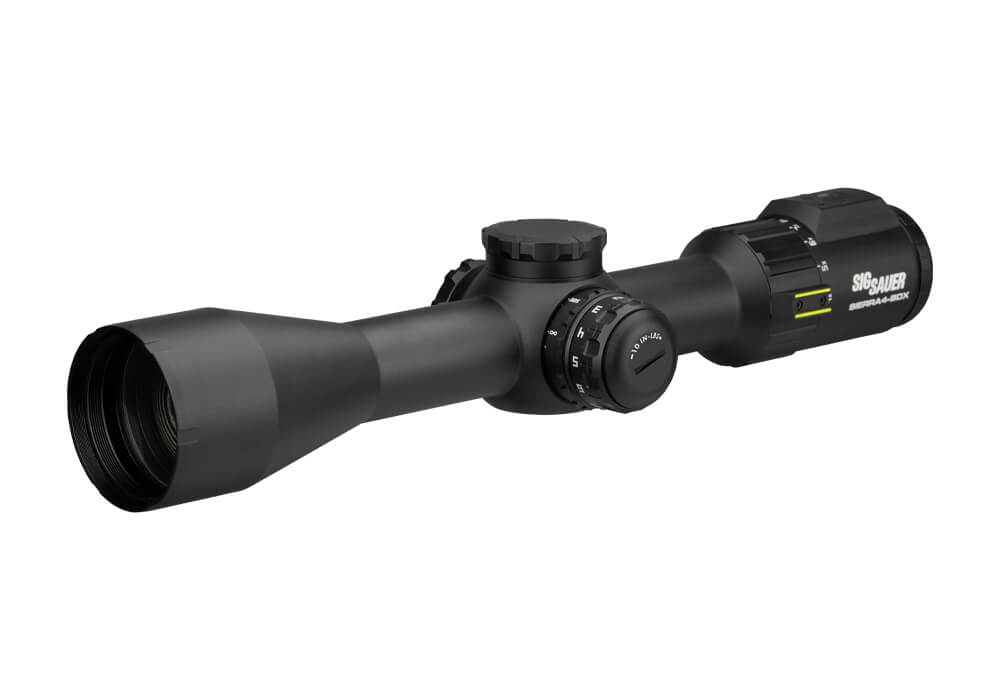
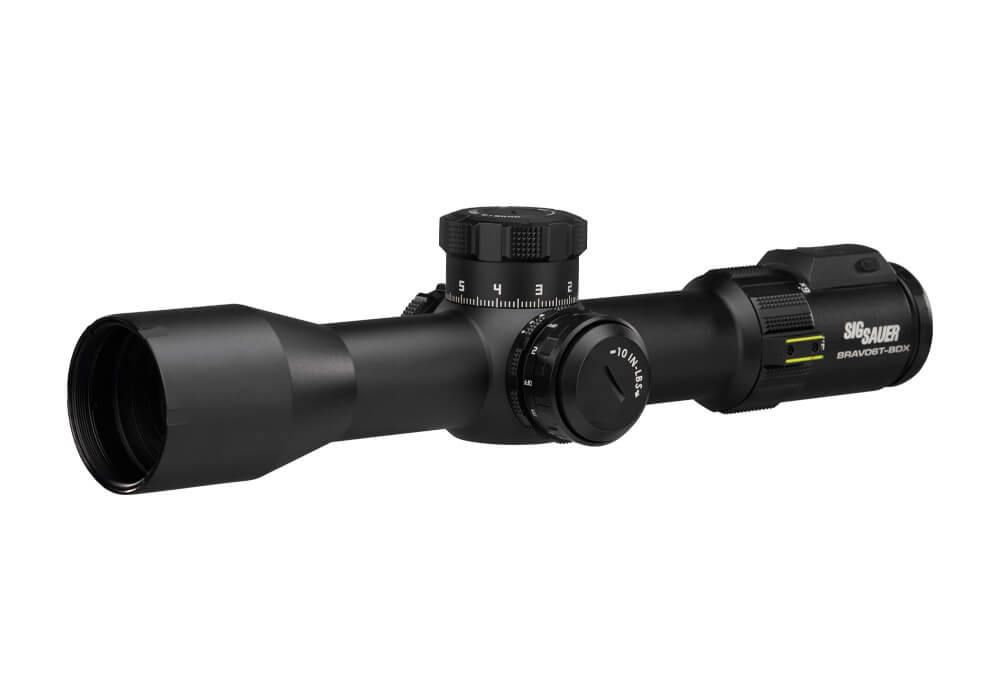
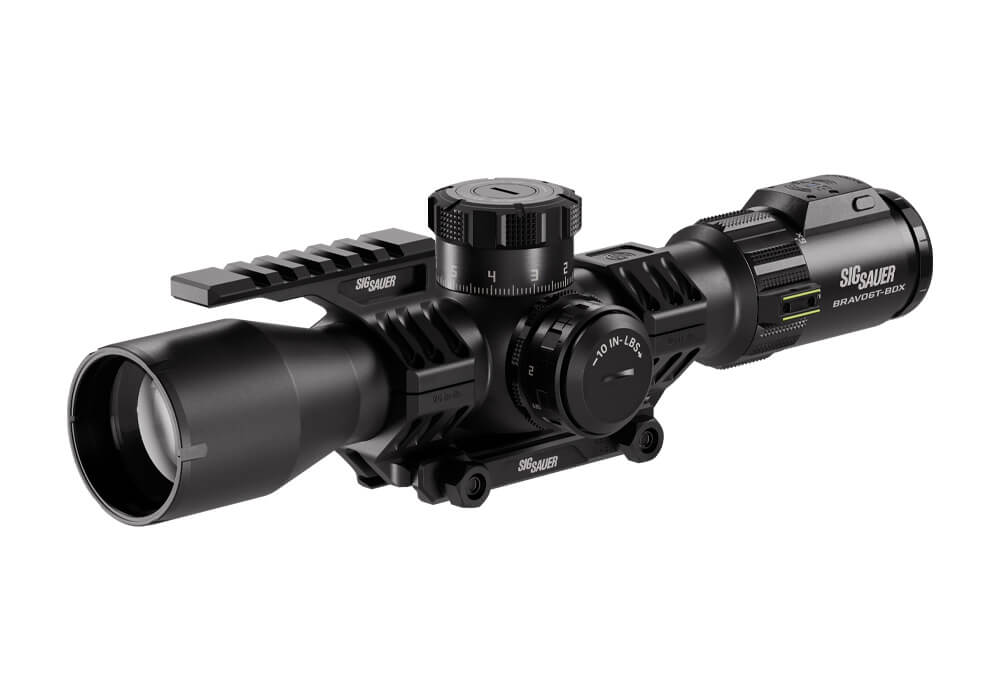
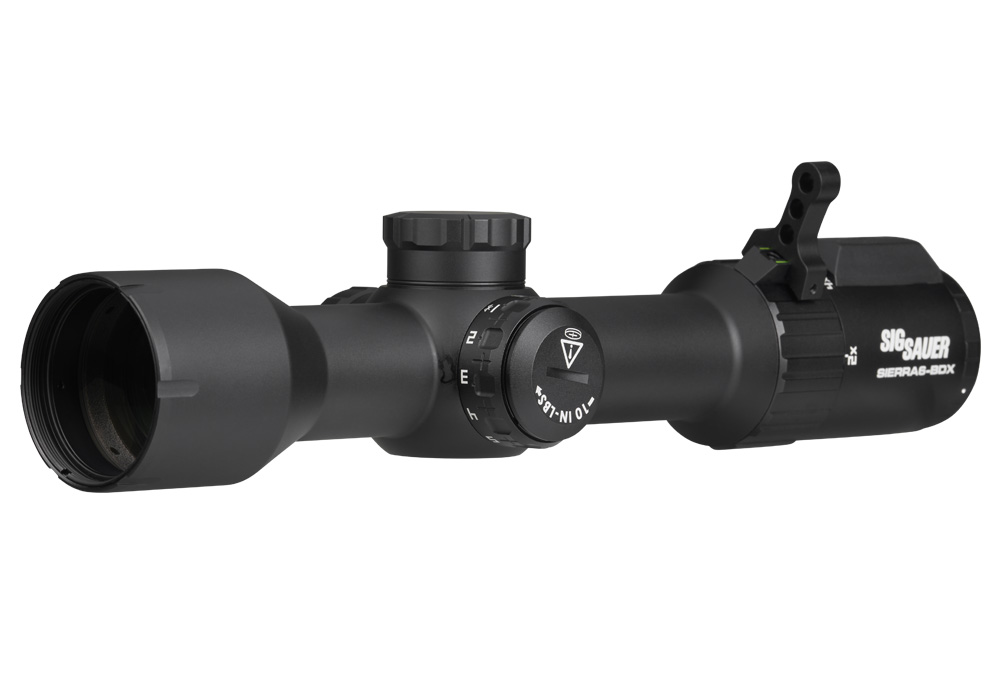
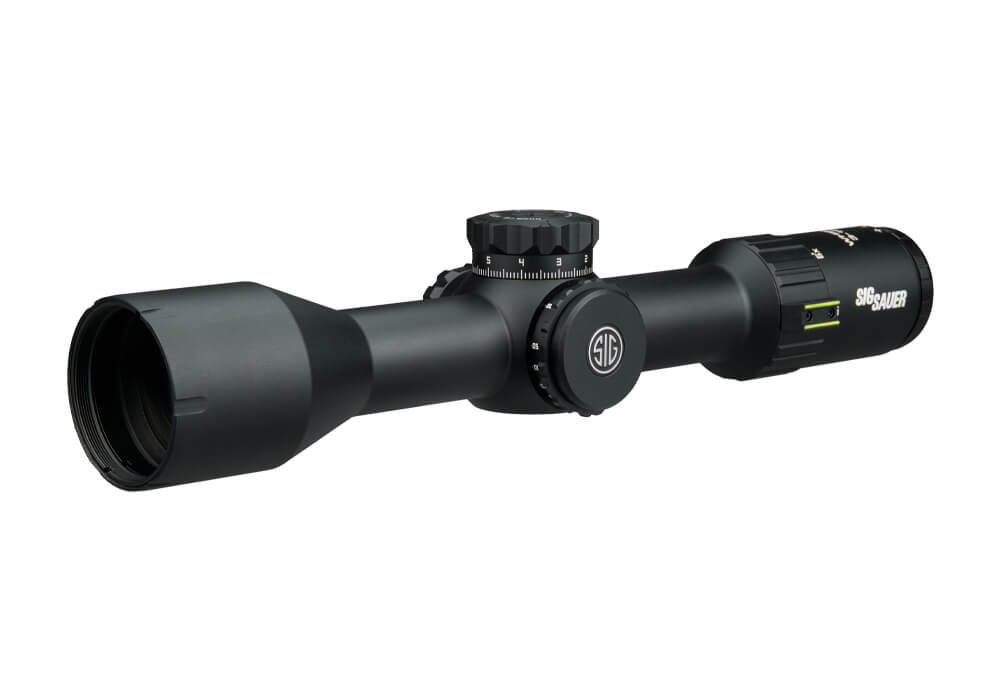
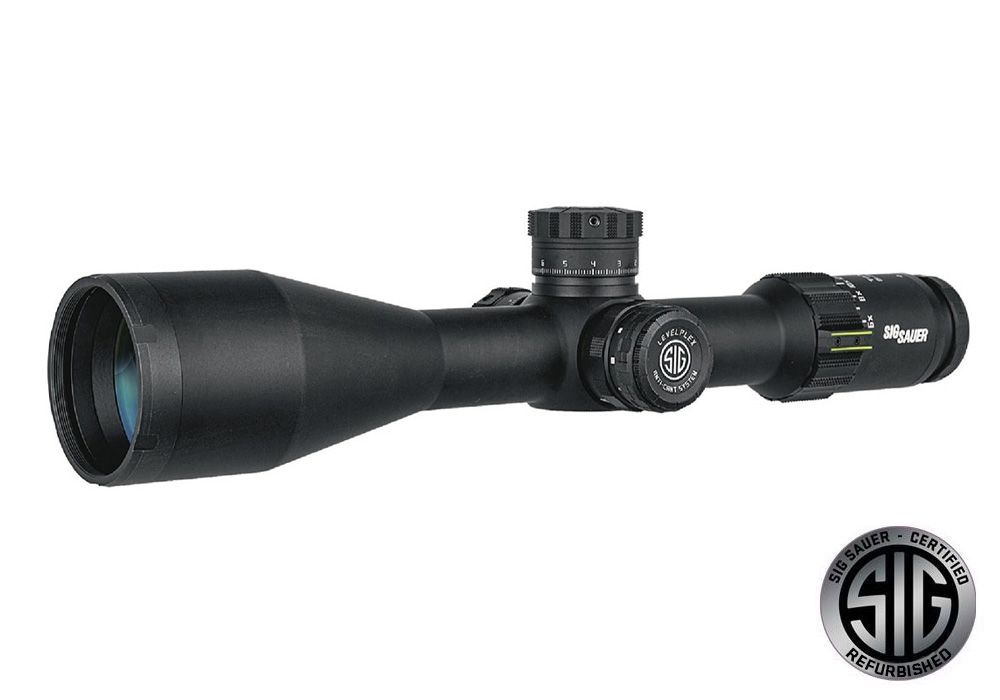
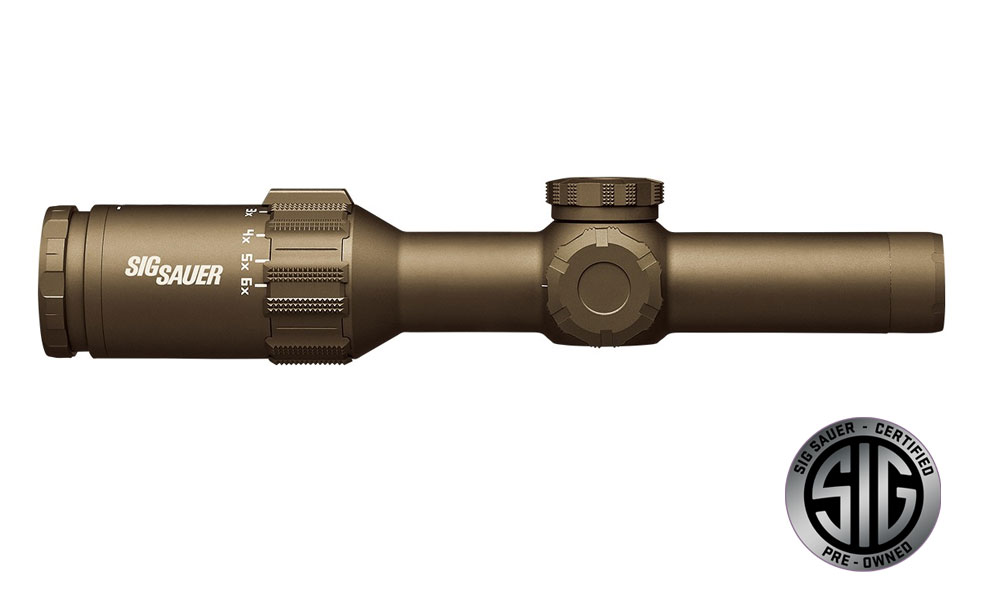
HD glass riflescope packages pair a high-definition riflescope with complementary components, such as compatible rings, a mount, or selected optical accessories, depending on the package. Their appeal is straightforward: a clearer view of the target and a coordinated starting point for outfitting a rifle. HD describes an optical system designed to resolve fine detail and preserve useful contrast, but it is not a universal specification shared by every manufacturer. Some systems use extra-low-dispersion glass, often abbreviated ED, to reduce chromatic aberration, the colored edging that can appear around high-contrast objects. Others combine specialized glass elements, lens geometry, and coatings to improve the image. HD and ED are related terms, not interchangeable guarantees, so the stated lens construction and optical features matter more than the letters alone. In practical use, good resolution helps distinguish small markings on a target, separate a dark aiming point from its background, and keep fine detail readable as magnification increases. Reduced color fringing can be especially useful where a bright surface meets a dark edge. Fully multicoated lenses, when specified, help limit reflections at air-to-glass surfaces and support light transmission; the complete optical design still determines how the view looks through the eyepiece. Hunters, recreational target shooters, and precision competitors may all appreciate that combination of definition, contrast, and color fidelity, though their preferred configurations can differ considerably. A broad field of view suits situations where locating the target matters, while higher magnification helps reveal smaller details at greater distances. More magnification is not automatically a better match: it also narrows the field of view and can make the sight picture more sensitive to eye position. Objective lens size, magnification range, and optical design work together rather than independently. A larger objective can support a larger exit pupil at a given magnification, but perceived image brightness also depends on light transmission and the viewer’s eye. The strongest fit is an optical package that makes the relevant details easy to see without adding unnecessary bulk or complexity.
The physical relationship between the scope, its mounting components, and the rifle is just as important as the view through the glass. Packages can simplify component selection when their included mounts or rings match the scope, but that does not establish compatibility with every rifle. Tube diameter, mounting interface, ring height, available rail space, and clearance around the objective bell all affect fit. A scope intended for a compact sporting rifle may call for a different mounting arrangement than one selected for a larger precision platform. Eye relief—the distance between the eyepiece and the eye at which the full image is visible—also deserves attention, particularly on rifles with substantial recoil. A comfortable view should complement a natural shooting position rather than require an awkward reach. Aluminum scope tubes and mounts are common because they balance strength with manageable weight, while protective finishes help resist surface wear. Construction details such as sealing, internal purging, and recoil testing vary, so durability claims should be tied to the stated specifications instead of assumed from an HD designation. Glass quality does not by itself describe the strength of the housing or the reliability of the adjustment system. For regular range use, clearly marked controls and repeatable adjustments can be as valuable as high magnification. Turret styles, locking mechanisms, and return-to-zero features affect how an optic handles repeated use, although not every package includes those features. Lens care is equally practical. Grit left on an optical surface can scratch coatings if rubbed across the glass, so loose particles should be removed before gentle cleaning with lens-safe materials. Protective covers help keep the lenses clean between sessions, and a padded case protects the optic from abrasion in transport. Strong household cleaners and coarse fabrics are poor substitutes for optical cleaning supplies. Periodic inspection for loose components, worn accessories, or damaged surfaces supports dependable service without treating the scope as maintenance-free. Mounting and service work should follow the relevant manufacturer’s instructions, with qualified assistance when needed.
Intended use gives HD glass riflescope packages their practical context. A hunter carrying a rifle over uneven ground may value a manageable overall weight, an uncluttered reticle, and a useful magnification range more than the largest objective or the most elaborate controls. A target shooter studying small scoring rings may place greater emphasis on fine reticle detail, precise adjustments, and an image that remains crisp near the upper end of the magnification range. Someone moving between recreational range sessions and sporting use may prefer a configuration that balances both needs. Reticle design is part of that balance. Bold elements can be easier to distinguish against a busy background, while finer markings leave more of a small target visible. In a first focal plane design, the reticle scales with magnification, keeping its measurement references consistent across the zoom range. In a second focal plane design, the reticle appears the same size as magnification changes, and measurement references generally correspond to a specified setting. Neither arrangement is universally better; each serves different preferences and applications. Reticle illumination, where included, can improve visibility against certain backgrounds, but it does not replace optical clarity or sharpen the target image. Packages with electronic or ballistic accessories introduce additional considerations, including battery requirements, device compatibility, and which functions the included components support. The HDX Lens Rifle Scopes collection provides another lens-focused selection to explore alongside complete riflescope packages. For an experienced hunter or dedicated target shooter, an optics package can also be a thoughtful gift when the recipient’s rifle, mounting requirements, and reticle preferences are known. Those details matter more than choosing the highest magnification on the specification sheet. A well-suited combination brings the lens system, controls, dimensions, and accompanying hardware into alignment with the way the rifle is actually used, whether that means deliberate practice at a familiar range or a carefully planned sporting outing.