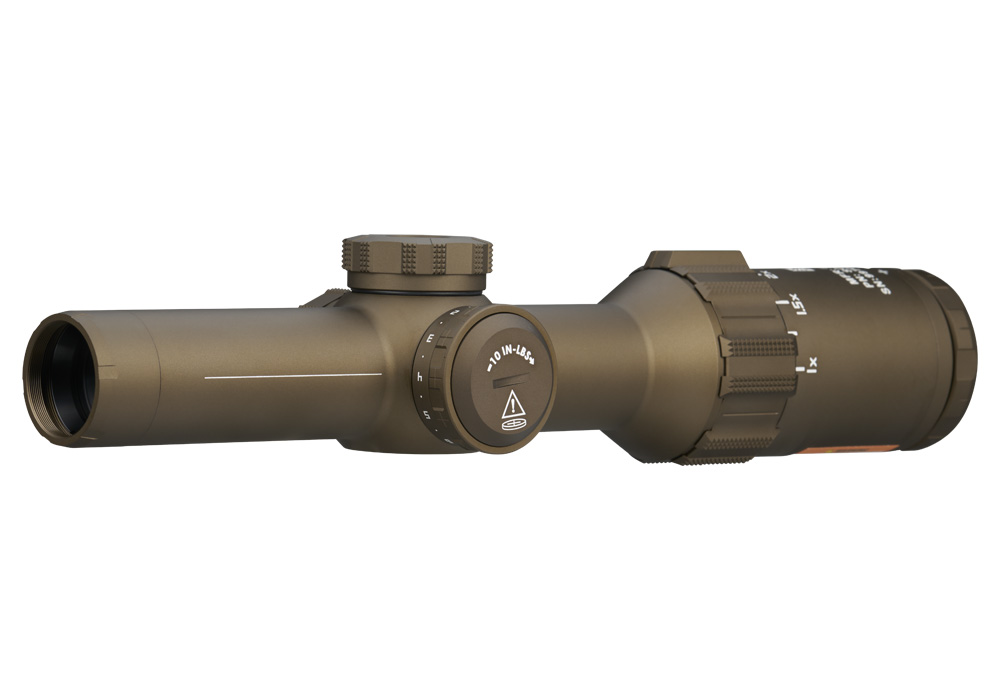
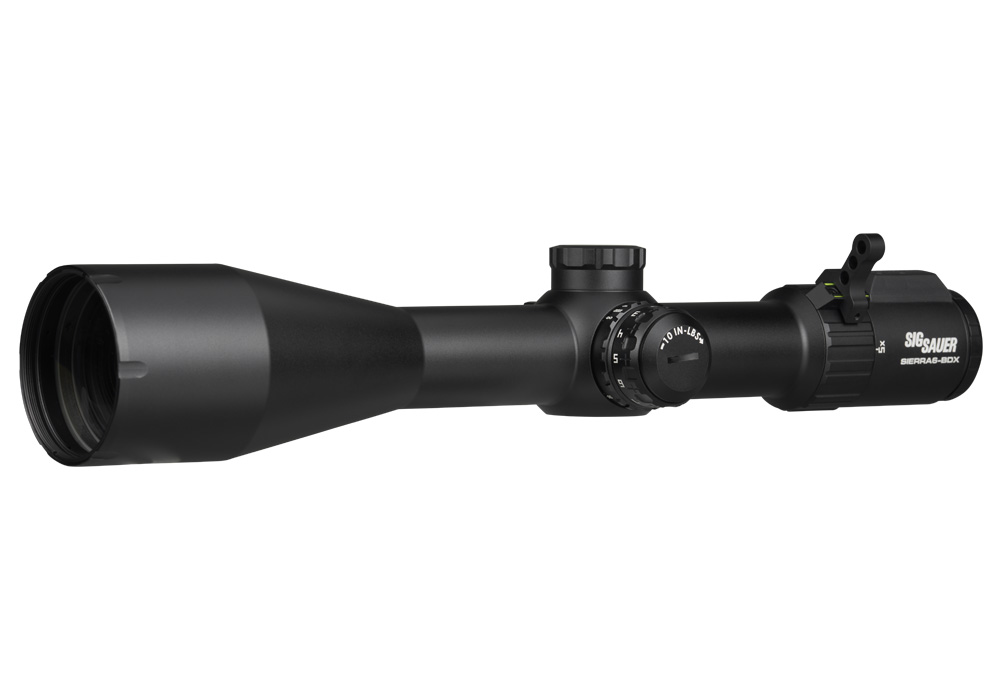
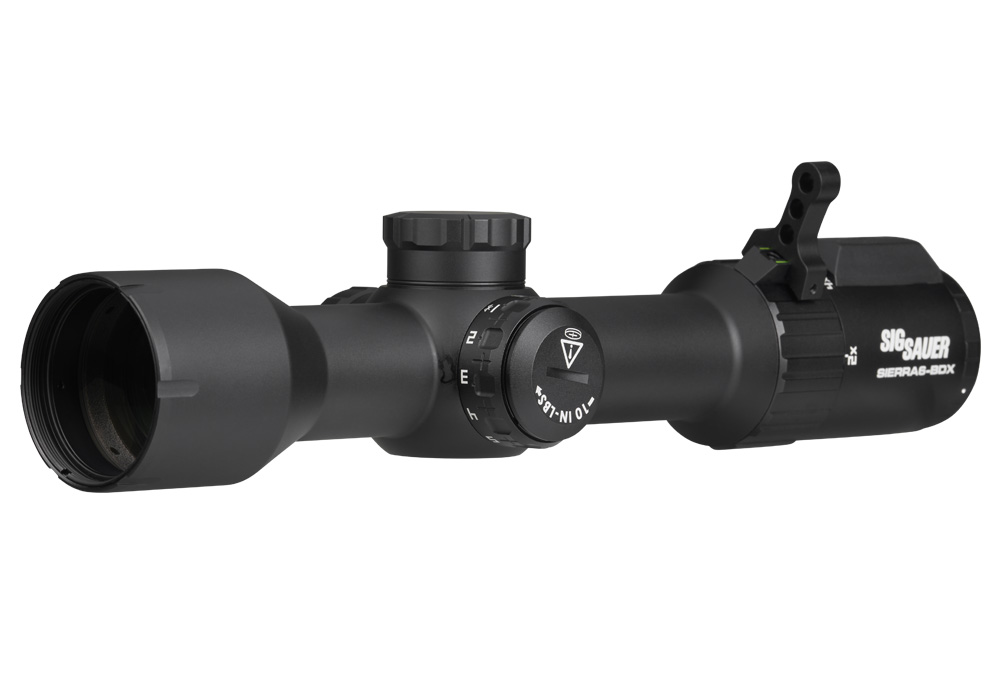
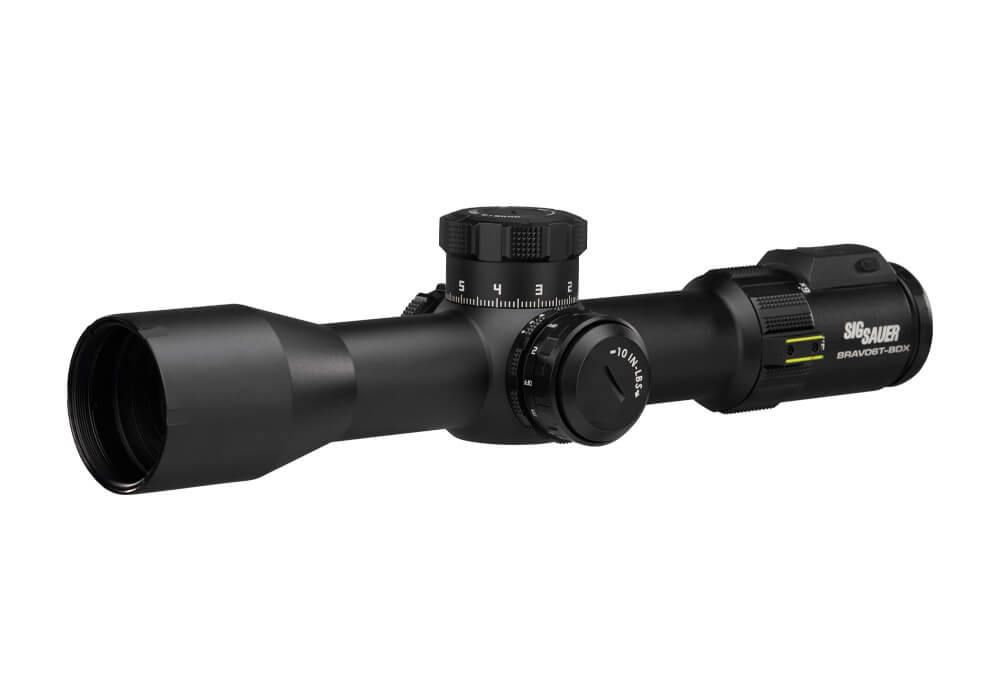
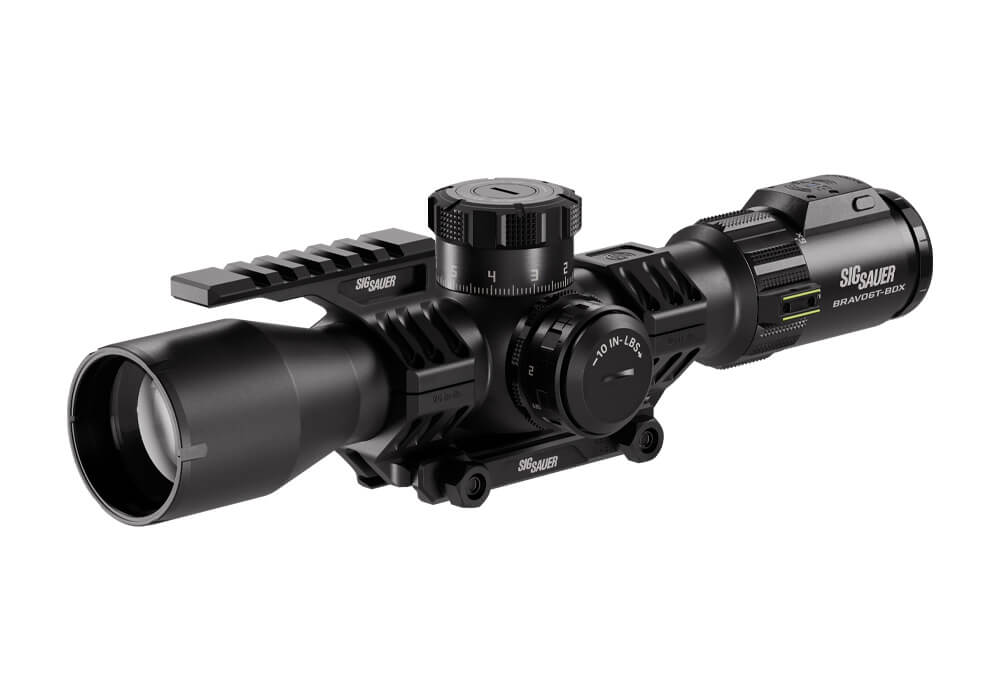
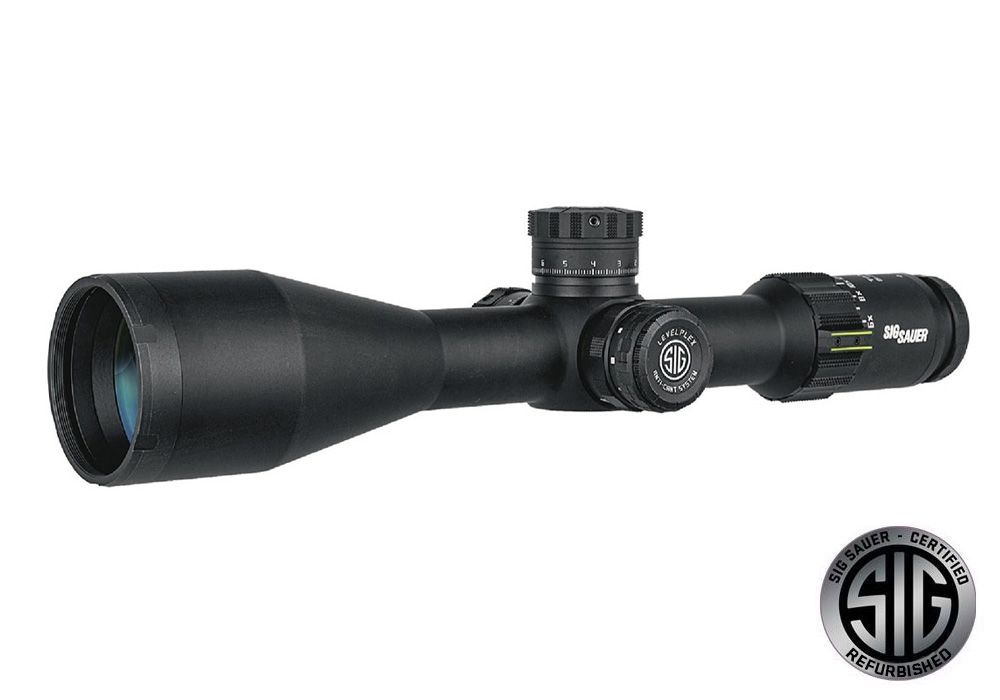
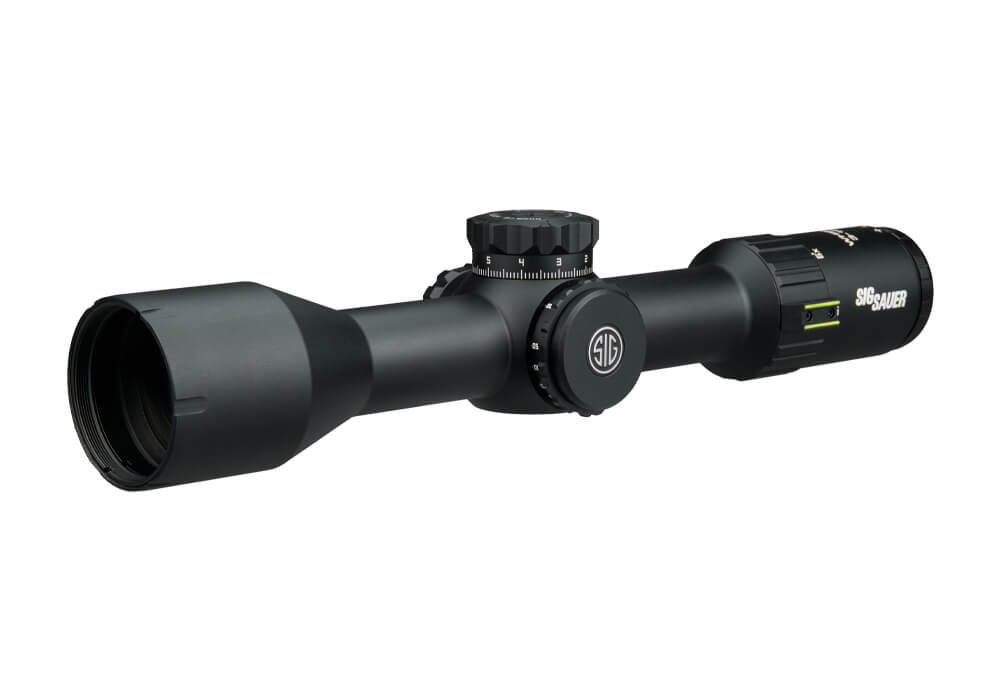
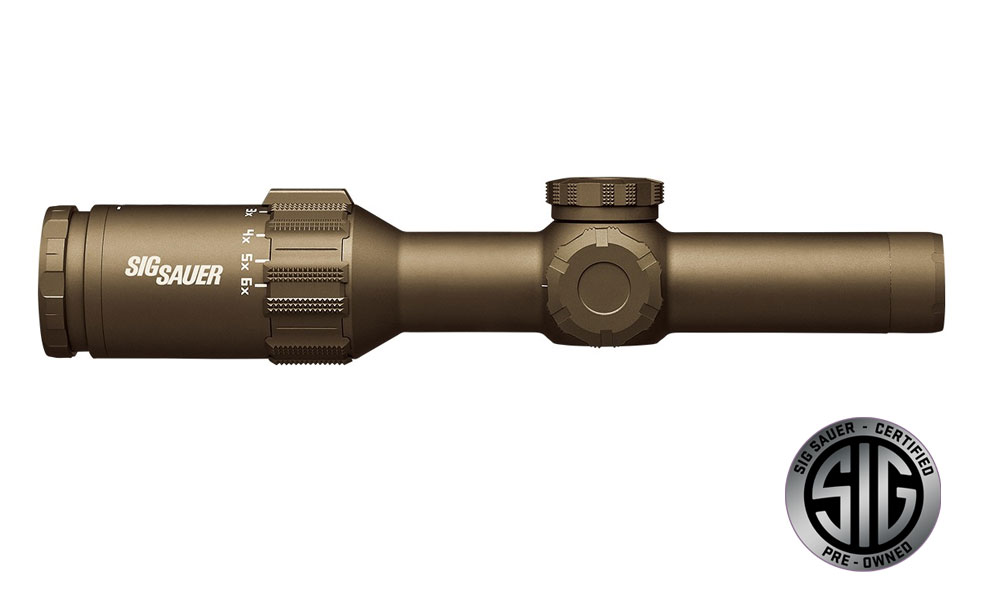
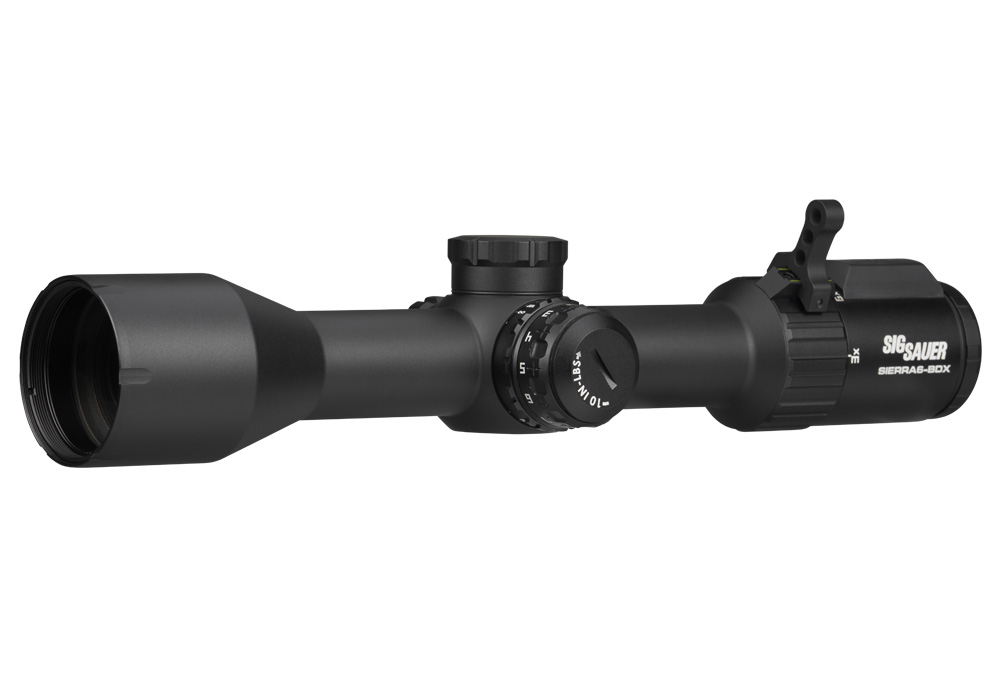
HDX lens rifle scopes pair high-transmittance glass with extra-low dispersion glass to support clear images, faithful color, and efficient light transmission. These optical qualities matter when a subject blends into its surroundings, when fine details are difficult to separate, or when available light is limited. Extra-low dispersion glass helps control color fringing, the colored outlines that can appear along contrasting edges, while high-transmittance optical elements help preserve the light passing through the scope. Lens coatings also contribute to performance by reducing reflections at glass surfaces. Together, these features can make the sight picture easier to interpret, whether a hunter is distinguishing an animal from overlapping branches or a target shooter is studying a distant aiming mark. Image quality is not simply a matter of magnification. A useful riflescope balances resolution, contrast, field of view, and a reticle that remains readable against the background. Lower magnification generally provides a broader view, which can help with locating a subject and understanding the surrounding scene. Higher magnification can reveal smaller details at greater distances, although it also narrows the view and makes movement more noticeable. The objective lens diameter and selected magnification influence the exit pupil, the circle of light visible through the eyepiece, and therefore how forgiving the viewing position feels. A larger objective lens may support a larger exit pupil at a given magnification, but it also affects the scope’s dimensions and mounting needs. High-quality glass cannot create light that is not present, and a larger magnification number does not automatically produce a clearer image. The appeal of an HDX optical system is its emphasis on transmitting useful light and preserving detail within a practical riflescope configuration. For hunting and recreational target shooting, that combination can provide a more comfortable viewing experience and a clearer basis for identifying the intended target before any shot.
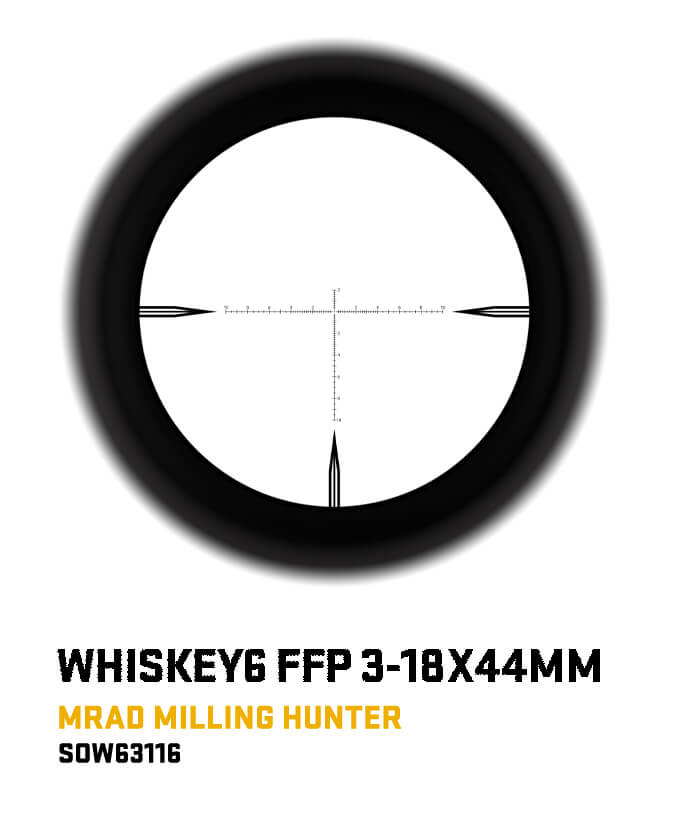
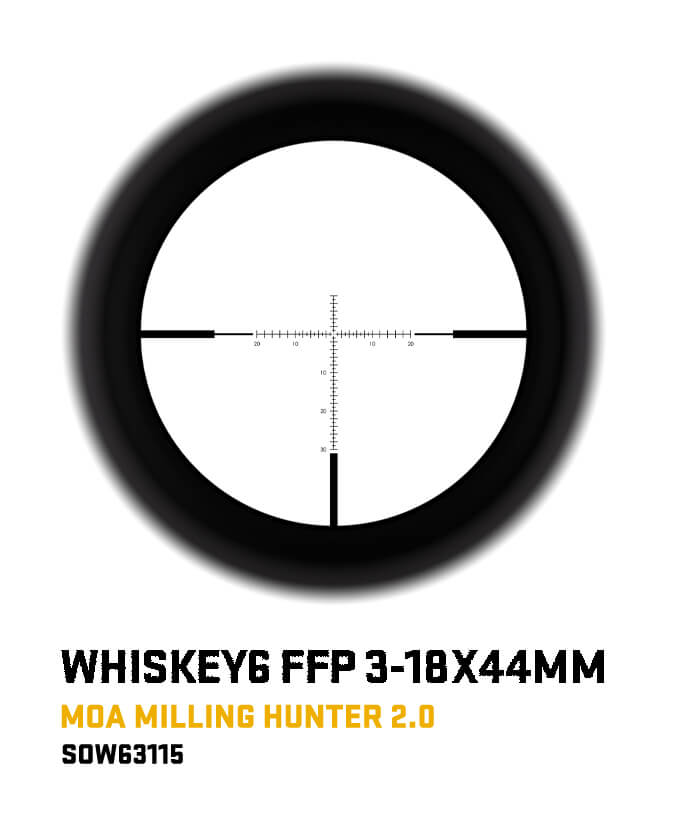
The fit of an HDX lens riflescope involves more than matching the optic to a preferred magnification range. Tube diameter, mounting interface, overall length, objective size, and eye relief all influence how naturally the scope works with a rifle. Rings must match the scope tube and the rifle’s mounting system, while mounting height affects both clearance and the shooter’s cheek position. An optic that sits unnecessarily high can make a consistent viewing position harder to maintain; one that sits too low may not provide sufficient clearance for the objective housing or other components. Adequate eye relief is particularly important on rifles with substantial recoil, and the usable viewing position should feel comfortable rather than requiring an awkward stretch. Weight deserves similar attention. A larger optic may suit a rifle used primarily from a supported position, while a more compact configuration can be easier to carry over a long outing. Housing materials, mechanical construction, and sealing contribute to durability alongside the quality of the lenses. Aluminum scope bodies are common because they offer a useful balance of strength and weight, and protective finishes help resist surface wear from handling and transport. Sealed construction and internal gas purging can help limit moisture intrusion and internal fogging, although the exact protection depends on the individual design. Recoil resistance, secure controls, and repeatable adjustments are also important considerations for an optic expected to maintain its settings through regular use. Capped adjustment turrets can help protect settings from unintended movement, while exposed turrets may appeal to shooters who want more direct access to adjustments. Reticle design adds another layer of fit: a simple aiming pattern can keep the view uncluttered, while additional reference marks may suit more deliberate distance-based shooting. An illuminated reticle can improve aiming-point visibility against certain backgrounds, but illumination is separate from the light transmission of the glass itself. These features work best as a coordinated system, with optical performance, handling, and mounting compatibility supporting the rifle’s intended role rather than competing for attention.
Ownership considerations are equally important when comparing HDX lens rifle scopes for regular range sessions, hunting trips, or a thoughtful gift for an experienced shooter. Exterior lenses benefit from careful handling because even excellent glass depends on clean, intact optical surfaces. Protective lens covers help keep dust and debris away during storage and transport, while a padded case can prevent the scope from rubbing against hard equipment. Loose particles should be removed before a lens is wiped, and cleaning materials should be suitable for coated optics. A gritty cloth or an unsuitable household cleaner can damage the surface treatment that helps manage reflections. Gentle cleaning, secure storage, and periodic inspection of mounting hardware support dependable long-term use without requiring unnecessary attention to the optic. Controls should remain accessible, lens covers should not interfere with normal operation, and any accessories should suit the scope’s dimensions rather than simply resemble the correct fit. For a hunter who spends considerable time observing before choosing a shot, comfortable eye placement and strong contrast may matter more than the highest available magnification. For someone who enjoys deliberate target shooting, clearly defined aiming references and predictable adjustments may carry more weight. A gift recipient’s rifle, preferred shooting activities, and existing mounting equipment provide useful context, since an otherwise appealing optic can be a poor match if its size or mounting requirements do not suit the setup. Related HD Glass Riflescope Packages provide another way to compare high-definition optical configurations and review the components associated with each package. Across these choices, the most meaningful distinctions are often practical: whether the image stays easy to read, whether the rifle remains comfortable to handle, and whether the controls suit the owner’s habits. An HDX lens riflescope brings its strongest benefits to a well-matched setup, where clear glass, suitable magnification, sound construction, and attentive care contribute to consistent use over time.