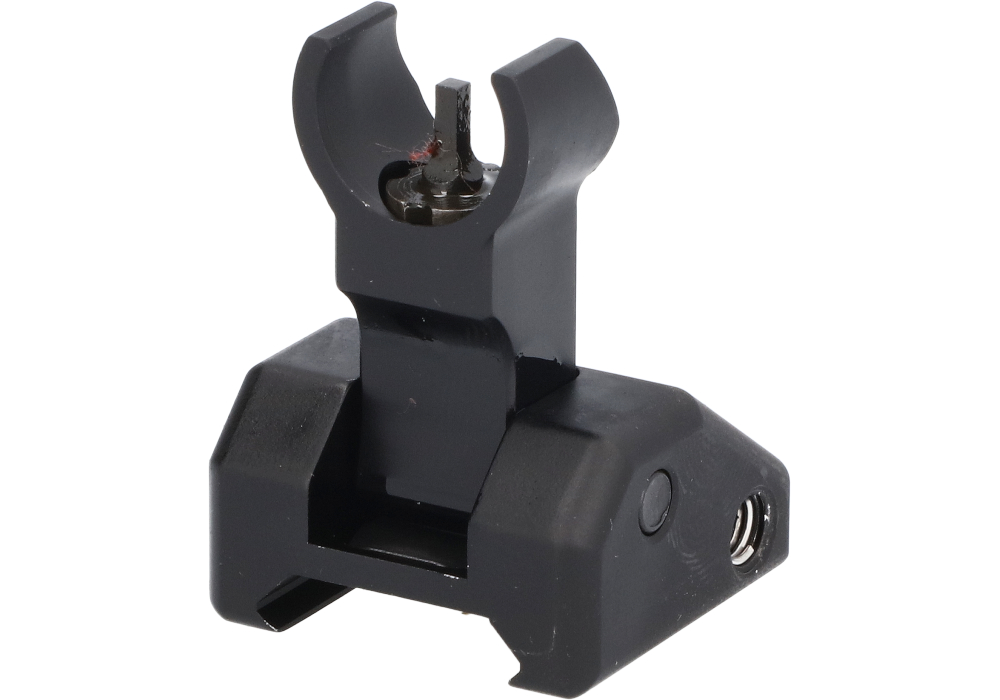
AR15 sights help define how a rifle is aimed, how quickly a target comes into view, and how comfortably a shooter can maintain a steady sight picture. The right choice depends on the rifle’s role, the distances involved, the lighting conditions, and the shooter’s experience. Traditional iron sights remain a practical option for anyone who values a simple, durable aiming system with no battery requirement. Fixed front and rear sights stay in position and provide a familiar reference for aligning the rifle, while flip-up backup iron sights can fold beneath an optic and remain ready when needed. Offset sights sit at an angle along the side of the rifle, allowing a shooter to transition from a magnified optic to a close-range sight picture with a slight change in rifle position. For many owners, these configurations provide a dependable second aiming method and a reassuring layer of versatility when equipment, lighting, or distance changes during a range session. Adjustable front and rear sights can also help refine point of impact for a particular rifle and ammunition combination. Shooters comparing these options may find useful details on Adjustable Rifle Sights, especially when fine-tuning elevation and windage is an important part of the setup.
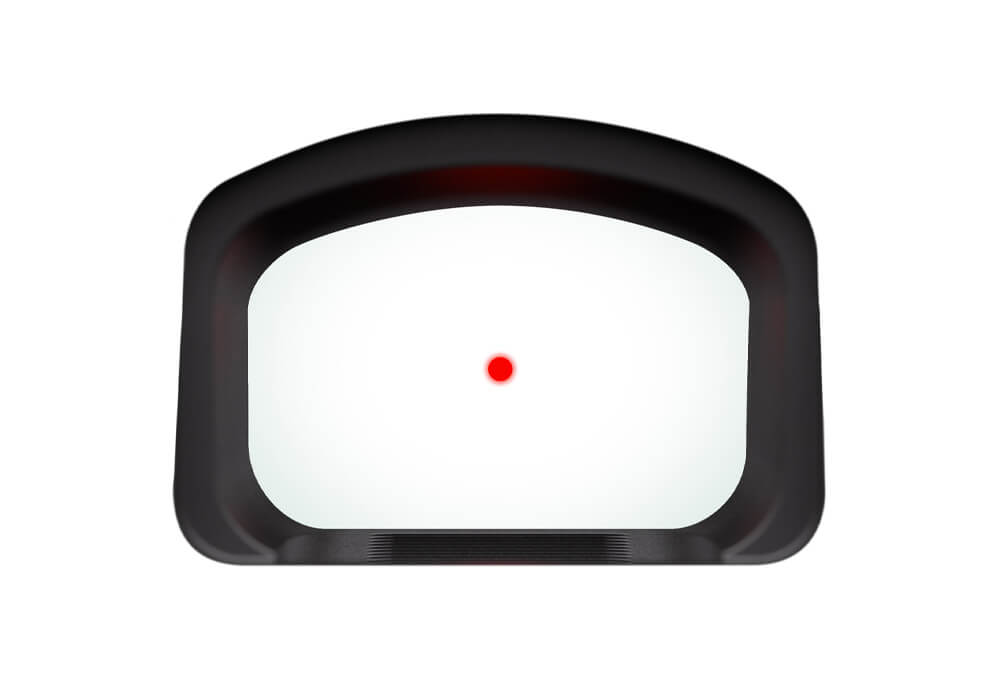
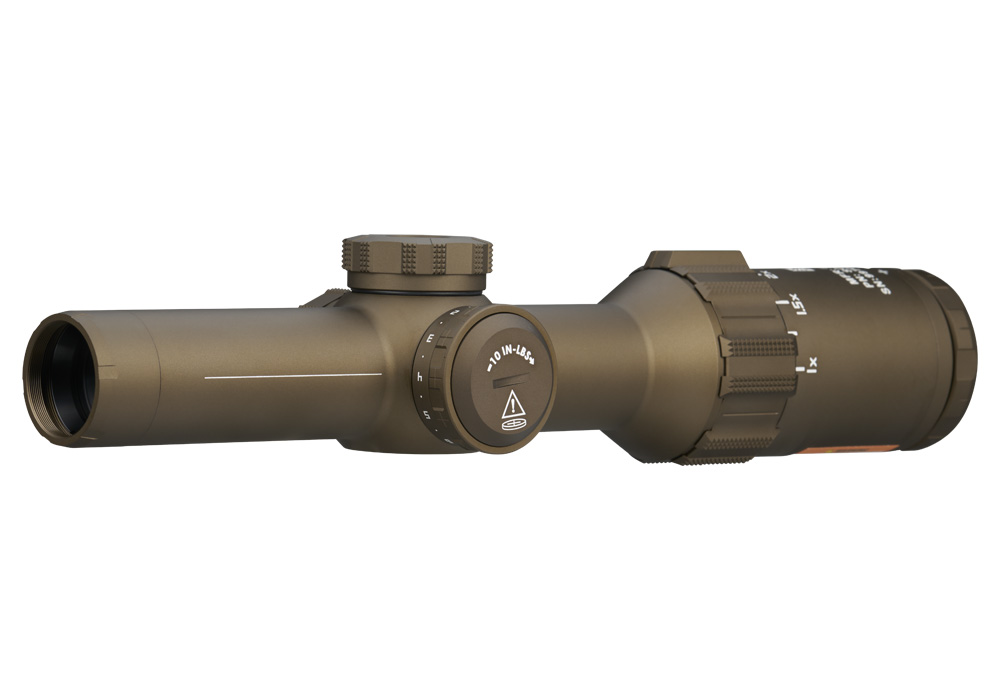
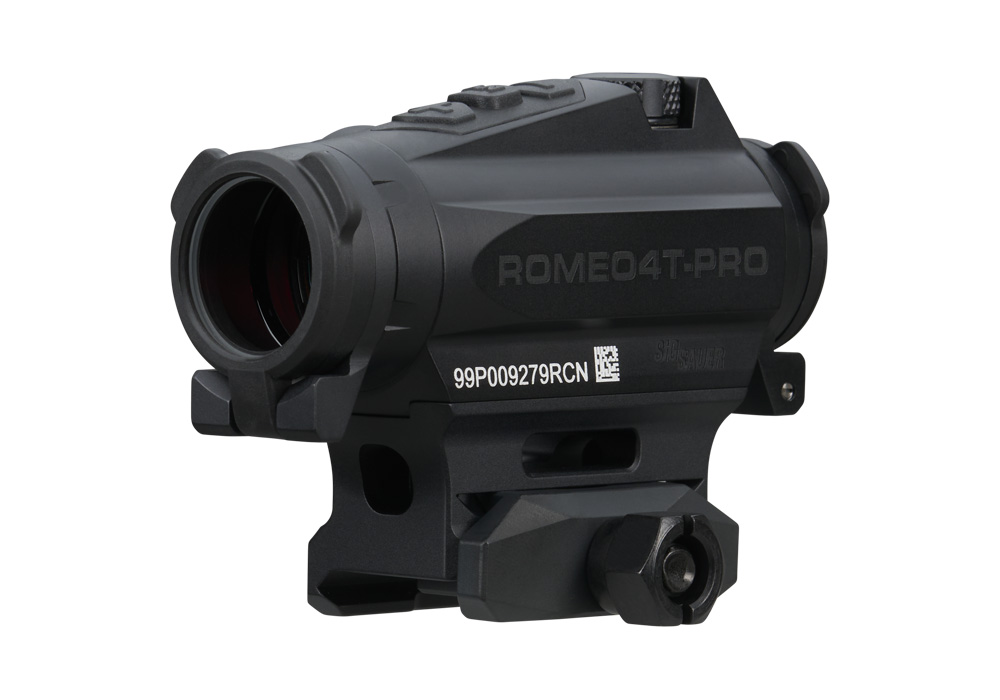
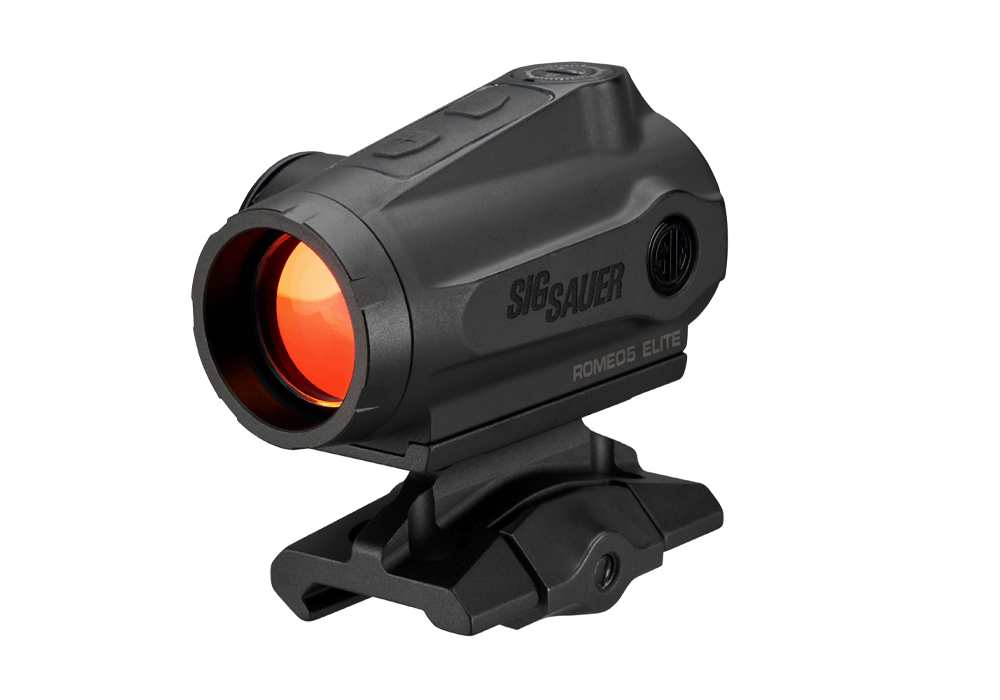
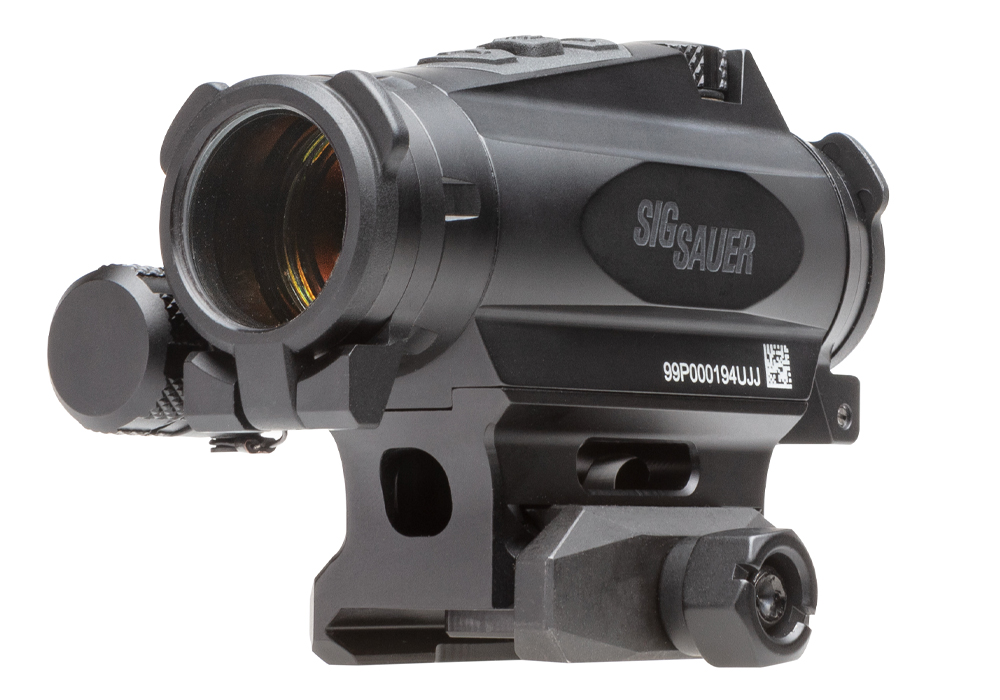
Electronic sights offer another approach, with illuminated aiming points that can be easy to see against varied backgrounds and helpful for shooting with both eyes open. Red dot sights are often selected for fast target acquisition at short and moderate distances, making them a popular fit for range practice, training drills, competition, and general-purpose rifle configurations. Holographic sights provide a wide viewing window and an illuminated reticle designed to remain visible as the shooter tracks movement or shifts between targets. A low-power variable optic can cover a broader range of uses by offering a near-1x setting for close work along with magnification for more deliberate shots at distance. This flexibility can appeal to a hunter moving through dense timber in the cooler months, a recreational shooter practicing from multiple distances, or a rifle owner who prefers one sighting system for varied range layouts. Prism scopes are another option, combining a compact design with an etched reticle that remains visible without illumination, while a battery can enhance contrast in changing light. When comparing AR15 sights, consider the size and weight of the sight, the height above the bore, the clarity of the glass or viewing window, the reticle style, brightness controls, and the type of mount required. A sight should complement the rifle rather than make it awkward to carry, shoulder, or store. Shooters who wear glasses may appreciate generous eye relief or a forgiving viewing window, while those who spend time outdoors may place extra value on weather resistance, tactile controls, and a reticle that remains easy to identify beneath bright sky, shaded cover, or indoor range lighting.
The best AR15 sight is ultimately the one that matches a shooter’s habits and intended use. Someone beginning with a first rifle may prefer a straightforward optic with minimal controls and an uncluttered aiming point, while an experienced range enthusiast may want adjustable brightness, magnification, or a backup sight arrangement for more specialized practice. A hunter typically considers the terrain, expected engagement distance, and the amount of light available at the beginning or end of a field session. A home-defense setup calls for careful attention to safe storage, rapid presentation, a clear sight picture, and familiarity developed through responsible training; every sighting system benefits from practice in a controlled setting and a confirmed zero. AR15 sights can also be a thoughtful gift for an adult shooter, particularly when the recipient already owns a compatible rifle and has expressed a preference for a certain style of aiming system. If choosing one as a gift, it helps to know the rifle’s mounting interface, the shooter’s preferred distance, and whether the rifle is intended for close-range practice, hunting, competition, or general recreation. A gift card or a conversation about preferred features may be more useful than guessing at fit. During the transition from warmer days to cooler outdoor sessions, a well-chosen sight can make range time more comfortable by helping the shooter spend less effort searching for alignment and more time refining stance, trigger control, and consistency. Before installation, confirm compatibility with the rifle and mount, follow the sight manufacturer’s instructions, verify that all fasteners are secure, and check zero again whenever the sight, mount, ammunition, or rifle configuration changes. With thoughtful selection and regular practice, AR15 sights can provide a clear, repeatable reference for responsible shooting across a wide variety of conditions.