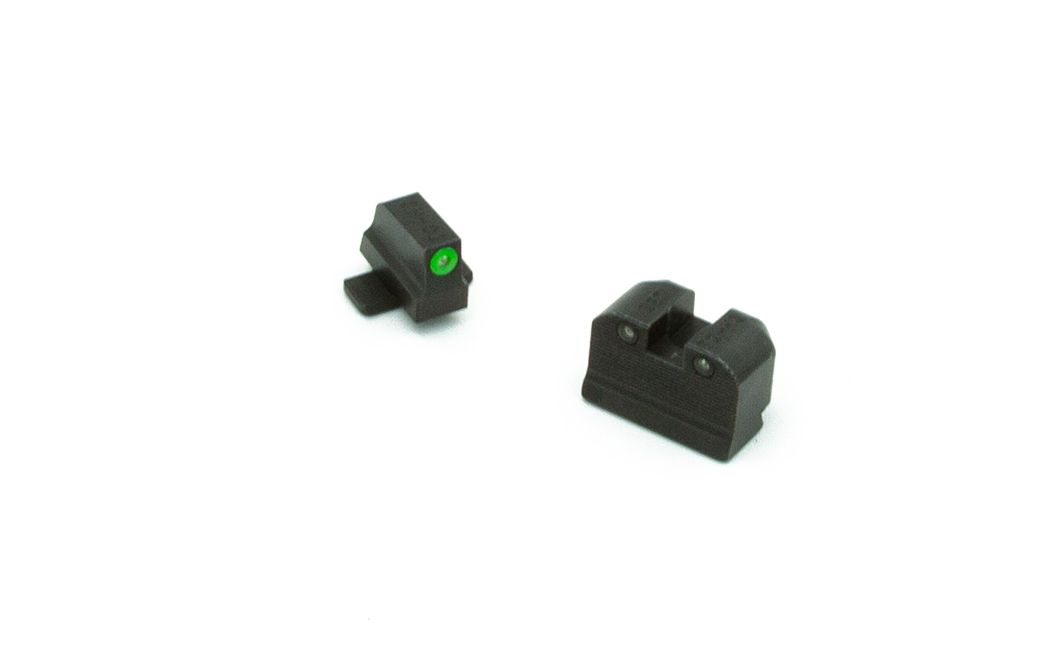
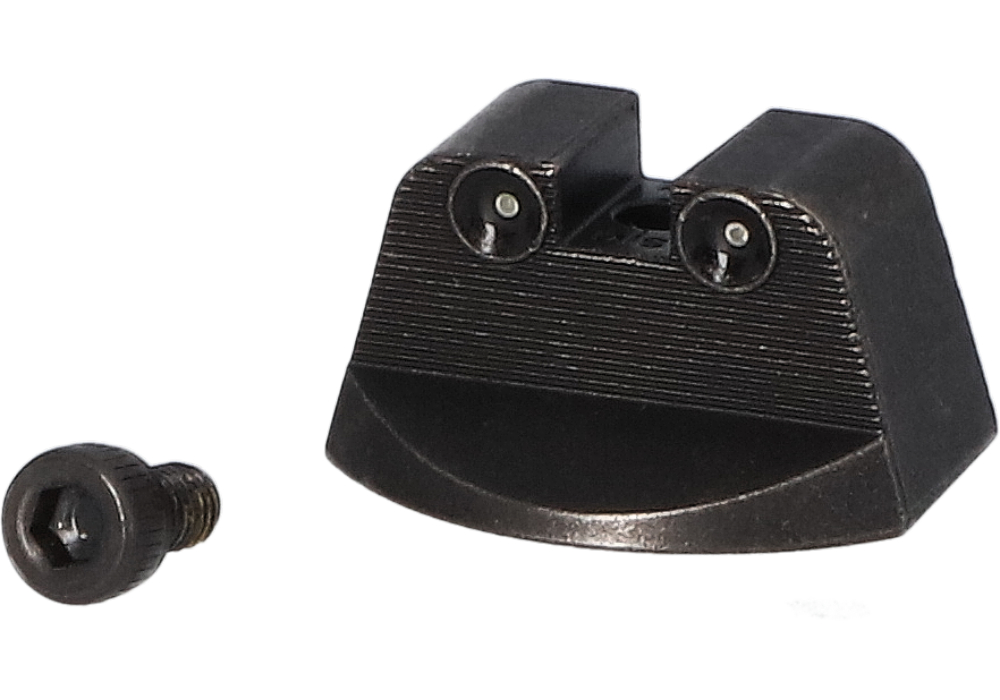
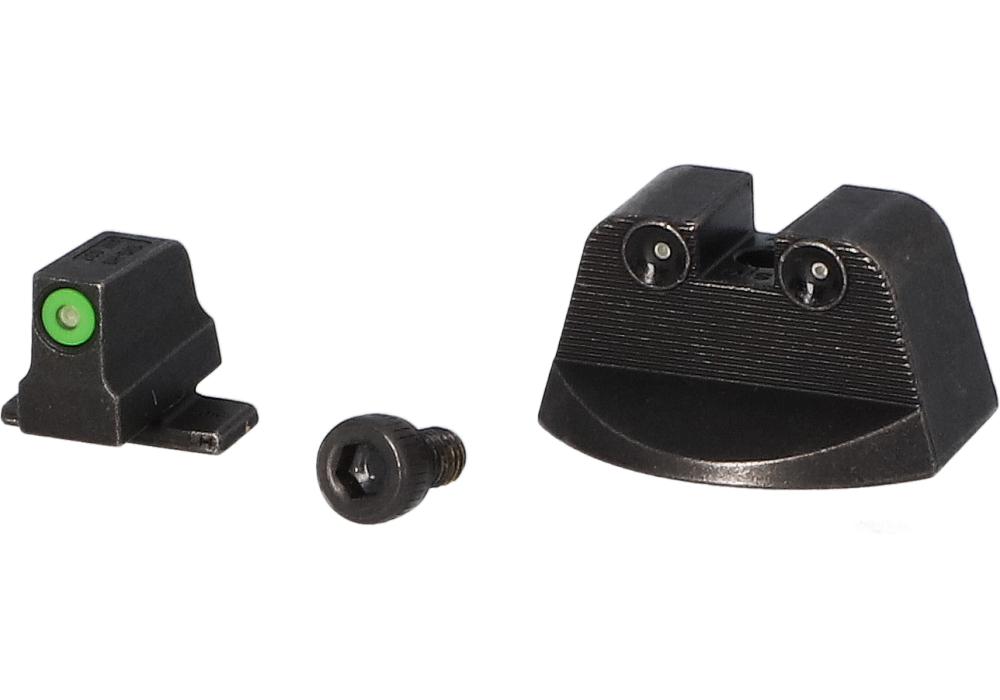
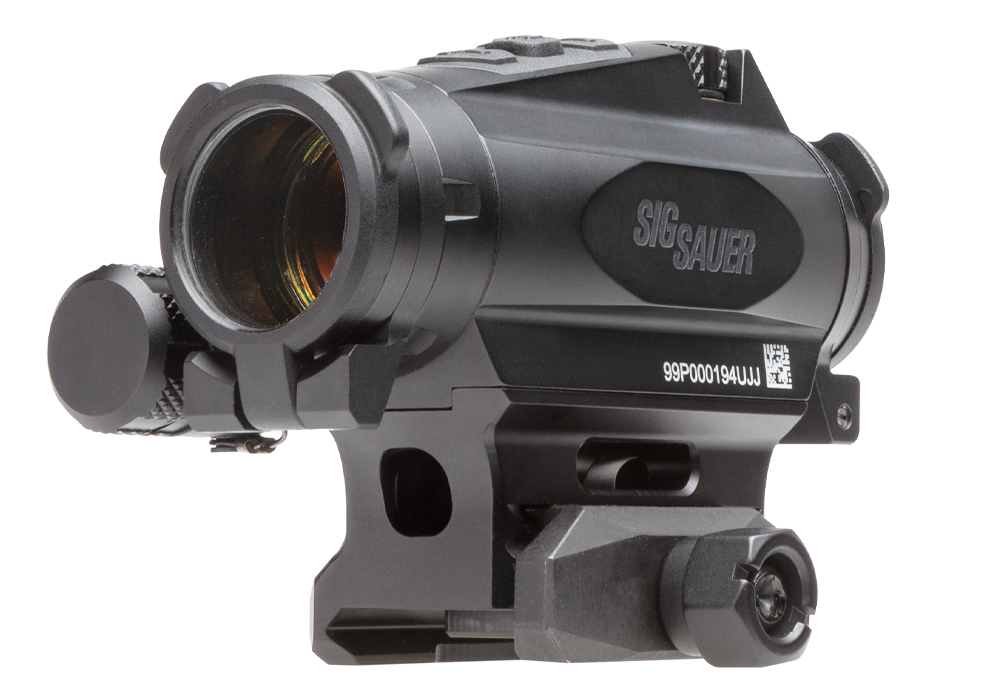
Adjustable rifle sights give shooters a practical way to refine point of impact without replacing the entire sighting system. Unlike fixed sights, which are set at a predetermined position, adjustable sights allow controlled changes for windage and elevation. Windage moves the point of impact left or right, while elevation moves it up or down. This flexibility is useful when a rifle is used at different distances, with different ammunition loads, or in changing conditions. A load that groups neatly at one distance may print slightly higher, lower, left, or right at another, and a properly installed adjustable sight can help bring the sights and point of impact back into alignment. Rear-sight adjustments are typically intuitive: move the rear sight in the direction you want the bullet to move on the target. To raise the point of impact, raise the rear sight; to lower it, lower the rear sight. Front-sight elevation adjustments work in the opposite direction, which is why many shooters begin with the rear sight when the design allows it. Small, deliberate changes are important. A few clicks or a slight shift can make a noticeable difference downrange, especially when shooting from a steady rest. Before making any adjustment, confirm that the rifle is unloaded, follow all applicable safety procedures, and use a safe, appropriate range with a clearly defined backstop. Adjustable rifle sights may appeal to hunters, recreational shooters, competitors, instructors, and rifle owners who simply want a more adaptable sight picture. They can also be a thoughtful gift for a responsible firearm owner who enjoys time at the range, maintains a traditional rifle, or is restoring a familiar setup for use during the cooler months. The best choice depends on the rifle, the shooter, and the intended application rather than on appearance alone.
Compatibility should be the first purchase consideration. Rifles may use different mounting cuts, dovetail dimensions, screw patterns, sight heights, and front-to-rear configurations, so a sight that fits one platform may not fit another without additional parts or professional installation. Check the rifle manufacturer’s specifications and compare them with the sight’s listed dimensions before ordering. Sight height matters because changing the relationship between the front sight, rear sight, and bore can alter the rifle’s zero and the amount of adjustment available. Sight radius matters as well: a longer distance between the front and rear sights can make small alignment errors easier to detect, while a shorter sight radius may be more compact and convenient. Shooters who spend long days in the field often favor low-profile designs that resist snagging on clothing and equipment, while target shooters may prefer larger adjustment knobs or clearly marked settings that make precise changes easier to track. Some sights are adjusted with a small screwdriver or Allen wrench to help prevent accidental movement during transport, while others use finger-adjustable controls for quicker changes on the range. Ramp-style or tangent designs can offer indexed positions for known distances, making them useful when a shooter regularly moves between established ranges. Fiber-optic elements may improve visibility against a dark or shaded background, although sight visibility depends on lighting, angle, contrast, and the shooter’s eyesight. A durable finish, positive adjustment clicks, secure fasteners, and a sight picture that remains clear under ordinary field conditions are all worthwhile considerations. For a rifle that may be used with an optic, verify that the sight arrangement will not interfere with mounting, removal, or the intended backup-sight configuration. Shooters exploring related accessories can also browse Adjustable Rifle Aids for additional options that support setup and adjustment.
Once installed, adjustable rifle sights should be zeroed with the rifle supported securely and with ammunition appropriate for that firearm. Begin at a close, safe distance where the target and backstop are easy to confirm, then fire a careful group rather than judging the result from a single shot. Measure the center of the group, compare it with the desired point of aim, and make one adjustment at a time. Keep notes on the original setting, the ammunition used, the distance, and the number or direction of adjustments; a small range card tucked into a gear bag can save time when returning to the same rifle later. After each change, fire another group and allow the barrel to cool as needed so heat does not confuse the results. Wind, temperature, lighting, shooting position, and ammunition consistency can all influence where shots land, and a sight cannot compensate for every variable. During spring and summer outings, bright light can make a dark front sight easy to see but may also create glare, while shaded timber or overcast conditions during the cooler months can make contrast and visibility more important. A final confirmation from a realistic field position is useful for hunting or practical use, but all sight-in work should take place under controlled range conditions. Periodically inspect screws, bases, protective ears, adjustment locks, and sight elements for looseness or damage, especially after transport over uneven ground. Store the rifle securely and preserve any adjustment record before changing ammunition or removing the sight. With the right fit and a methodical zeroing process, adjustable rifle sights provide a durable, familiar way to keep a rifle responsive to distance, ammunition, and the conditions in which it is used.