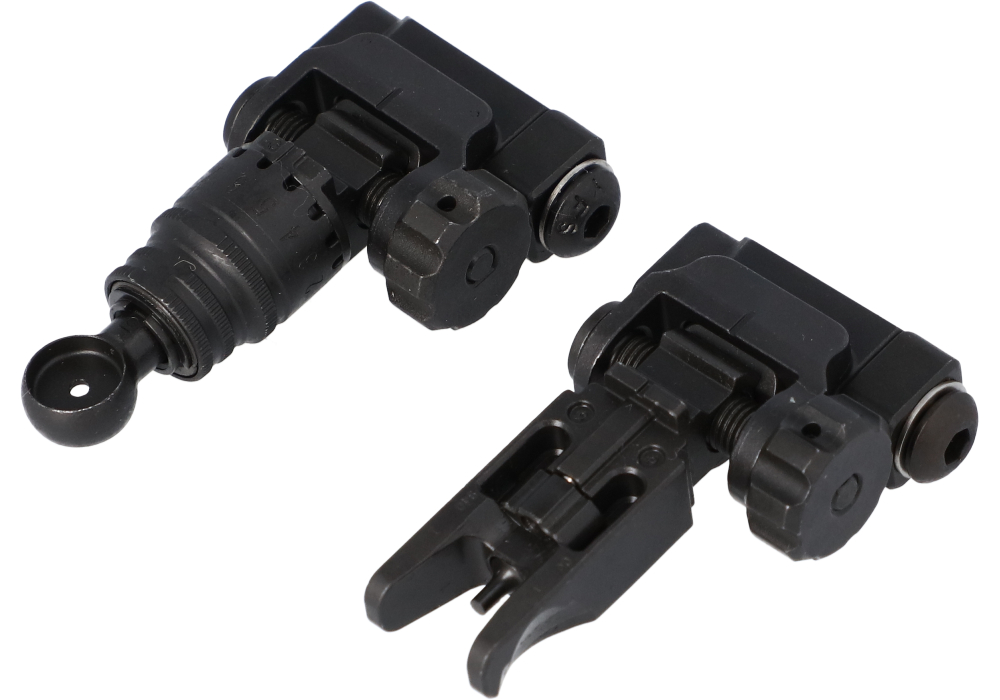
Adjustable rear sights bring a serviceable, adaptable aiming reference to a firearm’s sight system, with designs that allow changes to windage, elevation, or both. Windage refers to horizontal adjustment, while elevation refers to vertical adjustment; the controls provided depend on the sight’s design. For owners considering adjustable rear sights for firearm maintenance, the central considerations are compatibility, a clear sight picture, secure mounting, and reliable adjustment mechanisms. A replacement sight should suit the firearm’s exact configuration and work with the existing front sight, rather than simply resemble the component it replaces. Mounting dimensions, sight height, attachment style, and clearance around neighboring components all matter. Even firearms within the same model family can have different mounting interfaces, so a familiar model name alone is not enough to establish fit. Rear notch and aperture designs also present different visual references. A notch frames the front sight between two edges, while an aperture provides an opening through which the shooter views the front sight. Neither style is universally preferable; the appropriate choice depends on the firearm, the intended activity, and the shooter’s visual preferences. For recreational target shooters and owners maintaining a regularly used firearm, an adjustable design can offer flexibility while retaining a familiar mechanical sight picture. Someone replacing a worn sight may prioritize a close match to the original dimensions, while an experienced range user may place more emphasis on clearly defined adjustment controls and an uncluttered view of the front sight. Those comparing rifle-specific configurations can explore Adjustable Rifle Sights with the same attention to mounting compatibility and the relationship between front and rear components. Across these applications, adjustment range is only one part of the decision. A sight also needs to remain readable, accessible for ordinary care, and appropriate for the firearm on which it will be installed.
Materials and construction influence how an adjustable rear sight holds up to repeated handling, cleaning, and range use. Steel is common where strength and wear resistance are priorities, while some designs use aluminum to reduce weight. Material alone does not establish quality: the dimensions of the base, protection around the adjustment mechanism, surface finish, and fit between moving components also deserve attention. Protective finishes can help resist corrosion, but they do not eliminate the need for care or inspection. Matte surfaces may reduce distracting reflections, and cleanly defined sight edges can help preserve a distinct visual reference. Depending on the design, the rear sight may use a plain blade, contrasting reference marks, or another visual treatment. The most useful arrangement is one that remains easy for the individual shooter to interpret without competing with the front sight. A broad, prominent rear element may look appealing in a photograph yet feel visually crowded when paired with a particular front blade. Conversely, a simple rear notch can provide an uncluttered view, but its width and height still need to suit the complete sight system. Durability also includes the smaller components that are easy to overlook, such as adjustment screws, retaining hardware, and springs where present. Well-protected controls and clearly specified mounting requirements are useful considerations for a firearm that sees regular use. Exposed edges, overall sight height, and compatibility with a storage case or holster can affect everyday handling, particularly when a replacement differs from the original profile. For maintenance-focused purchases, product specifications should clearly identify the supported mounting interface, included hardware, and any installation requirements. A sight that requires professional fitting is a different purchase from one intended for an existing compatible attachment point. A qualified gunsmith can assess uncertain fit, evaluate worn mounting surfaces, and determine whether related components also need attention. Choosing with the complete assembly in mind helps avoid treating the rear sight as an isolated part.
Routine care helps keep an adjustable rear sight’s surfaces visible and its condition easier to assess. Powder residue, lint, and fine debris can collect around a rear blade, aperture, or adjustment housing, especially on a firearm that travels frequently between a case and the range. Gentle cleaning with a soft brush or suitable cloth can remove surface buildup without the harsh contact that may damage finishes or visual reference marks. Cleaning agents should be compatible with the sight’s materials and any inserts, coatings, or markings; a solvent intended for another firearm component is not automatically suitable for every sight surface. Lubrication requirements vary by design, so manufacturer recommendations should take precedence over a general habit of applying oil. Excess lubricant can retain debris, while some mechanisms call for only limited lubrication in designated areas. Maintenance also includes observing the condition of mounting hardware, checking for visible movement or damage, and noting whether the adjustment controls feel different from their usual operation. Loose hardware, a bent blade, damaged screw heads, or an uneven mounting interface warrant evaluation rather than repeated adjustment to compensate for an underlying problem. Any handling, inspection, or cleaning should begin with the firearm unloaded and secured according to its manufacturer’s safety instructions, with ammunition kept separate from the work area. Correctly fitting tools matter because small fasteners are vulnerable to damage from poorly matched tips; installation methods and tightening specifications belong to the particular sight and firearm, not to a universal rule. After installation or service, a qualified professional can help verify secure fit and appropriate function before use. For an owner maintaining a familiar range firearm, the value of a replacement rear sight often lies in restoring a dependable, readable component rather than changing the entire setup. As a gift for an experienced firearm owner, this category requires exact compatibility information and an understanding of the recipient’s preferences. Whether the purchase supports replacement, ongoing upkeep, or a different sight configuration, the strongest choice balances verified fit, durable construction, clear visual presentation, and care requirements the owner can comfortably maintain.