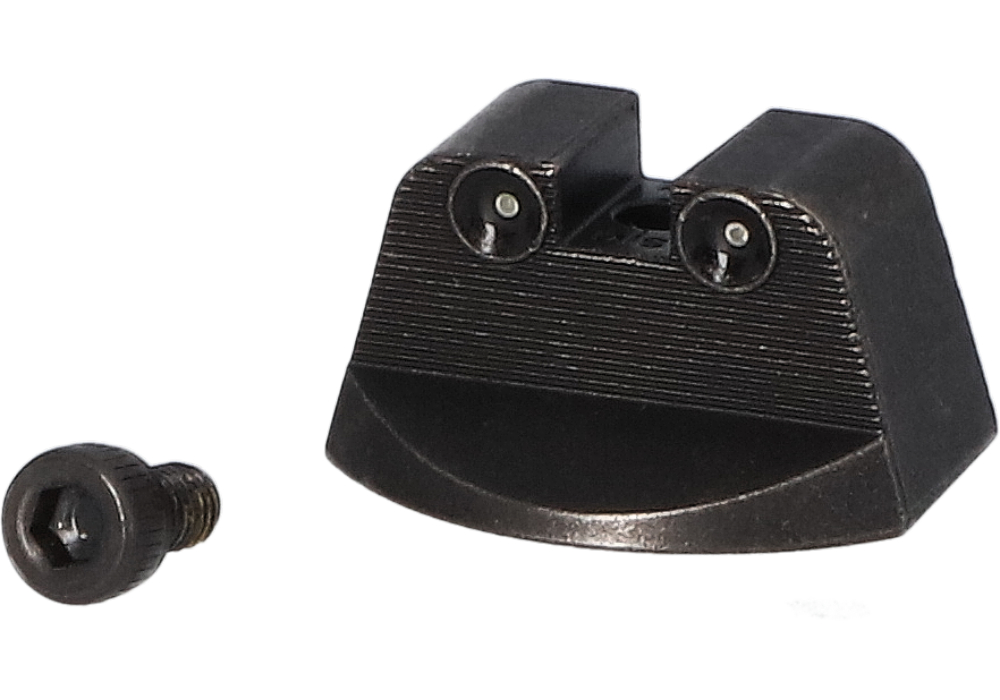
Adjustable rear sights for concealed carry give you a practical way to refine the relationship between your pistol’s point of aim and point of impact. Windage adjustments move the strike of the bullet left or right, while elevation adjustments help correct a point of impact that sits high or low in relation to the front sight. That flexibility can be useful when changing between defensive loads, confirming a new sight installation, or tuning a carry pistol to the way you naturally align it. Every handgun, shooter, and ammunition combination can produce slightly different results, and an adjustable sight provides room to account for those differences rather than relying solely on a fixed sight picture. For shoppers comparing options, the first consideration is fitment. Rear sights are designed for particular slide cuts and sight dimensions, so verify the pistol model, dovetail pattern, and compatibility with the existing front sight before ordering. A sight that fits securely and aligns with the front blade is essential for dependable use. It is also wise to consider whether the sight is intended specifically for carry rather than for a range-only setup. Traditional target-style sights may offer generous adjustment and a crisp sight picture, but their taller profiles, exposed corners, or small moving parts can be less comfortable under a cover garment. Carry-focused designs typically use a lower, smoother exterior with rounded edges or protective ears that help reduce snagging during presentation. They should still provide enough visibility for a quick, repeatable alignment in ordinary daylight.
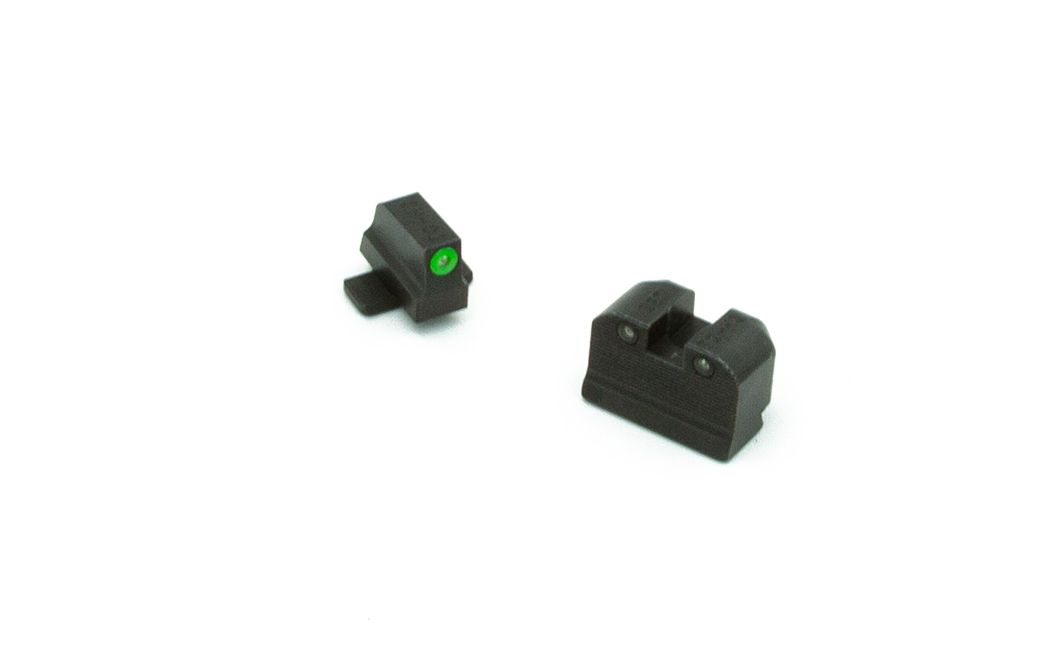
Sight configuration is another important part of the selection process. A blacked-out rear sight can create a clean contrast with a bright front sight and may appeal to shooters who prefer an uncluttered sight picture. White-dot arrangements offer familiar visual references that many people find easy to acquire on a square range or during practice in varied light. Night sight combinations can provide an additional reference during low-light conditions, though no sight system replaces a handheld light, safe target identification, or careful judgment. Think about the way you carry, the clothing you commonly wear, and the type of practice you intend to complete. A smooth profile is especially valuable for inside-the-waistband carry, where the rear of the slide may press against a belt, holster, or covering garment throughout the day. A protected adjustment mechanism can also help preserve the chosen zero when the pistol is handled regularly, transported in a case, or used during training. Even with a rugged design, adjustments should be performed with the proper tool and confirmed at the range. Begin at a reasonable distance, use a stable shooting position, and fire enough careful groups to identify a consistent pattern rather than chasing individual shots. Record the ammunition used, the sight settings, and the final point of impact so you have a useful reference after cleaning, maintenance, or a change in defensive ammunition. Once adjusted, confirm that the sight remains secure and that the fasteners, if present, receive the attention recommended by the manufacturer. Professional installation can be a sensible choice when a sight requires specialized tools or significant fitting.
These sights may appeal to new and experienced concealed carriers alike, including anyone who has struggled to achieve a comfortable sight picture with a factory setup. A left-handed or right-handed shooter may also appreciate the ability to fine-tune windage for a consistent hold, while an experienced carrier may want a familiar sight arrangement across more than one pistol. They can be a thoughtful gift for a responsible firearm owner who already knows the exact make, model, and sight cut of a carry handgun, but fitment details matter more than appearance. If the pistol uses a standard dovetail, confirm the dimensions instead of assuming that all rear sights share the same pattern. For shoppers comparing choices for compact 9mm handguns, the collection of Adjustable Rear Sights For 9mm Pistols can help narrow the search by application. Before installation, unload the firearm, remove all ammunition from the work area, and follow safe handling practices throughout the process. After installation, inspect the sight for movement, confirm that it does not interfere with the slide or holster, and test the pistol from the same carry setup used during practice. A sight that looks excellent on a bench may feel different under a cover garment, so a few controlled presentation drills can reveal whether the profile is comfortable and whether the front and rear references come together naturally. During the cooler months, heavier clothing can change how a pistol clears a garment and how the rear sight interacts with fabric, making regular practice and equipment checks especially worthwhile. With careful fitment, deliberate zeroing, and a profile suited to everyday carry, an adjustable rear sight can provide a dependable, personalized sight picture without turning a practical carry pistol into a bulky target setup.