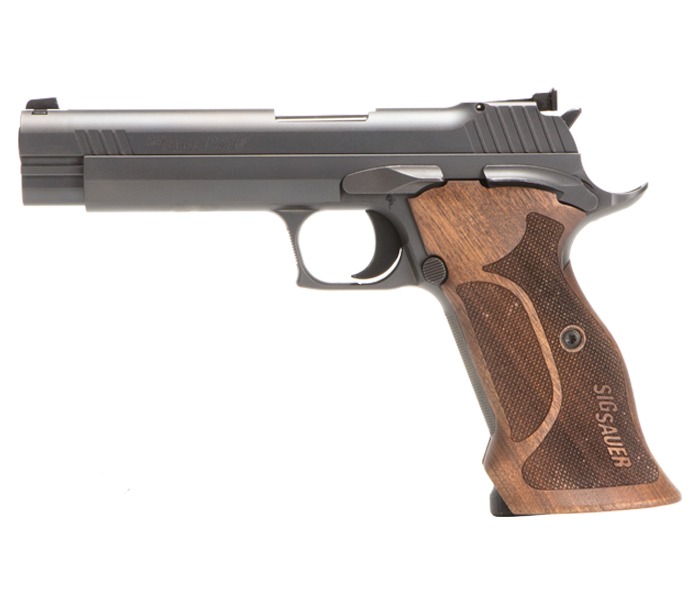
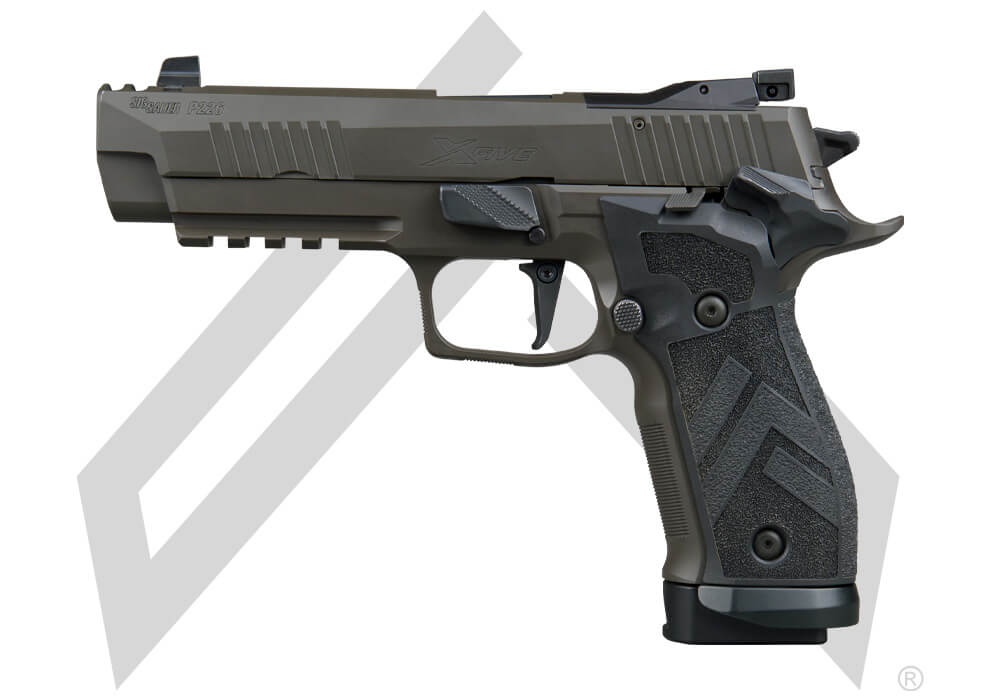
Adjustable rear sights for 9mm pistols provide a way to refine sight alignment by changing the rear sight’s position for windage, elevation, or both, depending on the design. Windage adjustment addresses left-to-right point of impact, while elevation adjustment addresses vertical point of impact. That flexibility can be useful for target shooting, competition, and regular range practice, especially when a shooter wants a consistent zero with a preferred ammunition load and shooting distance. An adjustable sight does not increase a pistol’s inherent mechanical accuracy; its value lies in helping the sight picture correspond more closely to where a consistently fired group lands. The best match begins with the pistol itself, not simply its chambering. Two handguns chambered in 9mm can have entirely different rear sight cuts, slide dimensions, mounting arrangements, and front sight heights. Compatibility therefore depends on the exact model, slide configuration, and sometimes the generation or variant of the pistol. A familiar-looking dovetail is not proof that a rear sight will fit correctly, and descriptions such as “standard dovetail” should not be treated as universal specifications. Some adjustable rear sights are intended to work with an existing front sight, while others require a front sight of a specified height to provide a usable adjustment range. This relationship matters because an otherwise suitable rear sight can leave too little elevation travel when paired with the wrong front sight. The rear notch also influences how the sights appear together. A wider notch leaves more visible space around the front blade and can support quick visual alignment, while a narrower notch may suit shooters who prefer a more closely defined reference on paper targets. Neither arrangement is automatically better for every shooter. Front sight width, eyesight, target contrast, and intended use all affect the preferred balance. For a pistol used primarily on the range, a clear, repeatable sight picture often matters more than decorative details or a particularly prominent rear profile.
Materials and construction help determine how an adjustable rear sight holds up to repeated shooting and everyday handling. Steel is common in rear sight bodies because it provides strength around the mounting interface, blade, and adjustment mechanism. Some designs use other materials or combine components to manage weight and profile, so construction details are worth considering rather than assuming that every sight follows the same pattern. A protective finish can help resist surface wear and corrosion, while a matte rear face reduces distracting reflections around the notch. Serrations on that face can further break up glare, giving the shooter a darker reference against the front sight. Adjustment mechanisms vary: some use distinct click increments, while others use a different screw arrangement. Positive, repeatable adjustment and secure retention are more meaningful than the presence of adjustment screws alone. A rear blade that remains stable through repeated recoil supports a consistent zero, and clearly identified adjustment features make later verification easier. Fit is equally important to durability. Dovetail dimensions and manufacturing tolerances can mean that a sight requires careful fitting even when it is intended for a particular slide. Professional installation is a sensible consideration when the mounting interface, fitting requirements, or necessary tools are uncertain. Excessive force or an unsuitable installation method can damage the sight, the slide, or the adjustment mechanism. Once installed, routine care generally involves keeping the notch and rear face free of residue, checking for visible looseness or damage, and following the sight manufacturer’s cleaning recommendations. Fiber-optic elements, luminous inserts, and painted markings can have different care requirements from a plain steel blade; harsh solvents are not appropriate for every component. For a pistol that sees frequent range use, accessible adjustment features and a durable finish can be practical advantages. For a pistol carried in a holster, the overall height, blade edges, and relationship to the holster deserve equal attention. A taller target-style assembly may suit deliberate shooting well without being the most comfortable choice for every carry setup.
Rear sight appearance is another important part of selecting an adjustable sight that suits the shooter and the pistol. A plain black rear blade keeps the visual emphasis on the front sight, which many target shooters find helpful when aiming against a light-colored paper target. Shooters who favor that uncluttered reference may also consider Black Adjustable Rear Sights for Pistols, particularly when pairing a dark rear notch with a clearly visible front blade. Other sight arrangements use contrasting dots, fiber-optic elements, or tritium inserts, each with different visual characteristics. Fiber optics rely on surrounding light to create a bright reference, while tritium provides a luminous reference without an external light source. Neither feature removes the need for a suitable notch width, compatible sight height, and a sight picture the shooter can interpret consistently. An adjustable rear sight can be useful for the recreational shooter who returns to the same range distance, the competitor who values repeatable alignment, or the experienced pistol owner refining a familiar handgun’s setup. Someone shooting small groups on paper may appreciate fine adjustment increments and a sharply defined blade; someone practicing a broader range of shooting tasks may place greater emphasis on visibility and a less intrusive profile. Pistols equipped with an optic introduce additional fit considerations, including clearance around the mounting plate and whether the iron sights are intended to remain visible through the optic’s viewing window. An adjustable rear sight should not be assumed to provide that alignment simply because it fits the slide. Competition rules can also affect acceptable sight configurations, making the intended discipline relevant to selection. As a gift, this category is best suited to a recipient whose pistol configuration and sight preferences are already known, since fit is too specific for chambering alone to settle the choice. Across these uses, the strongest selection is a compatible, securely mounted sight with readable references, useful adjustment travel, and construction appropriate to the handgun’s role. Those qualities support a dependable setup without relying on unnecessary complexity.