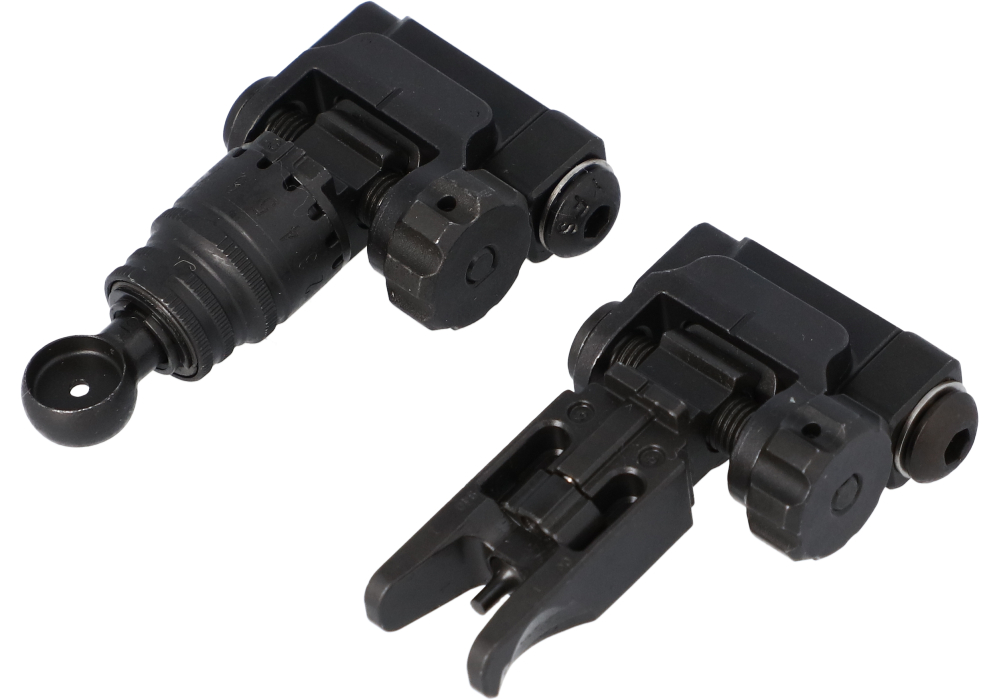
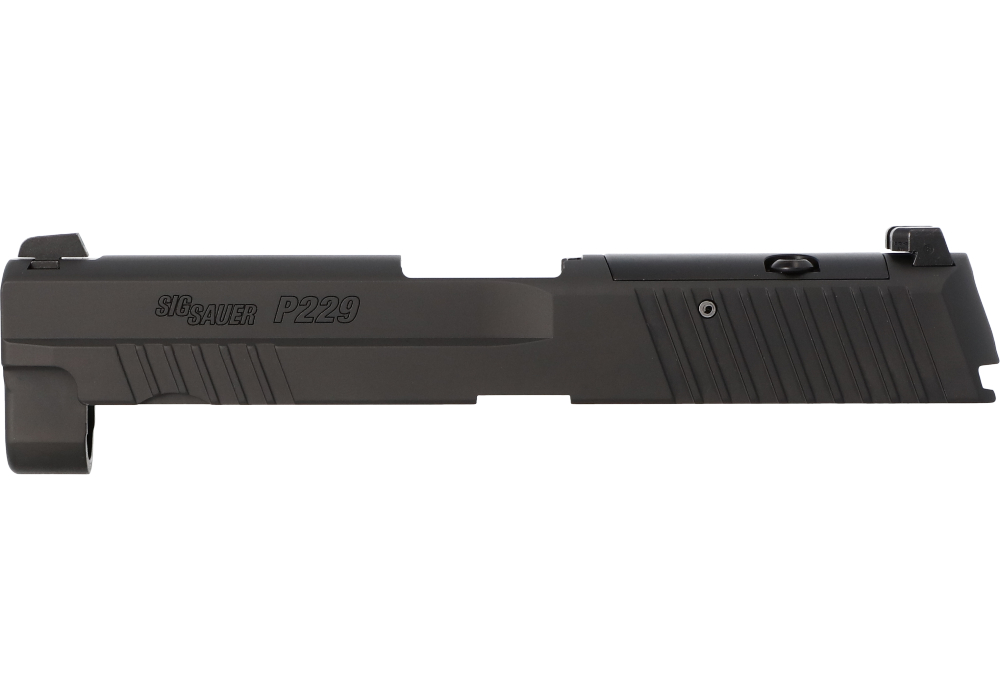
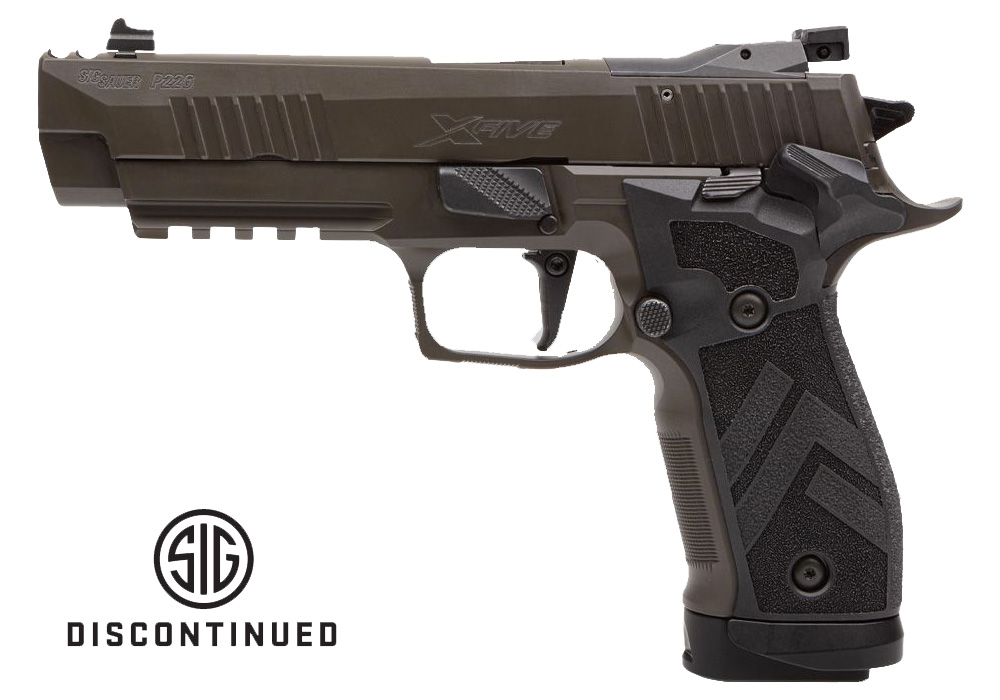
Adjustable pistol sights give shooters a practical way to refine point of impact as distance, ammunition, and shooting conditions change. Unlike a fixed sight that remains in one position, an adjustable sight system allows controlled changes in windage, which moves the point of impact left or right, and elevation, which moves it up or down. This flexibility makes adjustable sights especially useful for target practice, competition, defensive training, and anyone who wants a more precise sight picture from a properly zeroed pistol. A shooter may discover that one load groups slightly higher than another, or that a pistol sighted at a short indoor range needs fine adjustment when used at a longer outdoor distance. Adjustable sights make it possible to account for those differences without relying on guesswork or changing the way the pistol is held. The most common designs use a rear sight with screws, click adjustments, or a dovetail mounting system. Click-adjustable sights provide measured movement through distinct detents, allowing the shooter to make repeatable changes and keep track of each adjustment. Drift-adjustable sights are moved laterally in the dovetail, typically with a sight pusher or a properly fitted punch, and are valued for their straightforward, durable construction. When confirming zero, make adjustments in small increments and fire from a stable position so that the result reflects the sight change rather than an inconsistent grip or trigger press. A simple rule is to move the rear sight in the direction you want the bullet impact to move: shift the rear sight right when shots are landing left, move it left when shots are landing right, lower it when shots are hitting high, and raise it when shots are hitting low. This process is best performed with an unloaded pistol during installation and with careful range procedures during live-fire confirmation. For a selection focused on rear sight configurations, explore Adjustable Rear Sights For Black Pistols.
Choosing the right adjustable pistol sight starts with matching the sight to the pistol, slide cut, mounting system, and intended use. Compatibility is essential; a sight that fits one dovetail or optic-ready configuration may not fit another, and a sight designed for a particular slide height can change the relationship between the front and rear sight. Check the manufacturer’s specifications for model compatibility, sight height, notch dimensions, and required hardware before ordering. It is also worth considering how the sight picture works with the front sight. A clear, balanced relationship between the front blade and rear notch helps the eye settle naturally, while contrasting finishes or high-visibility inserts can make alignment easier in changing light. Shooters who spend most of their time on paper targets may prefer a finely defined notch and precise click adjustments. Those who train in varied environments may place greater value on a robust housing, snag-resistant contours, and a sight picture that remains easy to identify against dark backgrounds. Adjustable parts can be more exposed than a solid fixed sight, so look closely at construction, locking features, and the intended role of the pistol. A target-oriented setup may welcome a wider sight profile or a more pronounced adjustment mechanism, while a pistol carried close to the body may benefit from a lower, smoother design that is less likely to catch on clothing. Ammunition selection matters as well. Different bullet weights and loads can produce noticeably different points of impact, particularly when moving between standard and extended capacity magazines, different barrel lengths, or different shooting distances. Record the load, distance, and sight settings in a range notebook, then confirm the zero whenever the ammunition or configuration changes. This small habit can turn a frustrating session into a methodical one: a few carefully fired groups, a measured adjustment, and another group to verify the result. During the warmer part of the year, outdoor ranges may offer longer sight lines and more opportunities to evaluate a pistol beyond indoor distances; during cooler months, deliberate practice with gloves, heavier clothing, or lower light can reveal whether the sight remains easy to acquire under realistic conditions.
Adjustable pistol sights are often selected by experienced shooters, competitors, instructors, and recreational owners who enjoy refining their equipment, but they can also be a thoughtful gift for a responsible adult who already owns a compatible pistol and spends time training at the range. They are not a universal upgrade, and the best choice depends on the recipient’s firearm, preferences, and familiarity with sight installation. A gift card or a conversation about the intended pistol can be more useful than choosing a sight by appearance alone. Installation deserves the same care as selection. Before handling a sight or beginning any work, remove the magazine, open the action, and inspect the chamber and magazine well to verify that the pistol is unloaded. Use the correct sight-pusher tool when required, protect the slide from marring, and avoid forcing a sight through a dovetail that is not properly aligned. Because an improperly fitted or loose sight can affect accuracy and safe operation, professional installation by a qualified gunsmith is a sensible option, especially when the sight requires fitting, staking, thread locker, or a particular torque specification. After installation, inspect the fasteners and confirm the sight remains secure through a controlled range session. Start at a manageable distance, use a consistent two-handed grip and trigger press, and adjust only after observing a reliable group rather than a single shot. Once the pistol is zeroed, check the sight picture from different lighting angles and confirm that the adjustment screws or locking hardware remain secure. A well-chosen adjustable sight should support the way the pistol is actually used, whether that means carefully refining groups from a bench, preparing for a competition stage, or building confidence through structured practice. With the right fit, measured adjustments, and safe handling habits, adjustable pistol sights offer a dependable method for bringing the pistol’s point of aim and point of impact into closer agreement.