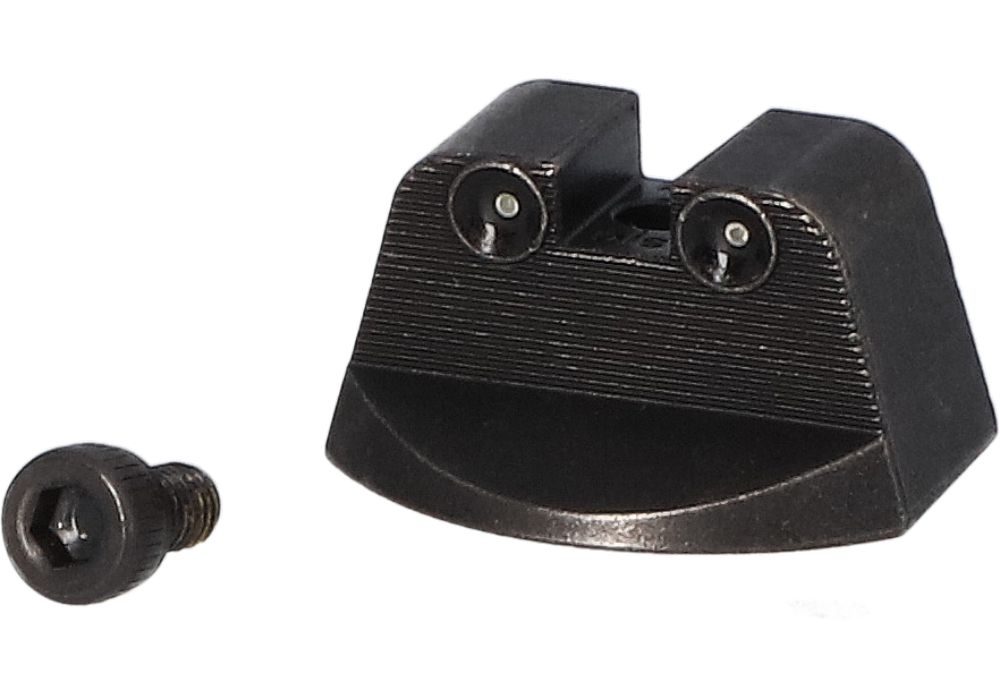
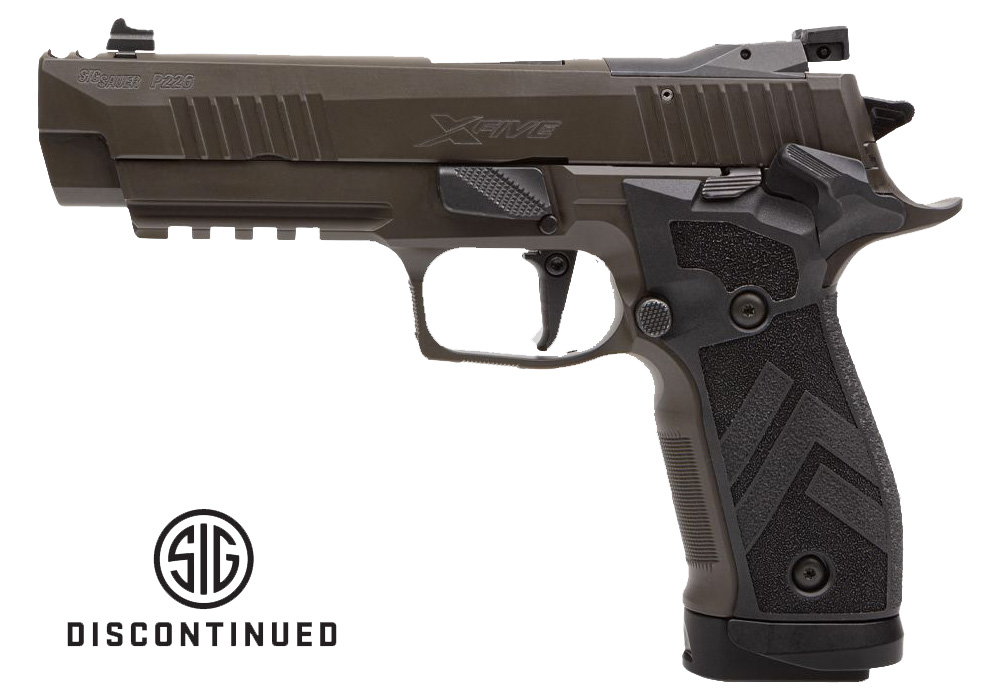
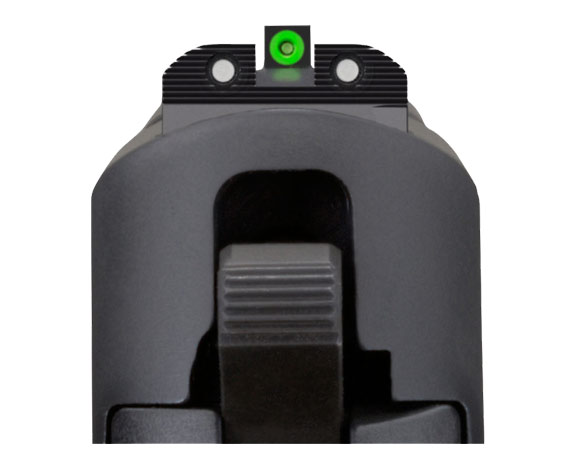
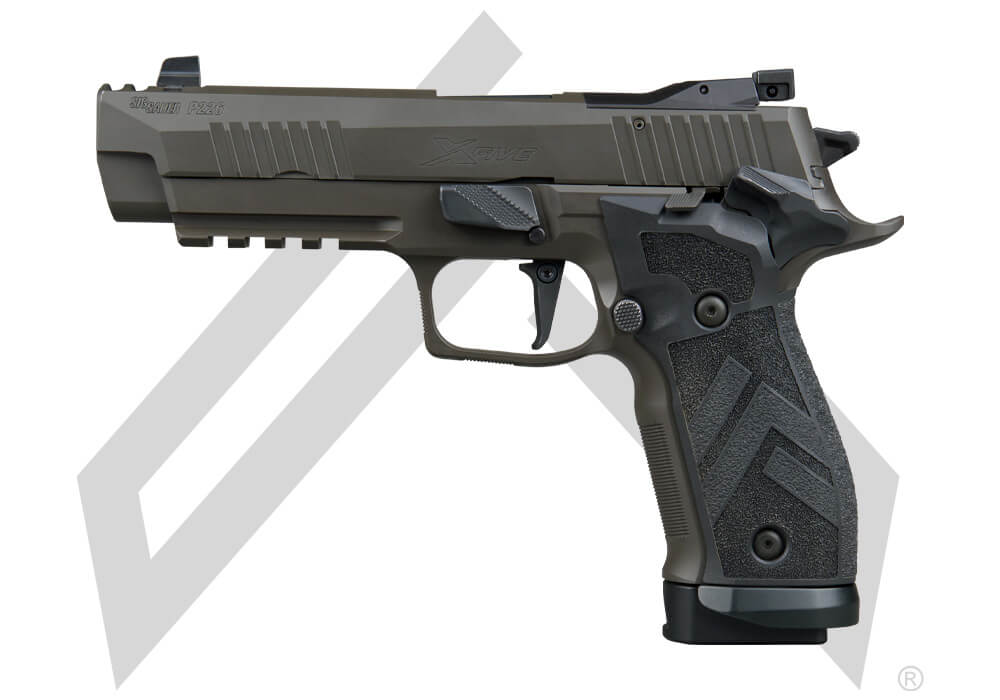
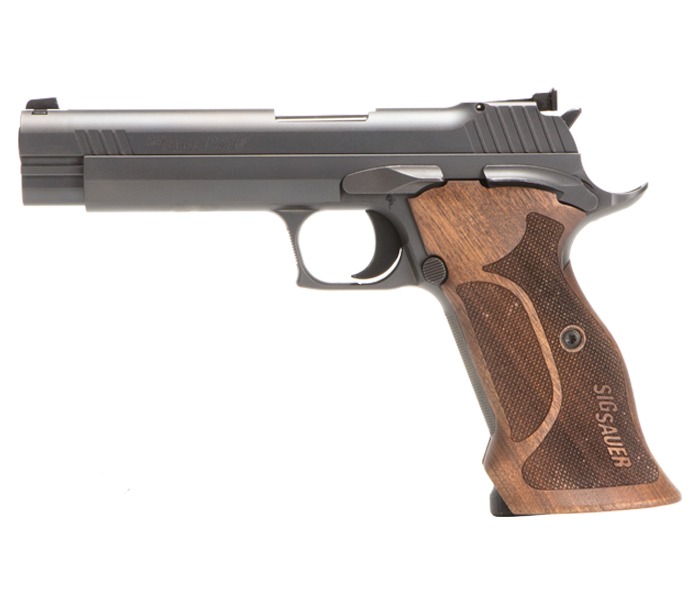
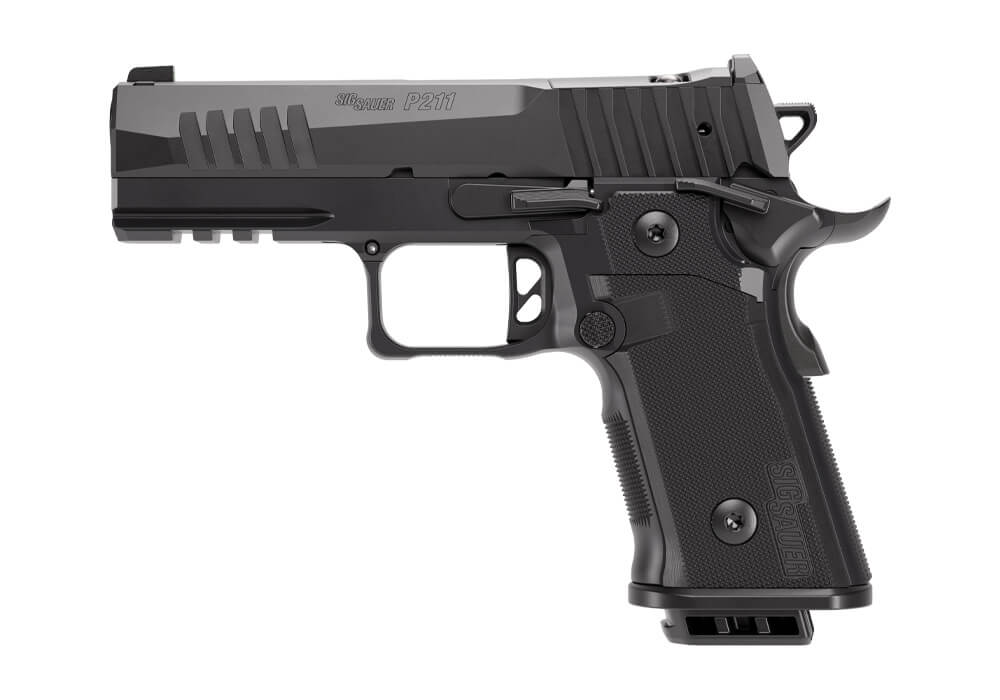
Adjustable rear sights for black pistols provide a way to refine windage and elevation while maintaining a clean, understated appearance on the slide. Windage adjustment changes the horizontal sight setting, while elevation adjustment changes the vertical setting, allowing a compatible sight system to better match the pistol’s point of impact. A matte black finish can reduce distracting reflections around the rear notch, helping the shooter distinguish the front sight against a target. That combination of adjustability and visual simplicity appeals to recreational target shooters, experienced competitors, and pistol owners who prefer a straightforward sight picture. The rear sight frames the front sight rather than drawing attention away from it, so notch shape, width, and edge definition all influence how the system looks through the shooter’s eyes. A square notch offers a familiar reference, while other profiles can present a different balance of visible space and alignment cues. A narrower notch may suit someone who values a precise view of a small aiming point; a more open notch can leave additional light visible on either side of the front sight. Neither approach is universally better, because front sight width, eyesight, viewing distance, and intended use all matter. Black rear sights can also complement a contrasting front sight, creating a visual hierarchy that keeps attention forward. For a shooter looking at a paper bullseye across an indoor range, crisp edges and limited glare can make the sight picture easier to interpret. For someone practicing on larger targets, an uncluttered rear profile may feel more natural than a visually busy design. Adjustable sights support these preferences without guaranteeing accuracy on their own. Consistent handling, a compatible front sight, and a mechanically sound pistol remain important. The strongest choice is a rear sight that offers useful adjustment, a clear view, and a profile suited to the way the pistol will actually be used.
Fit deserves as much attention as appearance when comparing adjustable rear sights. A black pistol does not identify a mounting standard, and similar-looking slides can require different sight dimensions or attachment systems. Compatibility depends on the pistol platform, the slide’s sight interface, and any relevant configuration details specified by the manufacturer. Dovetail dimensions, mounting geometry, and the space around the sight all influence whether a replacement is appropriate. Rear sight height must also work with the front sight; choosing either component in isolation can leave the sight picture poorly matched or the available adjustment range insufficient. Pistols with an optic mounting provision may introduce additional clearance considerations, even when the rear sight itself is a conventional mechanical design. The selection of Black Adjustable Sights is best considered with those compatibility details in mind, rather than by finish alone. Adjustment mechanisms also vary. Some designs provide distinct clicks that make settings easier to track, while others use a different screw arrangement. The relevant considerations are the stated adjustment range, the clarity of the mechanism, and its ability to retain a setting through routine use. Material and construction contribute to that stability. Steel is common in pistol sights because it offers strength and resistance to everyday wear, while some designs use aluminum or a combination of materials to balance weight and structural needs. A protective black finish can help resist surface wear and corrosion, but its performance depends on the treatment and subsequent care. A smooth exterior may be comfortable around clothing and holster openings, while a more substantial target-oriented profile may prioritize a clearly defined notch and accessible adjustments. These differences are worth considering for a pistol used mainly at the range versus one that must fit an existing holster. Professional installation is often appropriate because sight interfaces can require specialized tools and careful handling. A qualified gunsmith can assess fit, protect the slide finish, and confirm that the sight is secure without treating a close visual match as proof of compatibility. Manufacturer specifications should remain the reference for both fit and adjustment features.
Durability is not just a matter of material thickness or a dark finish. An adjustable rear sight has moving interfaces, small fasteners, and exposed edges that should remain secure and readable over time. For a pistol that travels between a storage case, a range bag, and a shooting bench, a robust body and protected adjustment components can be practical advantages. Care should follow the sight and pistol manufacturers’ recommendations, with attention to residue around the notch, moisture on metal surfaces, and anything that obscures the sight picture. Harsh cleaners or abrasive tools can damage some finishes, and unnecessary manipulation of adjustment screws can complicate an otherwise consistent setup. A periodic inspection by a knowledgeable owner or qualified professional can identify looseness, visible damage, or wear that deserves attention. At the range, changes in ammunition or the combination of front and rear sights may affect the relationship between the aiming reference and the resulting group, which is one reason adjustable designs appeal to shooters who value a tailored setup. Adjustment is not a substitute for addressing loose components or inconsistent shooting technique, however. Comfort and visibility deserve equal consideration: a sight that looks sharply defined to one person may appear crowded to someone with different vision or prescription lenses. When possible, comparing notch proportions and front sight contrast in person can reveal more than a finish description alone. These accessories can also be thoughtful gifts for established pistol owners who enjoy target shooting, competition, or maintaining their equipment, provided the recipient’s exact firearm configuration and preferences are known. Compatibility-sensitive accessories are rarely suited to a guess based only on color or general pistol style. For an owner refining a familiar range pistol, the appeal is practical: a cleaner visual reference, adjustment suited to the intended shooting distance, and construction that holds up to regular handling. Matching those priorities to the correct fit, appropriate height, and preferred notch design helps an adjustable black rear sight become a useful part of the pistol rather than simply a cosmetic change.