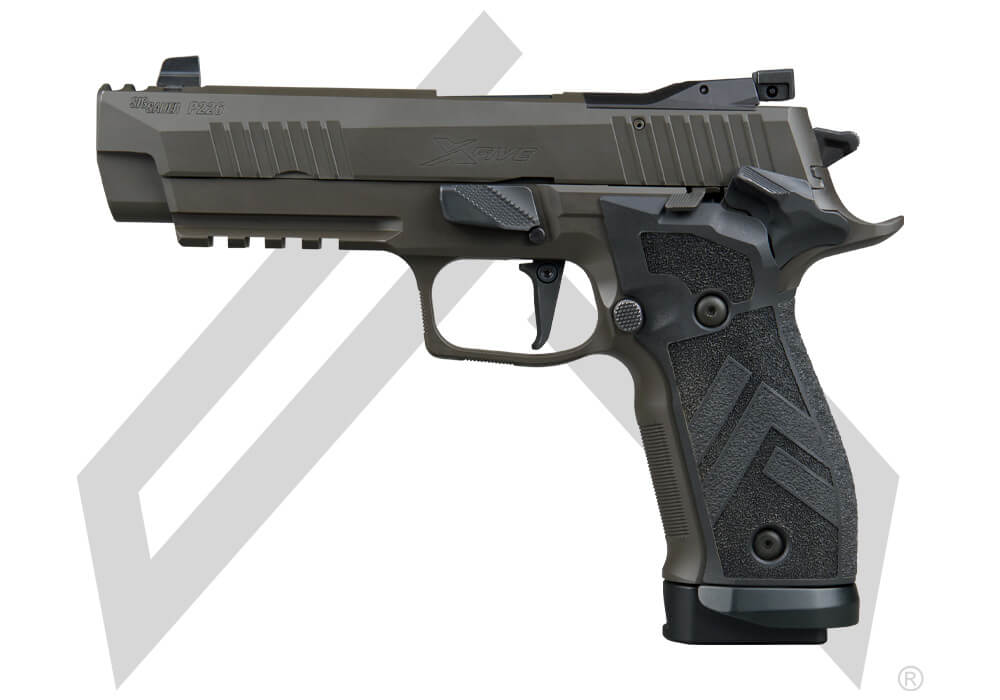
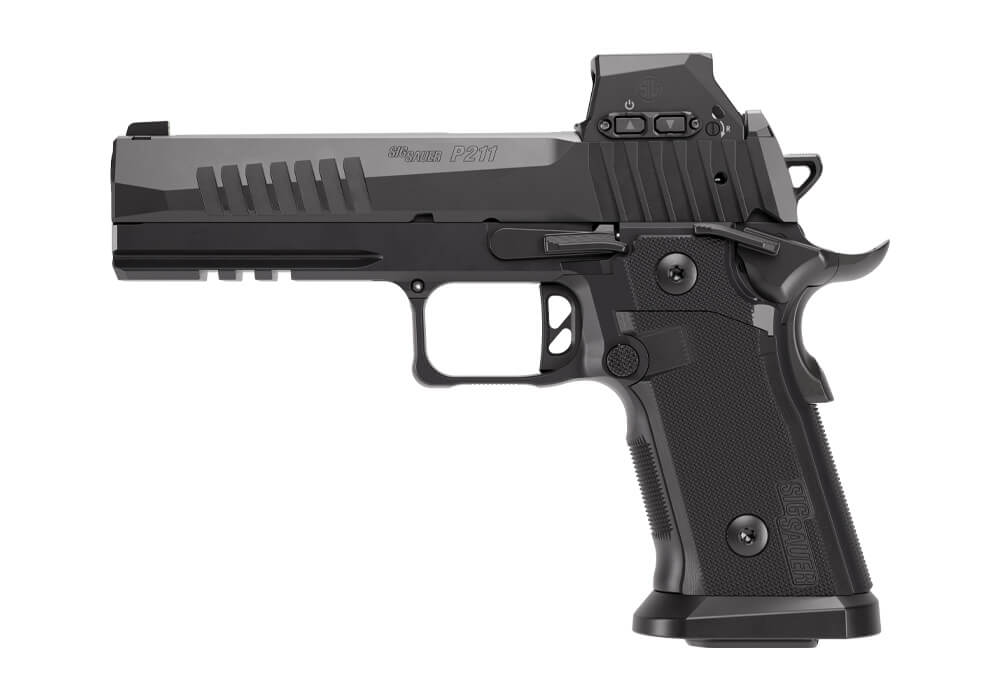
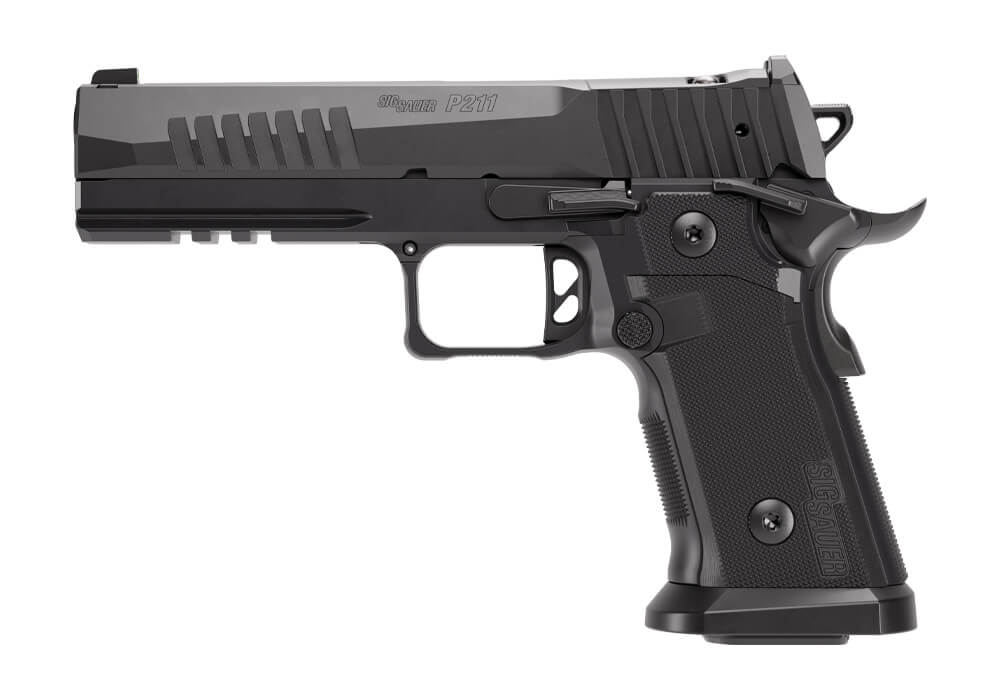
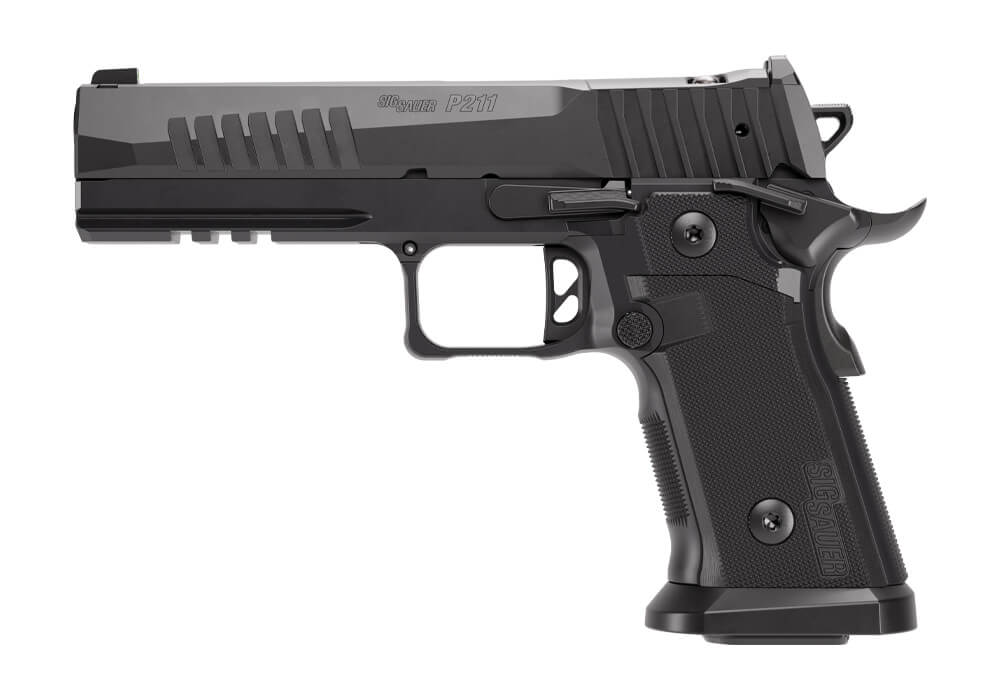
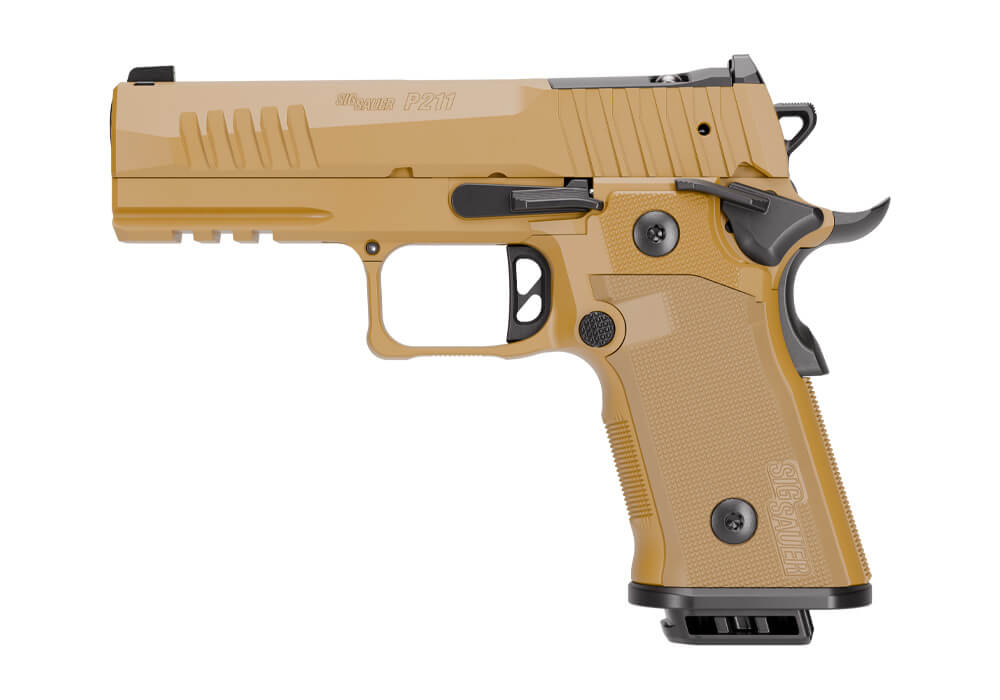
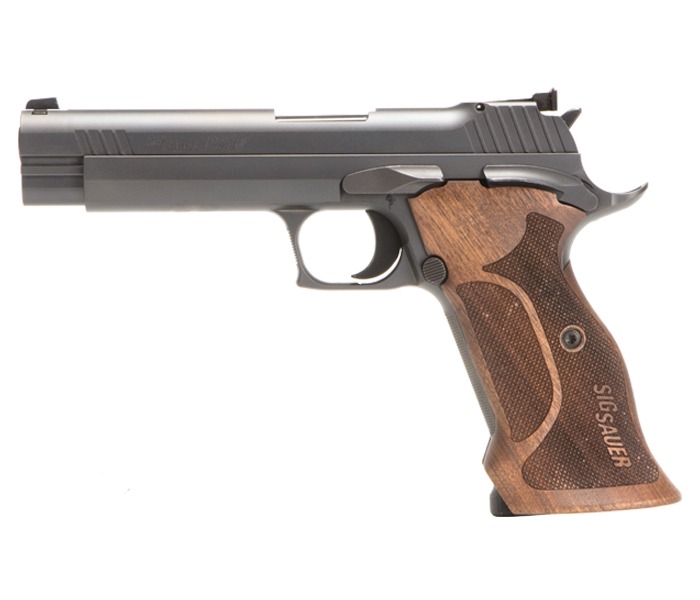
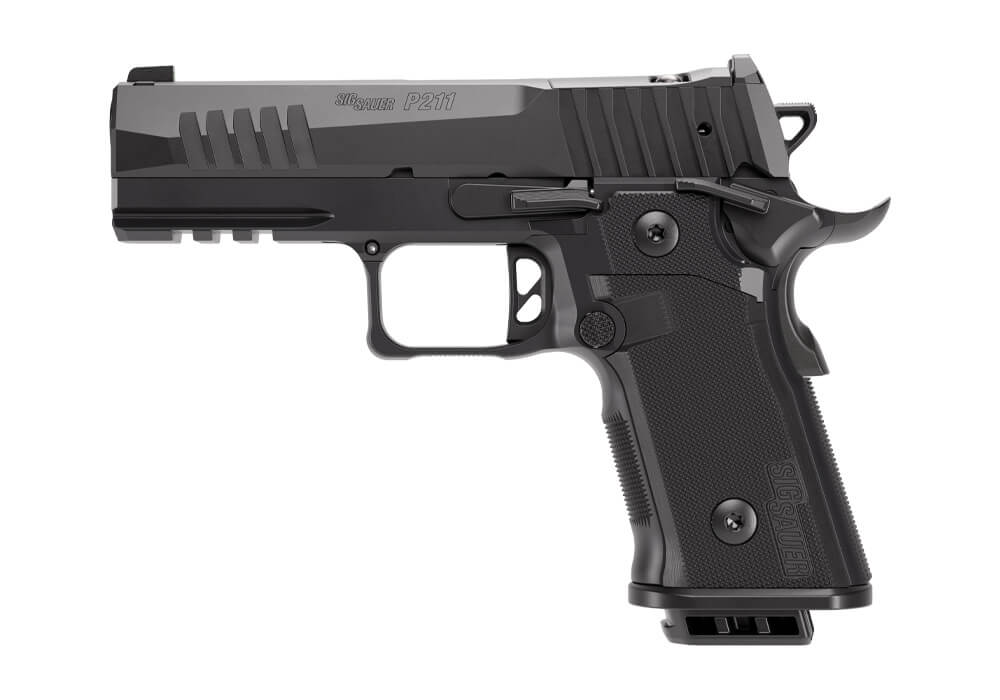
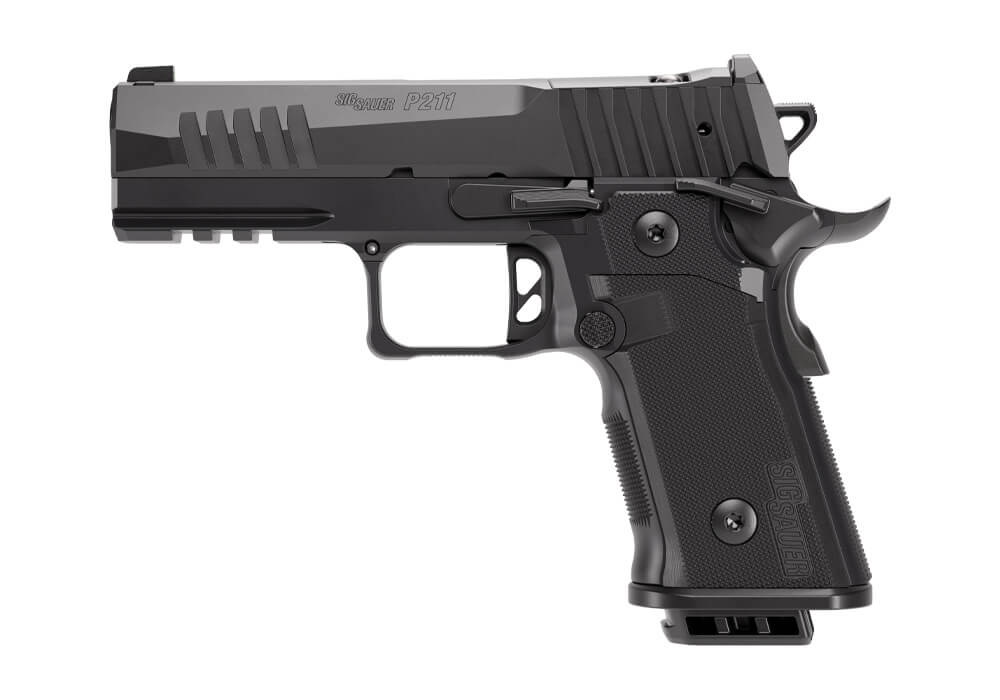
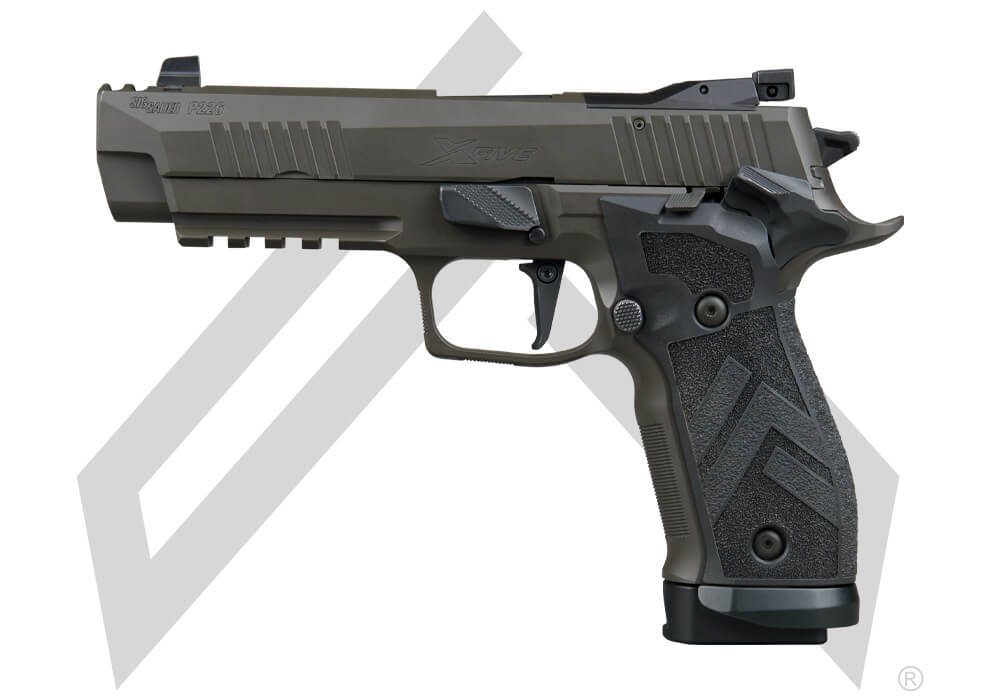
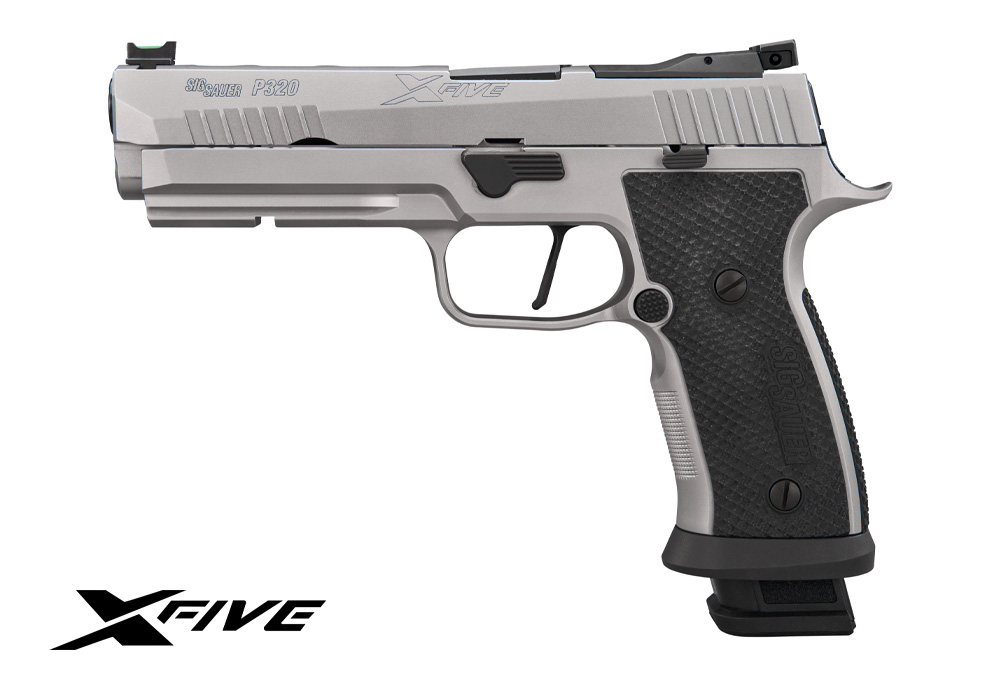
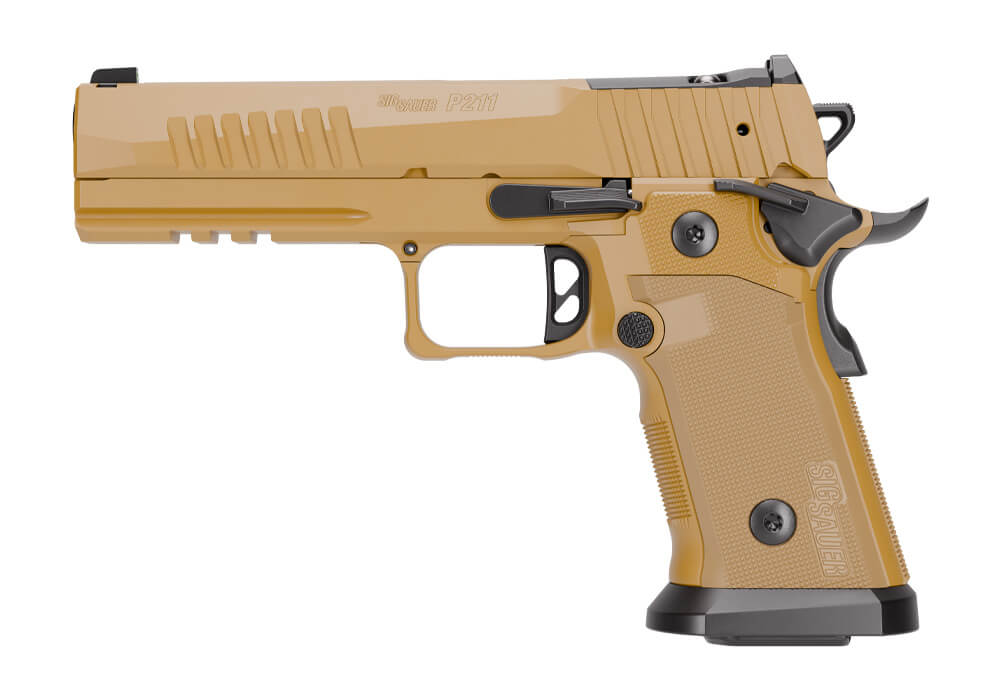
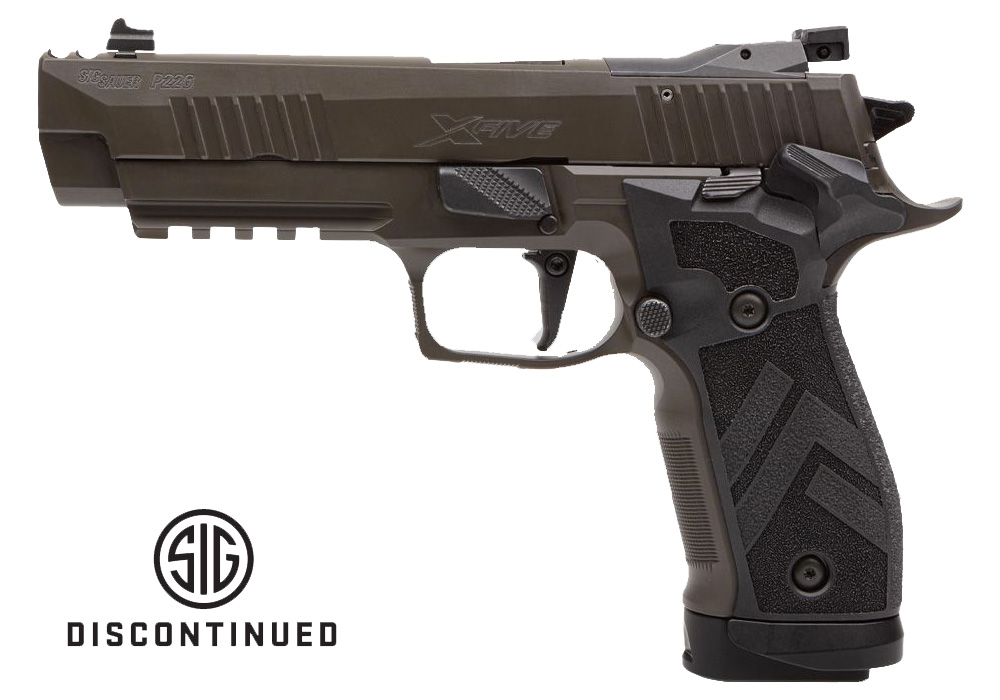
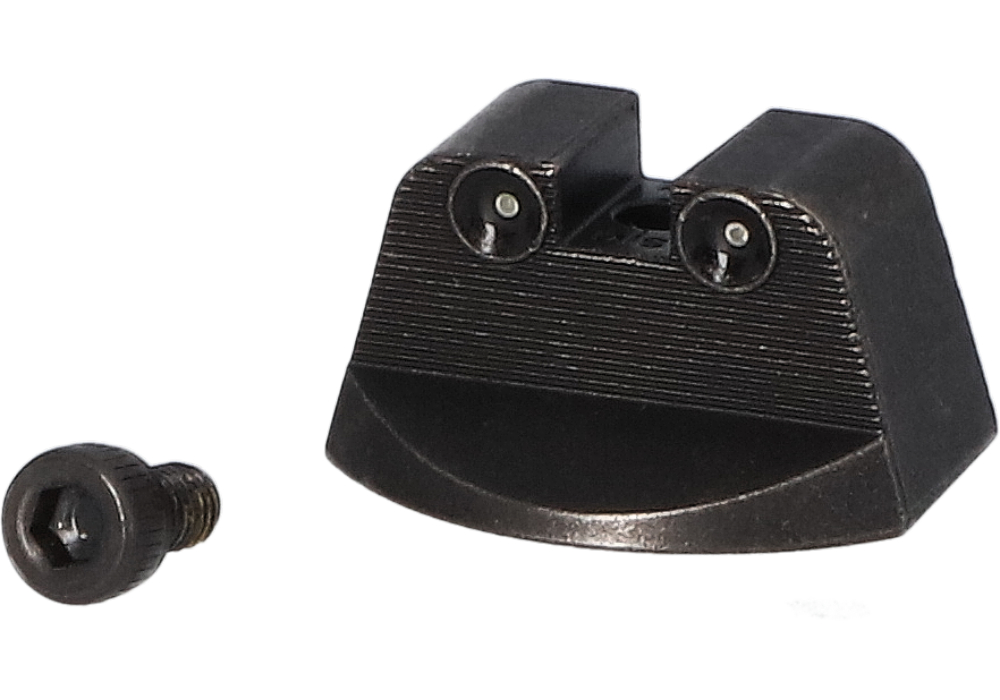
Black adjustable sights provide a clean, refined aiming reference for shooters who want more control over point-of-impact than a fixed sight can offer. Commonly used on handguns and target firearms, these mechanical aiming components combine a dark matte or serrated finish with movable windage and elevation settings. The black sight picture minimizes visual distractions and can create a crisp contrast against a light-colored target, especially when the shooter prefers a plain black blade without glowing dots or contrasting inserts. Adjustable sights are particularly useful when a handgun is being tuned for a specific load, distance, or shooting discipline. A small change in bullet weight, velocity, or point of aim can affect where rounds land, and a properly adjusted rear sight lets the shooter make measured corrections without changing a natural grip or sight alignment. Windage adjustments move the point of impact horizontally, while elevation adjustments move it vertically. Depending on the design, these changes may be made through screw-driven micro-click mechanisms that provide tactile, incremental movement, making it easier to record settings and return to a familiar zero. Serrations or other anti-glare cuts on the sight face can also help reduce distracting reflections in bright outdoor conditions, while a low-profile shape may reduce the chance of snagging during presentation or holstering. For shooters comparing black adjustable sights, the most important starting point is firearm compatibility. Sight dimensions, dovetail geometry, slide cuts, mounting hardware, and the relationship between the front and rear sight all need to match the pistol. A sight that appears similar in photographs may not fit correctly if the base profile, cut angle, or height differs from the factory specification. Review the firearm manufacturer’s specifications and the sight maker’s fitment information carefully before purchasing, paying close attention to the exact model, generation, slide configuration, and front-sight height. Some adjustable rear sights are designed as direct replacements, while others may require slide milling, refinishing, different mounting screws, or professional fitting. When a sight must be pressed, drifted, or machined into place, a qualified gunsmith can help protect the slide, maintain proper alignment, and verify that the finished installation is secure. A stable installation matters because even a small amount of movement can shift the zero and undermine the benefit of an adjustable design.
The best black adjustable sights also depend on how and where the firearm will be used. A target shooter working from a bench may value a broad, uncluttered rear notch, fine elevation and windage control, and a sight profile that supports careful group placement at different distances. A competitor may look for fast visual acquisition, positive adjustment clicks, and a durable finish that holds up through repeated practice, match preparation, and regular holster use. For a defensive handgun, the priorities may be somewhat different: a snag-resistant profile, secure adjustment hardware, a visible and consistent sight picture, and a design that balances precision with practical speed. Plain black blades are often favored by experienced shooters who prefer to read the outline of the front sight against the target rather than rely on dots or illuminated elements. They can be especially effective in formal range settings where lighting is predictable and the shooter wants the least visual clutter possible. In changing outdoor light, the texture of the rear face becomes more important. Fine serrations can break up glare when sunlight strikes the blade, helping preserve a defined sight picture during a morning range session, on an overcast afternoon, or while moving between shaded and open areas. Sight height is another key consideration. The correct height keeps the adjustment range centered and helps the rear sight work as intended with the existing front sight. If the rear sight is too tall or too short for the front sight, the shooter may run out of elevation adjustment or be forced into an awkward setting. Ammunition should also be part of the evaluation process. Because different loads can produce different points of impact, shooters should confirm zero with the ammunition they plan to use most often and document their preferred settings. Make adjustments in small increments, use a stable rest when appropriate, and verify the result at a safe, approved range. Always follow the firearm manufacturer’s instructions, observe safe handling practices, and comply with all applicable laws and range rules.
Black adjustable sights can be a practical upgrade for a new pistol owner, a thoughtful accessory for an experienced range shooter, or a useful addition to a carefully assembled custom handgun. They may also suit someone who has changed the way a pistol is used and now needs a more precise sighting setup, such as a recreational shooter moving from casual practice into bullseye or action competition. As a gift, they are best chosen for someone who already owns a compatible firearm and has expressed an interest in improving fit, accuracy, or sight visibility; checking the exact pistol model first is essential, since a beautifully finished sight is of little value if its mounting pattern is incorrect. For shoppers comparing options, consider the sight’s adjustment range, click definition, lockup, blade width, rear-notch dimensions, anti-glare treatment, profile, finish, and included hardware. Look for a design that complements the firearm rather than simply choosing the lowest or most compact profile available. Shooters who want a broader overview of compatible options can explore Adjustable Rear Sights For Black Pistols while narrowing the selection by model and intended use. After installation, confirm that the sight is firmly secured, establish a careful zero, and recheck it after the first several sessions or any significant impact. During the cooler months, a well-maintained sighting system can make range practice more comfortable and consistent, whether sessions take place under bright autumn skies or at an indoor facility. Wipe away moisture, dust, and residue after use, inspect adjustment screws and mounting surfaces periodically, and store the firearm according to its manufacturer’s recommendations. With the right fit and a deliberate setup, black adjustable sights offer a durable, distraction-free way to refine alignment and keep point-of-impact adjustments under the shooter’s control.