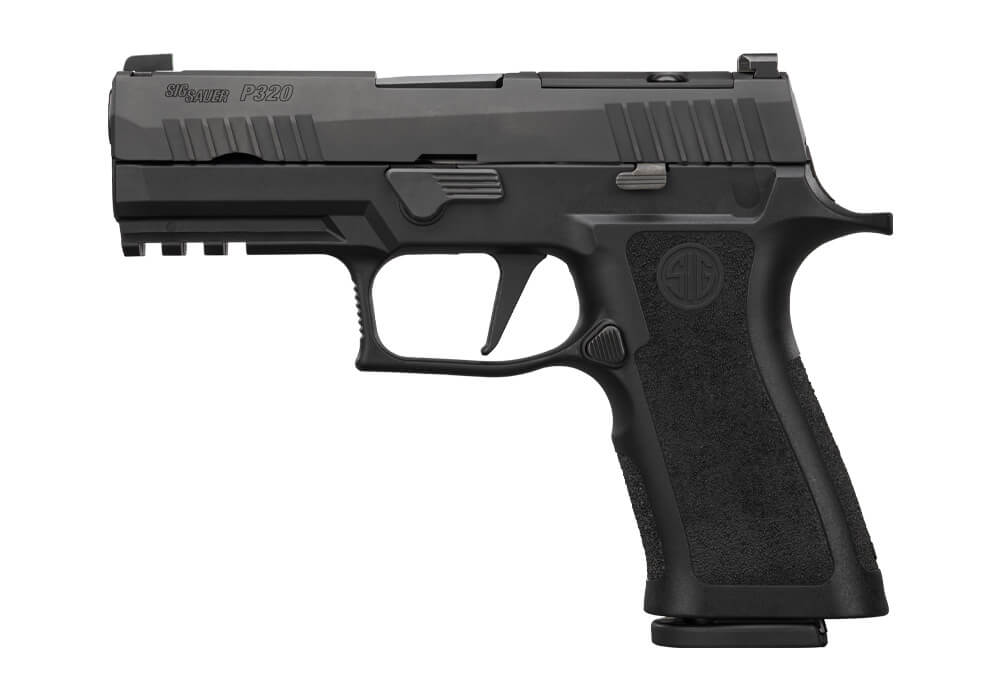
Concealed carry sights are aiming systems for handguns carried discreetly, including compact red dot optics, fixed iron sights, adjustable iron sights, and illuminated sight options. Their purpose is to provide a clear, repeatable aiming reference while fitting the size, mounting arrangement, and everyday handling requirements of a carry pistol. For this category, a useful sight picture matters just as much as a compact profile: the front sight should be easy to distinguish, the rear sight should frame it clearly, and an optic should present a visible aiming point without unnecessary visual clutter. Rounded edges and restrained dimensions can help limit interference with clothing, although holster compatibility depends on the complete handgun and sight combination. Iron sights appeal to shooters who prefer a straightforward system without batteries, while compact reflex sights offer an illuminated aiming reference that can be viewed with both eyes open. Neither approach replaces practice, and familiarity with the chosen system remains important during supervised instruction and routine range sessions. Within iron sight designs, a plain rear notch can emphasize the front sight, contrasting outlines can improve visual separation, and fiber-optic inserts gather ambient light to create a bright reference in well-lit settings. Tritium-equipped sights provide a visible reference in low light without an external power source, but they do not illuminate or identify anything beyond the handgun. Sight height, notch width, and front blade width influence how much open space appears around the front sight, so a picture that feels precise to one shooter may seem crowded to another. Compact handguns also tend to have shorter distances between their front and rear sights, making a clearly defined sight picture especially valuable. For licensed concealed carriers, experienced handgun owners, and people developing their skills with qualified instruction, these differences help distinguish sights intended for everyday carry from larger, more specialized target configurations. The strongest match is a system that suits the handgun, the holster, and the shooter’s vision without adding unnecessary bulk.
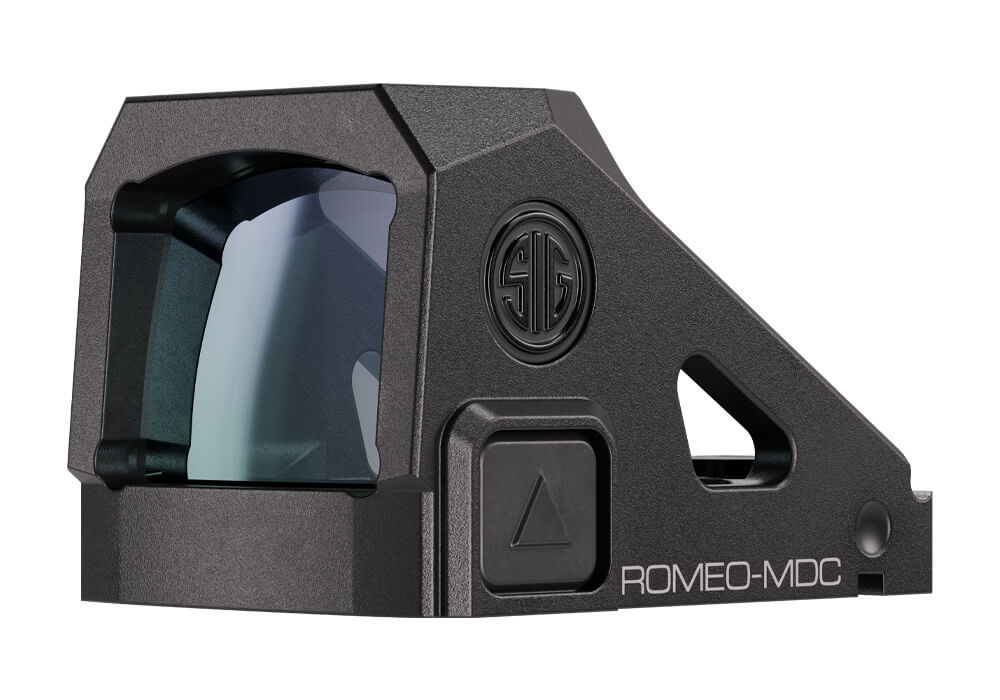
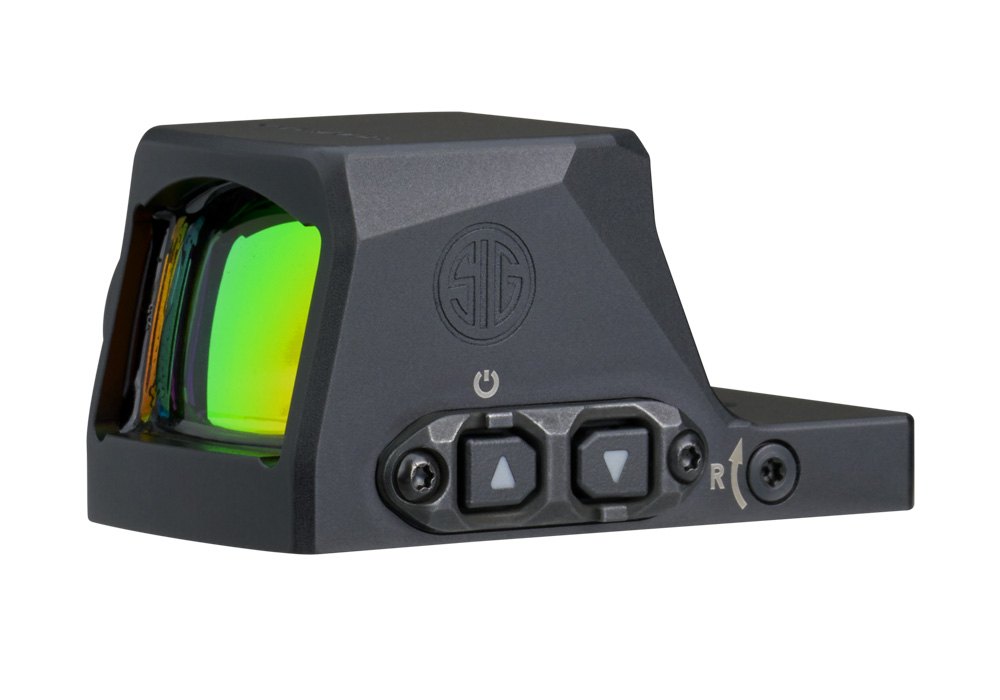
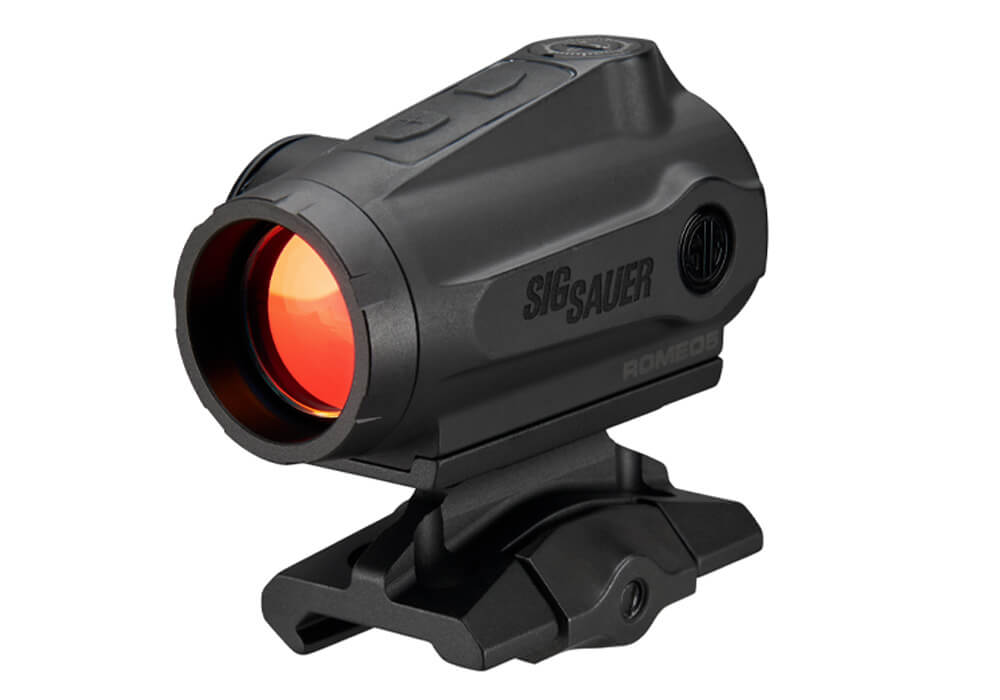
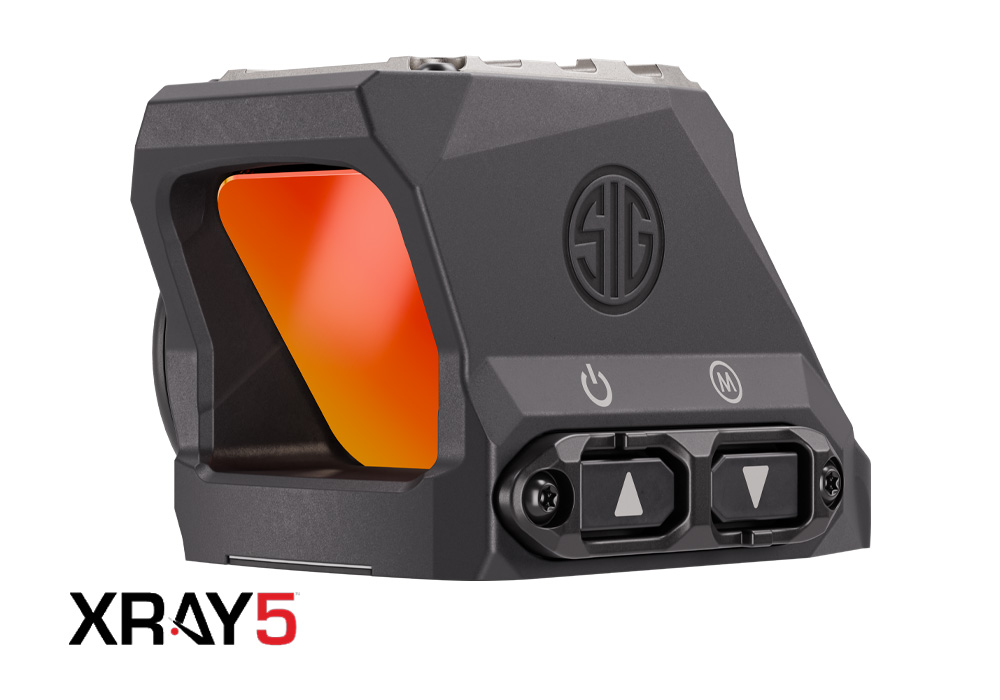
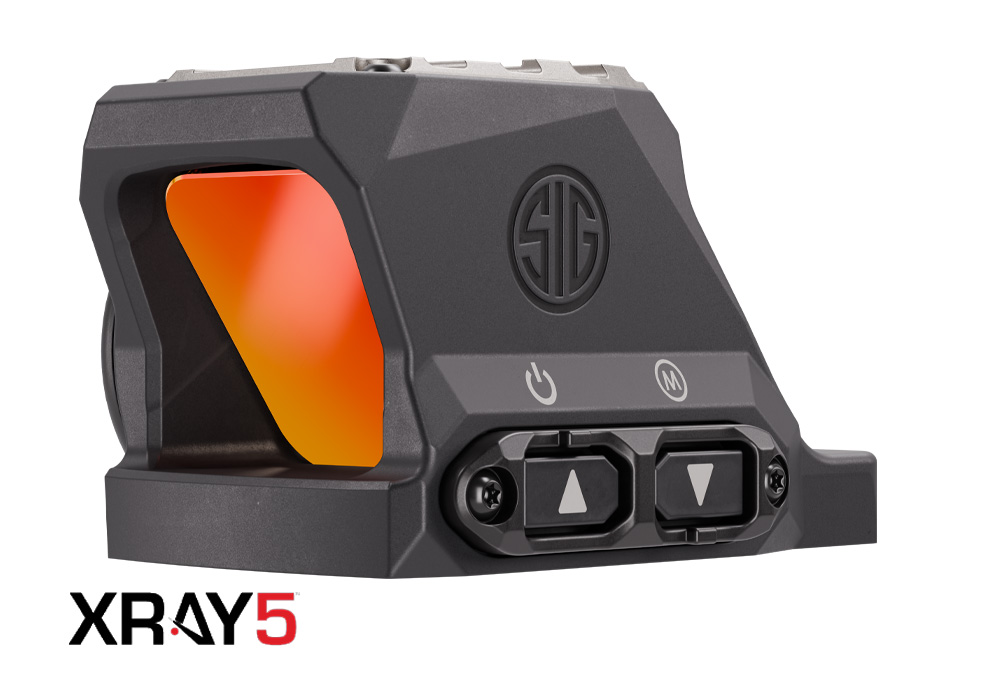
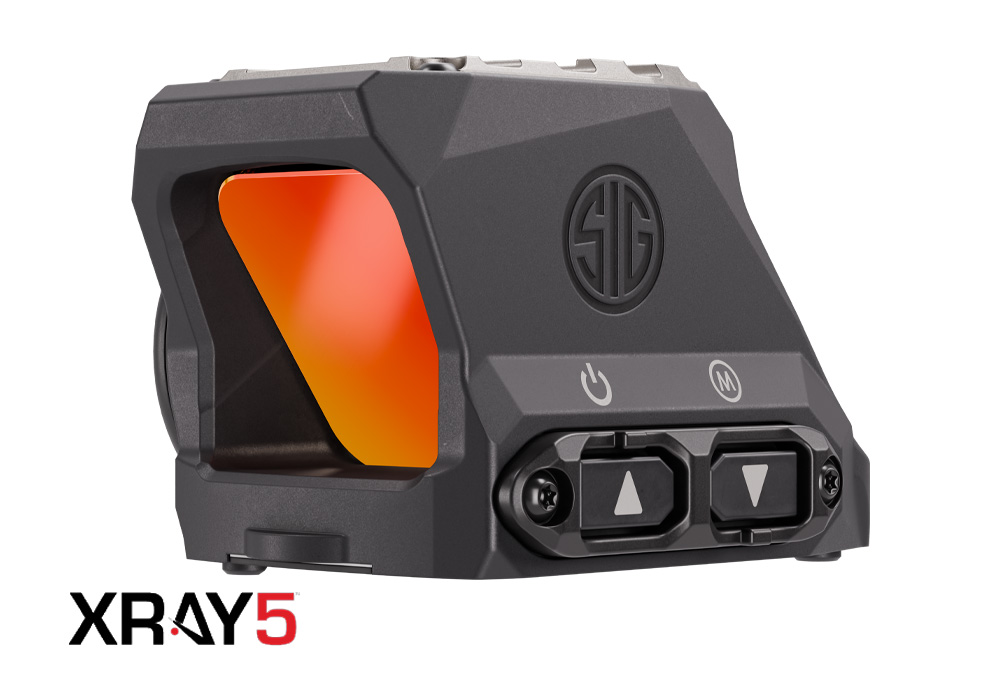
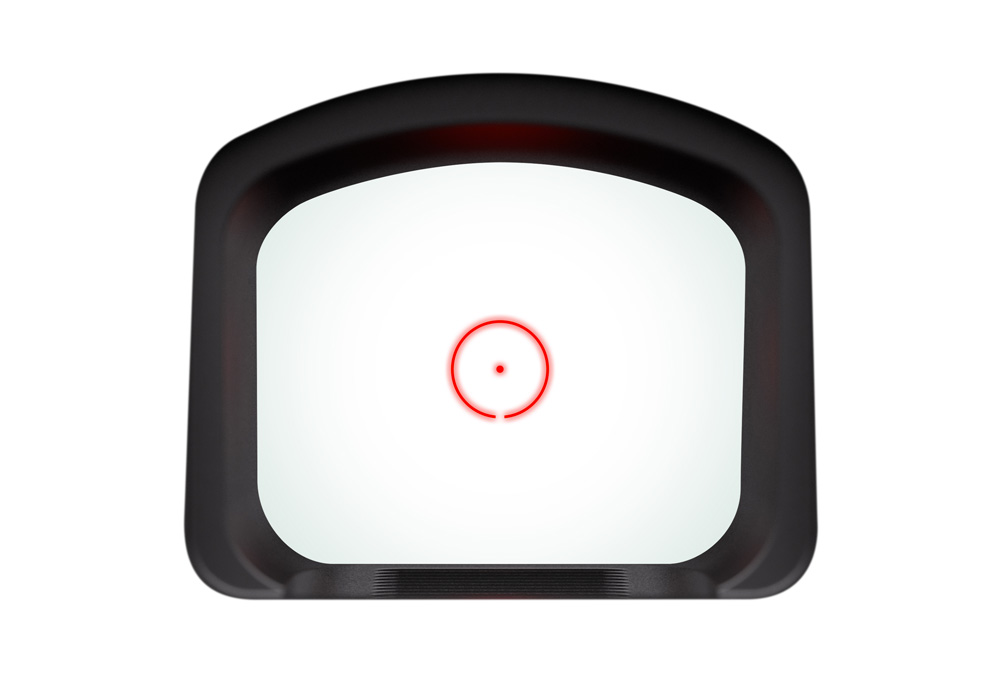
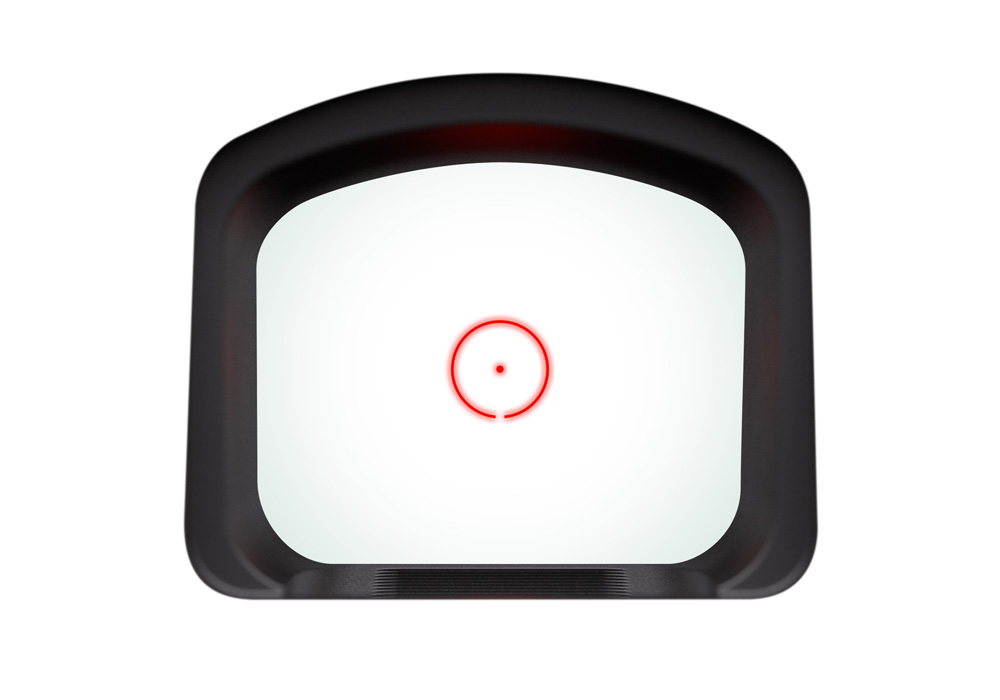
Micro red dot sights for concealed carry combine a small optical window with an illuminated reticle, usually powered by a battery. Many use an LED emitter rather than a laser, and the distinction between open and enclosed designs concerns how that emitter and its optical path are protected. An open-emitter reflex sight leaves part of the system exposed, where lint or other debris can interfere with the projected aiming point. An enclosed-emitter design surrounds that path within a housing, helping shield it from contamination, though dimensions and protective features vary. Neither construction is automatically the smallest or lightest; the actual housing, window, and mounting system determine the overall fit. Reticle size is commonly expressed in minutes of angle, or MOA. A 3 MOA dot appears smaller than a 6 MOA dot at the same distance, while the larger dot may be easier for some eyes to locate. Perceived sharpness also depends on brightness, eyesight, and lighting. Red and green reticles can look different from person to person, and neither color guarantees a crisp dot for someone with astigmatism. Excessive brightness can make the aiming point appear larger or less defined, which makes useful brightness adjustment an important feature. Automatic brightness control and motion activation can add convenience, but their behavior, standby settings, and battery requirements are specific to the optic. Top-access or side-access battery compartments may allow battery replacement without removing the sight, depending on the design; any disturbance to the mounting system warrants checking alignment. Mounting compatibility deserves equal attention. Similar-looking micro optics do not necessarily share the same footprint, and a slide cut, adapter plate, screw arrangement, and optic must work together. A low-profile installation does not automatically place standard-height iron sights within the optic window. Whether the iron sights remain visible through the glass depends on the complete setup, including sight height and plate thickness. These relationships matter more than a general label such as “micro” or “compact.”
Materials, finish quality, and maintenance influence how concealed carry sights hold up to close contact with clothing and repeated use. Steel is common in iron sights, while aluminum is widely used for compact optic housings because it balances low weight with structural strength. Protective finishes can help resist corrosion and surface wear, but no finish eliminates the need for routine inspection. Sweat, skin oils, fabric fibers, and cleaning residue can collect around sight bases, rear notches, optic windows, and battery covers. A small amount of lint on a front sight may be a minor distraction; debris across an optic window or near an exposed emitter can noticeably change the view. Lens-safe cleaning materials help preserve optical coatings, and aggressive solvents intended for other firearm surfaces may be unsuitable for lenses, inserts, seals, or electronics. Clear manufacturer care instructions are therefore an important part of ownership. Fit also extends beyond the mounting surface. A taller front sight or an optic housing may require a holster with suitable clearance, and protective covers must not interfere with secure holstering. Professional installation is especially useful when sight fitting, mounting hardware, or alignment requirements are uncertain. Fixed sights offer a simple configuration, while adjustable designs provide a way to refine the sight relationship for a compatible handgun and its intended range use. For that category, Adjustable Rear Sights for Concealed Carry offer another option when the fit and adjustment features suit the pistol. Over time, readable markings, accessible controls, supported battery types, and secure mounting can matter as much as the initial appearance of the sight picture. A practical carry setup balances visibility, durability, and maintenance with the dimensions of the handgun. That balance supports consistent practice and dependable everyday use without treating any sight feature as a substitute for safe handling, sound judgment, or proper training.