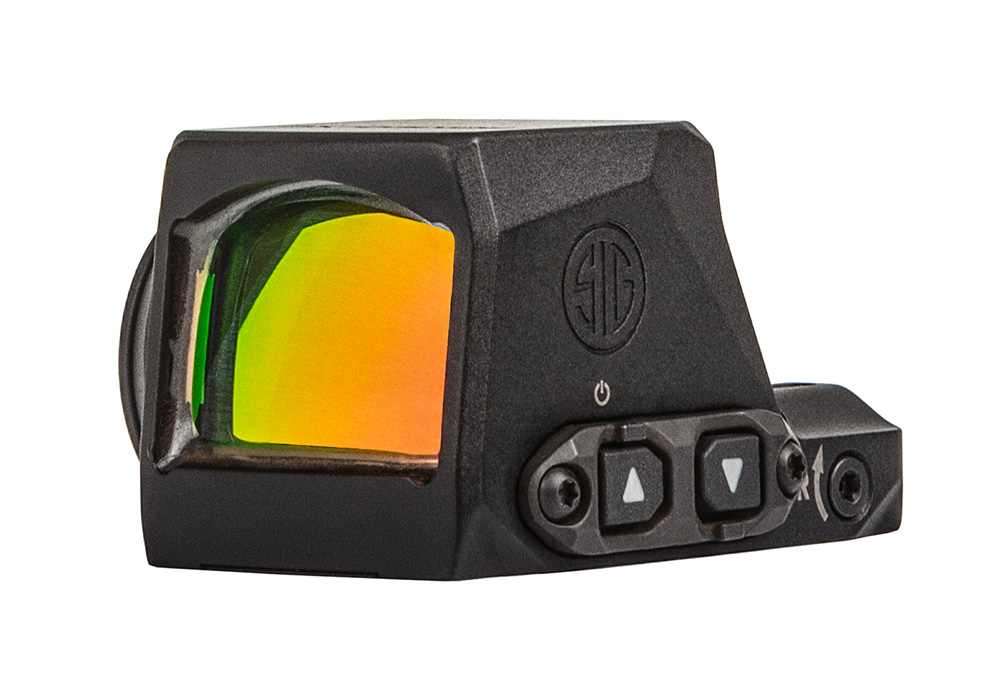
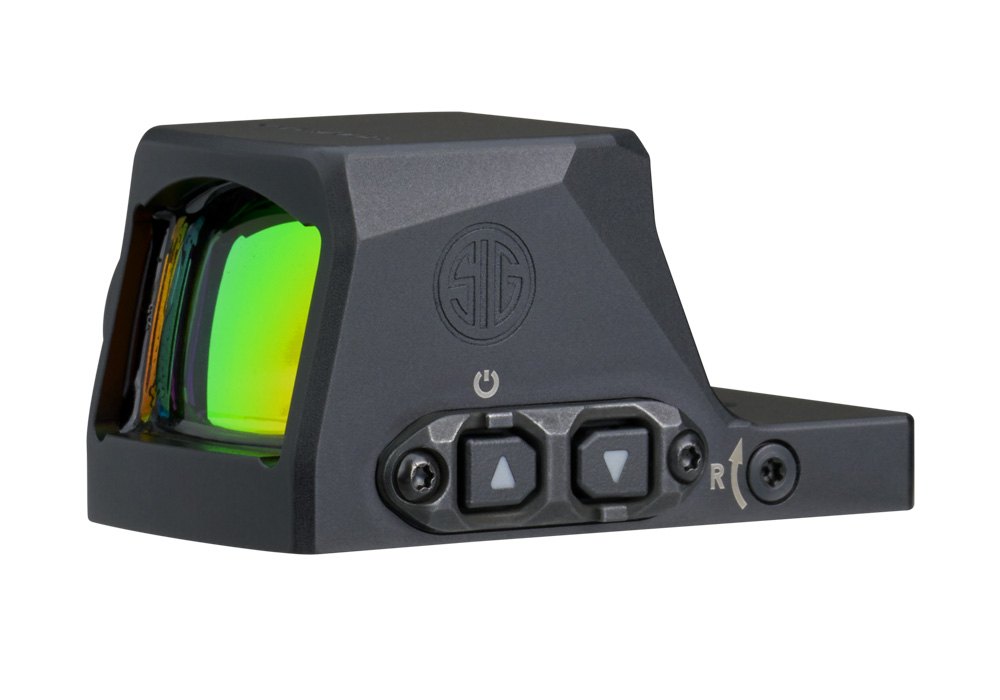
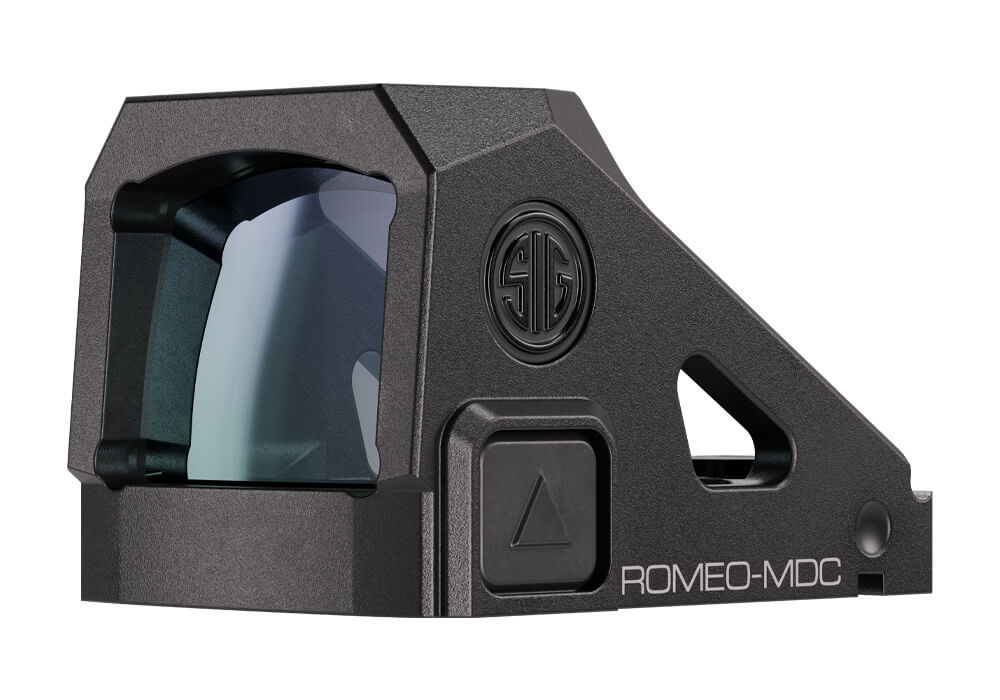
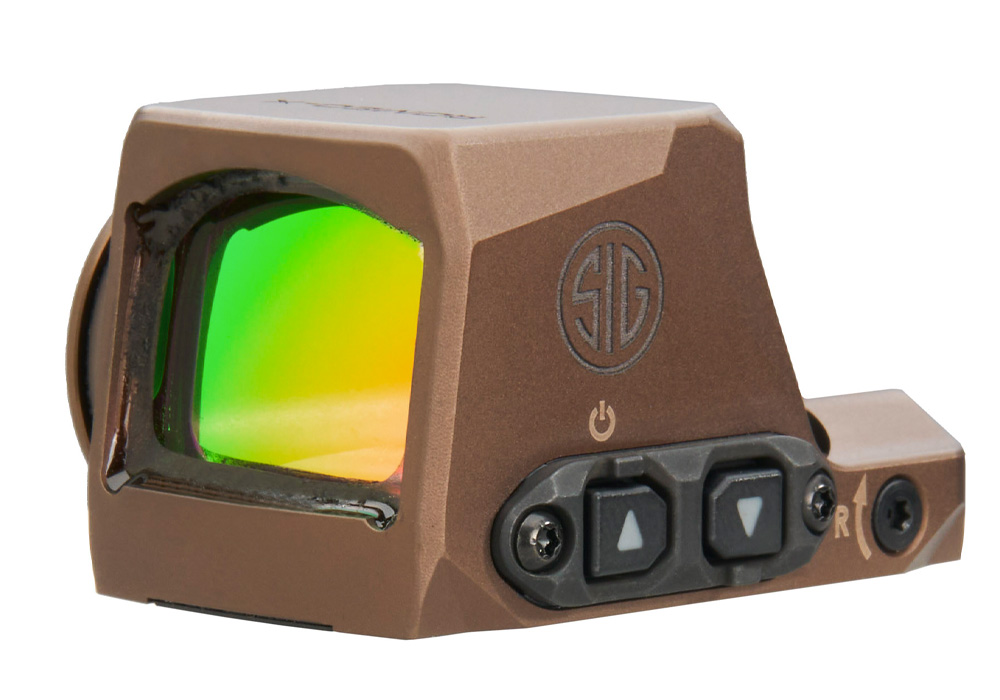
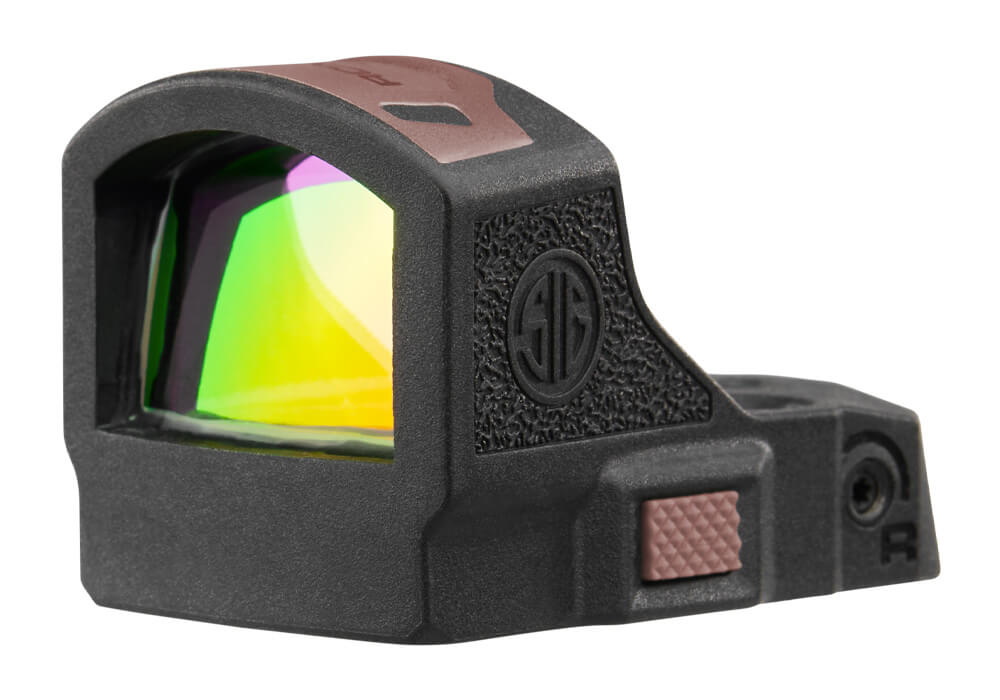
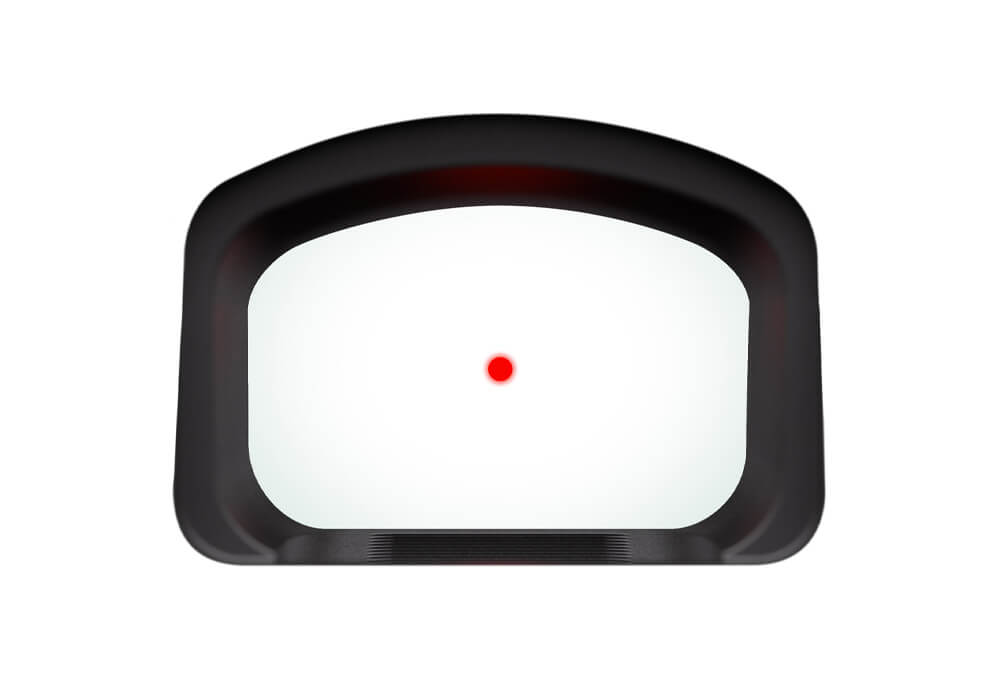
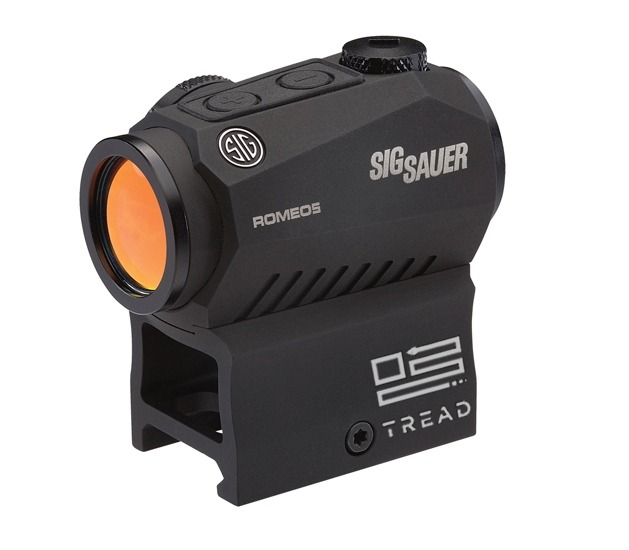
Concealed carry optics are compact electronic sights designed to fit compatible handguns while keeping added size and weight to a minimum. Often described as micro red dot sights or micro green dot sights, they present an illuminated aiming reference within a small viewing window rather than requiring alignment of a front and rear sight. Their appeal lies in that simple visual reference, balanced against the practical demands of carrying a handgun in a holster close to the body. A useful comparison starts with the optic’s overall dimensions, mounting footprint, emitter design, reticle options, and battery access. Window size matters, but so do the width of the housing and the amount of space it occupies above the slide. A slightly larger window may feel less restrictive during supervised range practice, while a narrower housing may better complement a slim handgun and its holster. Neither measurement tells the whole story on its own. Reticle color and brightness also deserve attention: red and green can look different from person to person, and visibility depends on both the lighting and the viewer’s eyesight. Dot size is commonly expressed in minutes of angle, or MOA; a larger dot occupies more of the view, while a smaller dot offers a finer visual reference. The best-looking option on a specification sheet may not be the clearest through prescription lenses. People with astigmatism may perceive an illuminated dot as a streak or irregular shape, so an in-person comparison can be more informative than a photograph. Adjustable brightness helps accommodate different lighting environments, although adjustment ranges and automatic settings vary by design. For a closer look at this product category, Compact Red Dot Optics for Concealed Carry brings the emphasis back to small-format sights and the space-conscious requirements of everyday carry. These optics suit shoppers evaluating a compatible handgun setup as well as experienced owners looking for a different window shape, control layout, or maintenance arrangement.
Fit is the foundation of a dependable optic-and-handgun pairing, and “optic-ready” does not mean every compact sight will fit every slide. The mounting footprint describes the interface between the optic and its mounting surface, including the arrangement of attachment points and locating features. Compatibility can depend on the exact handgun configuration, the slide cut, an approved adapter plate, and the hardware specified by the manufacturers. A familiar footprint name alone is not enough to confirm the entire combination. Manufacturer documentation and assistance from a qualified gunsmith are useful when compatibility is unclear; improvised mounting solutions are not a substitute for a verified fit. Mounting height also influences the relationship between the optic window and the handgun’s existing iron sights. Whether those sights remain visible depends on the complete setup, not simply the optic’s advertised dimensions. Holster compatibility deserves equally careful attention. An optic clearance cut must accommodate the actual housing without interfering with proper seating, retention, or full trigger coverage. For someone who already has a comfortable carry arrangement, an incompatible sight can create changes well beyond the handgun itself. Housing materials and construction are another part of the comparison. Aluminum housings are common, while some designs incorporate polymer components; material names are most useful when considered alongside the overall design, documented testing, and warranty terms. Rounded edges, recessed controls, and protective contours around the viewing window can affect how the optic interacts with clothing and routine handling. Open-emitter sights leave the light path between the emitter and lens exposed, whereas enclosed-emitter sights surround that path within a housing. An enclosed design helps shield the emitter from lint and debris, but its exterior lenses still require cleaning. Open designs may offer a different balance of size, weight, and access for maintenance. Neither construction should be judged by its category name alone. Published dimensions, lens quality, housing geometry, and compatibility provide a more useful picture of whether a particular design suits the intended carry setup.
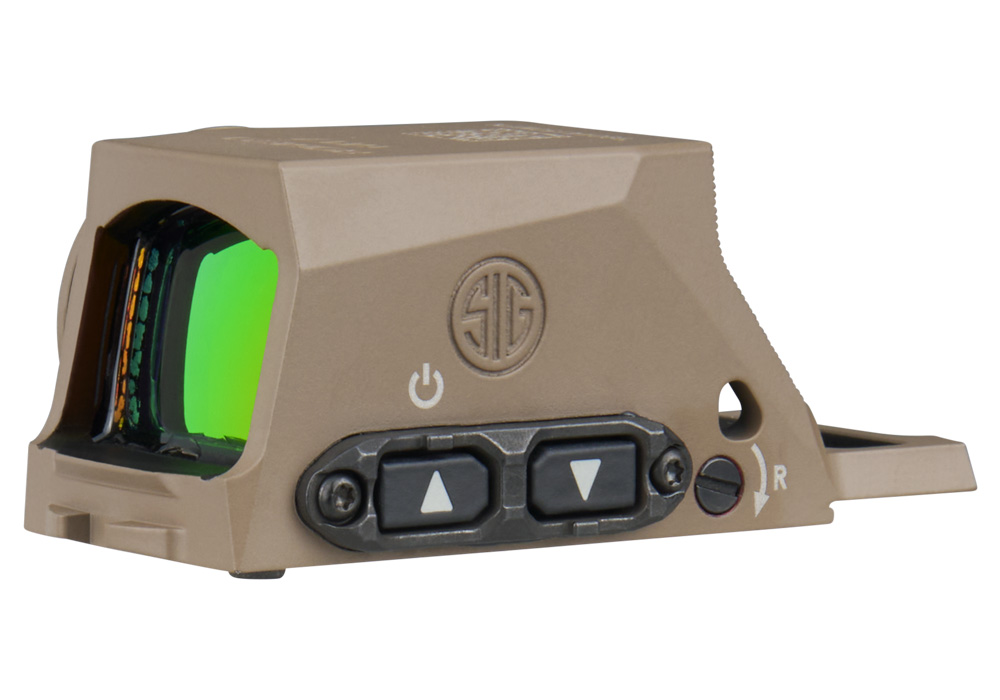
Day-to-day ownership often turns on details that are easy to overlook when comparing window sizes and reticles. Battery location is a good example. A side-access compartment or top-access cover may permit battery replacement without removing the optic, while other arrangements require removal and a subsequent check of the sight’s alignment. The exact procedure belongs to the manufacturer’s instructions, and any service that affects mounting warrants appropriate inspection before the handgun returns to use. Published battery-life figures also need context: brightness level, operating mode, and usage assumptions can change the expected interval between replacements. Motion-sensitive activation, automatic shutoff, and brightness memory are features to compare rather than assume. Some owners prefer straightforward manual controls; others value automatic functions that reduce routine adjustments. In either case, controls should be understandable, and any lockout setting should be clearly documented. Care is generally centered on keeping the glass, emitter area, and accessible exterior surfaces clean without damaging coatings or seals. Carrying close to clothing can leave fine fibers around the housing, and fingerprints can blur an otherwise clear window. A lens-safe cleaning method recommended by the manufacturer is preferable to a shirt hem, an abrasive cloth, or an unapproved solvent. Cleaning and inspection should take place only after the handgun is unloaded and handled according to its safety instructions, with ammunition kept separate from the work area. Durability claims are most meaningful when tied to stated testing and clear limitations; a rugged housing does not eliminate the need to check for loose components, damaged glass, or inconsistent illumination. Concealed carry optics can appeal to adults who lawfully carry a handgun, range participants familiarizing themselves with electronic sights, and owners whose visual preferences differ from those supported by traditional iron sights. Professional instruction can help users understand the equipment’s limitations and establish safe handling habits. As a gift, an optic is best chosen with the recipient’s involvement because mounting compatibility, eyesight, and holster fit are personal considerations. The strongest choice is a compatible, well-supported sight with clear specifications and a care routine its owner can realistically maintain.