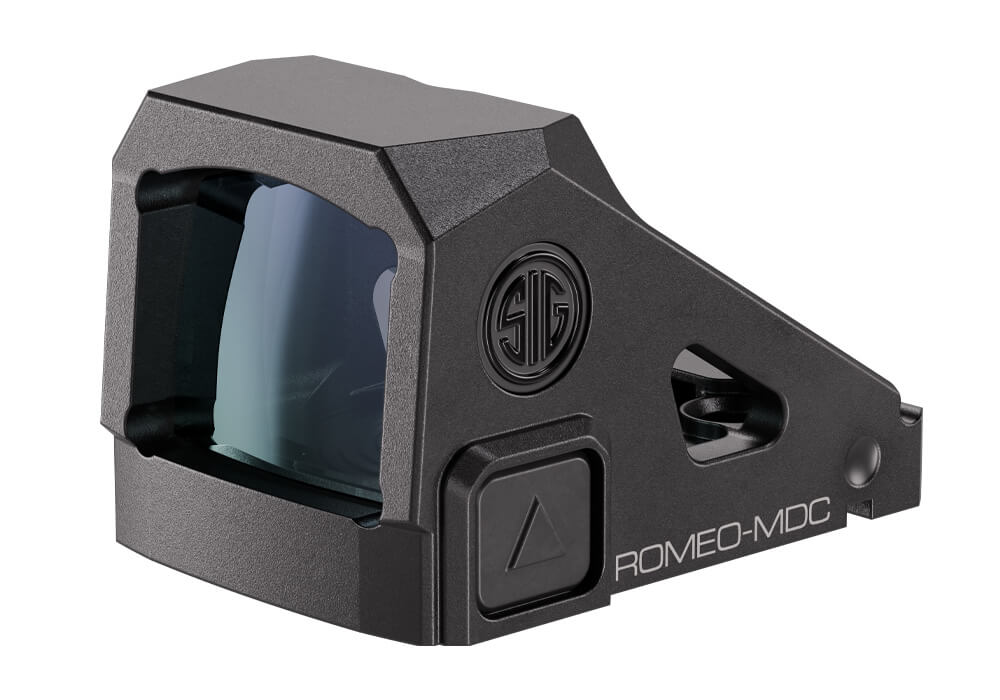
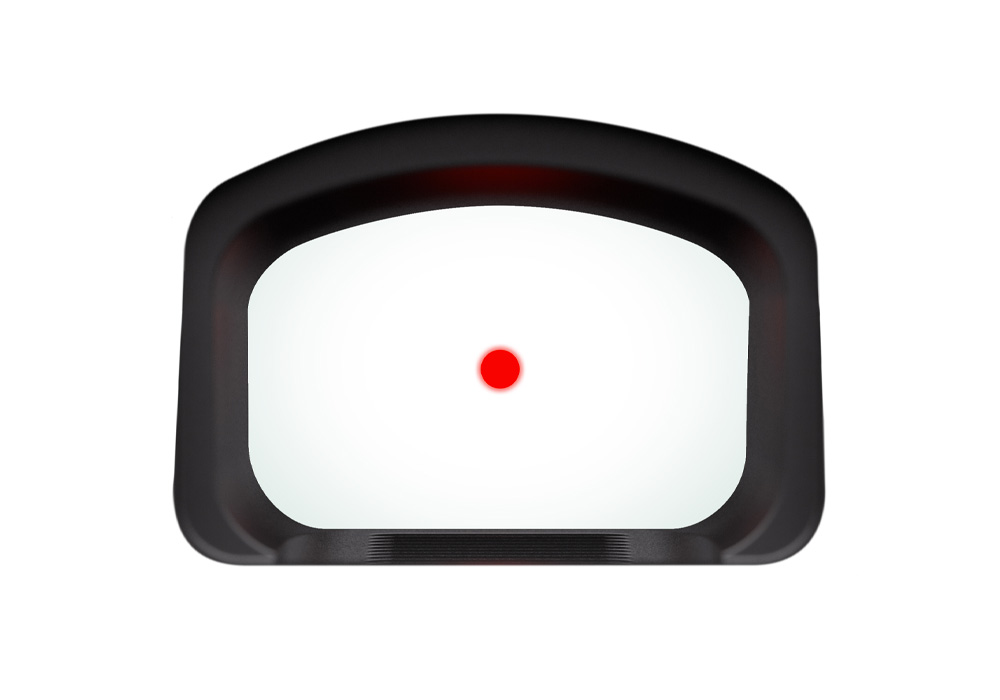
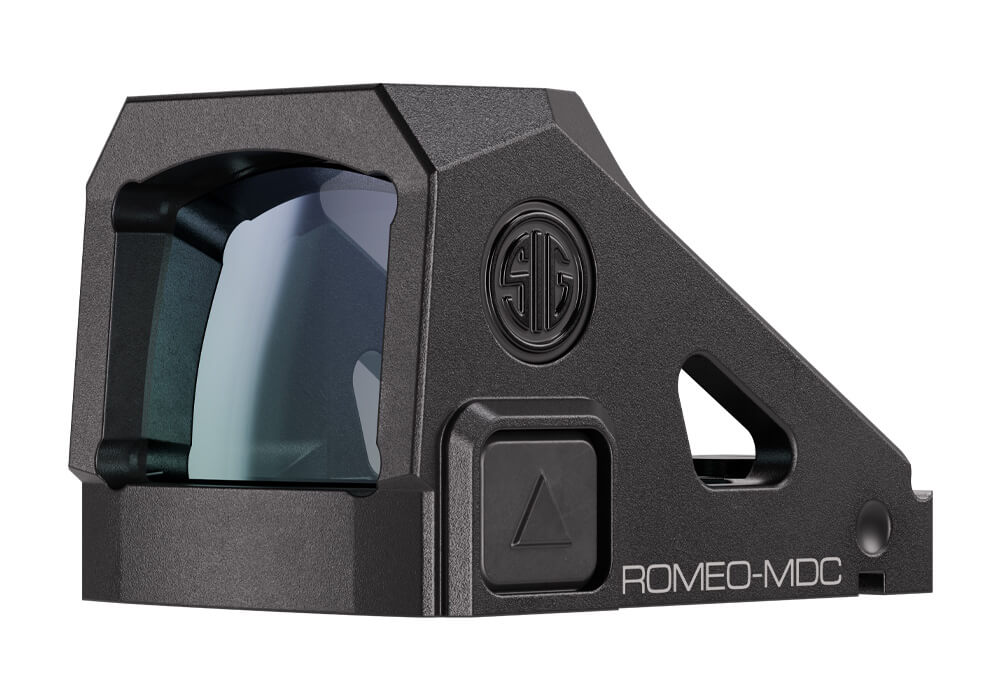
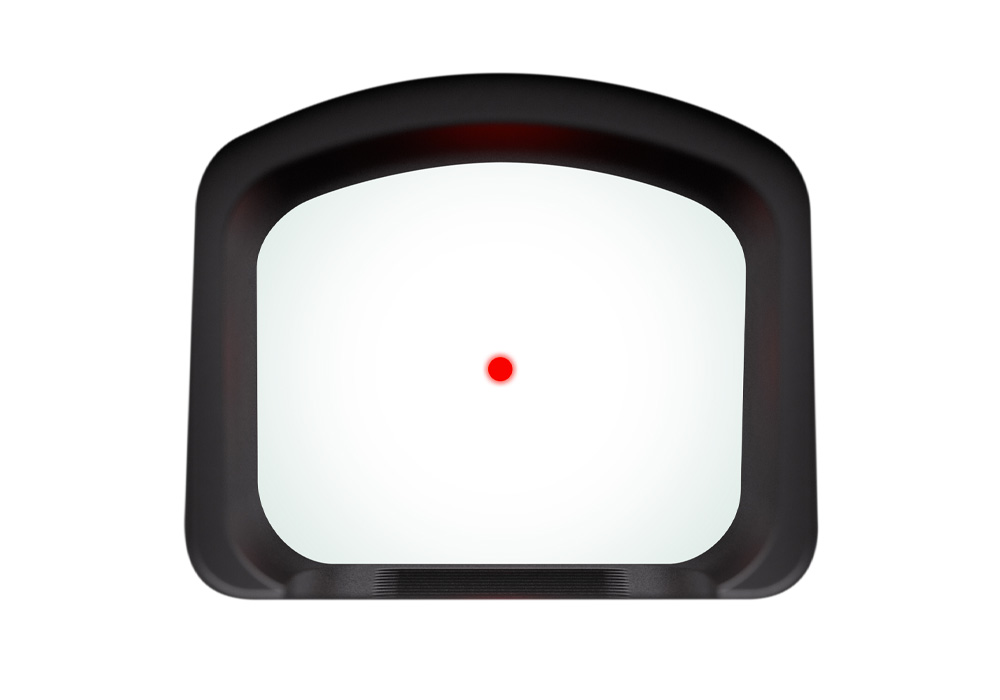
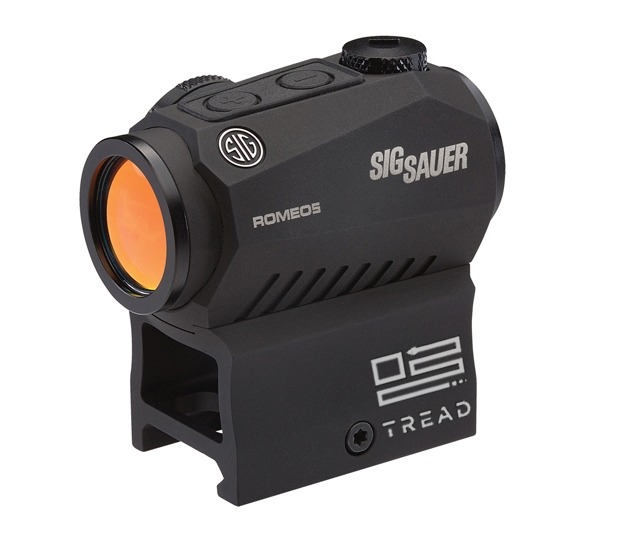
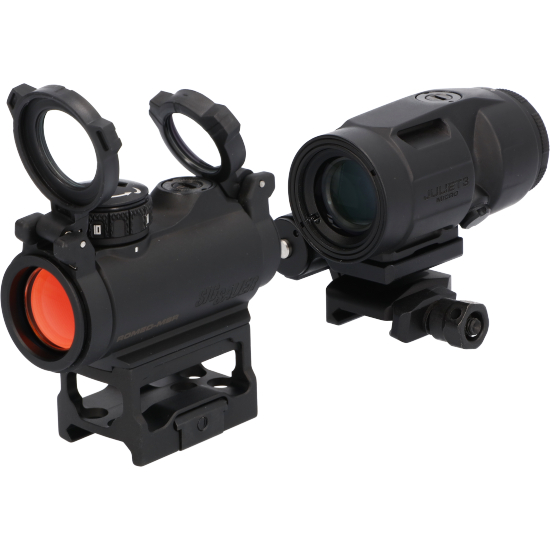
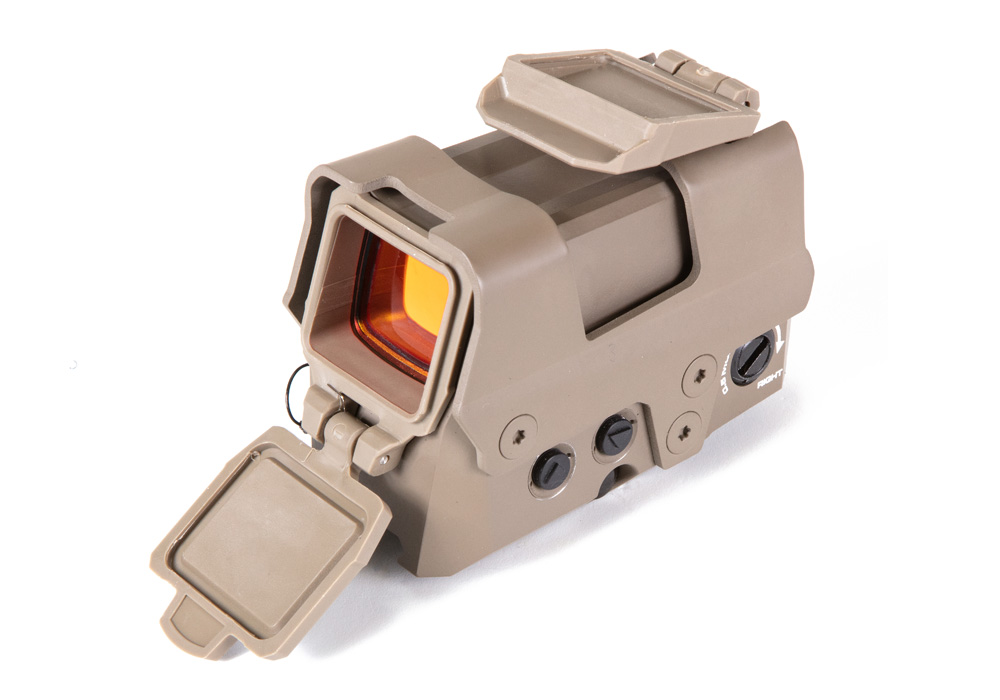
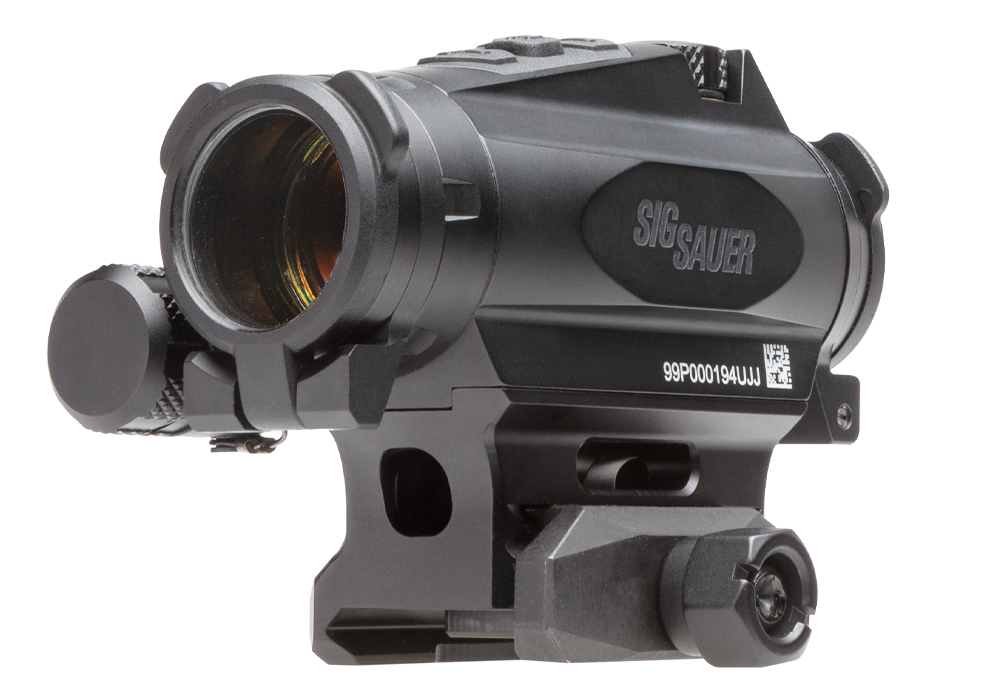
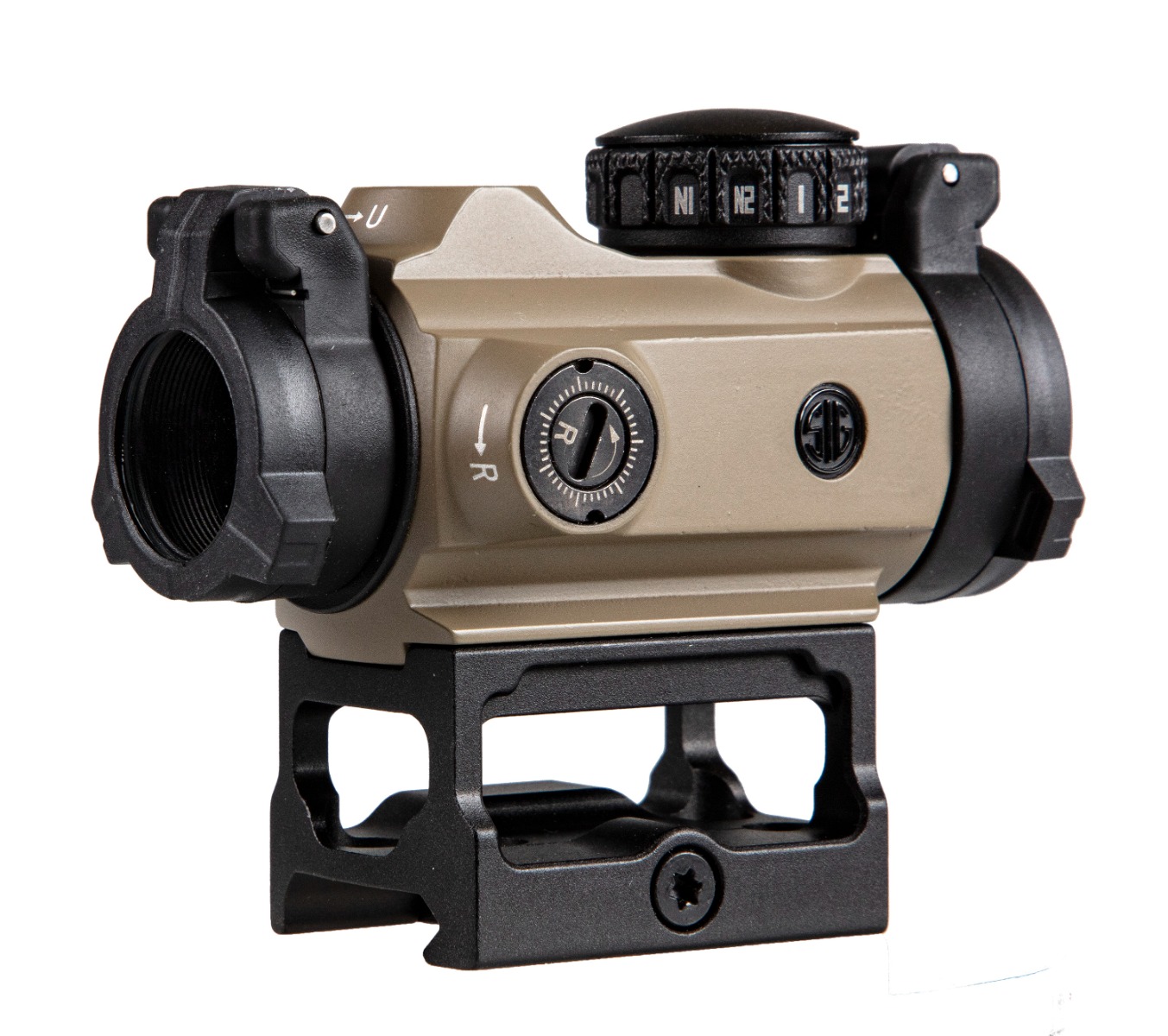
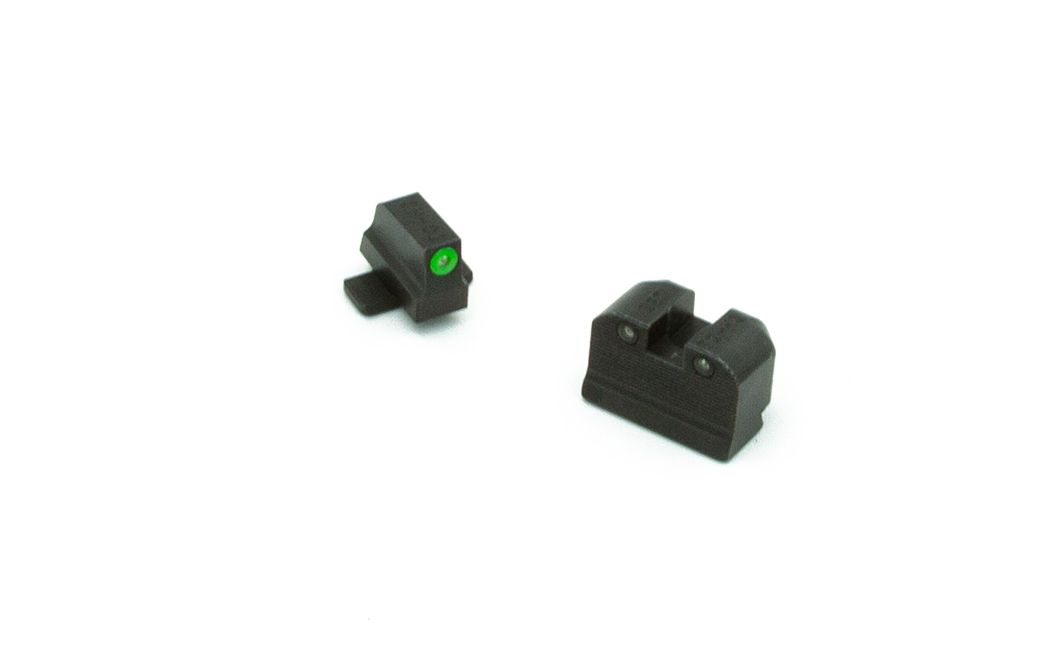
Compact red dot optics for concealed carry are designed to add a precise, easy-to-see aiming reference to slimline and subcompact pistols without overwhelming the proportions that make these handguns practical to carry. Their small housings, low mounting profiles, and carefully chosen reticle sizes help preserve a clean presentation from a concealed holster while giving the shooter a bright point of reference in changing light. For someone who carries during the cooler months, when a pistol may be covered by a sweatshirt, jacket, or layered clothing, a compact optic can support a consistent sight picture without requiring the eye to align a traditional front and rear sight in exactly the same way. These optics are commonly selected by concealed carriers, armed professionals, and recreational shooters who want to build confidence through deliberate practice. They can also be a thoughtful gift for a responsible adult who already owns a compatible handgun and has made training a regular part of responsible ownership. A red dot is not a substitute for safe handling, sound judgment, or knowledge of applicable laws, and it is not an automatic improvement for every shooter. Its value comes from the time spent learning to draw, find the dot, confirm the target, and make accurate hits under controlled practice conditions. Many new users experience a brief adjustment period as they learn to present the pistol so the optic appears naturally in the window. With repetition, that presentation can become as familiar as finding a light switch in a dark room. Before choosing an optic, confirm that the handgun, slide, holster, and mounting system are compatible and that the finished setup remains secure, accessible, and comfortable for the way the pistol is carried.
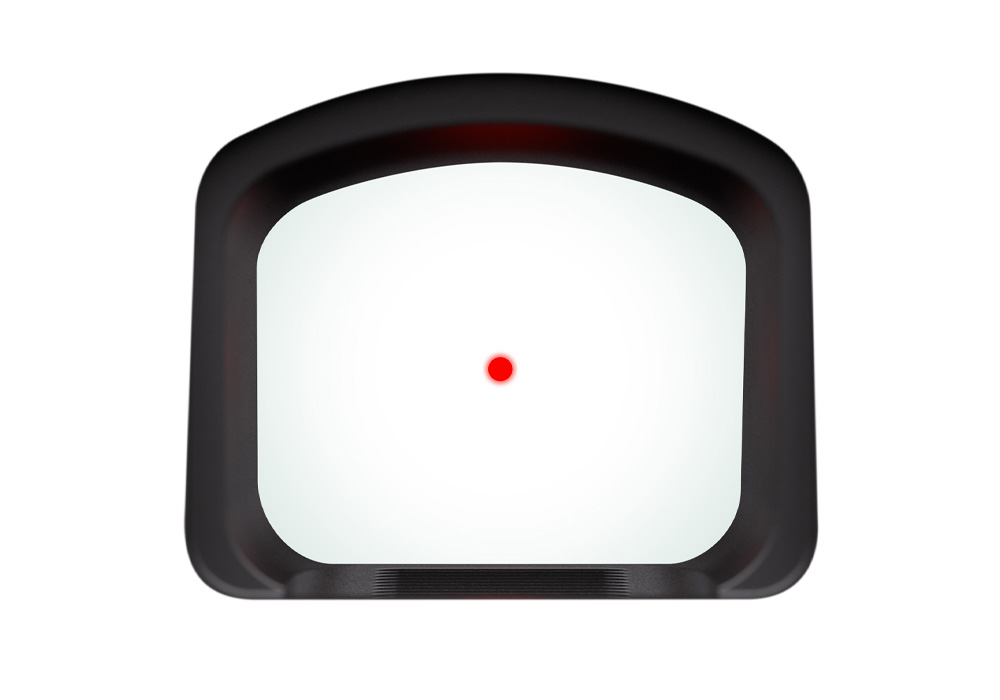
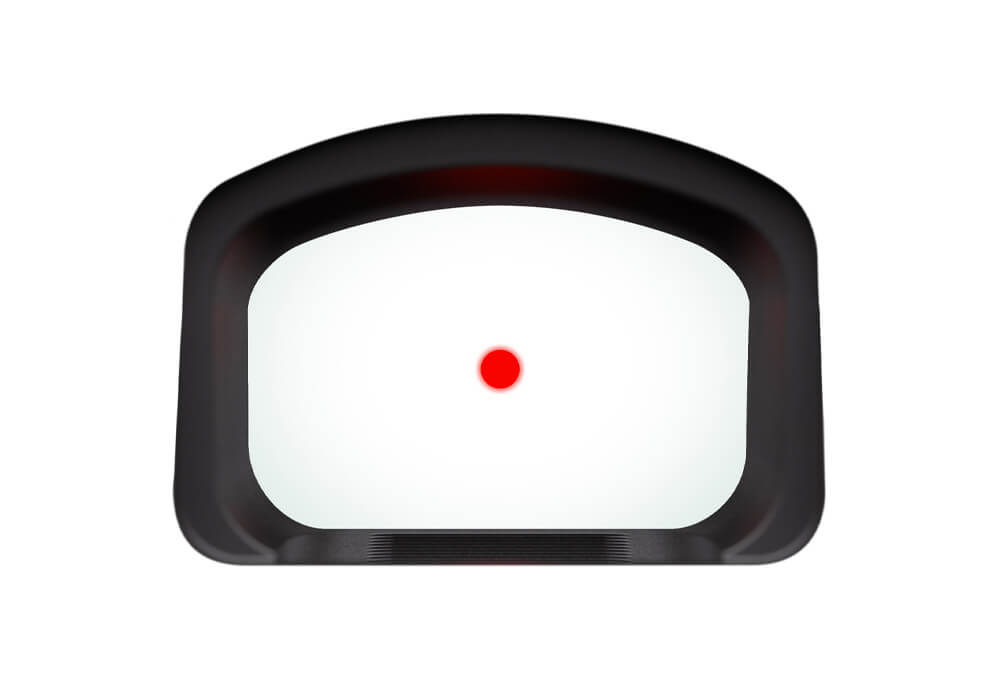
The most important design choice is often the difference between an open-emitter and enclosed-emitter optic. An open emitter leaves the LED and the space behind the viewing window exposed, which can allow lint, dust, rain, perspiration, or other debris to interfere with the dot. This style is frequently valued for its light weight, compact dimensions, and broad selection of mounting options, but it deserves regular inspection when carried inside the waistband or close to the body. An enclosed emitter surrounds the aiming system within a covered housing, helping shield the dot from the everyday buildup that can collect during a long day of movement, warm clothing, or close-contact carry. That added protection may be particularly appealing to people who carry in humid conditions, spend time outdoors, or want fewer exposed openings to maintain. Neither design eliminates the need for care. Check the lens for smudges, inspect the mounting screws, verify that the optic remains firmly seated, and follow the manufacturer’s instructions for cleaning and torque specifications. Reticle size is another practical consideration. A smaller dot may support a more refined aiming point at distance, while a slightly larger dot can be easier to locate during a fast presentation, especially for a new user or in low-contrast surroundings. Some optics offer multiple reticle options, allowing the shooter to select a dot, circle, or combination that fits personal preference and vision. Brightness controls should be simple to operate, and automatic or motion-activated illumination can help keep the optic ready while conserving battery power. Battery life varies by setting, reticle, and usage, so replace batteries according to a planned schedule rather than waiting for a dim or disappearing dot. Solar-assist features can provide an additional source of power in suitable conditions, but they should be viewed as a supplement to good maintenance rather than a reason to overlook battery checks.
Fitment is where careful shopping pays off. A compact optic must match the slide cut or use the correct adapter plate, and the mounting footprint should be confirmed before placing an order. Common concealed-carry patterns include RMSc-style and K-style interfaces, but dimensions, screw lengths, recoil lugs, and plate designs can vary even among optics that appear similar. The optic also needs to clear the slide, iron sights, ejection path, and holster, while the mounting hardware must be installed exactly as specified. A low-profile setup may allow co-witnessing or a usable backup sight picture, although the result depends on the pistol, sight height, and optic window. Holster compatibility deserves equal attention: a holster should retain the pistol securely, protect the trigger guard, and accommodate the optic without forcing the firearm into an altered or unstable position. When comparing products in this collection, consider the pistol’s intended role, carry position, clothing, hand size, vision, training habits, and tolerance for routine maintenance. A person who carries daily beneath layers may prioritize an enclosed emitter and dependable activation, while another shooter may prefer the lighter feel and simpler dimensions of an open design. Those looking for additional seasonal context can also browse Red Dot Optics for Summer Concealed Carry when comparing setups for lighter clothing and warmer conditions. After installation, confirm zero at an appropriate range, practice from a safe unloaded presentation before live fire, and recheck the optic after the first sessions. During the cooler months, a few minutes of structured practice in the same layers used for everyday carry can reveal whether the dot is easy to find, the controls are reachable, and the complete setup feels natural from draw to accurate target engagement.