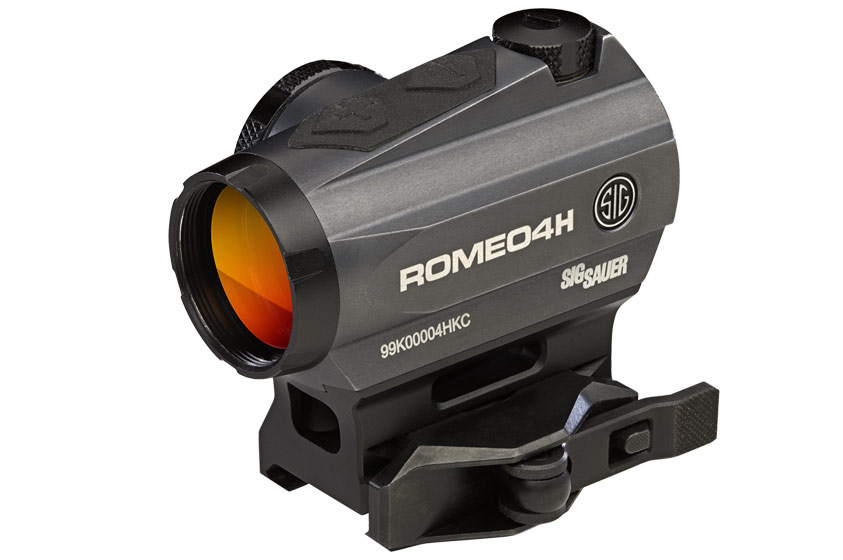
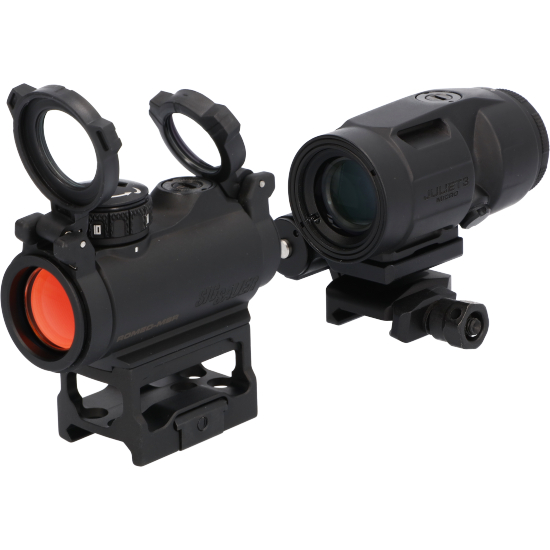
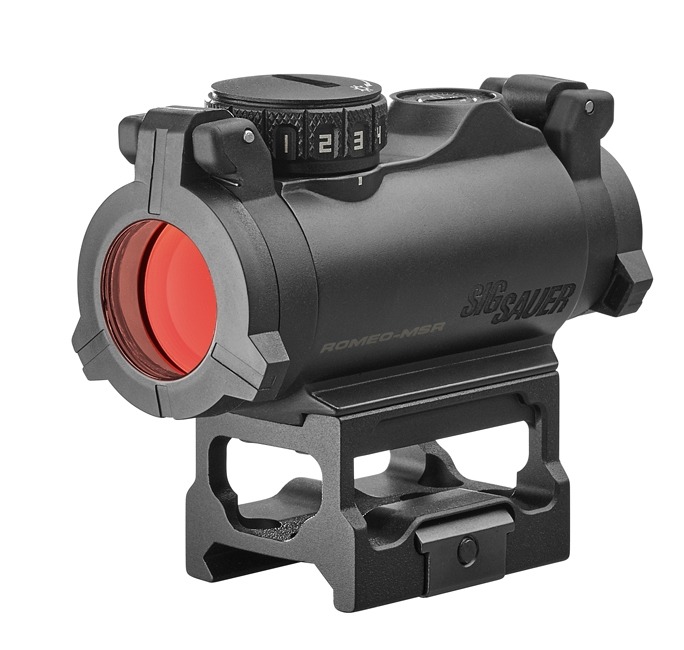
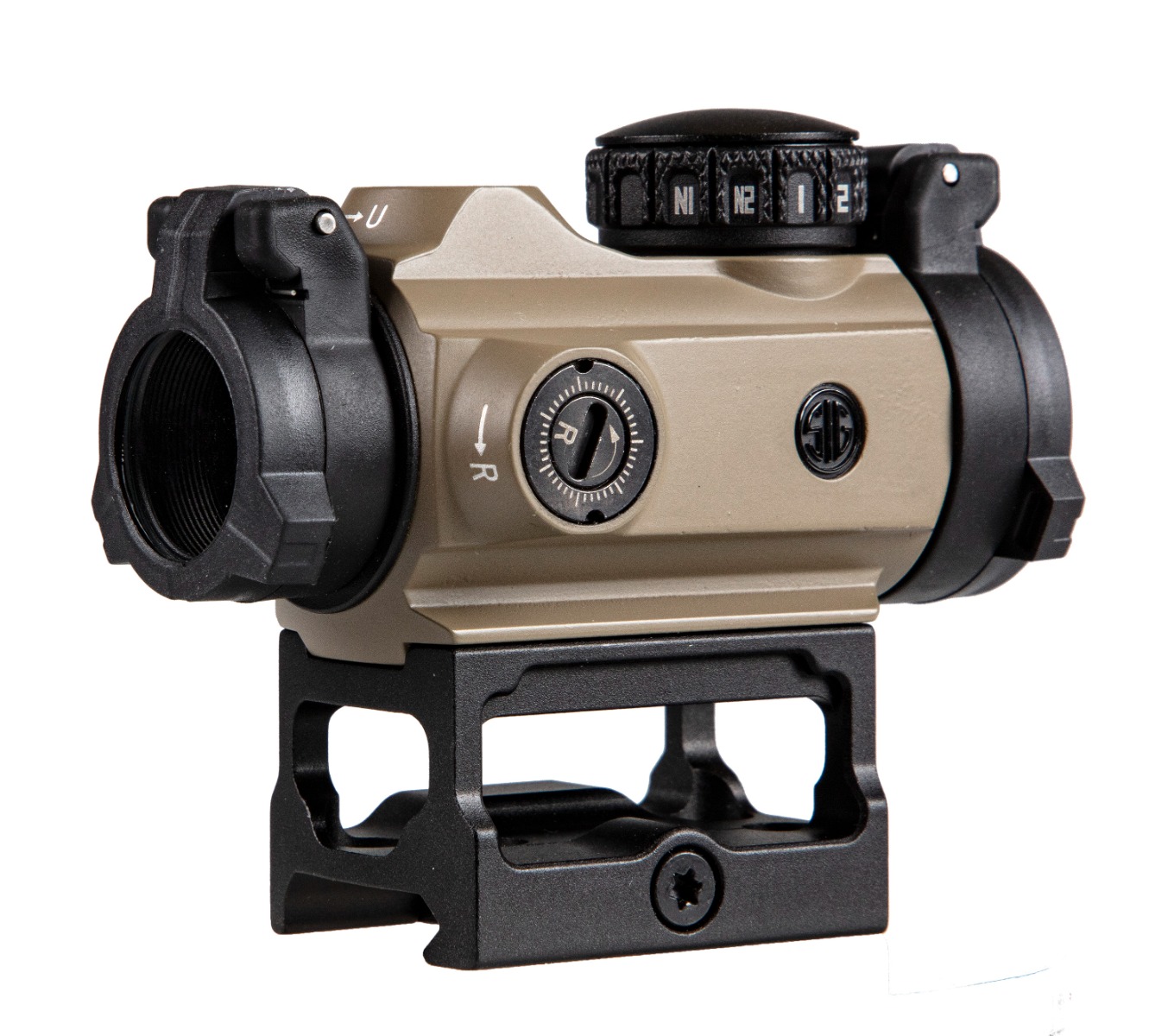
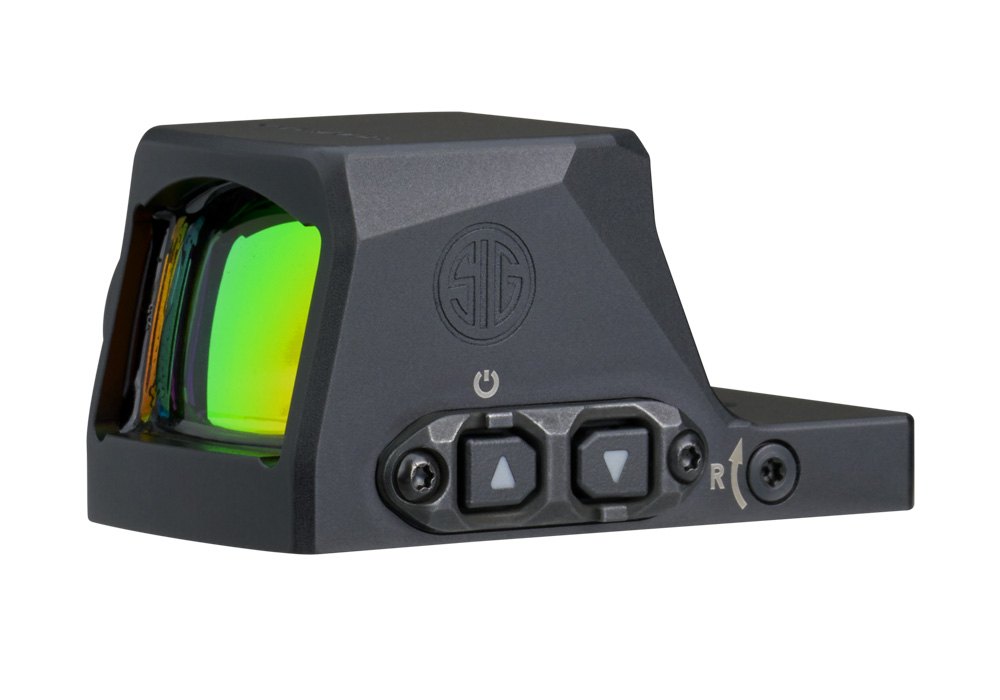
Red dot optics for summer concealed carry balance a compact, low-profile shape with clear visibility in bright sunlight and resistance to sweat, dust, and clothing lint. Their appeal goes beyond a small housing: a suitable optic needs to fit the handgun, work with the existing holster, and remain practical through regular wear and routine maintenance. Summer clothing often brings lighter fabrics and closer-fitting layers, making the overall dimensions of a carry setup especially noticeable. A housing with smooth contours and restrained proportions can help limit unwanted bulk, while the size of the viewing window influences how open or enclosed the sight picture feels. Those characteristics involve tradeoffs rather than a single ideal measurement. A larger window may feel more comfortable to some users, while others prefer the smaller overall dimensions of a compact design. Mounting compatibility is equally important. The optic footprint, handgun slide configuration, and any required mounting interface need to work together; a similar appearance or familiar model description does not establish compatibility. Manufacturer specifications and qualified installation support help resolve those details without guesswork. Holster fit also involves more than leaving space around the optic. Proper retention and secure trigger coverage remain essential, and an existing holster should not be assumed compatible simply because the handgun fits inside it. For someone who already carries a compact or smaller handgun, an optic is part of a complete system rather than an isolated accessory. Its dimensions, weight, controls, and service requirements all affect long-term satisfaction. The strongest choices for this category are not necessarily the smallest or the most elaborate. They are the ones whose documented specifications suit the intended handgun and whose features remain useful through ordinary summer conditions, from humid afternoons to the fine dust that settles on equipment after time outdoors. That combination of fit, visibility, and manageable upkeep gives compact carry optics their everyday relevance.
Materials and construction help determine how an optic handles that environment. Aluminum housings are common, and some designs use reinforced polymers; durability depends on the complete construction, protective geometry, finish, and testing rather than the material name alone. Sweat brings moisture and salts into contact with exterior surfaces, so corrosion resistance and a finish suited to frequent handling are meaningful considerations. Lens coatings can support light transmission and surface protection, but they do not eliminate fingerprints, sunscreen smears, or the need for careful cleaning. Emitter design is another distinction within the category. An open-emitter optic leaves the light path between the emitter and viewing lens exposed, while an enclosed-emitter design protects that path within a housing. That enclosure can help keep lint and other debris away from the emitter, although its exterior lenses still need attention. Neither construction style should be treated as a substitute for documented water-resistance and environmental ratings. Those specifications describe particular test conditions, not unlimited protection against moisture or neglect. Summer sunlight also makes illumination performance relevant. A dot that remains visible against a bright background is useful, but brightness alone does not define optical quality. Excessive illumination can make the dot appear less distinct, and individual vision can affect its perceived shape. Window clarity, tint, reflections, and available brightness settings contribute to the overall viewing experience. Automatic adjustment offers convenience where supported, while manual controls provide direct setting selection; the better fit depends on personal preference and the design’s behavior across different lighting conditions. Moving between a sunlit parking area and a shaded building entrance illustrates why that range matters. Battery life, battery access, and control placement round out the ownership picture. Published runtime depends on the stated operating conditions, and illumination settings or electronic features can influence actual service intervals. Accessible battery compartments and understandable controls can simplify routine care, particularly for owners who prefer equipment with straightforward upkeep rather than an extensive set of functions they rarely use.
Everyday care is especially relevant for an optic worn close to the body. A sight can look clean from a distance while carrying a thin film of perspiration around the housing or lint along the edge of the viewing window. Sunscreen transferred from a hand can leave a stubborn haze on glass, and beach sand or airborne grit calls for more care than a quick wipe with a shirt hem. Manufacturer-approved lens-cleaning materials and methods help protect coated surfaces, while exterior care should account for the housing finish, seals, and electronics. Household solvents and abrasive fabrics are not interchangeable with optical cleaning supplies. Inspection, cleaning, and any other hands-on maintenance belong in a safe setting with an unloaded firearm and ammunition kept separately. An optic’s mounting system also deserves attention according to the firearm and optic manufacturers’ guidance, with qualified service appropriate when fit or hardware condition is uncertain. These ownership details matter to experienced carriers, people adding an optic to a compatible handgun for the first time, and owners whose range practice supports responsible, lawful carry. Familiarity developed in a supervised training environment can help an owner understand the equipment’s controls and limitations without treating electronics as a replacement for safe handling. For a broader view of this product category, Compact Red Dot Optics for Concealed Carry provides a related collection centered on compact carry applications. Personal preferences still matter: some owners value a simple reticle and minimal controls, while others place greater importance on an enclosed emitter or convenient battery access. A thoughtful selection brings those preferences into alignment with verified compatibility, durable construction, and a realistic maintenance routine. For summer use, the lasting value lies in equipment that accommodates ordinary exposure to bright light, perspiration, and pocket lint without asking the owner to overlook fit, care, or safe handling.