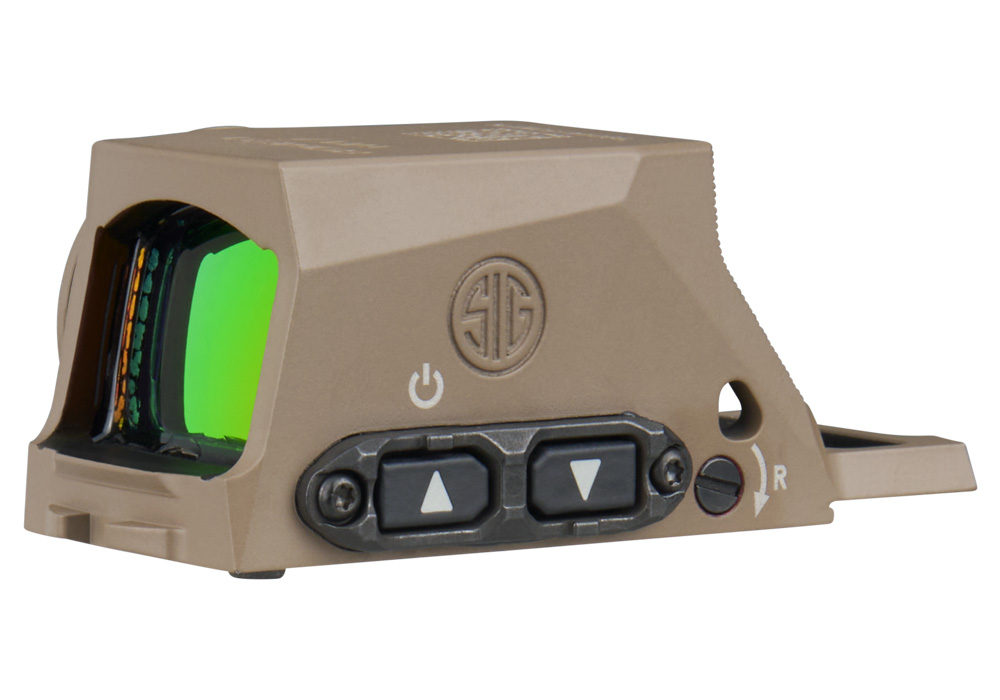
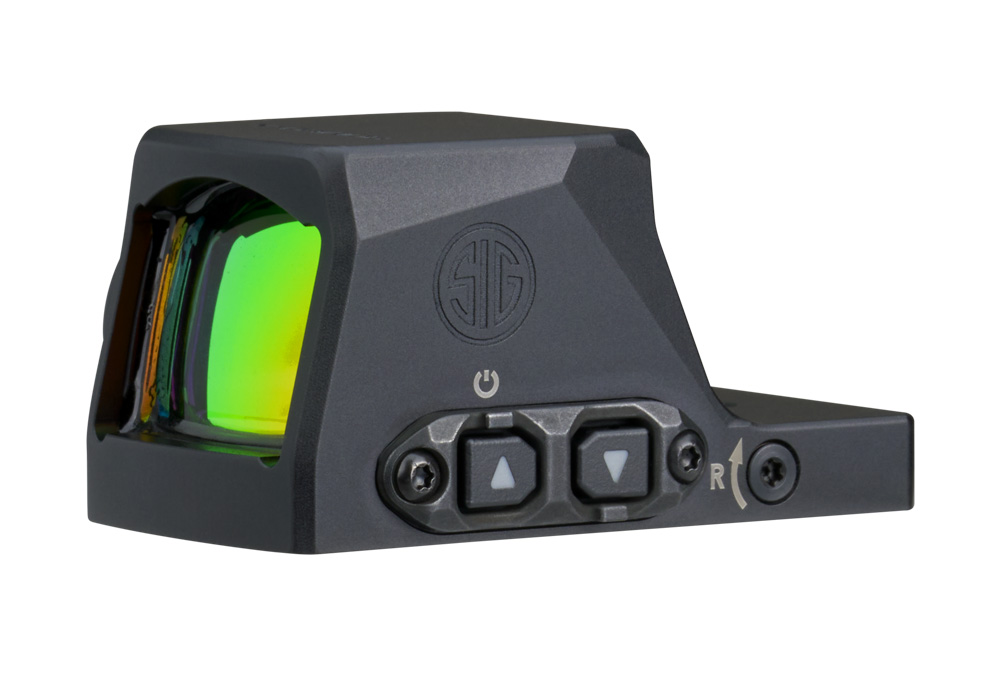
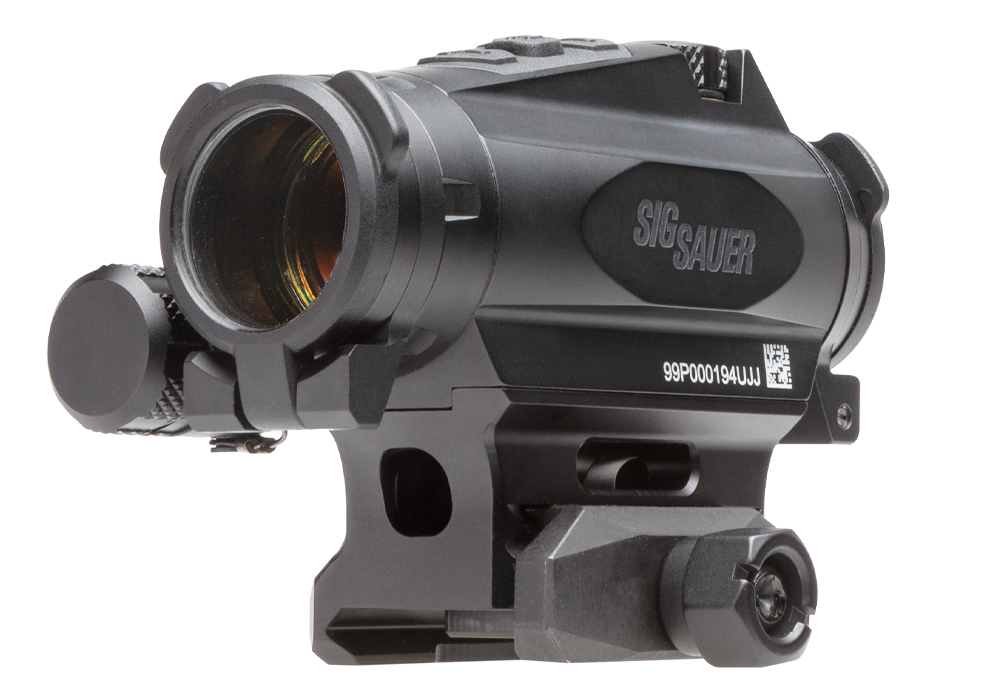
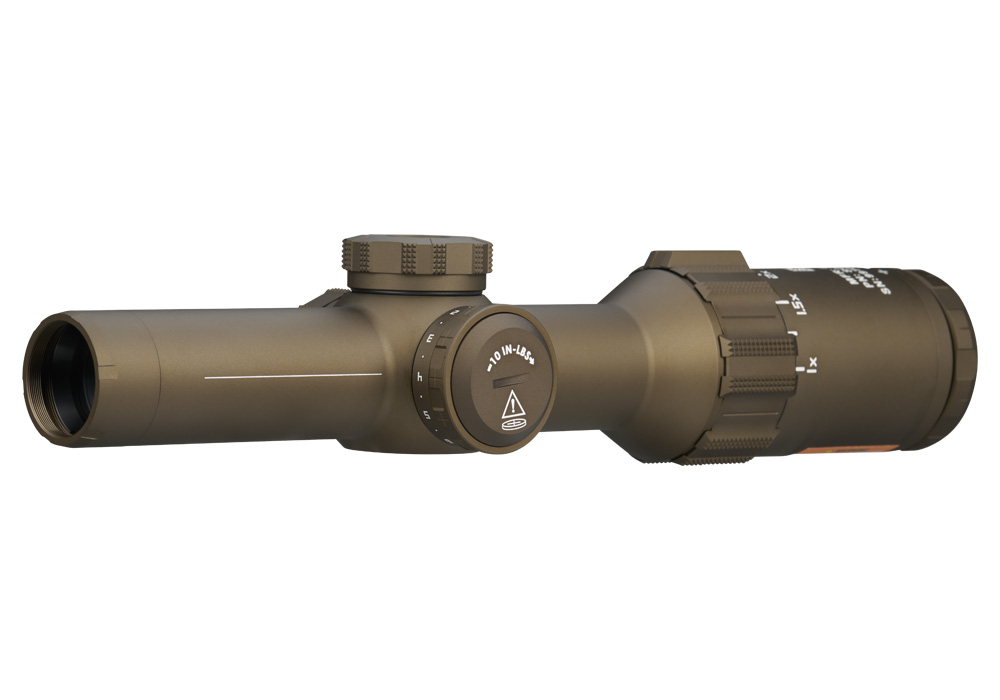
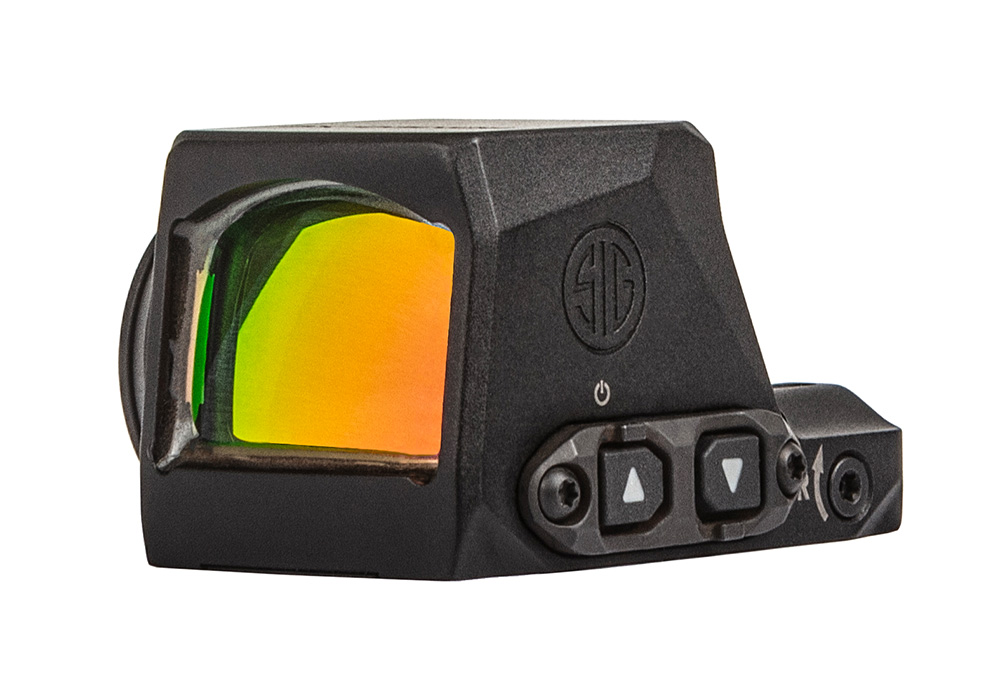
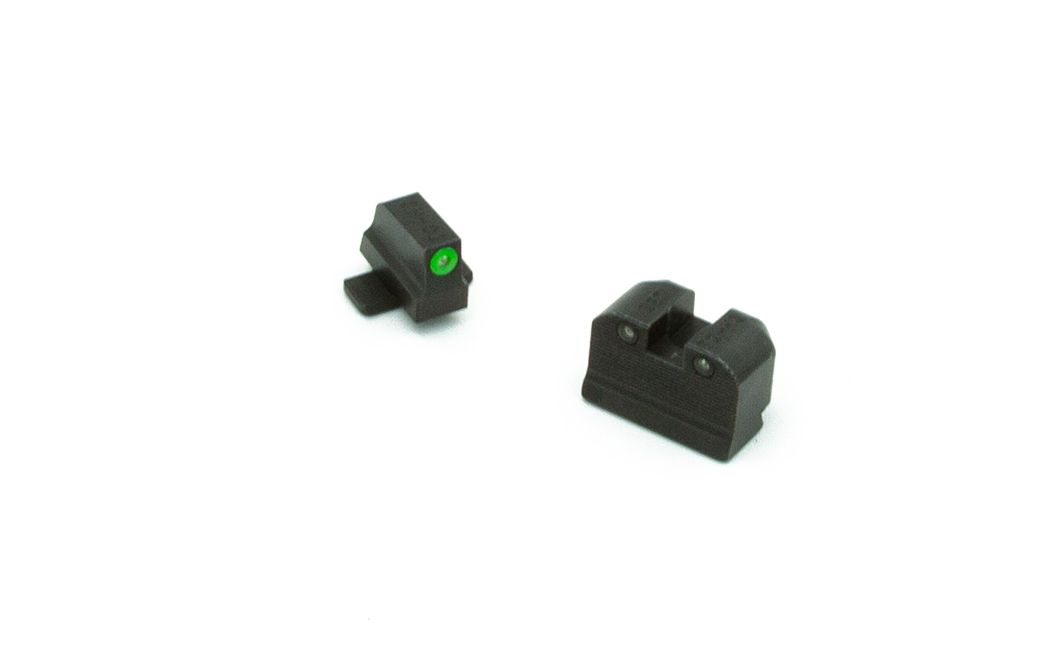
Compact pistol optics are designed to give a small, carry-friendly handgun a clear aiming reference without adding unnecessary bulk to the slide. For warm-weather carry, that balance becomes especially important. Lightweight clothing, shorter cover garments, and more frequent time outdoors can make a low-profile optic easier to conceal and more comfortable to wear. The products listed here are selected for compact and subcompact pistols, making them suitable for concealed-carry setups, range practice, training, and carefully chosen gifts for an experienced shooter. Before purchasing, confirm that the optic’s footprint, mounting pattern, screw dimensions, and slide cut match the intended pistol. A sight that looks compact on the shelf may not fit every narrow slide, and some handguns require a mounting plate or professional installation. It is also worth checking the optic’s overall height in relation to the pistol’s iron sights, since a compatible co-witness arrangement can provide a useful reference if the electronic aiming point is unavailable. Shooters who carry inside the waistband often prioritize a slim housing with rounded edges that is less likely to catch on a cover garment, while range users may prefer a larger viewing window or more adjustment range. For a broader selection of refined, carry-oriented configurations, explore Premium Compact Optics for Pistols and compare the dimensions and specifications carefully against the intended firearm.
Brightness and environmental resistance deserve close attention when choosing a compact pistol optic for summer and the warmer conditions that lead into cooler months. Direct sunlight can make a weak aiming point difficult to see, particularly against pale backgrounds such as concrete, sand, or sunlit targets. Look for an optic with a clearly visible daylight setting, straightforward brightness controls, and an adjustment range that also allows the reticle to remain comfortable in shade or lower light. Automatic brightness systems and motion-activated illumination can be convenient for a defensive-carry setup, but they should complement—not replace—regular function checks and practice. Some shooters favor an open-emitter design because it keeps the optic especially slim and offers a familiar reflex-sight profile. Others prefer an enclosed-emitter design, which places the emitter inside a protected housing and helps keep lint, dust, moisture, and perspiration from obscuring the aiming point. That distinction can matter when a pistol is carried close to the body during a humid day, after a long walk, or beneath clothing treated with sunscreen. Battery access, expected runtime, and the ease of changing settings are equally practical considerations. A compact optic should be bright enough for outdoor use without consuming its battery unnecessarily, and the controls should be manageable without disturbing the established zero. For a gift, an optic can be a thoughtful choice for a shooter preparing a new compact pistol or refining a familiar carry setup, but the recipient’s exact model and preferred footprint should be confirmed first. A gift card or coordinated purchase is often better than guessing when the slide cut, mounting plate, or sight height is uncertain.
Regular care helps preserve a clear view and dependable operation throughout changing weather. Sweat and sunscreen can leave corrosive salts or an oily film on the lens and metal surfaces, especially when an optic is carried against the body for hours. Use a clean lens cloth and a product-safe cleaning method to remove fingerprints, dust, and residue; avoid scraping the glass with clothing, paper towels, or other abrasive material. Inspect the lens window, housing, battery compartment, and mounting area after exposure to heavy perspiration, rain, sand, or fine dust. Mounting screws should be checked according to the manufacturer’s instructions, with the specified torque and any recommended thread treatment, rather than tightened by feel. After installation or maintenance, confirm the zero at the range and verify that the dot remains stable through normal handling and practice. A simple routine—wipe the optic after carry, inspect it before loading the pistol, and replace the battery on a planned schedule—can prevent small issues from becoming distractions. During warmer conditions, breathable clothing and frequent outdoor activity may increase the amount of moisture and debris around a concealed pistol; as the weather cools, gloves and heavier garments can create different challenges, including slower access and more fabric near the sight window. Practice should reflect those changes while following all applicable laws, safe-storage requirements, and range rules. Compact pistol optics work best when their size, illumination, mounting system, durability, and maintenance needs are matched to the firearm and the way it is actually carried or used.