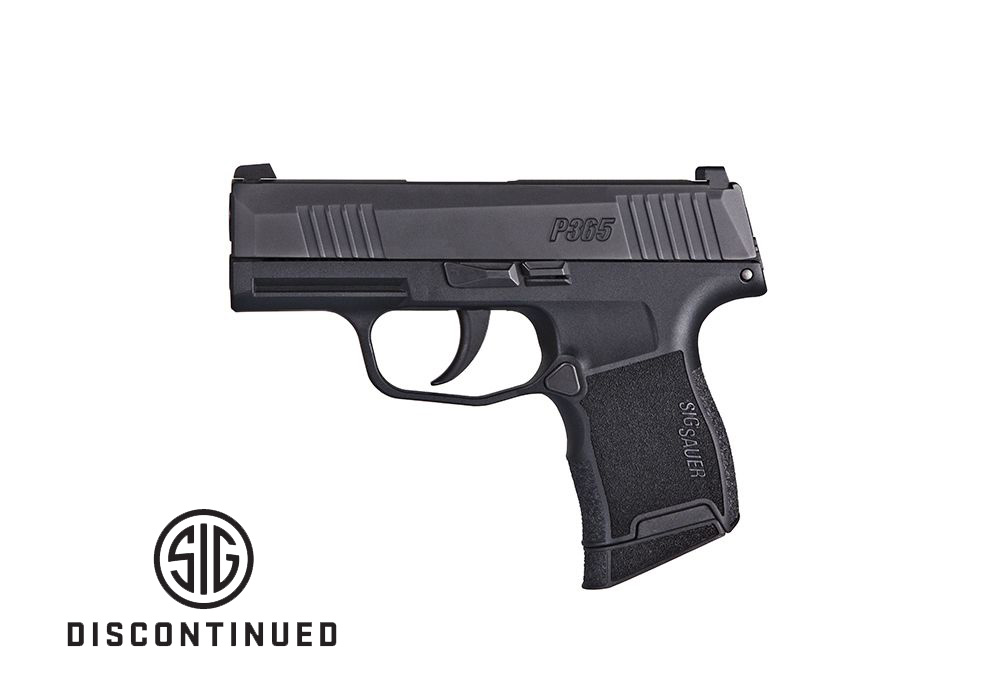
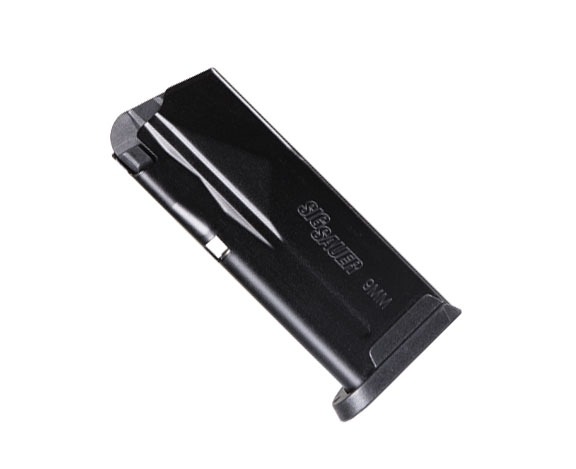
Compact pistol magazines for summer carry pair a small handgun’s everyday utility with the practical demands of lighter clothing, warm-weather outings, and regular range practice. Their dimensions matter beyond the number of rounds they hold: magazine length, baseplate shape, and compatibility with the pistol all influence how the assembled handgun feels in the hand and fits into a carry setup. A flush-fitting magazine generally follows the lower edge of the grip, preserving the pistol’s shorter profile. An extended magazine projects farther below the grip and, depending on its design, may provide additional finger support, room for more rounds, or both. A grip extension alone does not necessarily increase round count, so the product specifications deserve attention rather than assumptions based on appearance. Neither format is universally better. A shorter magazine may suit someone who values a compact outline beneath a lightweight shirt, while a longer version may feel more comfortable to someone whose little finger rests below a short grip. The meaningful comparison is between compatible options for the same handgun, not between magazines that happen to look similar. Correct fit begins with the exact pistol model, chambering, and any generation-specific requirements identified by the manufacturer. Closely related handguns can use different magazine bodies, baseplates, or grip sleeves, and an accessory intended for one configuration should not be assumed to fit another. Sleeves and extended baseplates also need to match the intended combination rather than simply fill a visible gap. For people who divide their time between everyday carry and supervised practice, consistency in fit and handling can be more valuable than choosing the longest or shortest option. Summer clothing varies from structured waistbands to lightweight fabrics, making the complete carry arrangement relevant, but a magazine remains one component of that arrangement. Its role is to fit the firearm correctly, retain ammunition securely, and function as intended without requiring improvised alterations. Local requirements governing magazine possession and round limits also belong in the selection process, especially when travel is part of a summer itinerary.
Materials and construction help distinguish compact pistol magazines that otherwise appear similar. Steel bodies can provide rigid walls in a relatively slim profile, while polymer components can offer useful shaping options and resistance to some forms of surface wear. Some designs combine materials, with a metal body, polymer follower, and molded baseplate serving different purposes. Material alone does not establish quality or compatibility; body geometry, feed-lip condition, spring design, and the fit of the follower all contribute to proper function. A protective finish may help resist corrosion, but it does not eliminate the need for inspection and care. Summer use can expose accessories to perspiration, humidity, pocket lint, and fine grit, including during ordinary activities such as walking across a dusty parking area or sitting on a shaded patio. Those conditions make smooth surfaces, secure baseplates, and accessible manufacturer care information practical considerations rather than cosmetic details. The baseplate is an especially noticeable feature because it forms the magazine’s lower edge and may sit against the hand or contact a magazine carrier. Rounded contours can feel different from pronounced ledges, while textured surfaces may offer a different feel than smooth ones. These details are worth considering alongside overall length, particularly for smaller hands or for anyone sensitive to pressure at the bottom of the grip. Regular inspection can reveal a cracked baseplate, a bent body, visible corrosion, or damaged feed lips before a worn component remains in service unnoticed. Inspection and cleaning should take place with the firearm unloaded and ammunition kept separate, following the manufacturer’s procedures. Approved cleaning methods matter because abrasive treatment, excessive lubricant, or unsuitable chemicals can create problems rather than solve them. A magazine that has been exposed to moisture should receive the recommended care before storage, and any questionable component warrants evaluation through an appropriate service channel. Durability is best understood as sound construction supported by proper care, not a promise that a magazine can tolerate unlimited wear or neglect.
Intended use provides another useful way to compare compact pistol magazines without treating every carry routine as identical. A responsible adult who regularly practices with a compact handgun may value a magazine that matches the familiar feel of an existing setup, while someone replacing a worn magazine may place exact compatibility ahead of any change in length or grip shape. For a spare magazine, the carrier’s dimensions matter too: a pouch designed around a short, narrow body may not accommodate a longer baseplate comfortably. Secure retention and protection from debris are more useful considerations than simply placing a loose magazine among keys, coins, or other pocket contents. The firearm itself belongs in a suitable holster that protects the trigger, and accessory choices should support responsible storage and handling rather than substitute for them. Range sessions offer an appropriate setting to evaluate whether a compatible magazine seats correctly and functions as specified, with the firearm manufacturer’s guidance and qualified assistance available when needed. A sound fit should not depend on forcing parts together, reshaping components, or overlooking a mismatch. When summer plans include a family gathering, an outdoor celebration, or time away from home, applicable laws and venue rules still determine whether a firearm or related accessory may be present. For a collection focused on that setting, Compact Pistol Magazines for Summer Events offers a related theme for considering compatible magazine options. These accessories can also be a practical gift for a responsible adult who already owns the appropriate handgun, provided the exact fit and applicable requirements are confirmed beforehand. For personal use or gifting, clear specifications are more helpful than appearance alone. Between outings, clean, dry storage in a secure location helps protect magazines from unnecessary exposure and unauthorized access. The lasting value of a compact pistol magazine comes from the combination of correct fit, suitable dimensions, dependable construction, and consistent care—qualities that remain relevant long after a particular summer occasion has passed.