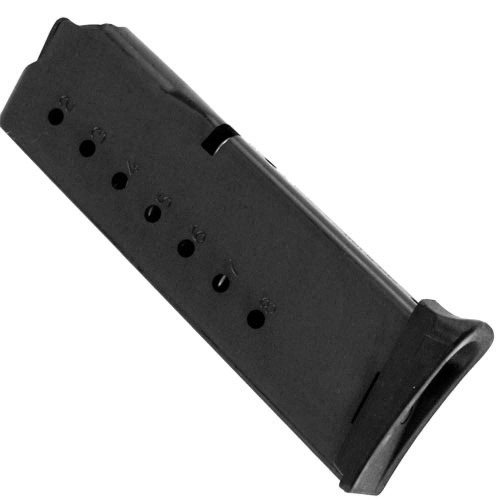
When warm weather calls for lighter clothing, a dependable magazine becomes an important part of a well-planned concealed-carry setup. The best 9mm subcompact magazine for summer carry balances concealment, reliable feeding, comfortable handling, and the capacity that fits the user’s needs and local regulations. A flush-fit magazine keeps the grip short and helps reduce printing beneath a T-shirt, polo, light overshirt, or fitted jacket. That compact profile can make a noticeable difference when sitting in a vehicle, walking outdoors, or moving through a busy store with minimal layers between the firearm and the outside world. An extended magazine adds length below the grip, but that extra length can provide a more secure purchase for the little finger and make the pistol easier to draw and control. Some carriers prefer a standard-capacity magazine for the smallest possible footprint, while others choose an extended-capacity option for improved ergonomics or additional available rounds. Neither approach is universal; the right choice depends on the specific firearm, holster, body type, clothing, and carry position. Browse the selection of 9mm Subcompact Magazines with those details in mind, and confirm that every magazine is designed for the exact model and generation of the firearm. A magazine that appears similar is not automatically compatible, and small differences in dimensions, feed-lip geometry, baseplate design, or locking-notch placement can affect fit and function. Checking the manufacturer’s specifications before ordering is one of the simplest ways to avoid an expensive mistake.
Construction and finish deserve close attention, especially when a magazine will be carried close to the body through warm, humid conditions. Sweat, sunscreen, dust, pocket lint, and fine grit can collect around the baseplate and magazine opening, while repeated loading and unloading can put wear on feed lips, springs, and followers. Stainless steel bodies or corrosion-resistant finishes can offer added protection, but no material eliminates the need for reasonable care. A magazine should lock firmly into the firearm, drop free when released, and present cartridges at the proper angle without unusual drag or hesitation. Baseplates should be secure and smoothly finished, with no sharp edges that catch on clothing or rub against the hand. For an extended option, look for a design that supports the hand without creating unnecessary bulk beneath a thin shirt. It is also worth considering how the magazine feels during practice: a slightly longer base may help establish a consistent grip, while a flush base may be more comfortable for deep concealment and everyday movement. Before relying on a new magazine for defensive use, inspect it, load it according to the manufacturer’s guidance, and test it with the ammunition intended for carry. Practice should include drawing from the actual holster and clothing combination used in daily life, along with controlled reloads and regular checks for proper seating. During the cooler months, heavier layers may make an extended magazine easier to conceal, while seasonal changes in clothing can make the shorter option more comfortable again. Rotating magazines during routine maintenance, wiping away moisture and debris, and replacing worn springs or damaged components help keep the system ready without turning upkeep into a complicated chore.
These magazines can suit a range of responsible adult users, from an experienced carrier refining a lightweight setup to someone assembling a first carefully considered carry system. They may also be a practical gift for a qualified firearm owner, provided the buyer knows the exact firearm model, magazine generation, and applicable capacity restrictions. A magazine is a particularly personal accessory: one person may value the clean outline of a flush-fit baseplate, while another may prefer the confidence of a fuller grip and extended-capacity design. Asking discreetly for the model information or checking an existing magazine’s markings can prevent the awkwardness of giving an incompatible gift. For anyone carrying during outdoor activities, commuting, travel, or long days on foot, compact 9mm magazines can provide a useful balance of portability and readiness without adding the weight and bulk associated with larger platforms. Safe storage remains essential when magazines are not in use, and transportation should follow all applicable laws and regulations. Capacity limits vary by jurisdiction and may change, so purchasers should verify current requirements before selecting a standard or extended capacity magazine. Keep magazines away from excessive heat and moisture, avoid storing them where loose objects can press against the feed lips, and inspect them after exposure to rain, perspiration, sand, or household debris. A small, well-maintained magazine carried in a purpose-built pouch can be easier to access and protect than one loose in a pocket or bag. With the proper fit, durable construction, secure handling, and regular inspection, a 9mm subcompact magazine can complement a discreet everyday-carry setup through changing weather, from the light layers of warm days to the heavier clothing of cooler seasons.