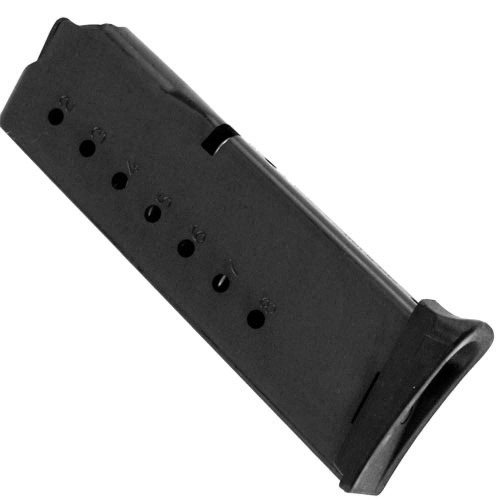
Choosing the right 9mm subcompact magazine is an important part of becoming comfortable with a new pistol. The magazine must be designed for the exact make and model of the firearm, since even magazines chambered for the same cartridge are not interchangeable across every platform. Manufacturer-original magazines are generally the best starting point for new shooters because they are built around the pistol’s feed geometry, magazine catch, grip dimensions, and slide operation. A correct fit should allow the magazine to seat fully, lock securely, release cleanly, and feed cartridges smoothly without unusual resistance. It is also worth confirming the appropriate standard or extended capacity for your firearm, as well as any applicable state or local restrictions, before placing an order. A flush-fit magazine sits close to the bottom of the grip and can provide a streamlined profile that is comfortable for concealed carry, range practice, or keeping a compact pistol ready in a properly secured storage setup. Some shooters prefer a magazine with a pinky extension, which adds a small ledge beneath the grip and gives the last finger a more natural place to rest. That modest change can make a short grip feel more secure, especially for someone with larger hands or limited experience handling a subcompact pistol. Others choose an extended magazine when they want additional gripping surface or more rounds available before a reload. Neither style is universally better; the right choice depends on the shooter’s hand size, intended use, carry setup, and ability to establish a consistent grip. For a first-time owner, ordering one magazine that matches the original configuration and one alternate style can be a practical way to compare fit and handling during supervised range sessions. These magazines can also make a thoughtful gift for a new shooter when the giver knows the exact firearm model and verifies compatibility rather than relying on caliber alone. A magazine marked “9mm” may still be unsuitable for a particular subcompact pistol, so model-specific details should always take priority.
New shooters often notice the difference a well-fitting magazine makes during ordinary practice. At the range, a magazine that seats positively and presents cartridges at the correct angle helps the shooter focus on stance, sight alignment, trigger control, and safe reload habits instead of wondering whether the equipment is contributing to a stoppage. A flush-fit design may be especially appealing for a small pistol carried beneath a jacket or other everyday clothing during the cooler months, while a pinky extension can provide a little extra purchase when drawing, gripping, or recovering from recoil during practice. Magazine capacity is another consideration, but it should be evaluated alongside grip comfort and concealment rather than by itself. Standard-capacity magazines often preserve the compact profile that makes a subcompact pistol easy to carry, while extended-capacity magazines can offer a longer grip and additional ammunition for training or other lawful uses. The added length may affect how the pistol sits in a holster or against the body, so it is sensible to test the complete setup with an unloaded firearm and appropriate safety equipment before relying on it. Shooters who spend time outdoors may also value a spare magazine as part of a carefully organized range or field kit; for related options, see 9mm Subcompact Magazines For Outdoor Shooting. Regardless of where the magazine is used, safe handling remains essential. Keep the firearm pointed in a safe direction, keep the finger outside the trigger guard until ready to fire, and follow the owner’s manual for loading, unloading, inspection, and storage. New owners should practice magazine changes with an unloaded firearm in a controlled setting, learning how the magazine release feels and how to confirm that the magazine has locked in place without forcing it. A few deliberate repetitions can build familiarity; rushing tends to create unnecessary fumbling, especially with the short grips and compact controls common to subcompact pistols.
Routine care helps preserve reliable magazine function. Before cleaning, unload the firearm and magazine completely, then follow the manufacturer’s instructions for removing the magazine base, spring, follower, and other serviceable parts. Magazine interiors can collect dust, lint, brass shavings, and residue, particularly when a pistol is carried regularly or used on an outdoor range. A soft cloth, a suitable nylon brush, and careful attention to the feed lips can remove ordinary debris without damaging the magazine body. Avoid bending the feed lips or scraping them with hard tools, since their shape helps control how each cartridge is presented to the chamber. Inspect the spring for smooth movement and look at the follower for cracks, excessive wear, or binding as it travels up and down. The magazine should not feel gritty, collapse unevenly, or require unusual force to load or seat. Metal components should be kept dry and protected from corrosion with only the lightest appropriate application of lubricant, since excess oil can attract dust and residue inside the magazine. Polymer bodies also benefit from being wiped clean and stored away from prolonged heat, moisture, and direct sunlight. Rotate training magazines when practical, label magazines used for different purposes, and replace any magazine that is cracked, badly dented, unable to lock into the pistol, or associated with repeated feeding problems after proper inspection. Store magazines unloaded or loaded according to the firearm manufacturer’s guidance and local requirements, in a secure location inaccessible to unauthorized users. For a new shooter, dependable equipment is part of building confidence, but confidence should grow from safe instruction, consistent practice, and a setup that fits the individual hand. Selecting the correct 9mm subcompact magazine, confirming whether a flush-fit, pinky-extension, standard-capacity, or extended-capacity design best suits the pistol, and caring for it carefully creates a straightforward foundation for responsible ownership.