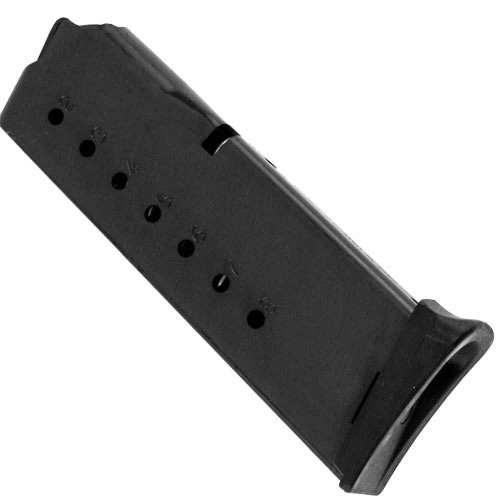
Choosing the right 9mm magazine for outdoor shooting starts with confirming an exact fit for the intended subcompact handgun. Even magazines chambered for the same cartridge are not interchangeable across firearm models, and small differences in body dimensions, catch placement, follower design, or baseplate shape can affect insertion, retention, and feeding. Before ordering, check the handgun manufacturer’s specifications and compare the magazine model, generation, and standard or extended capacity with the firearm you own. A flush-fit magazine can preserve the compact profile that makes a subcompact pistol comfortable to carry and easy to store, while an extended magazine may provide additional gripping surface for larger hands or more comfortable practice sessions at the range. For a closer look at compatible options, browse 9mm Subcompact Magazines. Factory-original magazines are often the simplest choice when consistent fit and function are priorities, especially for shooters who prefer to keep their equipment matched to the handgun’s original design. It is also worth considering how the magazine will be used outdoors. A magazine carried in a range bag may encounter dust, loose brass, spilled ammunition, and unburnt powder, while one used during training in damp grass or cooler weather may be exposed to condensation and moisture. Stainless steel components, protective finishes, and durable polymer elements can help a magazine withstand ordinary outdoor handling, but no material eliminates the need for care. The most dependable setup is one that combines a properly matched magazine with sensible storage, routine inspection, and familiarity with the firearm’s operation.
Subcompact magazines are useful for a wide range of outdoor shooting activities, including informal target practice, structured range training, skills development, and lawful defensive firearms practice where permitted. Their compact dimensions make them convenient to carry in a dedicated magazine pouch, a padded range case, or a secure compartment in a shooting bag without taking up unnecessary space. Shooters who spend time moving between a covered bench and an outdoor firing line may appreciate having several magazines prepared in advance, allowing them to spend more time practicing and less time handling loose cartridges. A flush-fit baseplate is often valued for concealment and a streamlined grip, while a pinky extension or grip sleeve can offer a more complete hand position and improved control for repeated strings of fire. Extended baseplates may also make magazines easier to grasp when changing them with cold or gloved hands during the cooler months. These details are personal, and the best choice depends on hand size, the handgun’s grip length, storage method, and the type of practice being performed. Someone who enjoys early-morning sessions in cool air may prioritize a secure, easy-to-handle baseplate, while a shooter who hikes to an outdoor range or keeps equipment in a vehicle may place greater emphasis on resistance to moisture, abrasion, and temperature changes. Magazines can also make practical gifts for a new firearm owner, a family member building a range kit, or an experienced shooter who appreciates having dependable spares. A thoughtful gift includes the exact handgun model and magazine specifications, since a magazine that appears similar may not function correctly in a different firearm.
Outdoor conditions make maintenance especially important. After a range day, unload the magazine and inspect the feed lips, follower, spring, body, and baseplate for dirt, grit, damage, or unusual wear. A soft cloth can remove surface dust and residue, while a small nylon brush may help clear debris from grooves and hard-to-reach areas. Follow the firearm and magazine manufacturer’s instructions before disassembling any magazine, and avoid excessive lubricant inside the magazine body because oil can collect dust and potentially interfere with smooth follower movement. Pay close attention to the spring and follower during periodic inspections. A spring that has lost tension, a follower that binds, cracked polymer, bent feed lips, or a baseplate that does not lock securely are all reasons to remove the magazine from service until it has been evaluated or replaced. Numbering magazines with a paint marker or another non-damaging method can make it easier to track performance and identify one that needs attention after practice. Store clean magazines in a dry, protected location rather than leaving them exposed in damp grass, an open truck bed, or a bag containing wet clothing. During cooler months, allowing equipment to reach room temperature before sealing it in a case can help reduce condensation. Most importantly, test any magazine at a lawful range with the specific handgun and ammunition intended for use, following all local regulations and established firearm safety practices. Keep the muzzle pointed in a safe direction, keep the trigger finger outside the trigger guard until ready to fire, and wear appropriate eye and hearing protection. With a correct fit, durable construction, comfortable handling, and regular care, 9mm subcompact magazines can become dependable parts of an organized outdoor shooting setup.