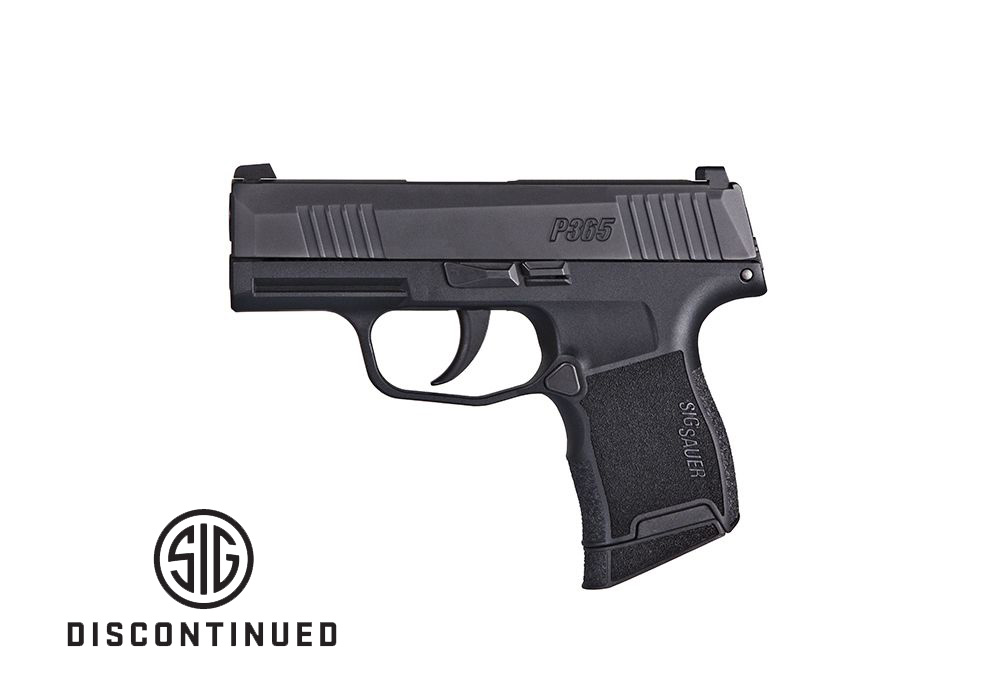
9mm subcompact magazines are detachable ammunition-feeding components designed for compatible small-frame 9mm pistols. Their compact dimensions support the shorter grips of subcompact handguns, while their bodies, springs, followers, and feed lips work together to present cartridges for feeding. The category includes flush-fit magazines that sit close to the bottom of the grip and extended versions that project below it, sometimes with a compatible sleeve to bridge the space between the frame and baseplate. Those differences affect more than appearance: they influence grip length, overall dimensions, and how the handgun feels in the hand. A flush-fit configuration preserves the pistol’s compact profile, while an extended configuration may provide additional room for the little finger. An extended baseplate does not necessarily increase the number of rounds a magazine holds; some extensions serve primarily as finger rests. Likewise, two magazines with the same round count can have different body dimensions and fit entirely different handgun families. For shoppers comparing 9mm subcompact magazines, compatibility is the essential starting point. The caliber marking alone does not establish fit, and magazines intended for one subcompact platform should not be assumed to work in another. The exact pistol model, generation, grip configuration, and any manufacturer-listed restrictions all matter. Even closely related handguns can use different magazine lengths, catch locations, or baseplate profiles. A longer magazine may require a specifically compatible sleeve, and a sleeve cannot turn an otherwise incompatible magazine into a suitable choice. Product specifications should identify the intended application rather than leave fit to visual judgment. Owners seeking a defined round count can also explore 10 Round Subcompact Magazines, while still checking the listed caliber and handgun compatibility. Round count is one selection factor, not a substitute for verifying the full fit information. Local requirements can also affect which configurations are appropriate to purchase, possess, or use.
Materials and construction help explain why magazines that look similar can differ in handling, maintenance needs, and long-term wear. Depending on the design, a magazine may combine a steel or polymer body with a polymer follower, a metal spring, and a separate baseplate. Steel bodies may use stainless alloys or protective finishes, while polymer bodies rely on their material formulation and geometry for strength and dimensional stability. Neither a material name nor a finish description, by itself, establishes service life. Consistent dimensions, suitable component materials, and compatibility with the intended handgun are more meaningful than appearance alone. The feed lips at the top of the body retain and position cartridges, the follower supports the ammunition column, and the spring applies upward pressure as rounds are used. The baseplate closes the bottom of the assembly and can also contribute to the shape of the grip. Because these parts function as a system, an extension or replacement component should have explicit compatibility information rather than merely resemble the original. For a shooter whose little finger rests below a short grip, a compatible finger-rest baseplate may feel different from a flat baseplate even when both magazines hold the same number of rounds. During supervised range practice, that difference can become noticeable over repeated strings of fire. A grip sleeve may create a more continuous gripping surface, but its fit and alignment remain specific to the magazine and frame combination. Factory-original and aftermarket magazines both warrant careful attention to specifications; neither a familiar appearance nor broad marketing language replaces model-specific information. Durability also involves the smaller contact surfaces that are easy to overlook, including the magazine catch interface, baseplate edges, and follower. Visible deformation, cracks, corrosion, or an insecure baseplate deserve attention before further use. A magazine is a working component, and its condition matters more than whether its exterior still looks new.
Intended use helps narrow the choice among otherwise compatible 9mm subcompact magazines. A handgun owner attending a supervised class may value several matching magazines with a consistent grip profile, while a recreational range shooter may prefer a clearly organized set dedicated to regular practice. Consistency can simplify keeping track of fit and condition, especially in a household with multiple handgun models that use visually similar magazines. Simple identifying marks, applied without interfering with function or obscuring important markings, can help an owner recognize which magazine needs inspection if a recurring issue appears. For lawful personal-protection use, suitability should rest on manufacturer compatibility, sound condition, and performance verified in an appropriate supervised setting—not on assumptions about a finish, material, or round count. Care is equally important across these uses. Handling and maintenance should take place with the firearm unloaded and ammunition kept separate from the work area, following the firearm and magazine manufacturers’ safety instructions. Lint, dust, and range debris can collect inside a magazine or around its upper surfaces, particularly when it moves frequently between storage, transport, and practice. Cleaning methods, permitted solvents, and lubrication requirements vary by design, so the manufacturer’s directions should determine the approach. Excess oil can attract debris, and aggressive chemicals may be unsuitable for certain polymers or finishes. Springs, followers, and baseplates also should not be treated as universally interchangeable replacement parts. Keeping magazines in a clean, dry storage space and protecting them from crushing or unnecessary impacts supports their continued condition. There is no single replacement schedule that applies to every magazine; use, wear, contamination, and the manufacturer’s recommendations all influence inspection and service needs. When damage or recurring feeding problems appear, setting the magazine aside for evaluation is more sensible than continuing to rely on it. As a gift for an experienced handgun owner, a magazine requires exact knowledge of the recipient’s firearm and applicable legal requirements. Whether selected for routine practice, a class, or another lawful purpose, the strongest foundation is the same: documented compatibility, a suitable grip configuration, careful maintenance, and realistic expectations about wear.