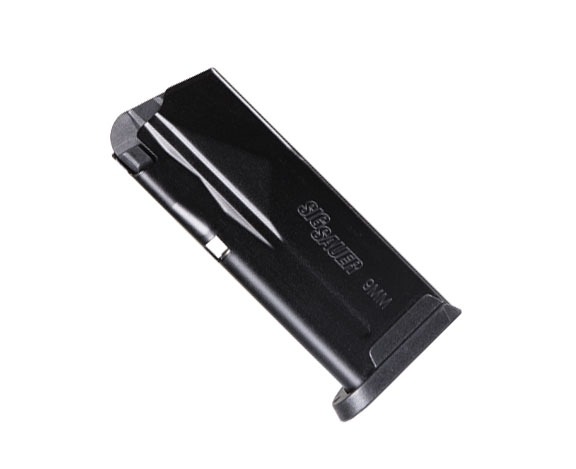
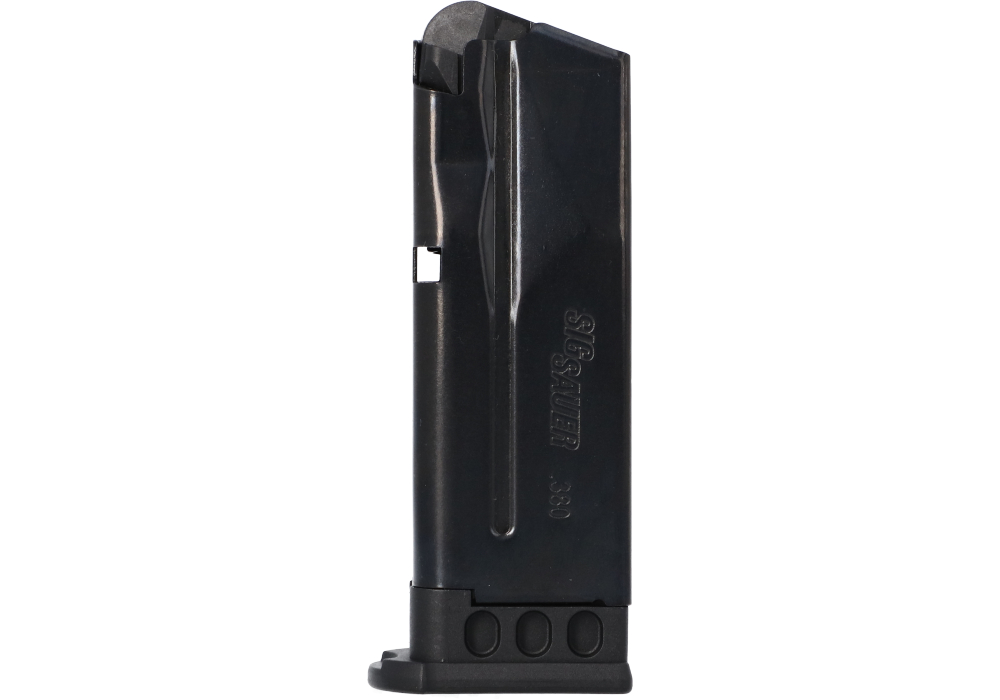
10-round subcompact magazines are detachable pistol magazines designed to hold ten cartridges and fit compatible handguns with shorter grip frames. Their appeal is straightforward: a compact magazine format suited to a smaller pistol, with a defined round count that may be relevant to local regulations or an owner’s preferences. The most important distinction is fit. “Subcompact” describes a general handgun size, not a universal magazine specification, and two magazines that hold the same number of rounds can differ substantially in length, width, locking position, and baseplate shape. Compatibility depends on the handgun’s exact model, caliber, and sometimes its generation or grip configuration. Even closely related pistols may require different magazines, so the manufacturer’s compatibility information matters more than a similar appearance. A flush-fitting magazine follows the lower edge of the grip closely, while a version with a finger extension can provide additional support without necessarily changing the number of rounds it holds. An extended baseplate and an increased round count are not the same thing; the stated ten-round specification should remain the reference. For a lawful concealed-carry owner, a flush profile may help preserve the compact proportions of the pistol. For someone spending time at an authorized range, a slightly longer grip surface may feel more comfortable during supervised practice. Neither style is automatically better, and an extension cannot correct a magazine that was designed for a different handgun. Ten-round magazines also require careful attention to applicable laws: a particular round count does not, by itself, establish that every aspect of ownership, transport, or use is permitted in a given jurisdiction. Those requirements should be verified separately. Shoppers considering related compact-pistol accessories can also explore 10rd Magazines For Concealed Pistols, keeping exact firearm compatibility at the center of the comparison. A well-chosen magazine belongs to the correct platform, retains the intended grip profile, and has specifications that clearly identify its intended use.
Construction influences how a subcompact pistol magazine stands up to handling, storage, and regular range use. Common designs combine a metal tube, an internal spring, a follower, and a polymer or metal baseplate, although materials and construction vary by platform. Stainless steel tubes can offer corrosion resistance, while other steel designs may use protective finishes. Neither description means that moisture, perspiration, or neglect can be ignored. Polymer components can provide useful shaping and texture without the same weight as comparable metal parts, but durability depends on the particular design and the condition of the component, not simply the material name. The follower supports the cartridges inside the tube, and the spring provides the force needed to move them upward as the pistol operates. The upper edges of the tube help control cartridge positioning, making their original geometry important to proper function. These parts work as a system; a sturdy exterior alone is not proof of reliable performance. Clean seams, an intact finish, and a securely retained baseplate are useful details to assess, alongside the manufacturer’s specifications. Visible dents, cracks, corrosion, or distorted edges deserve attention rather than assumptions about continued serviceability. Baseplate shape also affects the everyday feel of a small handgun. With a short grip frame, a shooter’s little finger may rest below the grip; a compatible finger-extension baseplate can offer a defined resting surface. That extra surface can be helpful for some hand sizes, but it also changes the outline at the bottom of the pistol. A flush baseplate keeps that outline shorter, which may suit an owner who prioritizes compact dimensions. Rounded edges, surface texture, and the transition between the grip and baseplate can all influence comfort. A smooth-looking fit in a photograph does not establish compatibility, and a larger baseplate does not guarantee a more comfortable hold. Dimensions, documented fit, and the owner’s needs provide a stronger basis for comparison than appearance alone.
Care and storage help preserve the condition of 10-round subcompact pistol magazines between uses. Range bags collect lint, grit, and residue, and a magazine carried close to the body can encounter perspiration even when its exterior looks clean. Manufacturer-approved cleaning and inspection practices are preferable to improvised treatments. Excess oil can attract debris, and an unfamiliar solvent may affect a finish or polymer component, so care products should be appropriate for the materials involved. Any inspection or maintenance should take place with the magazine unloaded, the firearm safely secured, and ammunition kept away from the work area. Removable baseplates can support routine maintenance on some designs, but removal methods vary; the correct instructions for the particular magazine should govern that work. Internal parts should not be bent, stretched, filed, or otherwise altered in an attempt to correct a problem. Persistent function concerns, unusual wear, or damaged components call for evaluation by the manufacturer or a qualified firearm professional. Storage deserves similar attention. A clean, dry location and a protective pouch or dedicated compartment can reduce contact with loose objects and abrasive debris. Following the manufacturer’s recommendations is more useful than relying on broad assumptions about how every magazine should be stored. For regular range visitors, keeping compatible magazines organized can simplify equipment checks and help distinguish sound accessories from ones awaiting inspection. For lawful carry owners, maintenance and condition checks belong within a wider routine of responsible firearm ownership, along with secure storage and appropriate training. These magazines can also be practical gifts for an eligible firearm owner when the giver has verified the exact handgun model, caliber, and preferred baseplate style. Guessing from the pistol’s general size is unlikely to produce a dependable match, and legal requirements still apply. The lasting value of a subcompact magazine is in correct fit, sound construction, and consistent care—not in a styling detail or a round-count label viewed on its own. Those fundamentals keep the focus on an accessory suited to the owner’s handgun and intended setting.