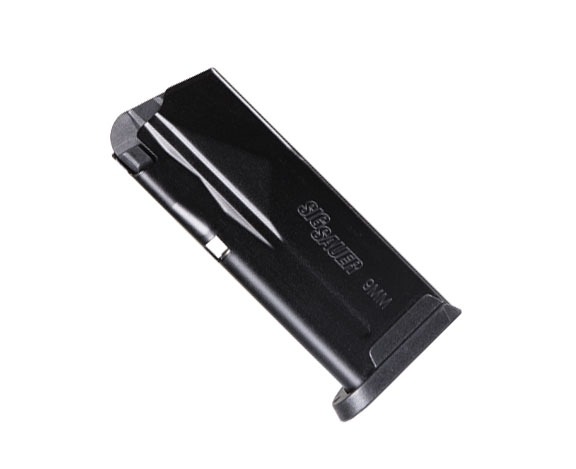
Ten-round magazines for concealed pistols provide a practical balance between ammunition capacity, compact dimensions, and everyday carry comfort. They are commonly selected for subcompact and compact handguns, including slim single-stack designs and smaller double-stack platforms, where a flush-fit or minimally extended magazine helps preserve the pistol’s easy-to-carry profile. A 10rd magazine may also be the appropriate choice in jurisdictions that limit magazine capacity, making it important to confirm the rules that apply where the magazine will be purchased, possessed, transported, and used. Regulations can differ by state, county, or municipality, and may address magazine capacity, shipping, transfers, storage, or possession in specific circumstances. Buyers should review applicable laws and, when needed, seek guidance from a qualified local authority before ordering. For a magazine to perform as intended, compatibility with the handgun is the first consideration. Check the exact make, model, generation, caliber, and frame configuration listed by the manufacturer, since magazines that appear similar may differ in body dimensions, feed-lip geometry, catch placement, baseplate design, or internal components. A magazine made for one pistol may not function safely or reliably in another, even when both use the same cartridge. Details such as ambidextrous magazine releases, optic-ready configurations, interchangeable grip modules, and caliber-conversion setups can also affect fit. Factory and third-party magazines may offer different baseplates, witness holes, spring assemblies, or follower designs, so product descriptions should be read closely rather than relying on a general platform name alone.
For concealed carry, the shape and length of the magazine can matter almost as much as its listed capacity. A flush-fit 10rd magazine often sits neatly within the grip and can reduce printing under a shirt, jacket, or light outer layer. An extended baseplate may make the magazine easier to remove, provide additional gripping surface during a reload, or accommodate a slightly different internal layout, but it can also add length below the grip. That extra length may be comfortable for some hands and less convenient for others, especially when carrying inside the waistband while seated, driving, or moving through a busy daily routine. Many people keep a flush-fit magazine in the pistol and carry a second compatible magazine as a spare, while others prefer the same extended configuration in both positions for a consistent grip and reload technique. A spare magazine can be useful for defensive preparation, training sessions, or replacing a magazine that becomes worn or damaged over time. It is also a thoughtful gift for a properly licensed and trained firearm owner, particularly when the recipient already uses a compatible concealed pistol and has identified the exact magazine configuration they prefer. Because magazine fit is platform-specific, gift buyers should confirm the handgun model and caliber discreetly or choose a retailer gift card instead of guessing. During the cooler months, heavier clothing may make a compact pistol and 10rd magazine easy to carry beneath an outer layer, while changing between indoor and outdoor environments still rewards a setup that remains comfortable, secure, and easy to access without drawing attention.
A reliable magazine deserves the same careful attention as any other part of a concealed-carry system. Before relying on a new magazine, inspect the body, feed lips, follower, spring, and baseplate for visible damage or rough edges, then test it with the intended ammunition according to the firearm manufacturer’s instructions. Confirm that it locks into the pistol, seats properly with the slide open and closed, drops free when released, and feeds cartridges consistently during supervised range practice. Marking or identifying magazines can help distinguish them when several compatible magazines are used for practice, carry, or storage, and rotating magazines can make it easier to monitor wear. Keep magazines clean and dry, avoid unnecessary exposure to grit or moisture, and replace damaged or weakened components with parts approved for the specific platform. Ammunition type can influence function as well, so testing the defensive load or training load you plan to use is a sensible part of preparation; follow all range rules and safe-handling procedures while doing so. For buyers comparing 10rd magazines for concealed pistols, the most useful checklist includes exact firearm compatibility, caliber, overall length, grip coverage, baseplate shape, material, follower and spring construction, local capacity restrictions, and the intended role of the magazine. Some owners prioritize the smallest possible footprint for discreet daily carry, while others value easier handling and a fuller grip. Those seeking a different fit for a larger or more duty-oriented handgun can also review 12rd Magazines for Tactical Pistols. Selecting the correct magazine and verifying its function helps create a dependable setup that fits naturally into training, lawful concealed carry, and responsible firearm ownership.