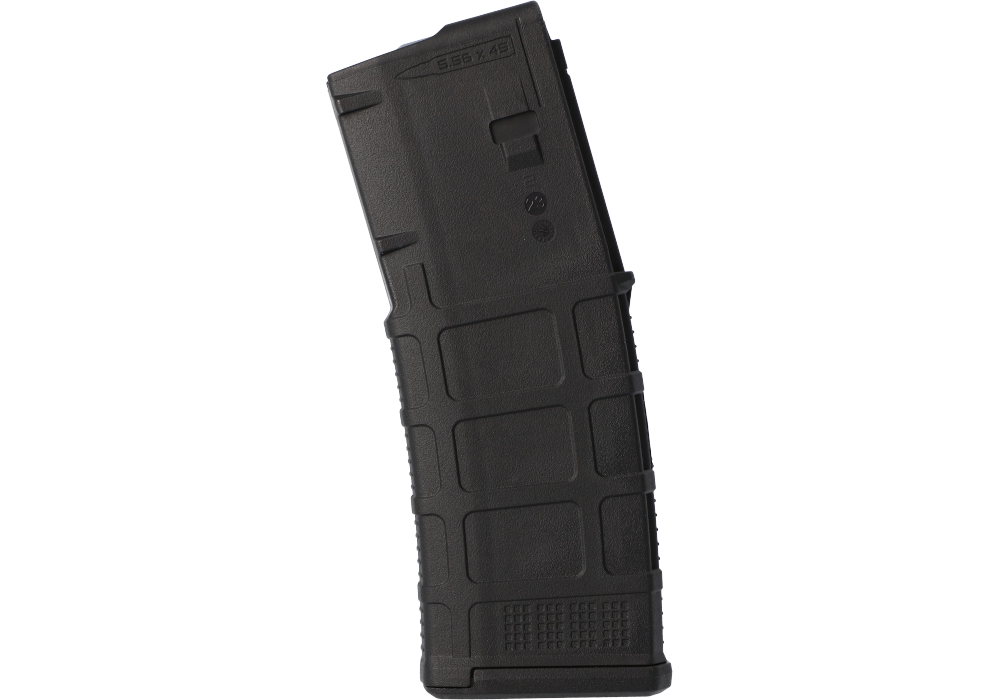
10 Rd Magazines are designed to hold up to ten cartridges and serve a range of practical needs for firearm owners, from meeting applicable capacity restrictions to making a rifle or pistol easier to handle in specific shooting positions. A 10-round magazine can be a sensible choice for range practice, training, hunting, competition, collection maintenance, or everyday organization, depending on the firearm and local regulations. Before selecting a magazine, confirm the exact firearm model, caliber, generation, and magazine pattern it supports. Compatibility details can vary even among firearms that appear similar, and a magazine intended for one platform may not lock in, feed correctly, or function safely in another. Pay attention to construction as well. Polymer magazines are often valued for their light weight, corrosion resistance, and textured surfaces, while metal magazines may appeal to users who prefer a more traditional feel and rigid body. Feed lips, the follower, spring, baseplate, and locking notch all contribute to reliable performance, so a well-matched magazine should be inspected for clean molding or stamping, smooth movement, and secure retention. A 10-round magazine may be especially useful where state or local law limits magazine capacity, but regulations can differ by jurisdiction and may change over time. Buyers are responsible for understanding the rules that apply to possession, purchase, transport, and use in their area, including any restrictions involving detachable magazines or particular firearm configurations.
For prone shooting, bench shooting, or use with a bipod, a 10-round magazine can provide a lower profile beneath the firearm than a longer magazine, helping reduce contact with the ground, a shooting mat, or other equipment. That compact shape can make it easier to settle into a stable position without the magazine pressing into the surface or limiting movement. Hunters may appreciate the reduced bulk and lighter load when moving through wooded trails, climbing uneven ground, or carrying a rifle over longer distances during the cooler months. A shorter magazine can also be more comfortable when a firearm is stored in a case, positioned inside a pack, or carried close to the body, although safe transport practices and all applicable laws should always take priority. Some 10-round magazines use a compact body, while others retain the exterior dimensions of a longer magazine and limit internal capacity to ten cartridges. The latter style may fit existing magazine pouches or offer a familiar grip and handling profile, but it should be selected only when it is specifically compatible with the firearm and legal in the intended area. Keeping more than one magazine can simplify range sessions and reduce interruptions for loading, while clearly marking magazines by caliber or firearm can help prevent mix-ups on a busy bench. Store magazines unloaded when appropriate, away from excessive heat and moisture, and inspect them periodically for dirt, damaged feed lips, weakened springs, or cracked bodies. A quick function check with inert training ammunition or under the direction of a qualified professional can help identify a problem before live use; any magazine that causes repeated feeding issues should be removed from service until it has been evaluated.
A 10 Rd Magazine can also be a practical gift for a knowledgeable firearm owner, particularly when the recipient already has a well-established range setup and knows the exact firearm and caliber they use. Unlike a general accessory, a magazine must match a specific platform, so gift buyers should verify the model discreetly or provide a gift card when compatibility is uncertain. It is also important to account for age requirements, transfer rules, shipping restrictions, and local capacity laws before purchasing one for another person. For owners who train regularly, a spare magazine can support a more organized practice routine, while a hunter may value a compact option that keeps equipment streamlined in the field. A magazine pouch, protective storage case, or labeling system can complement the purchase without changing the central requirement for a precise fit. During the transition between warmer range days and cooler outdoor conditions, inspect magazines after exposure to dust, rain, mud, or condensation and allow them to dry fully before storage. Buyers comparing options should consider capacity, overall dimensions, material, weight, follower design, spring quality, baseplate style, finish, and the availability of replacement components. Some shooters prefer a standard-capacity body for a compact profile, while others choose an extended-capacity exterior that remains limited to ten cartridges for equipment compatibility; neither style is automatically right for every firearm or application. For those who need a different size for a lawful use, browse 30 Rd Magazines while confirming that the selected magazine is permitted and compatible. Careful matching, responsible storage, and regular inspection help make a 10-round magazine a dependable part of a well-maintained firearm system.