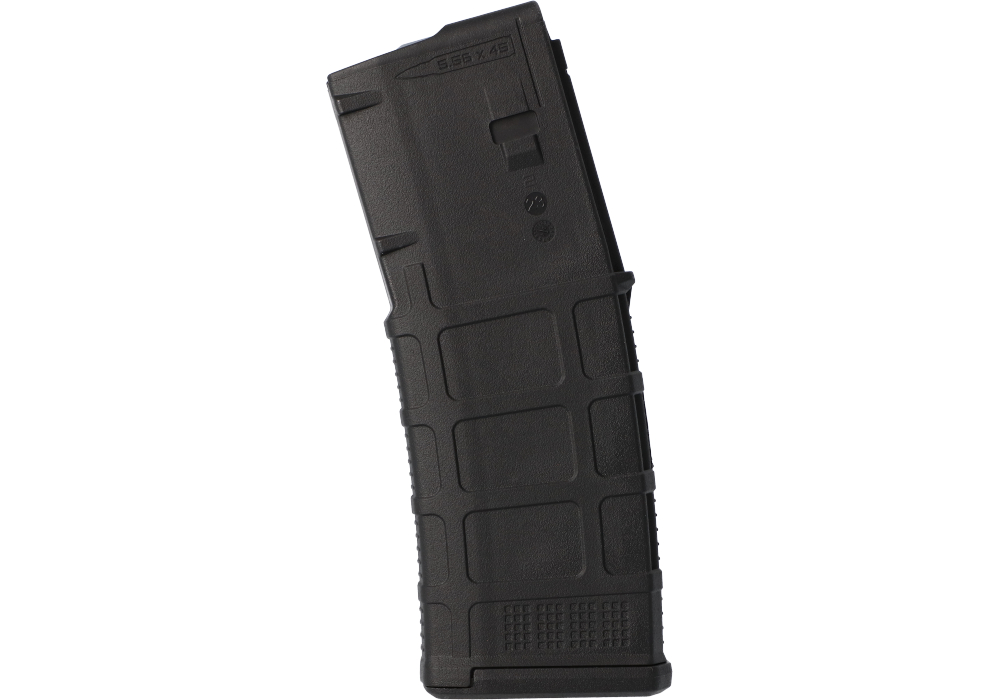
15 Rd Magazines are firearm magazines designed to hold up to 15 cartridges, offering a practical balance between ammunition capacity, overall size, and handling characteristics. They are commonly selected for compact and full-size handguns, as well as certain rifle platforms that use a standard 15-round magazine configuration. For concealed-carry pistols, a flush-fit 15-round magazine can preserve a streamlined profile while providing more ammunition than a shorter factory magazine, while an extended magazine may add grip length for shooters who prefer a fuller hand position. On a rifle, a 15-round magazine may be chosen for its manageable dimensions, bench or range use, hunting regulations, or compliance with local magazine-capacity requirements. Some restricted-capacity magazines use a longer magazine body with an internal block that limits the magazine to 15 rounds, often described as a 15/30 configuration. The external shape can resemble a larger standard magazine, but the internal capacity is limited and should be verified before purchase. Because firearm designs vary considerably, a 15-round magazine is not universally interchangeable: the firearm model, caliber, magazine catch location, feed-lip geometry, baseplate design, and intended platform all matter. The most dependable starting point is the firearm manufacturer’s specifications and the exact model marking on the firearm. Confirm that the magazine is chambered for the same cartridge, designed for the correct platform, and approved for use with that particular generation or configuration. A magazine that appears similar may still fail to lock in place, feed reliably, drop free, or function correctly with the firearm.
When comparing 15 Rd Magazines, look closely at construction, fit, capacity markings, and the details that affect everyday handling. Factory-style steel magazines are often valued for their rigid construction and consistent dimensions, while polymer components can reduce weight and may offer a textured surface that is comfortable during changes. Many magazines combine materials, using a metal body with a polymer follower, baseplate, or coating intended to support smooth operation and corrosion resistance. The follower should travel freely without binding, and the spring should provide consistent tension from the first round through the final round. A removable baseplate can make inspection and cleaning easier, particularly for owners who train regularly or carry a firearm in warm, humid, dusty, or wet conditions. For concealed carry, consider how the magazine baseplate interacts with clothing, a holster, and the grip of the firearm; a slightly extended base may make reloads easier to control but can also affect concealment. For range use, a visible witness hole or clear capacity marking can simplify round counts during practice. For home storage or transport, secure organization helps prevent magazines from being damaged or mixed with incompatible ammunition. It is also wise to check local and state regulations before ordering, since magazine restrictions can vary by jurisdiction and may change over time. Where a 15-round limit applies, select a magazine specifically configured and marked for that requirement rather than attempting to modify a standard magazine without professional guidance. Shooters who need a different format for a particular firearm may also want to review 30 Rd Magazines, provided that the larger configuration is lawful and compatible with their platform.
A 15-round magazine can be useful for new firearm owners building a basic equipment setup, experienced shooters replacing worn components, or families organizing compliant equipment for training and secure storage. It can also be a thoughtful gift for a qualified firearm owner when the exact firearm model, caliber, and legal requirements are known; a magazine is highly platform-specific, so confirming those details discreetly is more useful than choosing based on appearance alone. At the range, keeping several compatible magazines prepared can reduce interruptions between drills and leave more time for safe loading, stance work, sight alignment, and controlled practice. For defensive firearm owners, magazines should be stored and handled according to the firearm maker’s instructions, with ammunition kept in suitable condition and the firearm secured from unauthorized access. Regular inspection is straightforward: check for cracks, dents, damaged feed lips, weakened springs, distorted followers, loose baseplates, or corrosion, and replace any component that shows damage or causes feeding concerns. Avoid forcing a magazine into a firearm, overloading beyond its stated capacity, or relying on a magazine that has not been tested for proper fit and function. During a supervised function check, verify that it seats securely, locks the action open when appropriate, and feeds the correct ammunition without unusual resistance. Magazine maintenance does not replace safe firearm handling; keep the firearm pointed in a safe direction, keep the trigger untouched until ready to fire, and follow all applicable storage and transport laws. Whether selected for concealed carry, range training, hunting where permitted, or a capacity-compliant rifle setup, the right 15-round magazine should provide a secure fit, dependable feeding, durable construction, and a clear match to the firearm for which it is intended.