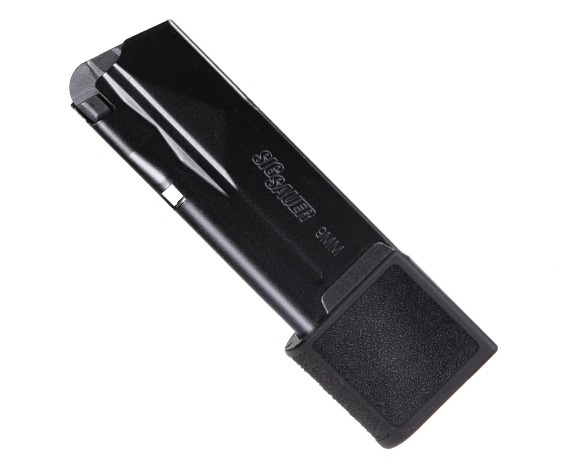
15-round pistol magazines are detachable handgun magazines designed to hold 15 cartridges for a compatible pistol. The round count describes the magazine itself, not any cartridge in the chamber, and it does not establish compatibility on its own. Caliber, pistol model, frame dimensions, and generation all help determine whether a magazine belongs with a particular handgun. Two magazines can share the same round count and look similar across a workbench while having different body dimensions, locking features, or feed geometry. That makes the stated fit more important than appearance when choosing a replacement or an additional magazine. For handgun owners building a consistent range setup, a correctly matched magazine supports familiar handling without introducing an unfamiliar grip shape or baseplate profile. Fit also influences how the magazine sits beneath the frame. A flush-fitting design follows the bottom of the grip closely, while an extended design projects farther below it and may provide additional room for the hand. Neither description guarantees suitability for another pistol, even within a related model family. Grip modules, magazine wells, sleeves, and baseplates can affect the relationship between the magazine and the handgun. A sleeve can smooth the transition between a longer magazine and a shorter grip, but it does not establish mechanical compatibility by itself. The most useful product information identifies the intended pistol, chambering, and any relevant fit restrictions clearly. For someone replacing a familiar magazine, matching those details helps preserve the feel of an established setup. For someone assembling a separate range kit, the same attention to fit keeps accessories consistent across practice sessions. A 15-round magazine can serve as a primary magazine, a spare, or a dedicated practice accessory where permitted by law. Its value comes from the complete match between magazine and pistol, not simply the number printed in the description. That distinction matters especially when similar-looking handguns use different magazine patterns or when changes between generations affect fit.
Materials and construction influence how a pistol magazine feels in the hand, tolerates routine handling, and responds to long-term use. Depending on the design, magazine bodies may use steel, polymer, or a combination of materials, with each construction relying on its own dimensions and supporting components. Steel bodies can provide rigidity with relatively thin walls, while polymer construction can incorporate exterior texture and protective contours. Surface treatments and finishes may help resist corrosion and everyday wear, although no finish eliminates the need for appropriate care. Inside the body, the follower and spring work together to support cartridge presentation; at the top, the feed lips help control cartridge position. At the bottom, the floorplate closes the assembly and provides a contact surface during handling. These parts function as a system, so a change to one component can affect more than its appearance. A larger baseplate, for example, can alter the magazine’s overall length, its relationship to the grip, or its fit in a magazine pouch. Factory configuration and documented compatibility provide a clearer basis for selection than assumptions about interchangeable parts. Durability also involves more than a clean exterior. Range bags collect lint, benches carry dust, and repeated handling can leave residue around seams and textured surfaces. Routine care follows the manufacturer’s instructions and uses cleaning products appropriate for the magazine’s materials and finish. Excess lubricant can attract debris, while unsuitable solvents may affect certain components. Visible damage, unusual wear, corrosion, or a change in function deserves attention rather than being treated as a cosmetic issue. A magazine with a cracked body, distorted opening, or damaged floorplate should be evaluated according to the manufacturer’s guidance before further use. For owners who rotate several magazines through regular practice, simple identification marks and a record of service history can help distinguish individual accessories without confusing similar examples. Consistent care is less about keeping equipment showroom-clean than keeping its condition understandable over time.
The intended use of a 15-round handgun magazine often shapes the details that matter most to its owner. At the range, a consistent baseplate shape and familiar grip interface can help keep attention on supervised practice rather than on differences between accessories. For an organized equipment bag, exterior dimensions matter because magazine pouches and storage compartments are not universally sized. A pouch that suits one magazine pattern may hold another poorly, even when both magazines carry the same number of cartridges. Owners who maintain separate practice and carry equipment may also value clear identification and a straightforward maintenance routine. In each setting, reliability is an expectation to evaluate with the compatible firearm under appropriate range conditions, not a promise established by material, finish, or round count alone. Product descriptions are most helpful when they distinguish confirmed fit from general resemblance and explain whether a baseplate sits flush or extends beneath the grip. Readers comparing a different round count can also explore 12rd Magazines for Tactical Pistols, while treating compatibility as a separate requirement for every magazine. A smaller stated round count does not necessarily mean a shorter magazine body, just as a longer exterior does not automatically indicate a particular fit. As a gift for an adult handgun owner, a magazine is a practical accessory only when the recipient’s exact pistol details and local restrictions are known. A shared interest in range practice is not enough to establish the correct match, and a familiar-looking grip is not a substitute for the model designation. Laws concerning magazine possession, purchase, and transport vary by jurisdiction, so the applicable rules remain part of responsible ownership. Secure storage also matters, particularly in homes where children or unauthorized individuals could gain access. Thoughtful selection brings these considerations together: documented compatibility, suitable construction, comfortable fit, realistic care expectations, and lawful intended use. Those fundamentals give 15-round pistol magazines their practical place among handgun accessories, whether the purpose is replacing a worn example or maintaining a clearly organized set of spares.