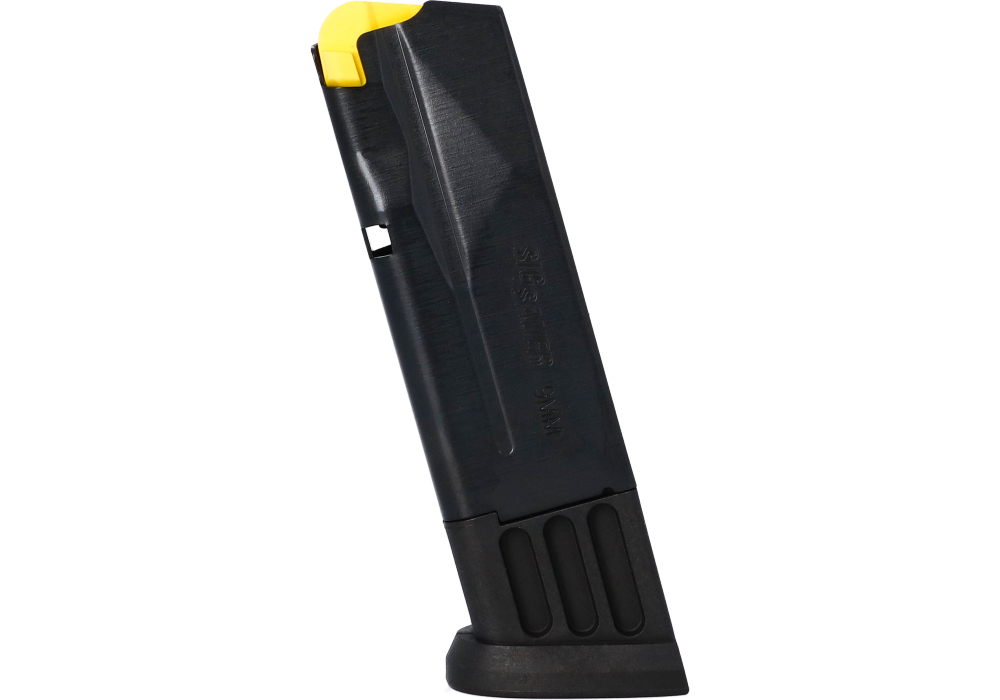
For shoppers comparing 12rd Magazines for Tactical Pistols, the most important first step is confirming exact compatibility with the pistol’s make, model, caliber, and generation. A 12-round magazine may look similar to another compact magazine, yet small differences in feed-lip geometry, locking-notch placement, follower shape, or baseplate design can affect fit and function. Check the pistol manufacturer’s specifications and the magazine listing carefully, especially when shopping for a subcompact, compact, or modular pistol. Some magazines sit flush with the grip, while others include a small pinky rest or extended baseplate for a fuller purchase. A flush-fit design can help preserve a low-profile carry setup, while a slightly extended design may feel more comfortable during practice sessions. It is also useful to confirm whether the magazine is intended for a particular frame size, slide configuration, or caliber variant rather than assuming that all magazines within one product family interchange. When a pistol has interchangeable grip modules or multiple frame sizes, the correct 12-round magazine can provide a practical balance between a compact profile and additional rounds on board. Shoppers should also review local regulations before ordering, since magazine rules vary by state and municipality. For a defensive setup, select magazines from a dependable source, inspect them when they arrive, and follow the pistol and magazine manufacturer’s handling guidance.
Material and construction are other useful points of comparison. Metal-bodied magazines are often valued for their rigid feel and traditional construction, while polymer-bodied options may offer a lighter feel and resistance to surface wear. Finish, spring quality, follower design, witness holes, and baseplate construction all contribute to the overall experience. A translucent body or visible witness marks can make it easier to verify the approximate number of rounds remaining during a range session, while numbered witness holes provide a quick visual reference without requiring the magazine to be removed from the pistol. For concealed carry, look closely at the baseplate and grip relationship. A smooth, rounded baseplate may reduce snag points against clothing, while a textured or extended base can provide more leverage when removing the magazine or establishing a consistent grip. For duty or home-defense storage, shoppers may prioritize secure retention, corrosion resistance, and dependable spring tension. For training, several matching magazines can simplify practice by reducing interruptions between drills. Keep each magazine clearly associated with its intended pistol, particularly when multiple firearms use similar calibers or magazine shapes. Before relying on any new magazine, examine it for cracks, burrs, loose components, or unusual resistance during insertion. Use the ammunition type recommended for the pistol, load carefully, and verify that the magazine locks securely in place and feeds correctly during supervised range testing. Regular inspection and cleaning help identify worn springs, damaged followers, or debris before those issues interfere with practice.
A 12-round magazine can be a thoughtful gift for a pistol owner who already knows the exact model and caliber they use. It is best suited to someone who values practical range equipment, keeps a dedicated training setup, or wants a spare magazine for organized storage and practice. A gift card or a conversation about the recipient’s pistol model may be preferable to guessing, since even closely related pistols can require different magazines. During the cooler months, when many shooters spend more time at indoor ranges or prepare equipment for structured training, an additional magazine can help keep sessions focused and efficient. At the range, a shooter can keep one magazine loaded for a controlled drill while another is ready for the next exercise, reducing handling between repetitions and supporting a steady rhythm of practice. For those assembling a compact everyday-carry system, the magazine’s dimensions, baseplate profile, and interaction with the chosen holster deserve the same attention as the pistol itself. For those building a home-defense or duty-oriented kit, secure storage, routine inspection, and familiarity with the equipment matter more than appearance alone. Some shoppers may also be comparing this size with longer options; the Pistol 15rd Magazines collection offers another round-count category to review when grip length, concealment, and intended use point in a different direction. Whichever configuration fits the pistol and the owner’s needs, careful selection, responsible storage, safe handling, and regular supervised practice remain central to getting useful service from a 12-round tactical pistol magazine.