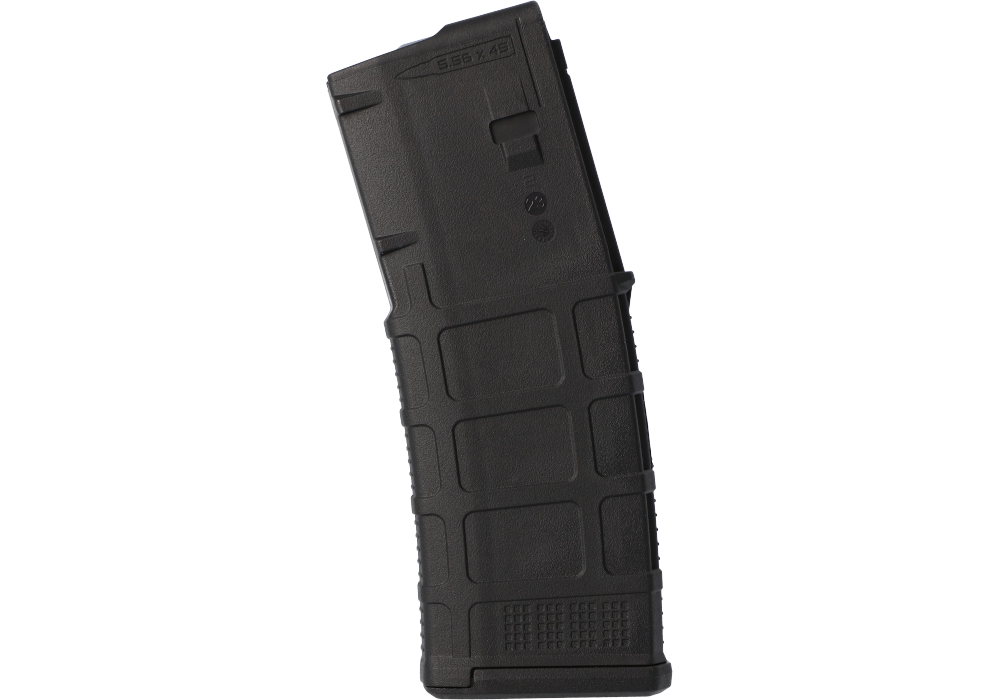
A 20-round magazine is a detachable firearm magazine designed to hold up to 20 cartridges of a specified caliber. Often associated with rifles, this format offers a practical balance between ammunition carried and the space a magazine occupies beneath the firearm. Its dimensions depend on the cartridge and firearm platform, so the round count alone does not establish size, shape, or compatibility. For compatible rifles, a 20-round magazine often has a shorter profile than a comparable 30-round version, a difference that can be especially noticeable at a shooting bench. With the rifle resting on a sandbag or supported by a bipod, a shorter magazine can leave more clearance between the firearm and the supporting surface. That extra room may help keep the magazine from contacting the bench or ground, although the actual clearance depends on the rifle, magazine design, and support height. The same proportions can suit recreational target shooting, supervised range practice, and organized shooting activities where equipment dimensions matter. A shorter magazine can also occupy less space in a range bag or accessory compartment, provided the compartment accommodates its width and shape. For shooters whose ammunition comes in 20-cartridge boxes, the matching count offers a straightforward way to organize ammunition for a range visit, though ammunition packaging varies by caliber and manufacturer. These practical details explain the appeal of 20 rd magazines without suggesting that one format suits every firearm or every outing. Someone spending an afternoon shooting paper targets from a bench may value clearance and manageable dimensions, while another shooter may prioritize compatibility with existing magazine pouches. Those comparing magazine profiles can also explore 30-round magazines, keeping firearm fit and applicable legal restrictions central to the comparison. The useful distinction is not simply the number of cartridges a magazine holds, but how its overall dimensions suit the intended firearm, storage arrangement, and lawful shooting activity.
Materials and construction influence a magazine’s weight, feel, resistance to wear, and maintenance needs. Common magazine body materials include aluminum, steel, and reinforced polymer, with each bringing different characteristics rather than a universal advantage. Aluminum bodies are generally light and may use protective finishes to resist corrosion and surface wear. Steel bodies can provide rigidity and durable contact surfaces, although their weight and corrosion resistance depend on the particular construction and finish. Reinforced polymer bodies resist rust, but their long-term condition still depends on material quality, handling, and exposure to cleaning chemicals. Body thickness and external contours also vary, so magazines with the same round count may feel quite different in the hand or fit differently in an accessory pouch. Textured surfaces can provide a more secure grip during ordinary handling, while smooth surfaces may slide more easily into appropriately sized storage compartments. Inside the body, the spring and follower support the cartridge stack, and the feed lips retain cartridges at the top. These components function together, making overall construction more meaningful than any single feature. Some designs include followers intended to limit tilting, removable floorplates for manufacturer-approved maintenance, or viewing features that help show the contents; none of those details should be assumed from the 20-round designation alone. Fit deserves equally close attention. A magazine must match the firearm’s specified platform, caliber, and any model or generation requirements identified by the manufacturer. Similar-looking magazines are not necessarily interchangeable, and a shared cartridge designation does not guarantee that the body, catch location, or feeding geometry will suit a particular firearm. Manufacturer compatibility information is a better basis for selection than appearance or a general description such as “rifle magazine.” The floorplate also contributes to the overall footprint, particularly when a magazine is stored in a fitted case or pouch. For a collection of range equipment that is already organized around certain dimensions, checking these details can prevent a seemingly minor accessory change from creating an awkward fit.
Care and storage help preserve the condition of 20-round magazines over repeated range visits. Dust, grit, residue, and moisture can collect on exterior surfaces or inside the body, particularly when equipment shares a bag with used range gear. Maintenance should follow the magazine manufacturer’s directions, including any limits on disassembly, cleaning products, or lubrication. More lubricant is not automatically better; unnecessary oil can attract debris, and some materials or finishes require particular cleaning precautions. Routine attention to the body, feed lips, floorplate, and visible components can reveal cracks, deformation, corrosion, or other wear that deserves evaluation before further use. A magazine with damage or recurring functional problems should be taken out of use and assessed according to manufacturer guidance rather than treated as a dependable spare. Dry, secure storage protects equipment from unnecessary exposure and helps keep magazines separated from loose tools or abrasive objects. Dedicated compartments can also keep compatible magazines organized without relying on memory to distinguish similar shapes. For households with multiple firearms, clear identification and consistent storage arrangements are especially useful because outward resemblance can conceal important differences in fit. These considerations matter to occasional range visitors as well as regular recreational shooters: an accessory used only a few times a year still benefits from inspection and appropriate care. A compatible magazine may also be a practical gift for an adult firearm owner when the recipient’s exact firearm specifications and legal eligibility are known. Guessing based on a photograph or a general caliber description is not a reliable substitute for confirmed compatibility. Laws governing magazine possession, purchase, transfer, transportation, and use vary by jurisdiction, and range rules or hunting regulations may impose additional limits. A 20-round designation does not by itself establish that a magazine is permitted for every activity or location. With compatibility, construction, dimensions, and care considered together, this magazine format can suit shooters who value a relatively compact rifle accessory and a well-organized range setup. Its appeal rests in those everyday details: room above a bench surface, a sensible fit in the gear bag, and construction appropriate to the firearm it is intended to serve.