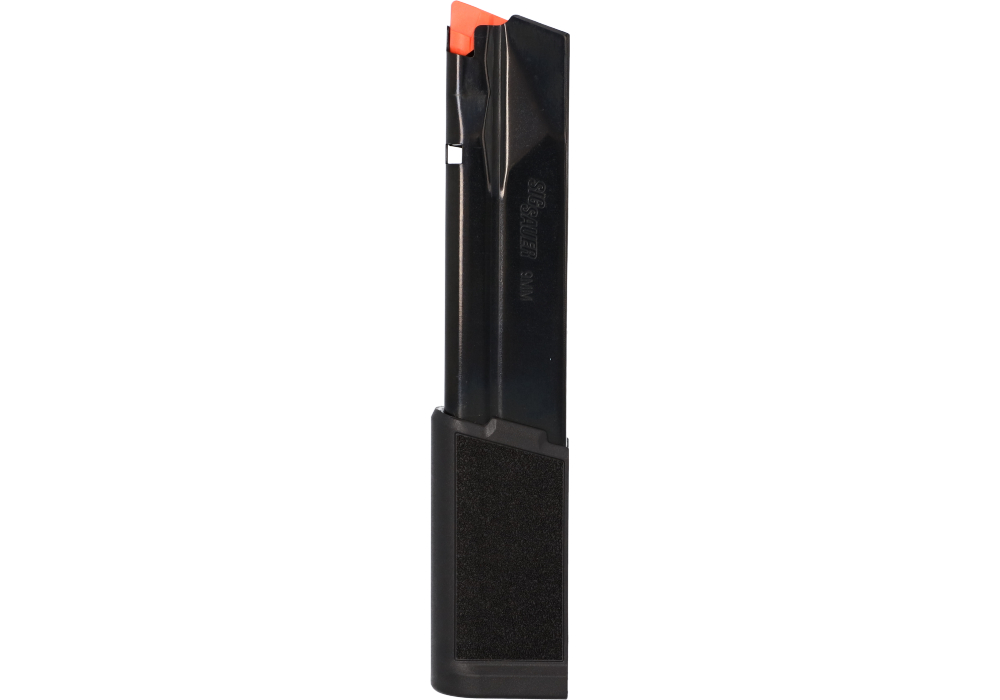
Black 20rd magazines offer a practical balance of usable ammunition capacity, compact handling, and a clean, understated appearance across a wide range of firearm platforms. While a 20-round magazine is commonly associated with AR-15-style rifles chambered in 5.56 NATO or .223 Remington, compatible options are also available for certain .300 Blackout platforms, AR-10 and LR-308-style rifles chambered in .308 Winchester or 7.62x51 NATO, and select pistol-caliber carbines or handguns designed to accept extended magazines. Compatibility is the first consideration: a magazine must match the firearm’s model, cartridge, magazine well, and feeding geometry. Caliber markings alone are not always enough, particularly when comparing rifles with similar receiver dimensions or cartridges that share a common case design. Review the firearm manufacturer’s specifications before purchasing, and confirm whether the magazine is intended for a particular generation, feed-lip configuration, or platform pattern. The black finish is popular for its subdued appearance and its ability to blend naturally with a wide range of rifles, pistols, gear, and storage systems. For many shooters, the 20-round format is also easier to handle from a bench, shooting bag, or supported position than a longer magazine, while still providing useful reserve ammunition for training, competition, recreational shooting, or lawful defensive preparation. A shorter profile can reduce contact with the ground or barricade when shooting from prone or other low positions, and it may be more convenient when transporting a firearm in a case or organizing loaded magazines in a range bag.
Construction plays an important role in how a black 20rd magazine feels and performs over time. Aluminum magazines are valued for their light weight and familiar traditional profile, making them a sensible choice for shooters who carry several loaded magazines or prefer a slimmer body. Polymer magazines generally offer a textured surface, rounded edges, and resistance to dents, which can be helpful when magazines are handled frequently around benches, vehicles, or training equipment. Steel options may appeal to users who prioritize a rigid body and substantial feel, particularly in platforms or calibers where steel magazines are a common design choice. Regardless of material, look for a properly shaped magazine body, secure feed lips, a spring that returns the follower consistently, and a follower designed to resist tipping as cartridges are presented to the chamber. Witness holes or numbered markings can make ammunition checks faster, while a removable floorplate simplifies cleaning and inspection. A strong baseplate can protect the lower portion of the magazine when it is set down or used during a magazine change, and textured panels or ribs can improve grip when hands are wet, gloved, or cold during the cooler months. Before relying on any magazine, inspect it for cracks, bent feed lips, damaged locking surfaces, or unusual drag on the follower. Load it gradually, verify that it seats and drops free as intended, and test it with the exact firearm and ammunition combination you plan to use. A magazine that fits one firearm in a product family may not be suitable for every related model, and ammunition profiles can influence feeding even when the caliber designation appears correct. Rotating magazines during range use, keeping them free of excess oil and debris, and storing them unloaded or loaded according to the manufacturer’s guidance can help preserve springs, feed lips, and internal components.
A black 20rd magazine can be a useful addition for new and experienced firearm owners alike, whether it is purchased as a replacement, added to a training setup, or kept as a spare for a compatible rifle or handgun. New owners may appreciate the manageable dimensions and straightforward handling, while experienced shooters often keep several magazines labeled for specific platforms, ammunition types, or training purposes. They can also make a thoughtful gift for a firearm enthusiast when the recipient’s exact firearm and caliber are known, although a magazine should never be selected solely by appearance or round count. Confirming the model, cartridge, magazine pattern, and any applicable state or local restrictions is essential before giving or receiving one. Some jurisdictions regulate magazine capacity, feature requirements, transfers, or possession, and laws can change; buyers are responsible for understanding and following all applicable requirements. For a broader selection organized around this format, browse 20 Rd Magazines. Once a compatible magazine is selected, mark it with a simple identifier if multiple platforms are stored together, and periodically check the body, spring, follower, and baseplate before use. Keep magazines protected from prolonged moisture, excessive heat, and loose grit, especially when they travel between a vehicle, range bag, and storage cabinet as seasons change. A careful fit check, clean maintenance routine, and realistic understanding of the magazine’s intended platform help ensure that a black 20rd magazine remains a dependable part of a well-organized setup.