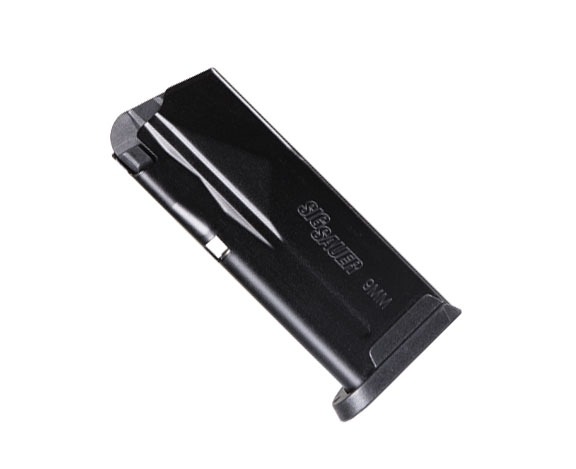
9mm compact magazines are detachable ammunition magazines designed to fit compatible 9mm handguns with shorter grip frames, balancing a compact profile with the number of rounds the magazine holds. Their defining feature is fit: the magazine body, locking notch, feed lips, follower, and base plate must work with the intended firearm. A shared caliber designation does not make magazines interchangeable, and even handguns within the same family can require different magazine lengths or configurations. The exact handgun model, grip configuration, and manufacturer’s compatibility information are more useful than appearance alone when comparing options. Cartridge designation matters as well; a magazine intended for 9mm Luger should match the ammunition specification listed for the firearm. For compact pistols, the relationship between the magazine and the bottom of the grip is especially noticeable. A flush-fitting base plate generally keeps the grip outline shorter, while an extended base plate may provide additional room for the little finger or accompany a longer magazine body. Those differences can influence how the handgun feels in the hand and how much space it occupies in a compatible holster setup. An extension does not necessarily mean the magazine holds more rounds, so grip length and round count deserve separate consideration. A shooter who prefers a shorter grip for lawful concealed carry may value a low-profile base plate, while someone whose little finger rests below the grip may appreciate additional support. Neither arrangement is universally better; hand size, firearm fit, intended use, and verified compatibility shape the choice. A longer magazine should not be assumed to fit or function correctly simply because it enters the magazine well. Correct seating, appropriate base-plate clearance, and the intended locking position all matter. The most useful comparisons therefore connect the magazine’s dimensions and stated round count to a specific compatible firearm, rather than treating “compact” as a universal size. That attention to fit helps distinguish a suitable magazine from one that merely looks similar in a photograph.
Materials and construction contribute to how a compact handgun magazine feels, wears, and performs over repeated use. Depending on the design, magazine bodies may use steel, polymer, or a combination of materials, with finishes and surface treatments that help protect exposed components. Steel bodies can provide rigidity in a relatively slim profile, while polymer components can offer low weight and resistance to surface corrosion. Neither material alone establishes quality or suitability; dimensional consistency, component design, and compatibility with the firearm remain central. Feed lips control the position of the uppermost cartridge, the follower supports the ammunition stack, and the spring supplies the force that moves cartridges upward. The base plate closes the bottom of the magazine and may also form part of the gripping surface. These parts work together, so a visibly bent body, damaged feed lip, cracked base plate, or sluggish follower deserves attention rather than being dismissed as cosmetic wear. Witness holes or other round-count indicators, where present, can make the magazine’s contents easier to assess, although their layout varies by design. Everyday handling introduces its own demands: magazines may spend time in a range bag, a compatible belt pouch, or secure storage alongside other equipment. Grit, lint, moisture, and residue can collect around openings and moving components, which makes routine inspection and care worthwhile. Cleaning and maintenance should follow the manufacturer’s instructions, with an unloaded firearm and magazine and ammunition kept separate from the work area. Appropriate cleaning materials, restrained use of any recommended lubricant, and attention to worn components help preserve the intended fit and movement. Excess oil can attract debris, and aggressive solvents may be unsuitable for certain finishes or polymer parts. Durability is therefore partly about construction and partly about consistent care. A magazine with smooth exterior wear may still be serviceable, while subtle damage near the feeding surfaces can warrant evaluation by a qualified professional. Familiarity with the magazine’s normal condition makes changes easier to recognize.
The intended role of 9mm compact magazines often overlaps with the role of the handgun itself: lawful personal protection, supervised practice, professional instruction, or recreational target shooting. A compatible spare magazine gives a handgun owner another serviceable component for range sessions and a practical replacement when an existing magazine needs inspection or maintenance. At a training range, consistent magazine fit lets attention stay on safe handling and the instructor’s lesson rather than uncertainty about mismatched equipment. For a handgun carried lawfully, a shorter magazine profile may support a more compact overall setup, but the magazine still needs to suit the firearm, the holster arrangement, and any pouch used to hold a spare. A base plate that feels comfortable during a few minutes of handling may feel different over an extended practice session, particularly for a shooter with larger hands. Texture, edge shape, and the amount of support beneath the grip can all affect comfort without changing the magazine’s essential function. Shooters comparing compact-frame options with other carry-oriented configurations can also explore 9mm Carry Magazines, while keeping exact firearm compatibility at the center of the comparison. New handgun owners may benefit from confirming fit with a qualified instructor or gunsmith, while experienced owners often look for consistency with equipment they already know and maintain. A compatible magazine can also be a useful gift for an established handgun owner when the recipient’s exact firearm configuration and applicable legal restrictions are known; visual similarity is not enough to establish a suitable match. Local requirements concerning magazine possession and permitted round counts remain relevant regardless of the handgun’s size. Secure storage, protection from unauthorized access, and clear identification of magazines for different firearms help keep equipment organized. For a compact handgun used regularly, the strongest selection criteria are straightforward: documented compatibility, an appropriate grip profile, sound construction, and a maintenance routine suited to the design. Those qualities make the magazine a dependable part of the firearm’s overall setup rather than an accessory chosen solely by size or appearance.