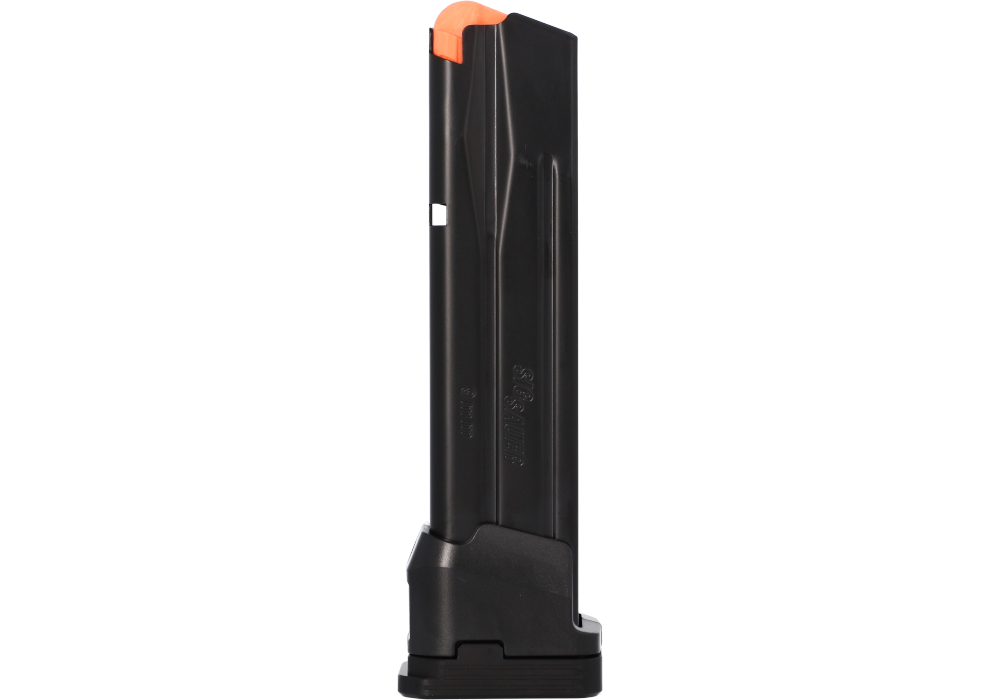
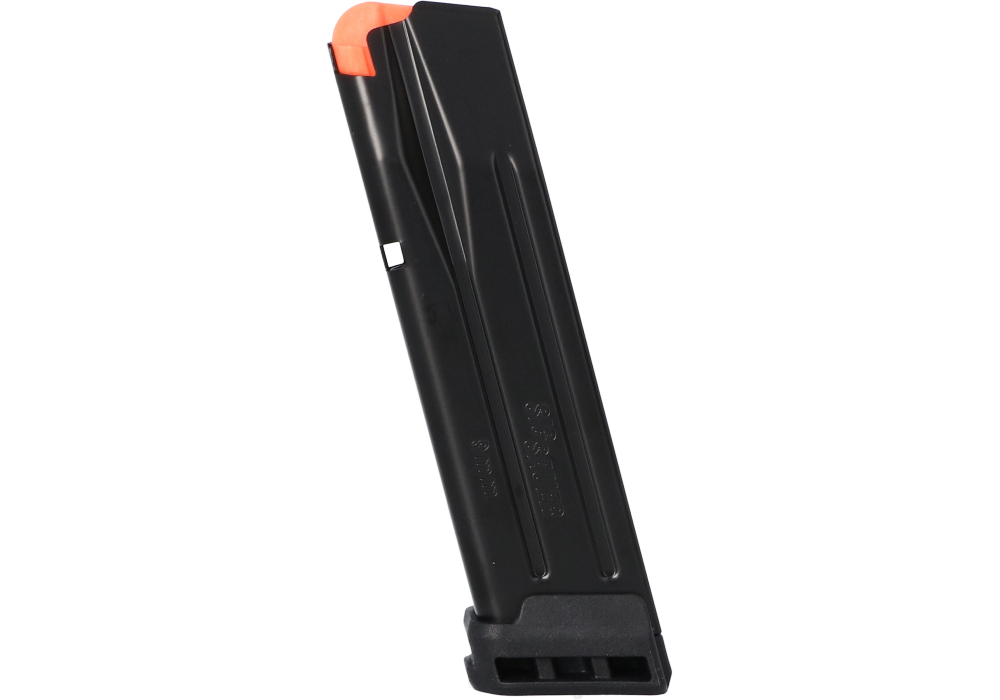
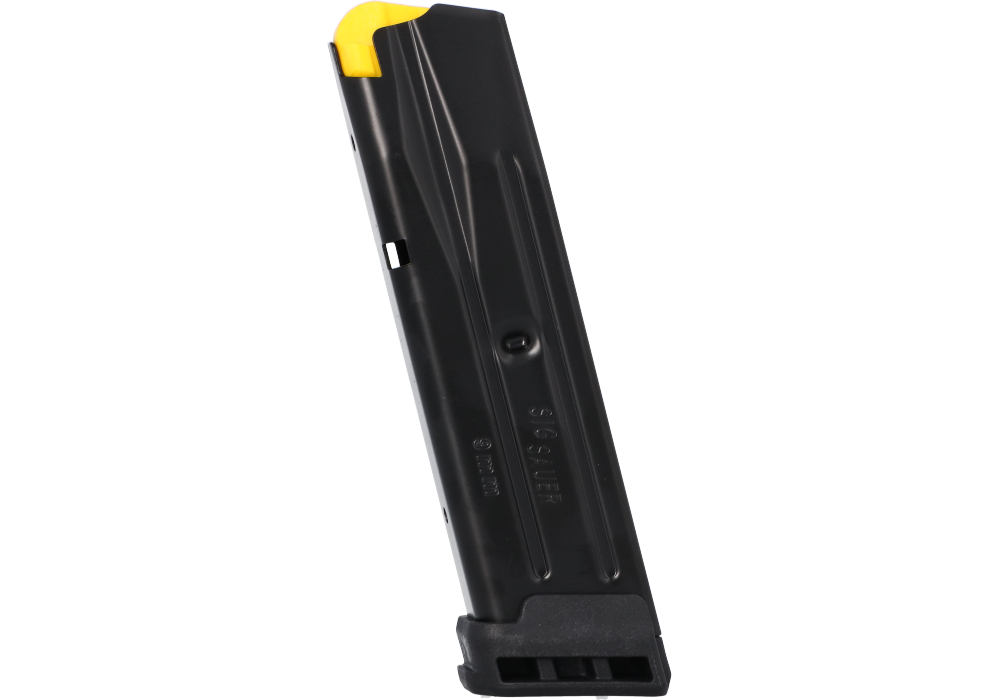
Choosing the right 9mm carry magazine is an important part of assembling dependable everyday carry equipment. A magazine has a direct role in feeding cartridges into the firearm, and its fit, construction, spring tension, and follower design can all affect how smoothly the pistol operates. For that reason, many responsible owners begin with a factory-original magazine made for the exact firearm model and configuration they use. Factory magazines are designed around the pistol’s feed geometry, magazine catch, slide stop, and grip dimensions, making them a practical starting point for concealed carry and training. Compatibility should always be confirmed before purchase, including the specific model, generation, frame size, caliber, and magazine release arrangement. A magazine intended for one 9mm pistol may not fit another, even when both firearms appear similar. It is also worth checking local laws and any applicable restrictions involving magazine dimensions or round limits before placing an order. For those carrying a compact or micro-compact pistol, flush-fit magazines typically keep the grip shorter and help reduce printing beneath a cover garment. That compact profile can be especially useful during warmer weather, when lighter clothing leaves less room to conceal equipment comfortably. A standard-capacity magazine may offer a balanced combination of concealment, handling, and ammunition supply, while an extended magazine can provide additional rounds and a longer gripping surface for practice, home storage, or use as a spare. The best choice depends on the firearm, the owner’s training routine, clothing, and local requirements rather than on capacity alone.
Many people purchase 9mm carry magazines as practical additions to an established setup. A concealed carrier may keep one magazine in the firearm and another secured as a spare, while a new owner may want several identical magazines so training, cleaning, and carry rotation are easier to manage. Having more than one magazine also allows an owner to keep carry equipment separate from range equipment and to identify any magazine that needs inspection or maintenance. A spare magazine can be useful during a long training session, where repeated loading and unloading may be more convenient than stopping to replenish a single magazine. It can also be a thoughtful gift for a family member or friend who already owns a compatible 9mm pistol and regularly practices safe handling, provided the exact firearm model and legal requirements are known before purchasing. Magazine fit is highly specific, so gifting an interchangeable accessory without confirming compatibility can create an avoidable inconvenience. When comparing options, look for sturdy materials, clean molding or machining, well-formed feed lips, a positive magazine catch notch, and a base plate that sits securely without excessive movement. Polymer-bodied magazines are often valued for their light weight and resistance to everyday wear, while metal components may appeal to owners who prefer a traditional feel or a slimmer profile. The spring should provide consistent upward pressure, and the follower should move smoothly without binding. A flush-fit magazine may disappear more easily beneath a shirt or jacket, whereas an extended magazine can offer a fuller grip for larger hands. Owners who alternate between warm-weather clothing and heavier layers during the cooler months may find that keeping both a compact carry option and an extended spare gives them more flexibility without changing the firearm itself. Explore related options in 9mm Subcompact Magazines when a smaller profile is a priority.
Every new carry magazine should be tested before it becomes part of a daily routine. A sensible process begins with a careful visual inspection, followed by loading and unloading by hand to check for rough edges, unusual resistance, or inconsistent follower movement. At the range, use the ammunition intended for carry as well as the practice ammunition used most often, and run several magazines through the firearm under normal handling conditions. Many experienced owners prefer to fire at least 100 rounds through a new magazine before relying on it for defensive use, watching for failures to feed, failures to lock the slide open, difficult insertion, or problems dropping free. Testing should include realistic loading levels and a variety of grip and shooting positions, while always following the firearm manufacturer’s instructions and the fundamental rules of safe gun handling. A magazine that causes repeated problems should be set aside for further inspection rather than placed back into service without identifying the cause. Routine maintenance is straightforward: remove dirt and debris, inspect the body for cracks or deformation, check the feed lips for damage, and examine the spring and follower for signs of wear or weakened tension. Avoid storing magazines fully loaded indefinitely if the manufacturer advises otherwise, and replace worn springs, followers, or base plates with compatible parts when necessary. Carry magazines are exposed to sweat, lint, dust, and repeated contact with equipment, so periodic inspection is worthwhile even when they appear clean from the outside. Store them in a dry, secure location, keep ammunition protected from moisture, and rotate magazines through training so their condition remains familiar. With the right fit, careful testing, and basic maintenance, a well-selected 9mm carry magazine can support consistent practice and help an owner keep everyday equipment organized, comfortable, and ready for responsible use.