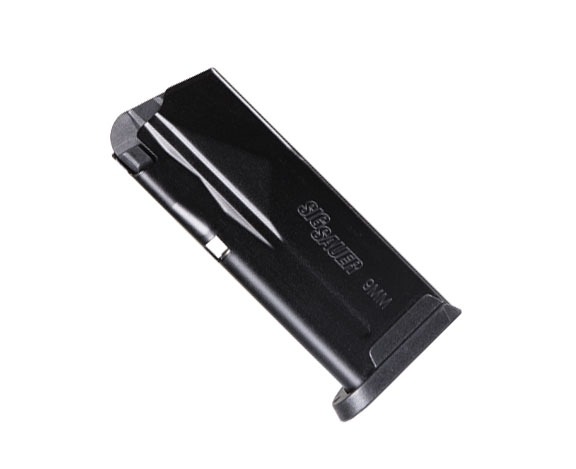
Compact pistol magazines for summer training are model-specific feeding components that balance a shorter grip profile with the demands of regular range use. Their value starts with correct fit: a magazine must match the pistol’s exact model, chambering, and any generation or configuration requirements identified by the manufacturer. Similar dimensions or a familiar-looking baseplate do not establish compatibility, and the word “compact” is not a universal sizing standard. For a shooter preparing for supervised practice or an outdoor class, that distinction matters more than appearance. A properly matched magazine should seat and function as the firearm manufacturer intends, without improvised alterations or assumptions about interchangeability. Materials are another useful point of comparison. Steel magazine bodies can provide rigid construction and wear resistance, while polymer bodies offer their own balance of weight, surface texture, and resistance to moisture. Some designs combine different materials across the body, follower, and baseplate, so the construction of the complete assembly matters more than a single material label. Protective finishes can help limit corrosion, but no finish eliminates the need for inspection and routine care. Inside the magazine, the spring and follower work together to present ammunition for feeding, while the feed lips maintain the intended alignment at the top of the body. These components rely on their original geometry and condition rather than cosmetic appeal. Baseplate shape also affects how the magazine meets the grip and how comfortably the pistol rests in the hand. A flush-fitting design preserves the pistol’s shorter outline, while differences in baseplate contour can change the feel at the bottom of the grip. For summer training, the most relevant combination is dependable compatibility, sound construction, and a grip interface that suits the pistol and its user. Matching that setup to the firearm used in class helps keep practice representative of familiar equipment, rather than introducing an unfamiliar fit on the day of instruction. Visible witness holes or other manufacturer-provided markings may also support identification, although their placement and purpose vary by design.
Summer range conditions bring a particular mix of dust, perspiration, humidity, and long stretches outdoors. A magazine resting on a sandy bench or riding loose beside other equipment can collect grit around its openings and baseplate. Moisture from hands or a damp range bag can linger against surfaces, especially when gear is packed away immediately after a session. These ordinary details make care and organization practical parts of choosing compact pistol magazines, not merely finishing touches. A dedicated pouch or divided compartment helps protect magazines from unnecessary contact with tools, loose hardware, and debris. It also makes individual magazines easier to locate without emptying an entire bag onto a crowded bench. After use, inspection should follow the manufacturer’s recommendations, with attention to visible damage, unusual wear, corrosion, and contamination. Dents in a metal body, cracks in a polymer component, or a visibly distorted opening deserve evaluation rather than guesswork. A magazine associated with recurring feeding problems should be set aside for assessment by the manufacturer or a qualified professional instead of being returned to the same practice rotation without investigation. Cleaning methods, acceptable solvents, lubrication requirements, and any disassembly procedures depend on the design; more oil is not automatically better, particularly around dust and fine grit. Manufacturer instructions remain the right reference for maintenance, and springs or other internal parts should not be stretched, bent, or altered in an attempt to correct a problem. Heat deserves similar attention. A closed vehicle and an exposed range bench can present very different storage conditions, so magazines and ammunition should remain within their manufacturers’ stated limits and away from prolonged exposure to direct sunlight. Once equipment is clean and dry, secure storage helps preserve its condition between outings. Ammunition and firearms require their own appropriate storage arrangements, with access restricted from children and unauthorized users. For repeated summer sessions, durability is best understood as the combination of suitable materials, protective handling, and consistent care—not a promise that any magazine can tolerate unlimited neglect.
Compact pistol magazines suit a range of lawful sporting and training settings, from a newer owner’s first instructor-led class to an experienced target shooter’s regular practice schedule. Having the number of compatible magazines requested by a course organizer can help a participant arrive prepared without relying on borrowed equipment that may not fit. The course equipment list is especially useful because range rules, ammunition requirements, and permitted accessories can differ from one venue to another. Consistency also has practical value: magazines with matching grip interfaces and clearly understood compatibility are easier to organize than a bag of visually similar components intended for several different pistols. Manufacturer markings, original packaging, or a simple equipment record can help distinguish otherwise similar magazines without altering functional surfaces. At a shared bench, keeping personal equipment separate reduces confusion and makes end-of-session checks less frustrating. Those same considerations carry over to Compact Pistol Magazines for Summer Events, particularly when a scheduled class or group range visit calls for equipment that is easy to identify and keep organized. The emphasis remains on suitable fit and responsible use rather than appearance alone. As a gift for a responsible adult who enjoys target shooting, a compatible magazine can be a practical addition to an established range setup, but exact firearm details and applicable legal restrictions need confirmation before selection. Guessing from a photograph or choosing solely by overall size can result in an unsuitable match. For personal use, the same care pays off across the training season: verify the intended application, consider how the magazine’s construction fits expected range conditions, and account for maintenance and storage alongside time at the firing line. A compact format is useful only when it belongs to the correct firearm system and remains in serviceable condition. That combination gives summer practice a dependable equipment foundation, whether the occasion is a quiet supervised range visit, a structured lesson, or a full day of scheduled target shooting.