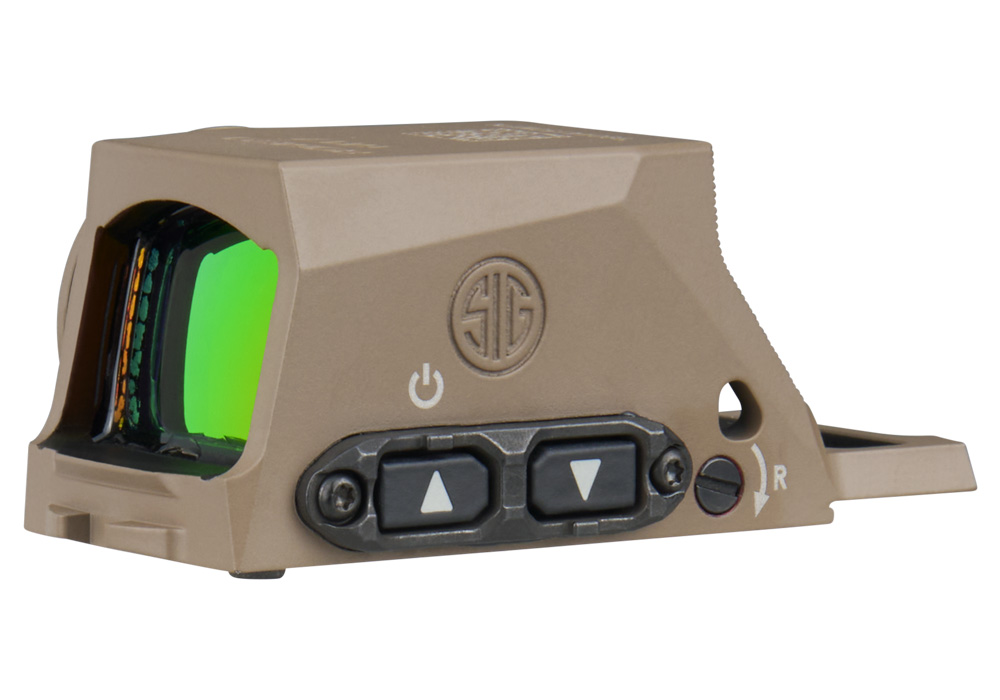
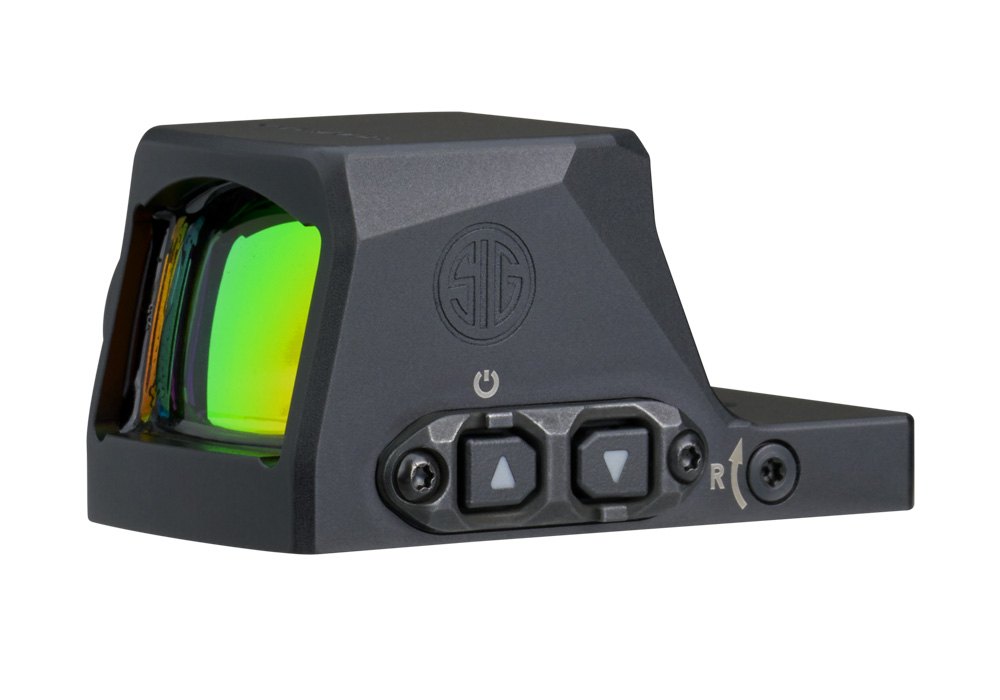
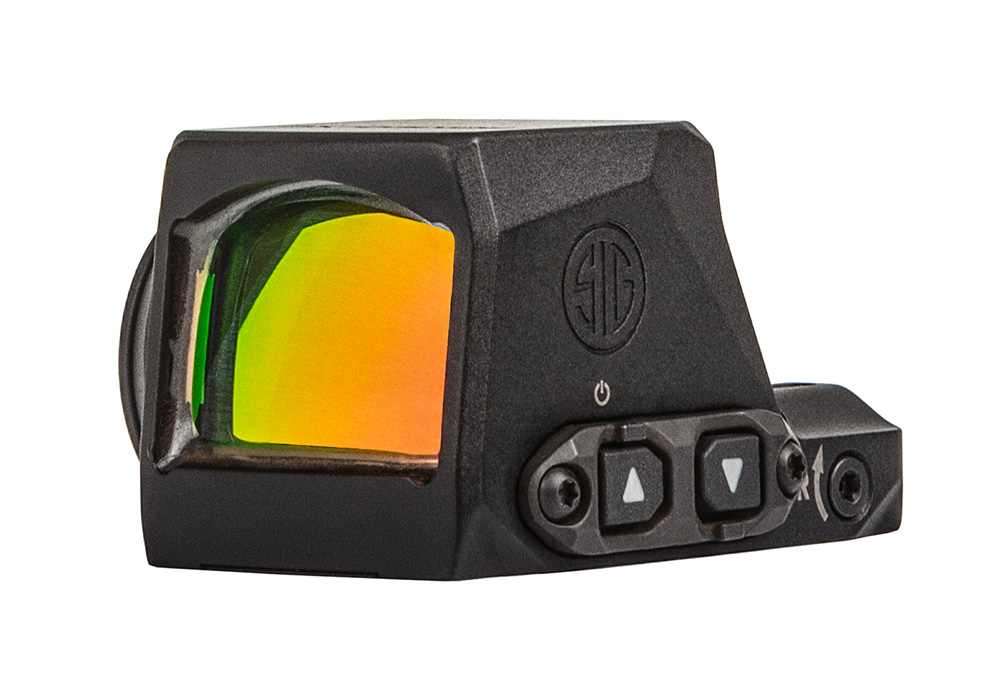
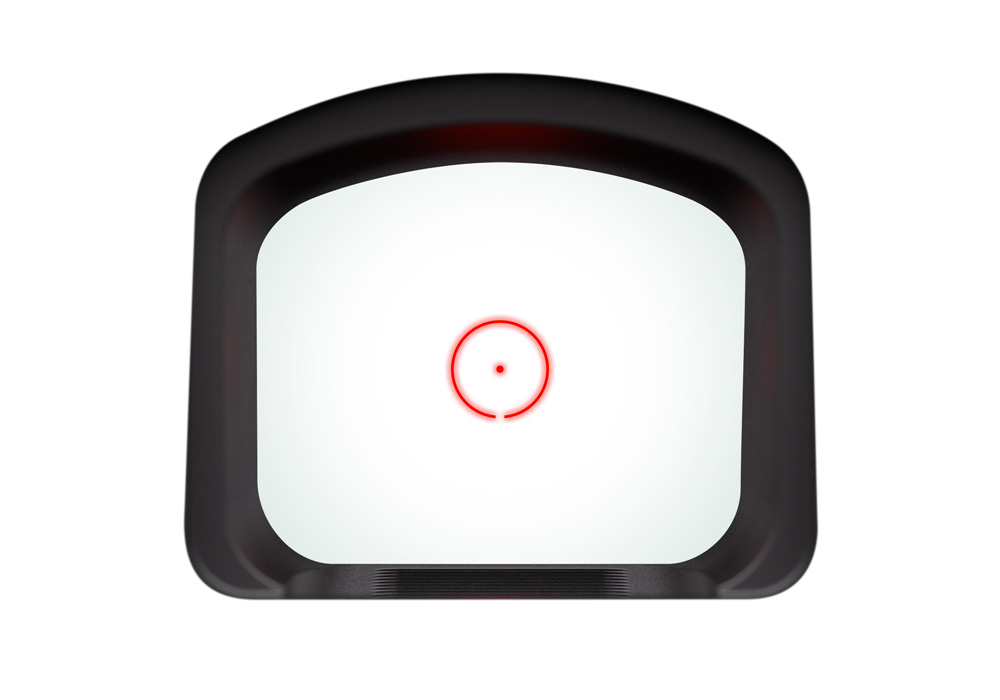
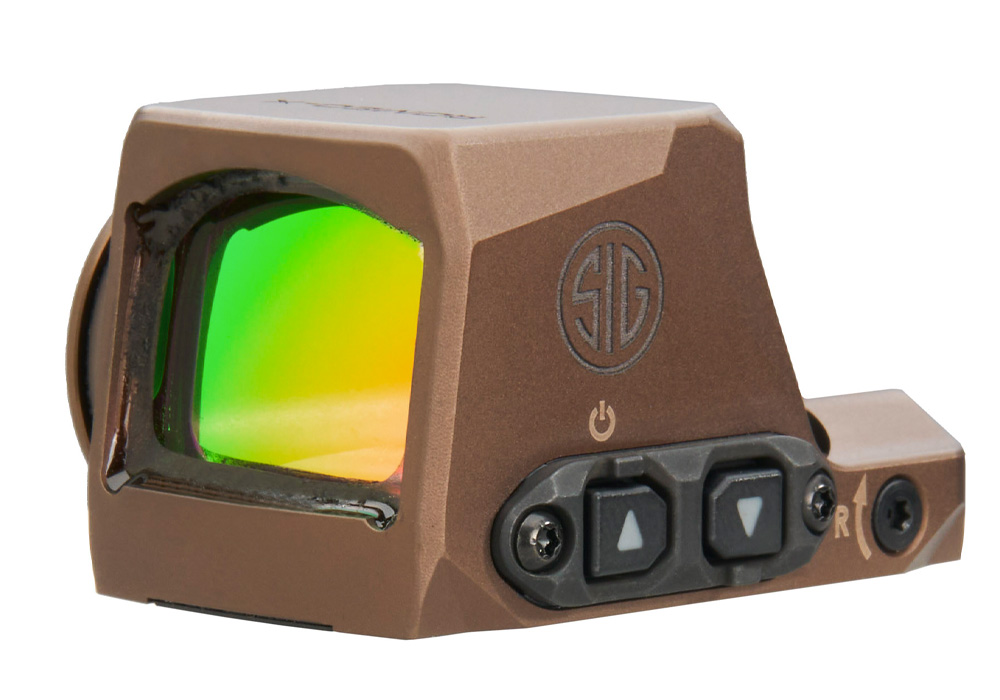
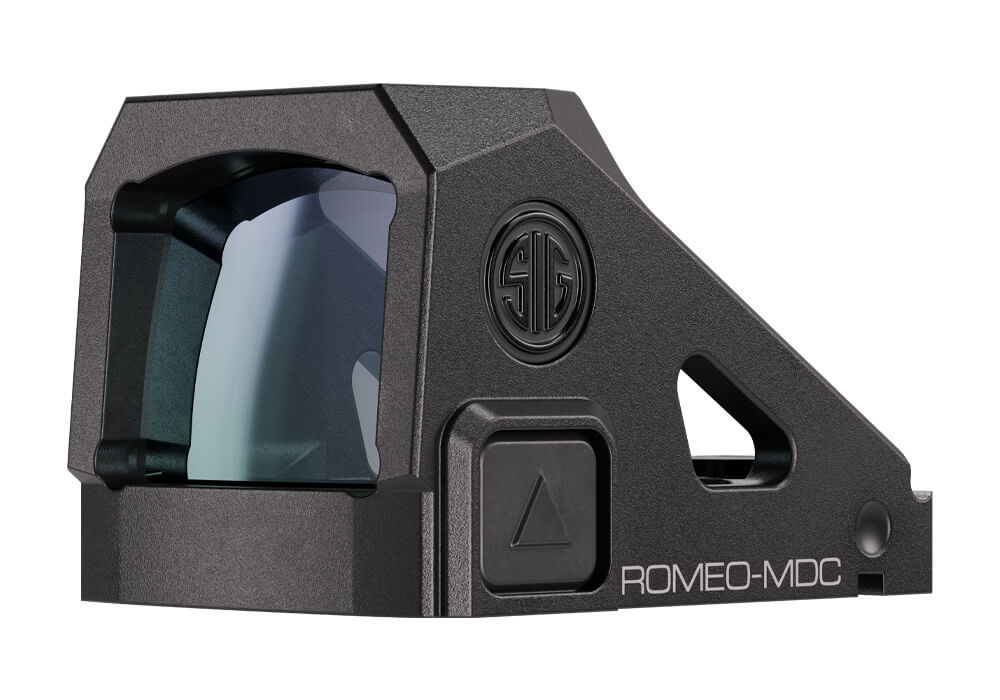
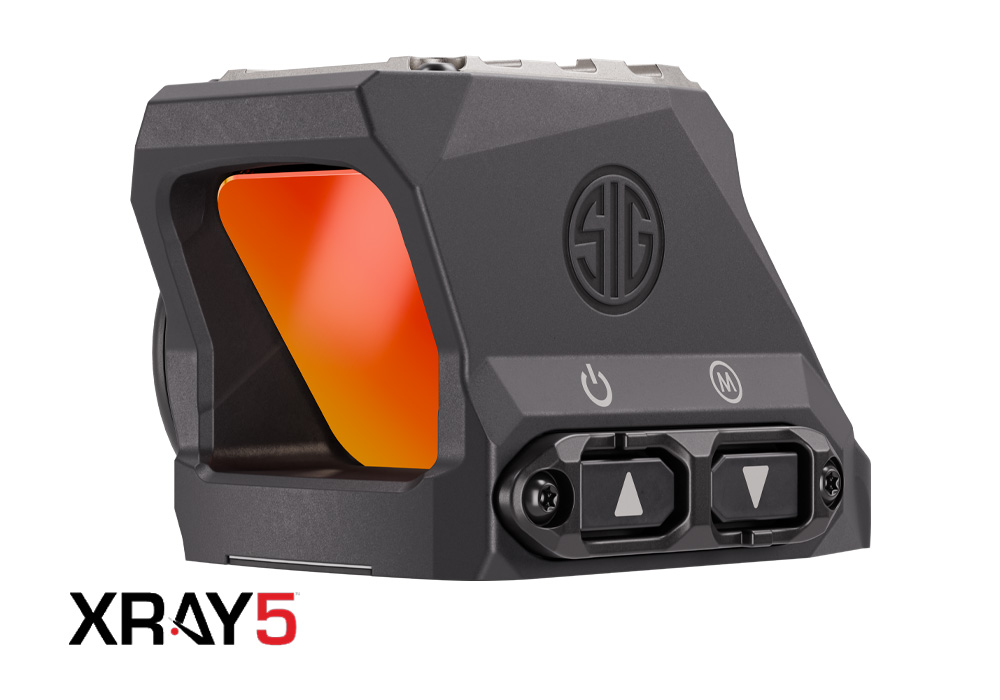
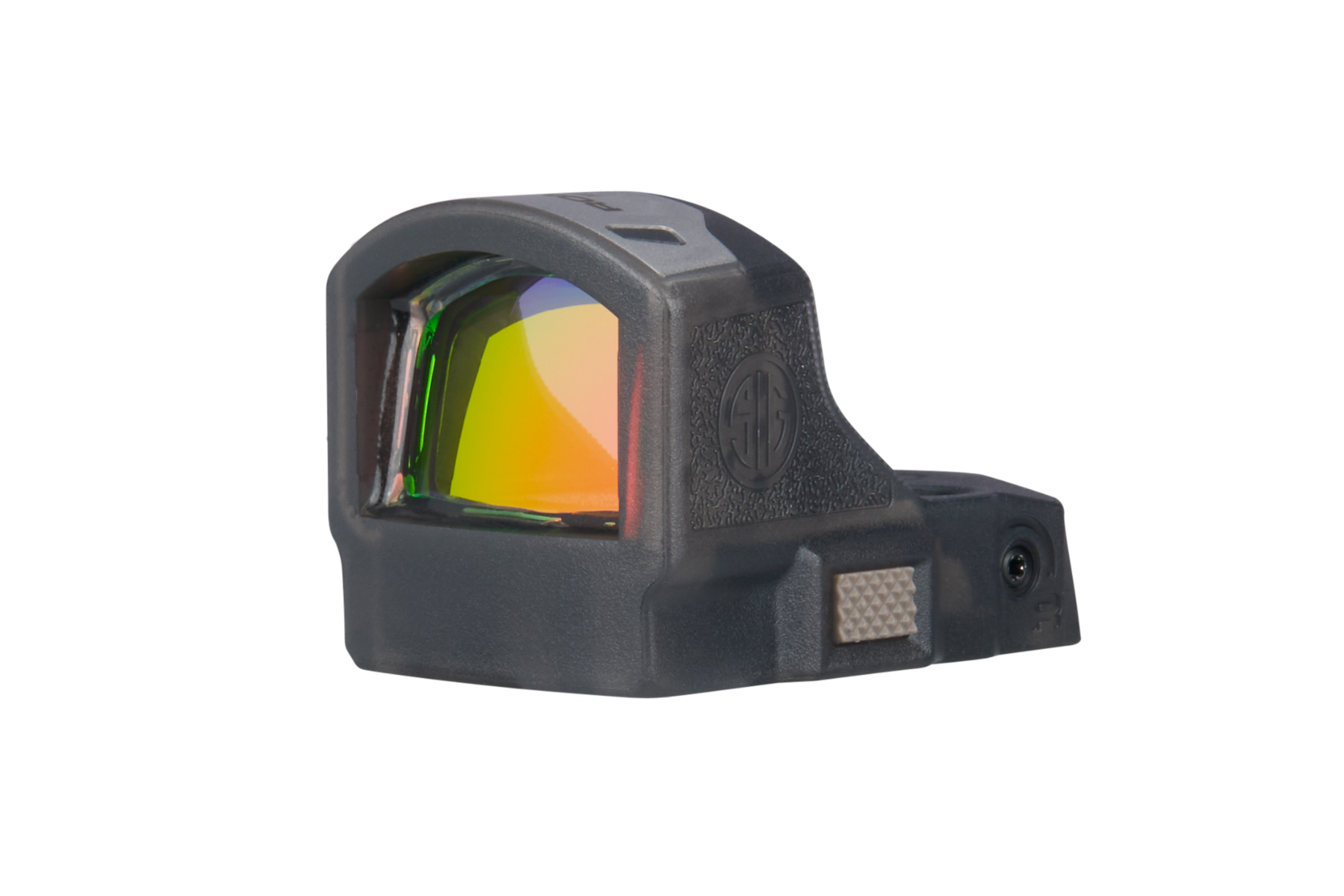
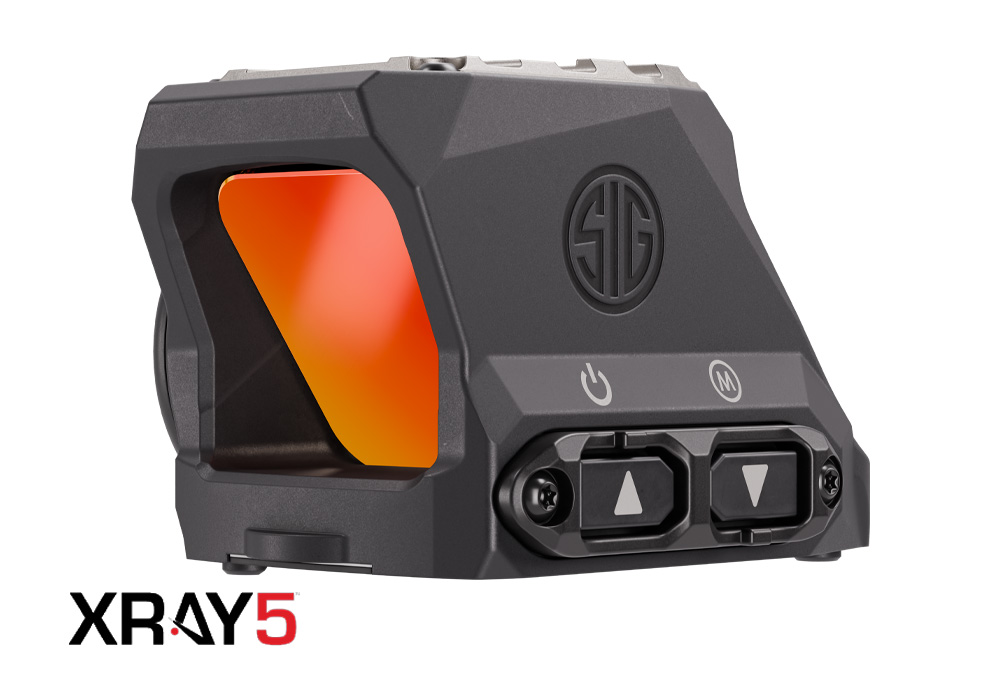
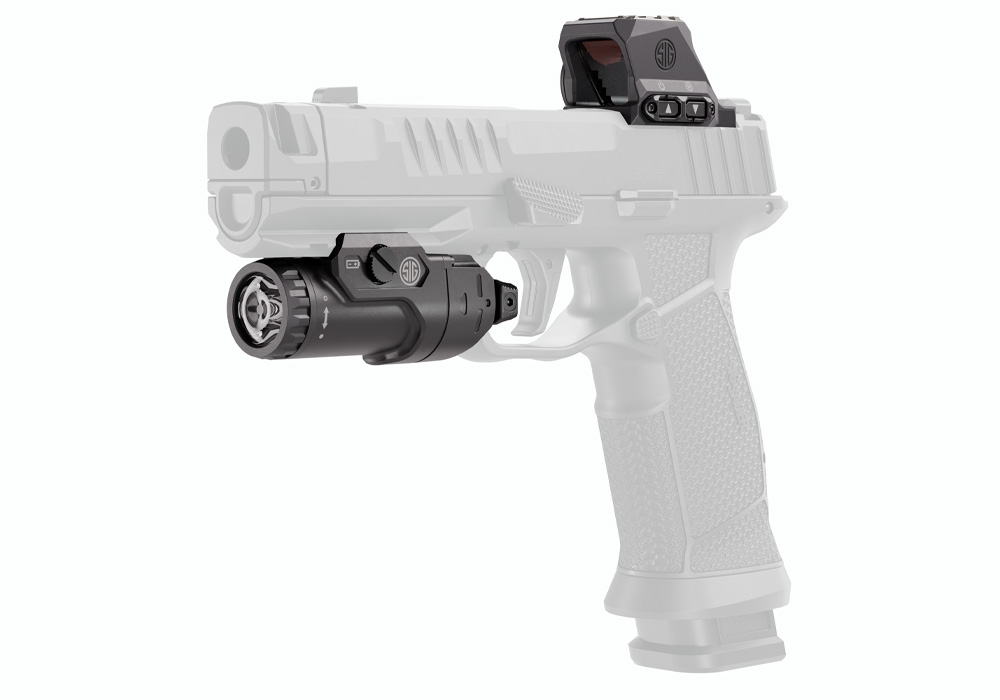
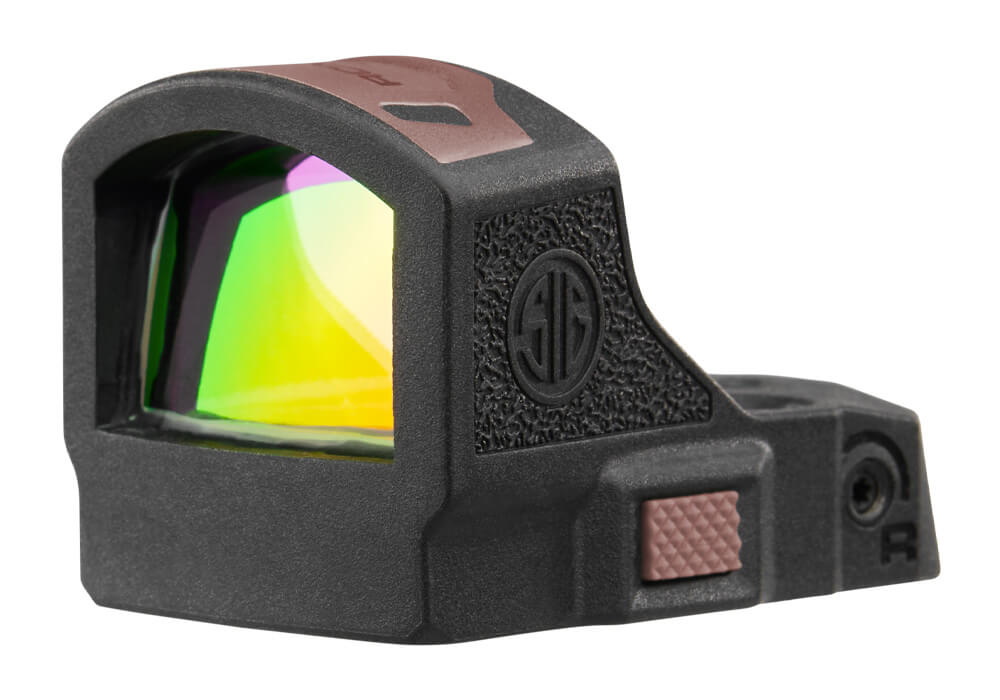
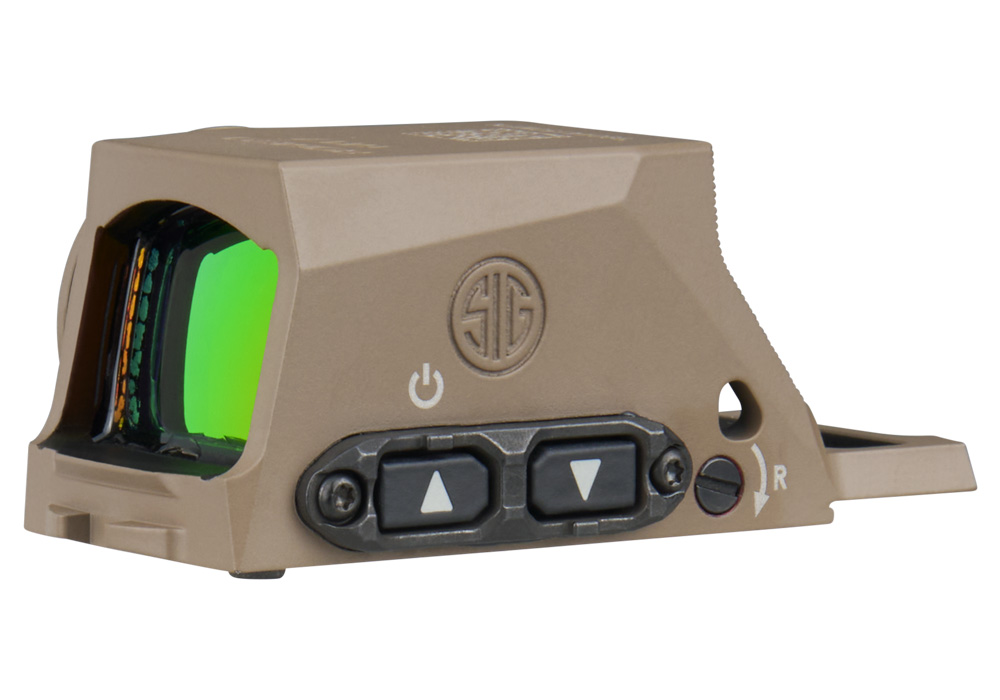
Premium compact optics for pistols bring a clearly defined aiming reference to a small, slide-mounted sight, balancing a useful viewing window with dimensions suited to a handgun. This category includes compact and micro-compact reflex sights for recreational shooting, organized competition, regular training, and lawful concealed carry. Features commonly associated with premium designs include rugged aluminum housings, coated optical glass, adjustable illumination, efficient electronics, and construction intended to maintain zero through repeated recoil. The distinction is not simply a smaller body: housing shape, lens protection, control placement, and mounting compatibility all influence how comfortably an optic fits into everyday use. A low-profile housing can complement a narrow slide, while a slightly larger window may offer a less confined view for range sessions. Neither dimension tells the whole story without considering the host pistol. Open-emitter designs typically have an exposed space between the light source and the viewing lens, while enclosed-emitter designs surround that optical path within a protective housing. That difference affects access for cleaning and how the sight manages dust, lint, and other debris. Optical quality matters just as much as the exterior. A useful sight picture has a recognizable aiming point, manageable reflections, and a view that remains comfortable during an extended practice session. Lens coatings can influence color and light transmission, so a faint tint alone does not determine overall quality. Reticle size and shape also affect the visual experience: a fine point presents differently from a larger dot or a circle-based pattern. Brightness adjustment helps keep the illuminated reference visible against different backgrounds without overwhelming the view. Individual eyesight can change how a reticle appears, particularly for people with astigmatism, making direct observation more informative than a photograph of the sight window. Premium compact pistol optics are best understood as a balance of optical clarity, practical dimensions, and dependable construction rather than a single standout specification.
Fit is the foundation of a successful pairing between a pistol and its optic. An optic-ready slide does not necessarily accept every compact sight, and similar-looking mounting patterns can have different dimensions, screw requirements, or support surfaces. Compatibility depends on the pistol’s slide cut, the optic’s footprint, and any manufacturer-approved mounting plate required between them. Overall width, sight height, and the position of the controls also deserve attention because they affect how the complete setup fits a holster and how accessible the optic remains during routine care. A holster described as optic-compatible still needs appropriate clearance for the particular housing and mounting arrangement. Compatibility with existing iron sights is another separate consideration; an optic’s low profile does not automatically guarantee that the original sights remain visible through its window. Materials and construction contribute to this fit as well as to durability. Machined aluminum housings are common in this category, with protective finishes that help resist surface wear from handling and holster contact. Housing geometry can shield the lens edges without making the viewing area feel unnecessarily enclosed. Thoughtful control placement allows brightness adjustments without crowded access, and clearly defined button feedback can be helpful when checking settings. Battery access is another practical difference among designs. A side-access compartment or top-access cover may allow battery replacement without removing the optic, while other arrangements require removal and a subsequent zero check. The specific design determines the maintenance routine, not the compact label alone. Motion-activated illumination, automatic brightness adjustment, manual settings, and inactivity timers are available in various combinations, with operation differing among sights. Published battery-life estimates also depend on brightness settings, activation patterns, and the conditions stated by the manufacturer. For an owner who practices frequently, convenient controls and straightforward battery access may matter as much as minimal dimensions. For a pistol carried regularly where permitted, a protected lens, secure mounting interface, and compatibility with the complete carry setup can be especially important. These details distinguish a well-matched optic from one that merely shares the right general size.
Long-term satisfaction with compact pistol optics depends on realistic expectations for durability and a manageable care routine. Recoil resistance, water resistance, and impact resistance describe different qualities, and a claim in one area should not be treated as proof of another. Manufacturer testing information, stated environmental ratings, warranty terms, and mounting requirements provide a more useful picture than broad descriptions such as rugged or duty-ready. An enclosed housing can protect the emitter path from debris, but its external lenses still need attention; an open-emitter sight benefits from accessible cleaning surfaces and regular inspection of the exposed optical path. Pocket lint, fingerprints, and residue can all interfere with an otherwise clear view. Lens-safe cleaning supplies and the manufacturer’s recommended methods help protect coatings, while abrasive materials or unsuitable solvents can damage optical surfaces and finishes. Safe handling and the firearm manufacturer’s maintenance procedures remain essential whenever the pistol or mounted optic receives attention. Routine checks of the housing, battery compartment, and mounting hardware can reveal wear or movement that warrants qualified service. Zero retention is a key performance consideration, but any sight should be checked after installation, service, or a significant impact according to the relevant manufacturer instructions. Compact optics also suit different ownership habits. A frequent range visitor may value a generous window and easily accessible brightness controls, while someone prioritizing a streamlined carry setup may prefer a narrower housing with fewer exposed edges. A recipient receiving an optic as a gift benefits most when the pistol model, mounting interface, and personal viewing preferences are already known; appearance alone is not enough to establish compatibility. For a different firearm platform, Compact Optics for AR Pistols covers a related category with its own mounting and dimensional considerations. Within slide-mounted pistol optics, the strongest match remains a sight whose construction, optical presentation, power management, and physical fit support the owner’s intended use without adding unnecessary bulk or maintenance complexity.