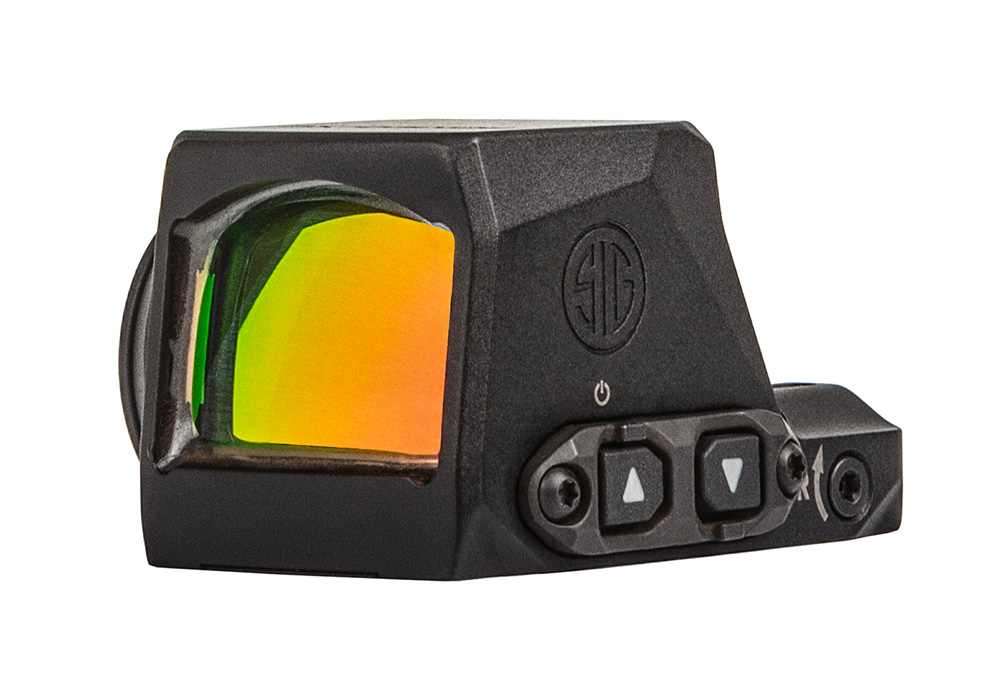
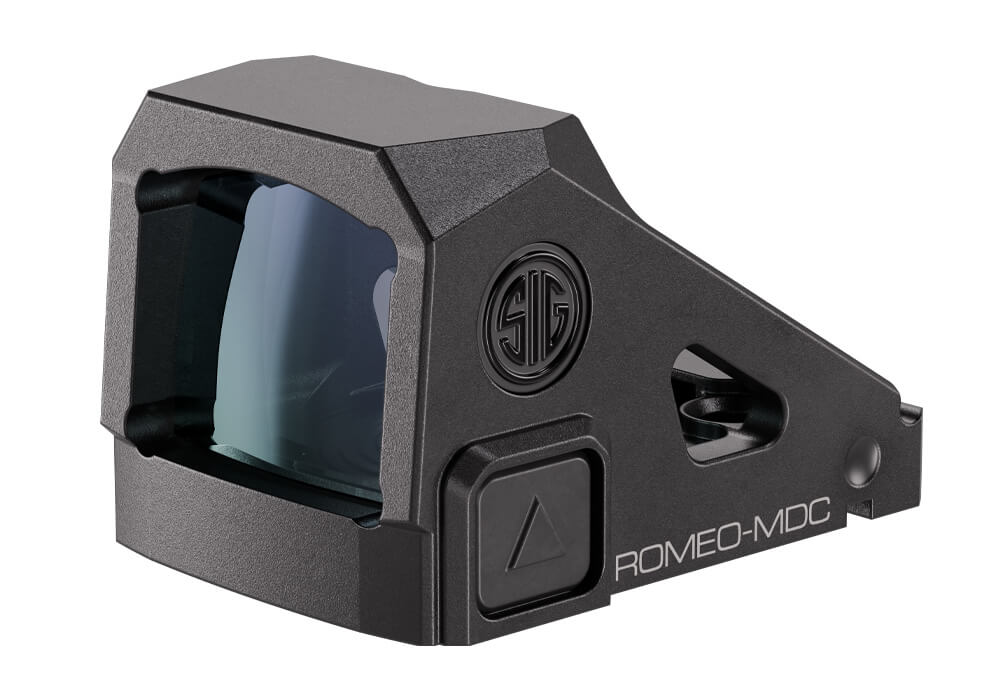
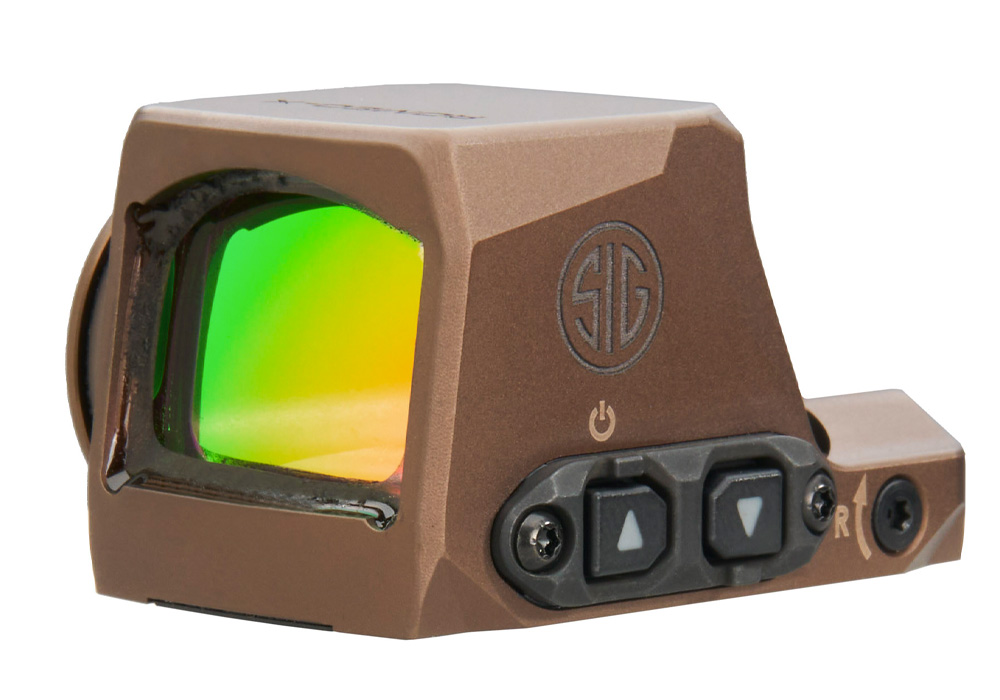
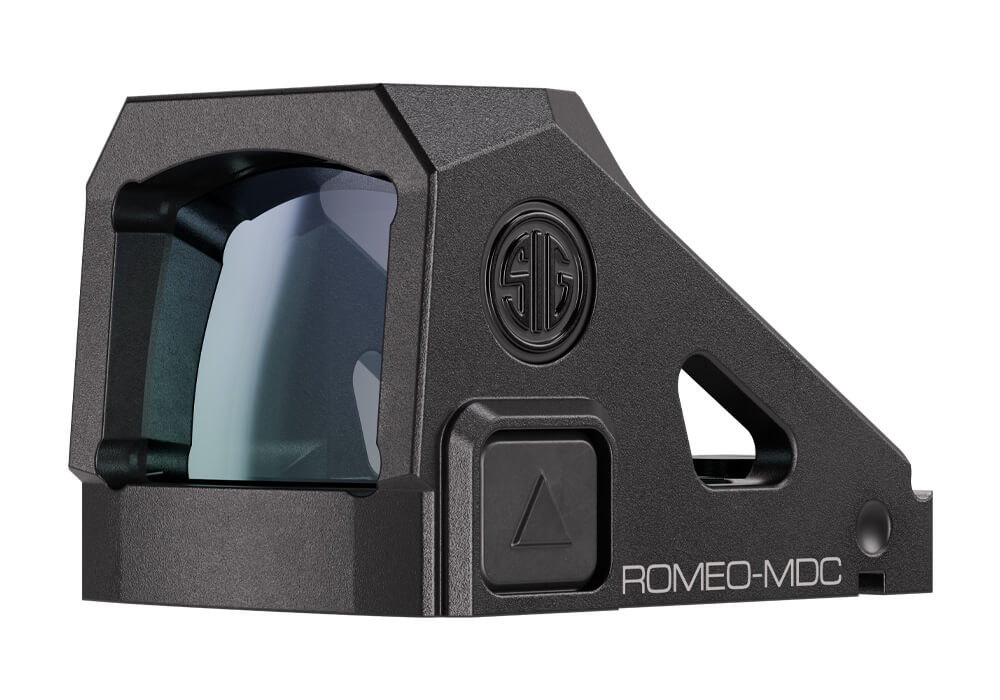
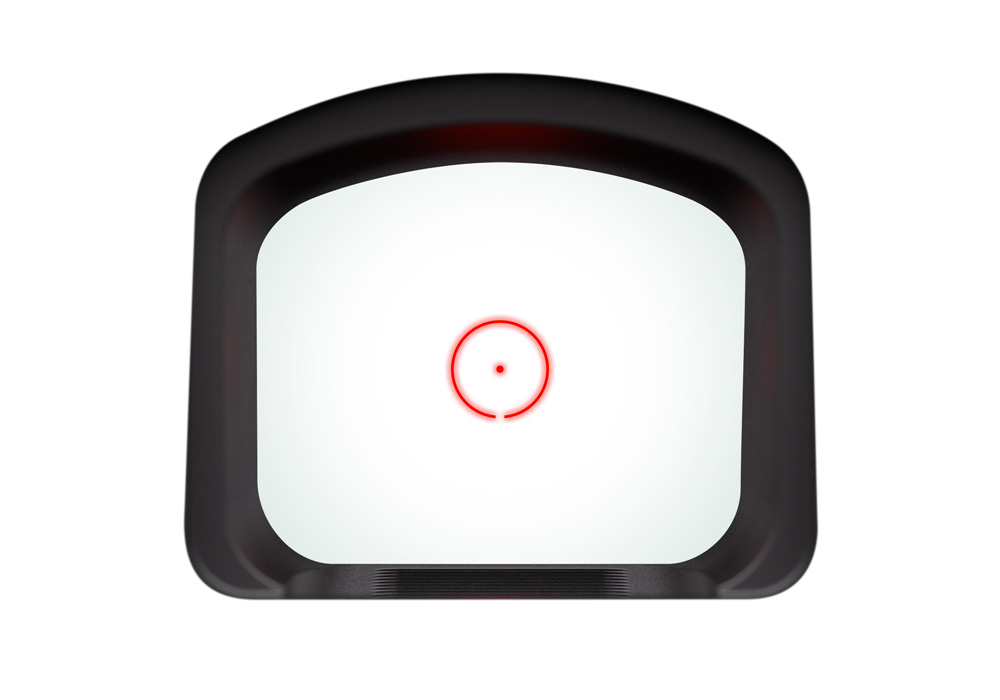
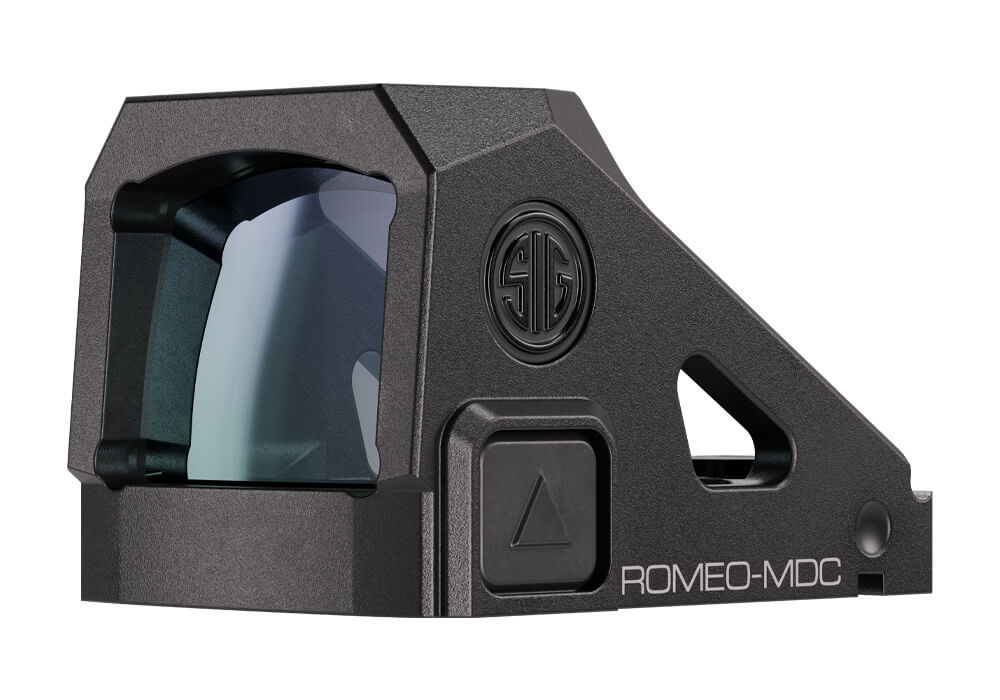
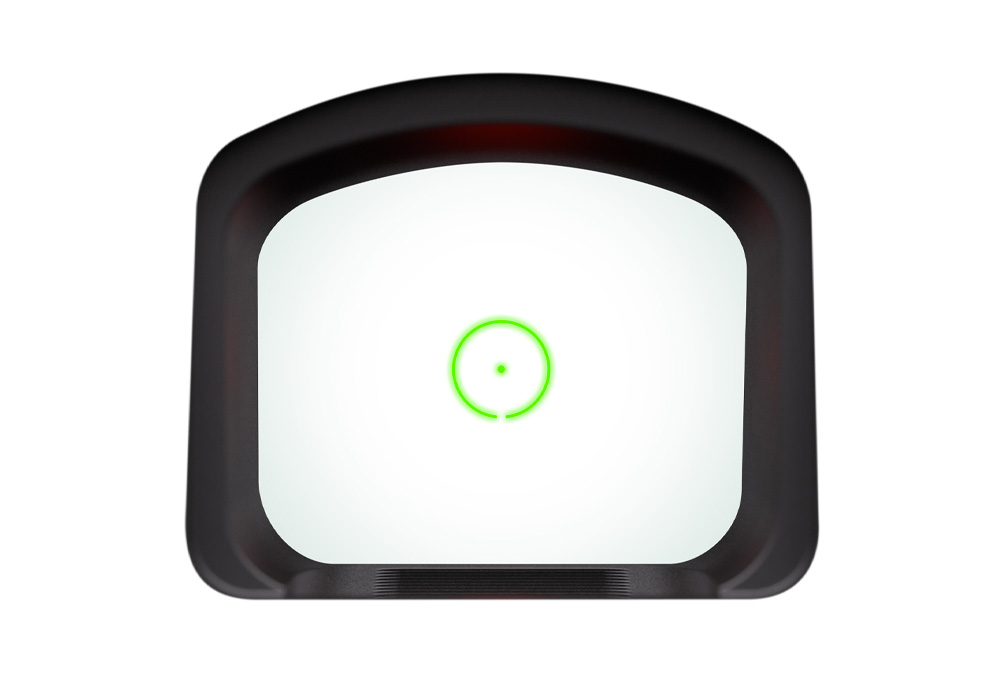
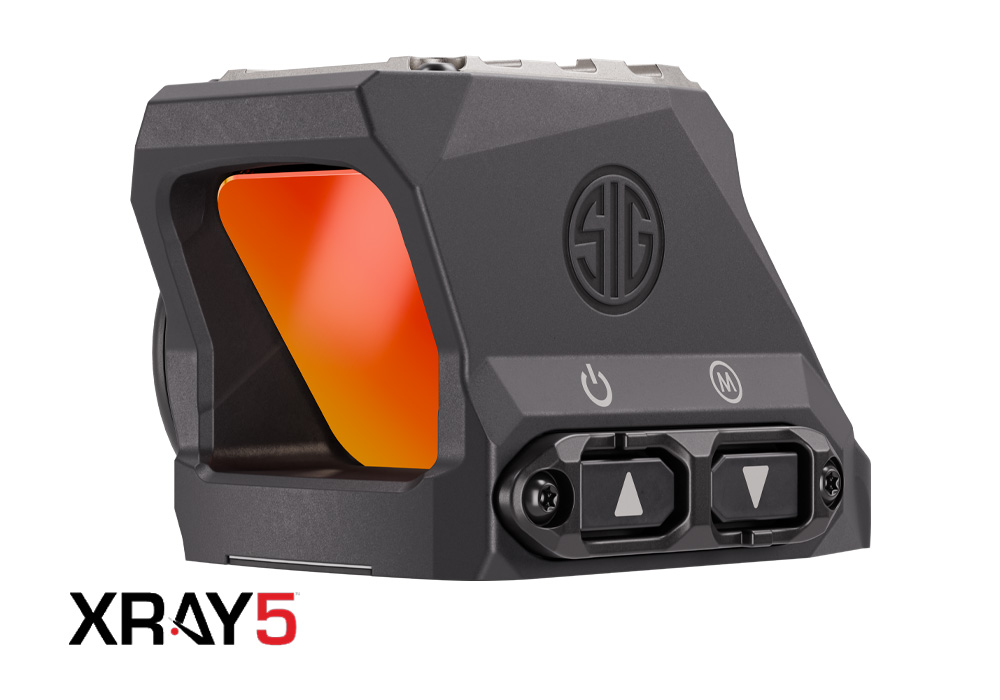
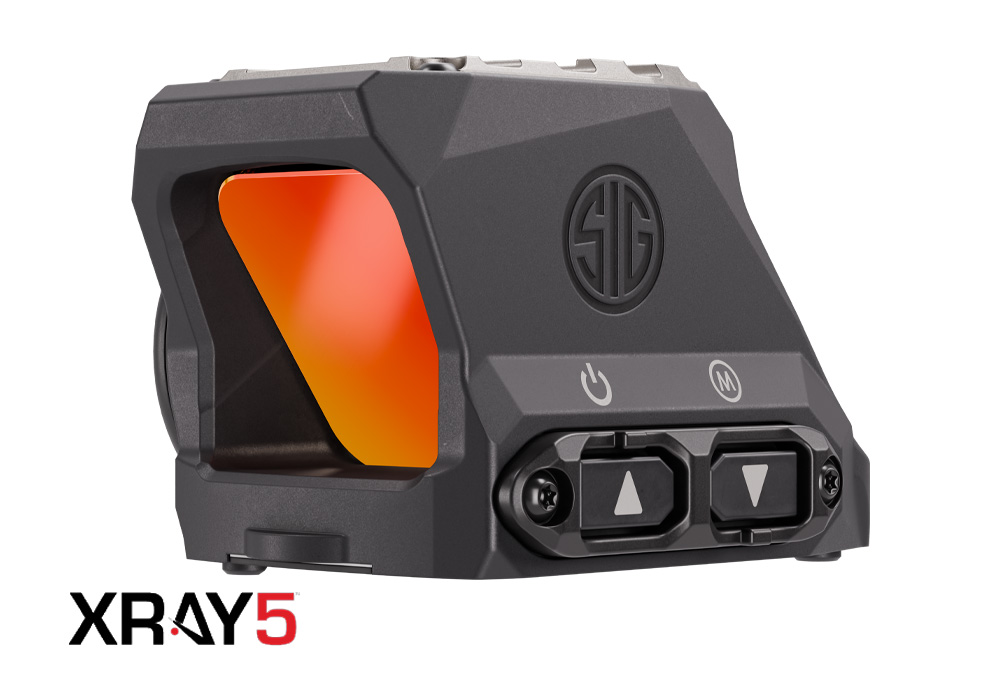
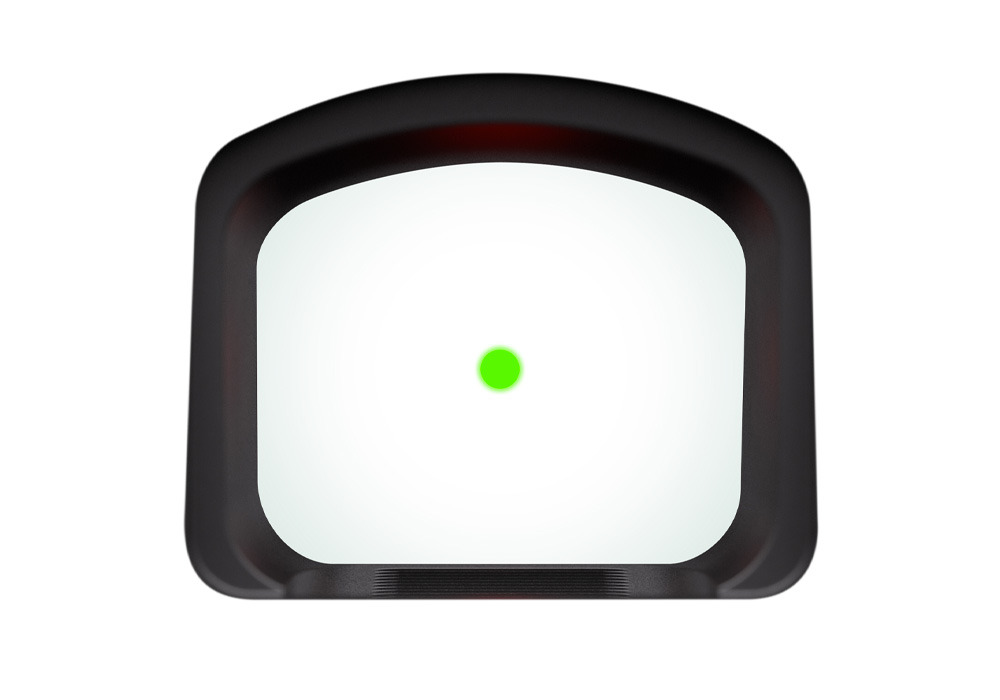
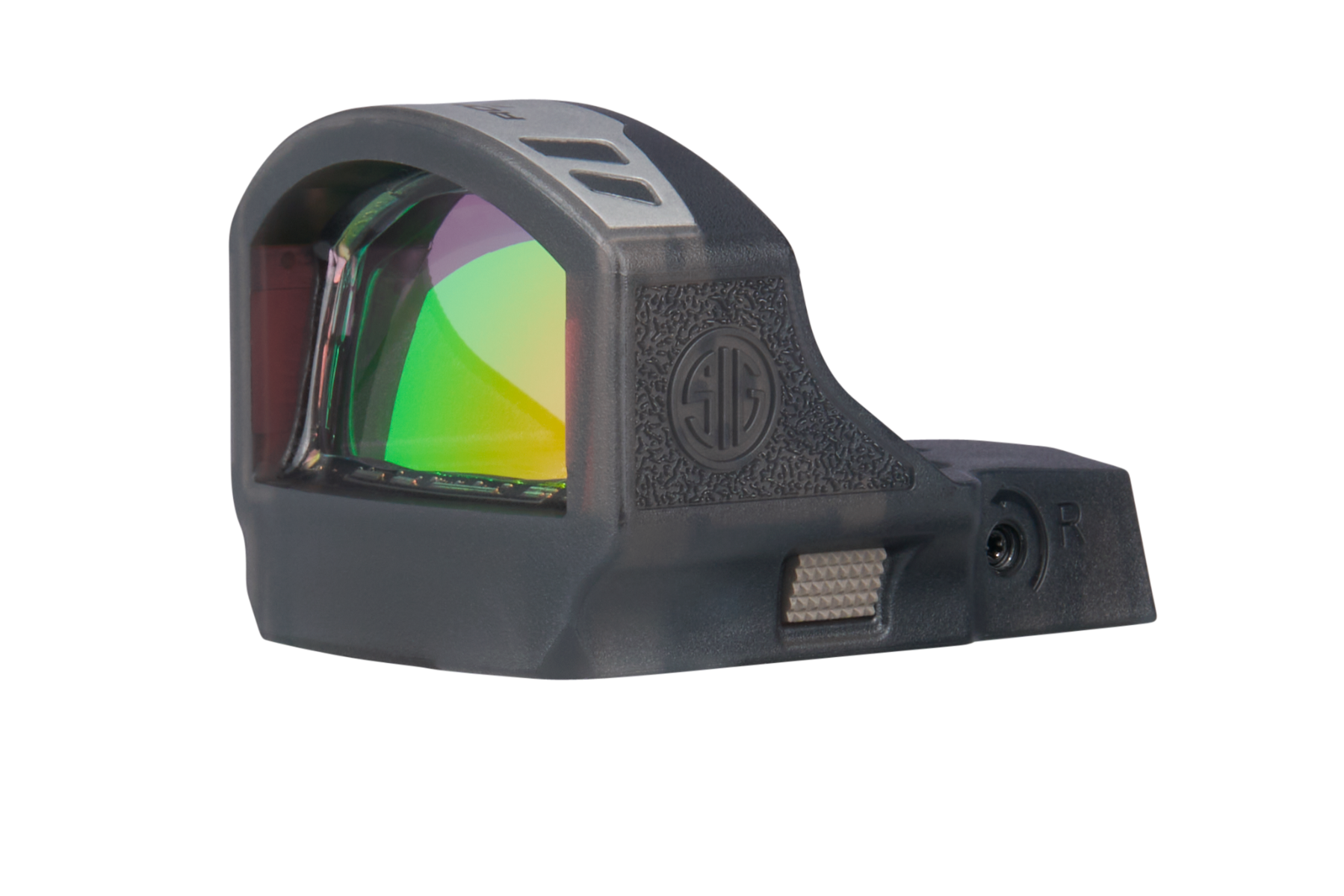
Compact optics for striker-fired pistols are small reflex sights that present an illuminated aiming point in a viewing window, usually without magnification. Their appeal is straightforward: a visible reticle lets the shooter focus on the target rather than shifting attention between front and rear iron sights. These optics suit several applications, including recreational target shooting, structured range practice, lawful concealed carry, and professional duty use where permitted. A compact format helps keep the sight proportional to the slide, but size alone does not determine suitability. Window shape, housing width, mounting arrangement, controls, and battery access all influence how naturally an optic fits the pistol and the person using it. Open-emitter designs leave the light source exposed behind the front lens, often allowing a relatively simple housing and an open visual presentation. Enclosed-emitter designs protect that light source within a housing, helping keep lint and other debris from interrupting the projected reticle. Either design can be appropriate when its dimensions and features match the intended application. The view through the lens deserves just as much attention as the exterior. Lens coatings, edge clarity, visible tint, and reflections can affect how comfortable the sight feels during a longer practice session. Reticles may use a single dot or another illuminated pattern, and the apparent size of that pattern affects how much of a small target it covers. A finer aiming point can be useful for deliberate target work, while a more prominent pattern may be easier for some eyes to locate. Brightness adjustment matters as well: a reticle should remain visible against different backgrounds without becoming so intense that it looks fuzzy. Individual vision can change the appearance of an illuminated dot, so two shooters may describe the same sight differently. A clear, consistent view and controls that feel intuitive are more useful than assuming every compact optic will look or handle alike.
Compatibility starts with the pistol’s mounting interface, not simply its striker-fired operating system. An optic-ready slide does not necessarily accept every compact sight, and similar-looking mounting footprints are not always interchangeable. The slide cut, optic footprint, any required adapter plate, and specified mounting hardware need to work together as a supported combination. Some arrangements place the sight directly on the slide; others use an intermediate plate that can affect overall height and the relationship between the optic and iron sights. Manufacturer compatibility information and qualified installation support are valuable when those details are unclear. Housing width also matters on a slim pistol, where excessive overhang may feel awkward during routine handling or interfere with an otherwise suitable holster. A larger viewing window can offer a more generous visual reference, but it may also require a broader or taller housing. Smaller dimensions can support a streamlined setup without automatically providing the best view for every shooter. Shoppers comparing Premium Compact Optics for Pistols can consider these proportions alongside lens quality, adjustment controls, and construction. Aluminum housings are common because they combine relatively low weight with structural strength, while other housing materials have their own balance of weight, rigidity, and design flexibility. Material alone is not a complete measure of durability. The protection around the lens, security of the battery compartment, quality of the mounting interface, and published resistance testing all contribute to how an optic holds up to repeated use. A textured control button may be easier to distinguish by touch, while a recessed button can be less exposed to unintended contact. Those details become noticeable when a sight moves from a display counter to regular practice or daily carry. Holster compatibility deserves separate confirmation, including clearance around the optic housing and continued protection of the trigger area. The best-fitting combination preserves the pistol’s intended function without relying on improvised hardware or assumptions about clearance.
Long-term ownership brings battery management, lens care, and routine inspection into the picture. Battery access can be especially important on a pistol that sees frequent practice: some designs permit replacement without removing the sight, while others require removal and a subsequent check of the sight’s alignment. Published battery-life estimates are useful reference points, but actual service life depends on brightness settings, operating modes, and use. Automatic brightness and motion-responsive features can reduce routine button presses, although their behavior should be understood rather than assumed. For a pistol carried regularly, accessible controls and a predictable power routine may matter more than an extensive list of settings. For a range-focused setup, clearly defined brightness steps and a comfortable window shape may take priority. Care should remain simple and consistent with the manufacturer’s directions. An unloaded firearm is the starting point for inspection or cleaning, and suitable lens-cleaning materials help remove fingerprints and residue without scratching coated glass. Dust or grit should not be rubbed across the lens, and cleaning solvents intended for other firearm surfaces may not be appropriate for optical coatings or seals. An occasional visual check of the housing, battery compartment, and mounting area can reveal wear or looseness that deserves professional attention. Compact dimensions do not eliminate maintenance, and even a protected emitter benefits from a clean viewing window. These practical considerations also help distinguish a thoughtful gift from an accessory that cannot be used: the recipient’s exact pistol configuration, mounting requirements, preferred reticle, and intended use should be confirmed first. A recreational shooter may value an uncluttered view for deliberate groups on paper, while someone carrying a pistol regularly may place greater emphasis on a low-profile housing and straightforward operation. Neither preference makes every other feature irrelevant. A suitable compact optic brings fit, visibility, durability, and manageable upkeep together in a package that supports consistent practice. It complements sound handling and familiarity with the pistol rather than replacing either, giving the shooter a useful visual reference without promising results that depend on training and technique.